Brown Recluse Spider: Bites, Symptoms and Treatment

Key Takeaways
- Most suspected spider bites are not confirmed brown recluse bites, so medical evaluation matters.
- Early symptoms may look mild, then change over hours to days with pain, redness, or blistering.
- Clean first aid and close observation are often important, while home remedies can do more harm than good.
- Severe skin damage, fever, dark urine, or worsening pain need timely medical assessment.
- Travelers should seek care locally if a bite changes quickly or if follow-up is difficult after returning home.
Medically reviewed by the Acıbadem clinical team — August 19, 2026
A Spider Bite: Symptoms and Treatment" class="ahp-ilk">brown recluse spider bite is uncommon, but it can cause skin changes that deserve prompt medical attention. Understanding the symptoms, safe first aid, and when to seek care can help patients avoid complications and unnecessary worry.
Overview
The phrase brown recluse spider often appears in conversations about mysterious skin sores, but the real picture is usually more modest and more manageable than people expect. The spider is shy, prefers undisturbed indoor spaces, and bites mainly when trapped against the skin. In many places, suspected bites are later found to be something else entirely, which is one reason careful assessment matters.
When a true bite does happen, the first changes may be subtle. A person may notice a small area of pain, redness, or itching before the skin becomes more irritated over the next several hours or days. Because the reaction can evolve, it is helpful to track the skin closely rather than assuming every mark is harmless or, on the other hand, assuming the worst.
For international patients, the practical question is often not only “What is this?” but also “How quickly should care be arranged, and where?” If the skin changes rapidly, or if travel plans make follow-up uncertain, a doctor’s evaluation can help create a safer plan from the start.
Symptoms
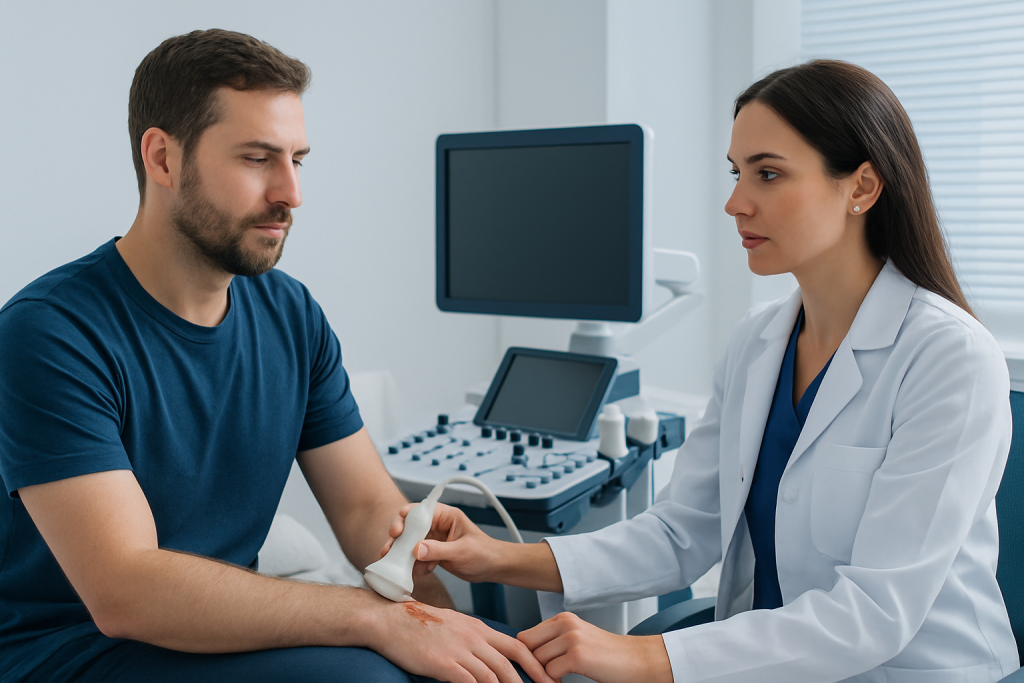
Symptoms after a brown recluse bite can vary widely. Some people have only a small, sore area that settles with time, while others develop a more noticeable reaction. The early stage may resemble a bite or sting from many other insects, which is why appearance alone does not always confirm the cause.
Typical local symptoms may include pain, redness, swelling, itching, or a burning sensation. Over time, the center of the affected area may become pale, then bruise-like, and sometimes a blister forms. In some cases, the skin can break down and create an ulcer or dark scab.
- Localized pain or tenderness
- Redness and swelling around the bite site
- Itching or burning
- Blistering or color change in the center
- Skin breakdown or ulceration in more severe reactions
Less commonly, a person may feel generally unwell, with fever, chills, nausea, muscle aches, or weakness. These broader symptoms deserve medical attention because they may indicate a stronger reaction or another illness that needs evaluation.
Causes & Risk Factors
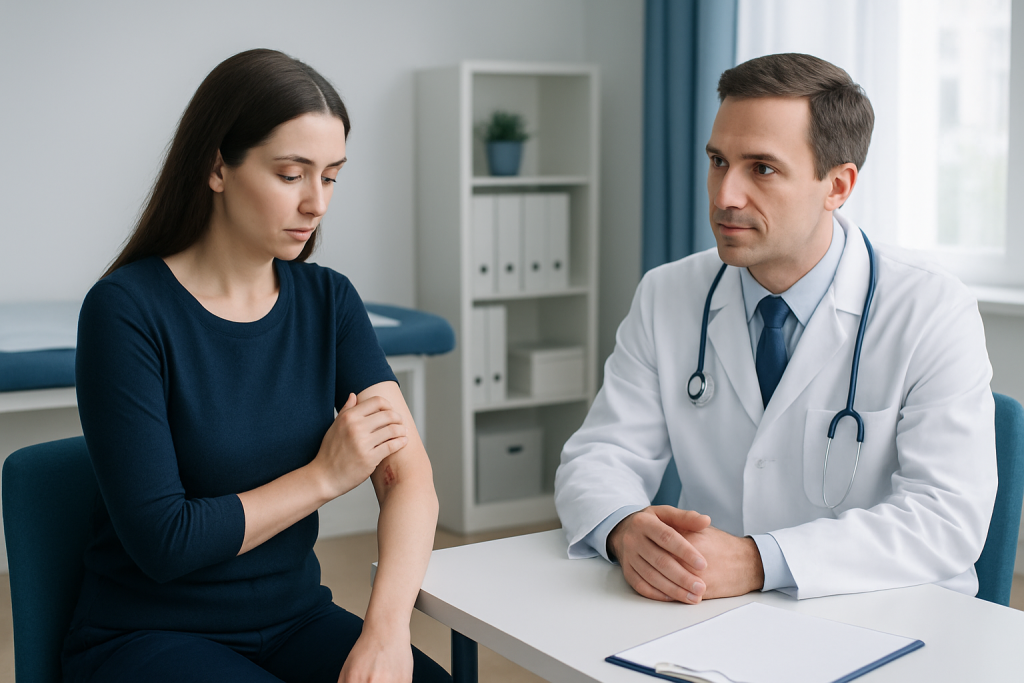
The brown recluse bites when it is disturbed, pinned, or handled. It is not aggressive by nature. Most incidents happen indoors, often when a spider is hidden in clothing, bedding, stored boxes, closets, or shoes. Because the bite may occur without being noticed, a person may not realize what happened until later.
Certain situations can make contact more likely. People who are unpacking long-stored items, cleaning cluttered spaces, or reaching into dark storage areas may be at greater risk of unexpected exposure. The risk is also higher in regions where the spider is more common, though many skin injuries are incorrectly blamed on this spider outside its usual habitat.
Risk factors for more complicated skin effects include delayed care, repeated irritation of the area, and trying unproven home treatments. A bite on thin or sensitive skin may also be more troublesome to monitor. The key point is not to panic, but to take new or worsening skin changes seriously enough to assess them properly.
Diagnosis
Diagnosing a brown recluse bite is not always straightforward. A clinician usually begins with the story of the bite, the timing of symptoms, the geographic location, and a close look at the skin. Because many rashes, infections, and other bites can look similar, the diagnosis is often made by combining clues rather than relying on one visible feature.
Doctors may ask about whether the patient saw the spider, where the exposure occurred, and how the lesion changed over time. They may also check for signs of infection, tissue damage, or a broader body reaction. If another condition seems more likely, testing may be used to rule out cellulitis, an abscess, allergic reactions, or other causes of a painful skin lesion.
In the setting of travel, diagnosis can benefit from photographs taken over time and from sharing the location where the bite likely occurred. If a patient will be returning to another country soon, documenting the progression before departure can make handoff to a local doctor much easier.
Treatment Options
Treatment depends on how the bite looks and how the person feels overall. Many suspected bites improve with careful local care and observation. Basic first aid usually focuses on gently cleaning the area, reducing irritation, and watching for changes rather than trying to “draw out” venom or cutting the skin.
Medical professionals may recommend Sciatica Pain Relief: Treatments and Self-Care" class="ahp-ilk">pain relief, wound care, and close follow-up if the skin is worsening. If there are signs of infection, a doctor may consider treatment for that specific problem. In more significant cases, patients may need wound management over time so the skin can heal in the safest way possible.
Interventions that sound dramatic are not always helpful. Incision, suction, or aggressive home remedies can increase irritation and delay healing. Surgery is generally not an early step and is usually reserved for select cases after the skin has clearly declared its course and a specialist has evaluated the wound.
- Clean the area gently with soap and water
- Use a cool compress for comfort if advised
- Keep the skin protected from rubbing or scratching
- Seek medical review for worsening pain, blistering, or ulceration
- Follow wound-care instructions closely if given by a clinician
Prevention & Self-care
Prevention starts with reducing surprise encounters. In homes and storage areas, it helps to shake out shoes, gloves, and clothing before putting them on, and to keep rarely used items sealed or organized. Beds and closets should be checked in places where spiders can hide, especially in cluttered or undisturbed spaces.
If a bite is suspected, simple self-care is usually the safest first response while arranging medical advice if needed. The area should be cleaned, protected, and watched for change. Patients should avoid scratching, applying harsh chemicals, or using unproven topical remedies that may irritate the skin.
For people traveling internationally, self-care also means planning for continuity. Taking clear photos of the lesion, noting the time symptoms began, and knowing where to seek follow-up after travel can prevent delays. If a patient is leaving the country soon, early review by a doctor can help define what needs in-person monitoring and what can be safely observed.
When to See a Doctor
Medical evaluation is a good idea when the skin area grows larger, becomes much more painful, develops a blister or dark center, or starts draining. A doctor should also be contacted if the person develops fever, chills, nausea, muscle pain, or feels generally unwell. These features do not automatically mean a severe problem, but they do warrant assessment.
Urgent care is especially important if the bite is near the face, if the patient has a weakened immune system, if there is severe swelling, or if pain seems out of proportion to the visible skin changes. A clinician can help distinguish a suspected spider bite from an infection or another condition that may need different treatment.
People who are visiting from abroad should not wait until travel is over if the wound is changing quickly. Getting assessed early can make treatment simpler and follow-up more reliable. Acibadem Health Point’s multidisciplinary specialists and JCI-accredited hospitals can help diagnose and treat this condition for international patients when coordinated medical care is needed.
Recovery and Follow-up
Recovery is often gradual, and the skin may need time to settle even after the pain improves. Some lesions heal with minimal change, while others leave a scar or a discolored patch. The pace of recovery depends on how deep the tissue reaction is and whether the area remains protected from further irritation.
Follow-up is useful when the lesion is open, painful, or slow to improve. A doctor may want to recheck the skin to make sure healing is moving in the right direction and that infection has not developed. If wound care is needed after returning to another country, keeping written notes and photographs helps a new clinician continue care smoothly.
The goal is not to chase every small change, but to notice meaningful trends. A wound that becomes less red, less tender, and more closed is usually moving the right way. A wound that becomes larger, darker, or more painful deserves renewed medical review.
Frequently asked questions
How can someone tell if a bite is from a brown recluse spider?
It is often difficult to tell with certainty unless the spider was seen and identified. Many skin lesions that look suspicious are actually caused by other bites, infections, or skin conditions. A doctor usually looks at the symptoms, timing, and location to make the best judgment.
Do all brown recluse bites cause severe skin damage?
No. Some bites cause only mild symptoms and improve with simple care. More serious skin changes can happen, but they are not inevitable, and many suspected bites are less severe than people fear.
Should a suspected bite be cut open or squeezed?
No. Cutting, squeezing, or trying to drain the area at home can worsen irritation and increase the risk of complications. Gentle cleaning and medical advice are safer choices.
What if the person was bitten while traveling?
It is helpful to take photos of the lesion, note when symptoms started, and seek care if the area is worsening. If returning home soon, a doctor can advise whether the wound should be checked before travel or followed after arrival. Clear documentation can make continuity of care easier.
Can a brown recluse bite cause whole-body symptoms?
Occasionally, people can feel feverish, weak, or achy, and in uncommon cases a more significant body-wide reaction can happen. These symptoms should be assessed by a doctor, especially if they are getting worse or are paired with a rapidly changing wound.
How long does it take to heal?
Healing time varies depending on the size and depth of the reaction. Some bites settle quickly, while others take longer and may need wound care. A doctor can help estimate recovery once the skin is examined.
References
- Centers for Disease Control and Prevention
- Mayo Clinic
- Merck Manual Consumer Version
- American Academy of Dermatology
- National Capital Poison Center
This article is for general information only and is not a substitute for professional medical advice. Please consult a qualified doctor about your individual situation.
Explore treatments in Turkey — costs, top hospitals & a free quote
JCI-accredited · board-certified surgeons · reply within 24h
Add us as a Preferred Source to see more of our trusted health content across Google Search, AI Overviews and Discover.