Callus: Causes, Symptoms and Treatment

Key Takeaways
- Calluses form as the skin’s natural response to repeated friction or pressure.
- Most calluses improve with pressure relief, gentle skin care, and better-fitting shoes.
- Pain, cracking, redness, or recurrent calluses may mean an underlying cause needs attention.
- People with diabetes or reduced sensation should be especially careful with any thickened skin on the feet.
- A clinician can trim a problematic callus safely and check for foot alignment or gait issues.
Medically reviewed by the Acıbadem clinical team — August 19, 2026
A callus is a common area of thickened skin that develops when repeated pressure or friction protects the skin underneath. It is usually harmless, but it can become painful, crack, or signal a problem with footwear, walking patterns, or skin care habits.
Overview
A callus is a localized area of thick, hardened skin that develops as a protective response to repeated rubbing or pressure. It most often appears on the feet, especially on the soles, heels, and toes, but it can also develop on the hands or anywhere the skin is under regular stress.
In everyday life, a callus is the skin’s way of adapting. The outer layer becomes denser to shield the deeper skin from ongoing irritation. This is why calluses are common in people who walk long distances, wear shoes that do not fit well, use hand tools, play musical instruments, or spend time kneeling or gripping objects tightly.
For many people, a callus is more of a nuisance than a medical problem. Still, it deserves attention when it becomes painful, cracks, bleeds, or keeps returning. In those situations, the concern is often not the thickened skin itself, but the reason the skin is being overloaded in the first place.
When someone is considering care from another country, it helps to know that callus treatment is usually straightforward. The most useful approach is not simply removing the hard skin, but understanding what is causing it and making practical changes that prevent it from building up again.
Symptoms
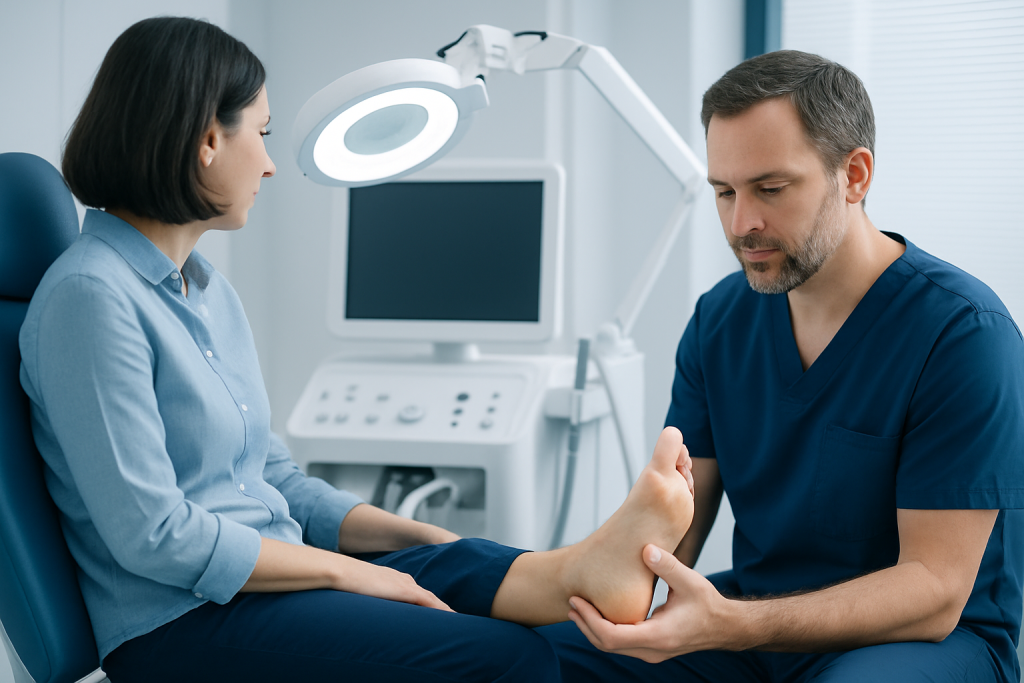
A callus usually feels rough, thick, and dry compared with the surrounding skin. It may look yellowish or gray and often has a broader, flatter shape than a corn. On the feet, it commonly forms on weight-bearing areas, where pressure is concentrated with each step.
Symptoms are not always limited to appearance. Some calluses remain painless, while others become tender or sore, especially when walking, standing, or using the hands. If the skin becomes very dry, small cracks may develop, and those cracks can make daily activities uncomfortable.
People may notice one or more of the following:
- thickened, hard skin with a rough surface
- mild tenderness or burning with pressure
- dryness, flaking, or peeling around the area
- small fissures or cracks in the skin
- discomfort when wearing certain shoes or doing repetitive tasks
It is helpful to distinguish a callus from other skin changes. Corns are usually smaller and more sharply defined, while warts may have tiny dark dots and can be painful in a different way. If there is uncertainty, a clinician can usually tell the difference with a brief examination.
Causes & Risk Factors
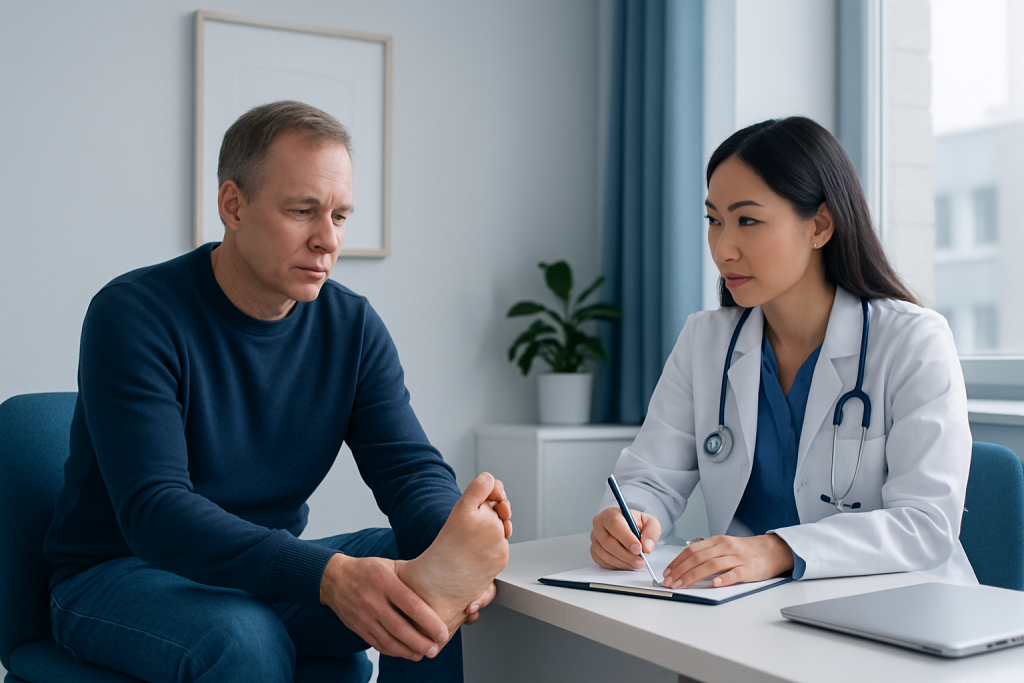
Calluses develop when the skin is repeatedly pressed or rubbed in the same place. The body responds by thickening the outer layer, much like adding padding to a frequently used surface. This is common and often predictable: the cause is usually mechanical, not infectious or dangerous.
Footwear is one of the most common contributors. Tight shoes, high heels, loose shoes that allow the foot to slide, and shoes with seams or pressure points can all create friction. On the hands, calluses may form from tools, sports equipment, manual labor, gardening, or repetitive training routines.
Certain factors make calluses more likely or more persistent:
- foot deformities such as bunions, hammertoes, or claw toes
- changes in walking pattern or posture
- high activity levels that involve repetitive pressure
- dry skin, which cracks more easily
- reduced sensation in the feet
- older age, when skin may become thinner and drier
Some people develop calluses because the body is trying to compensate for how weight is distributed. In these cases, simply shaving away the skin may not solve the problem unless the underlying pressure point is also addressed. That is why recurrent calluses sometimes lead doctors to check gait, footwear, joint alignment, or the shape of the feet.
Diagnosis
Diagnosis is usually simple and based on a physical examination. A clinician looks at the size, location, texture, and shape of the thickened skin and asks about shoes, activities, pain, and how long the area has been present. Most calluses do not require specialized testing.
In some cases, the real value of the visit is identifying why the callus formed. If it keeps coming back in the same place, a clinician may look for pressure from footwear, changes in the foot structure, or an uneven walking pattern. For hand calluses, the pattern of work or exercise can be just as important as the skin change itself.
Additional evaluation may be considered when the diagnosis is uncertain or when the skin change is not typical. This is especially important if there is bleeding, rapid growth, marked redness, drainage, or a lesion that does not behave like ordinary thickened skin. People with diabetes, poor circulation, or decreased sensation should have any foot lesion assessed sooner rather than later.
For international patients, the evaluation is often practical and focused: a short consultation, a skin and foot exam, and if needed, a plan that may include footwear advice, pressure offloading, or referral to a specialist such as a podiatrist, dermatologist, or orthopedic clinician.
Treatment Options
Treatment works best when it combines gentle skin care with pressure reduction. The thickened skin may be softened or removed in a controlled way, but if the friction continues, the callus is likely to return. The goal is comfort, safety, and prevention rather than aggressive removal.
Common approaches include soaking the area briefly in warm water, gently smoothing the thickened skin with a pumice stone or file, and applying a bland moisturizer to reduce dryness. In clinical settings, a trained professional may pare down a painful callus with sterile instruments. This should be done carefully, especially in people with diabetes or circulation problems.
Relief is often improved by changing the source of pressure. That may mean:
- choosing shoes with a wider toe box or softer seams
- using cushioned insoles or padding
- adjusting how tools or sports equipment are held
- wearing socks that reduce friction
- treating bunions, toe deformities, or other structural issues
Medicated callus removers are not always a good choice, particularly those containing strong keratolytic ingredients, because they can irritate or damage surrounding skin if used incorrectly. Anyone with diabetes, neuropathy, fragile skin, or poor blood flow should avoid self-treatment with harsh products unless a clinician specifically recommends them.
When a callus is linked to a foot deformity or abnormal pressure pattern, treatment may also involve orthotics, physical therapy, or, in selected cases, surgery to correct the underlying mechanical issue. The best plan depends on what is causing the pressure and how often the callus returns.
Prevention & Self-care
Prevention is usually very practical. The first step is to reduce repeated rubbing where possible. Well-fitting shoes are central to this, because even a small mismatch in size or shape can create steady pressure in one spot over time. Shoes should support the foot without pinching, sliding, or concentrating force on a single area.
Daily skin care also matters. Keeping the skin clean and moisturized can help reduce cracking and make thickened areas less brittle. Gentle exfoliation may be useful for some people, but it should never be forceful. Cutting, slicing, or using blades at home can lead to injury and infection.
Useful habits include:
- checking feet regularly for new hard spots or redness
- rotating footwear when possible to reduce repetitive pressure patterns
- using protective pads or insoles when advised
- addressing dry skin early with a moisturizer
- modifying activities that create constant friction
International patients preparing for travel can benefit from addressing a persistent callus before a long trip, especially if walking will be required. Comfortable footwear and a simple prevention plan may make a significant difference during recovery, sightseeing, or business travel. If a person already receives care abroad, the follow-up plan should be easy to continue at home, with clear instructions on footwear, skin care, and warning signs.
When to See a Doctor
A medical visit is worthwhile if a callus is painful, keeps returning, cracks deeply, or interferes with walking or daily use of the hands. It is also sensible to seek advice if the thickened skin looks unusual, changes quickly, or does not improve with basic pressure relief and home care.
People with diabetes, peripheral neuropathy, poor circulation, or a history of foot ulcers should not wait for a callus to become troublesome. In these situations, even a small area of thickened skin may deserve prompt assessment because reduced sensation can allow an injury to worsen without being noticed.
A doctor should also be consulted if there is redness, warmth, swelling, drainage, bleeding, or signs of infection. These features are not typical of a simple callus and may indicate another skin problem or a complication that needs treatment.
Acibadem Health Point can support international patients through multidisciplinary specialists and JCI-accredited hospitals that diagnose and treat callus-related foot or skin problems with coordinated care. The most important step is still the same: identify the pressure source, protect the skin, and choose a plan that can be followed comfortably after returning home.
Frequently asked questions
What is the difference between a callus and a corn?
A callus is usually broader, flatter, and less sharply defined, while a corn is smaller and often has a central hard core. Both are caused by pressure or friction, but corns tend to be more focused and more tender. A clinician can usually distinguish them with a simple exam.
Should a callus be removed completely?
Not always. A callus is the skin’s response to pressure, so removing it without addressing the cause often leads to recurrence. The safer goal is to reduce discomfort and make the pressure point less active.
Can I cut off a callus at home?
It is best not to cut it off at home. Blades, scissors, and aggressive scraping can injure the skin and raise the risk of infection. Gentle soaking, moisturizing, and careful filing are safer options for many people, but high-risk patients should seek professional care.
Why does my callus keep coming back in the same place?
A recurring callus often means the same spot is being overloaded again and again. The cause may be footwear, a foot shape issue, a walking pattern, or repetitive hand use. Treating the pressure source is usually the key to lasting improvement.
Are calluses dangerous?
Most calluses are not dangerous and do not need urgent treatment. They become more important when they are painful, crack, bleed, or occur in someone with diabetes or reduced sensation. In those situations, medical assessment is a good idea.
Which doctor treats calluses?
A primary care doctor, dermatologist, podiatrist, or orthopedic specialist may all help depending on the cause and location. Foot calluses often benefit from a podiatry or foot-and-ankle assessment, especially when there is an underlying pressure problem. The best specialist is the one who can evaluate both the skin and the mechanics behind it.
References
- American Academy of Dermatology
- Mayo Clinic
- National Institute of Diabetes and Digestive and Kidney Diseases
- NHS
This article is for general information only and is not a substitute for professional medical advice. Please consult a qualified doctor about your individual situation.
Joint and spine care in Turkey — expert assessment & treatment
JCI-accredited · board-certified surgeons · reply within 24h
Add us as a Preferred Source to see more of our trusted health content across Google Search, AI Overviews and Discover.