Bile: Functions, Benefits and Risks

Key Takeaways
- Bile helps digest fats and supports absorption of fat-soluble vitamins.
- The liver makes bile, and the gallbladder stores and concentrates it.
- Gallstones, bile duct blockage, and bile reflux are among the most common bile-related problems.
- Jaundice, pale stools, dark urine, itching, and upper abdominal pain can point to a bile flow issue.
- Diagnosis often uses blood tests and imaging such as ultrasound, MRCP, or endoscopy.
- Treatment depends on the cause and may include medication, procedures, or surgery.
Medically reviewed by the Acıbadem clinical team — August 19, 2026
Bile is a digestive fluid made by the liver and stored in the gallbladder, where it helps the body break down fats and absorb certain vitamins. When bile flow is blocked, altered, or moves in the wrong direction, it can lead to symptoms that deserve medical attention.
Overview
Bile is one of the body’s less visible but more important digestive fluids. It is made in the liver, stored in the gallbladder, and released into the small intestine when food, especially fat, needs to be broken down. Without bile, the body has a harder time digesting fats and absorbing fat-soluble vitamins such as A, D, E, and K.
From a patient’s point of view, bile problems often show up indirectly. A person may notice yellowing of the skin or eyes, a dull ache under the right ribs, nausea after fatty meals, or stools that look pale or greasy. These symptoms do not point to a single diagnosis, but they are useful clues that the liver, gallbladder, or bile ducts may need evaluation.
Because bile-related conditions can range from mild to urgent, doctors usually look for the underlying reason rather than treating the symptom alone. That may involve blood tests, imaging, and sometimes procedures that both diagnose and relieve a blockage. For international patients, planning care can be especially helpful when symptoms begin before travel or continue after returning home, since follow-up is often part of safe recovery.
Symptoms
Bile itself does not cause symptoms when it is doing its job normally. Trouble begins when bile cannot move freely, is produced in abnormal amounts, or flows backward into the stomach. The signs depend on where the problem is and how much bile flow is affected.
Common symptoms can include:
- Pain in the upper right abdomen or upper middle abdomen
- Nausea or vomiting, especially after eating
- Jaundice, which is yellowing of the skin or eyes
- Dark urine and pale or clay-colored stools
- Itching, sometimes widespread
- Bloating, indigestion, or discomfort after fatty foods
- Burning or sour discomfort if bile reflux is present
Some people develop symptoms gradually, while others notice a sudden change. A stone blocking the bile duct, for example, may cause sharp pain and nausea, whereas a narrowing in the ducts may produce slower, more subtle changes. Any ongoing yellowing, worsening pain, or unexplained digestive change deserves medical review.
Causes & Risk Factors

The most common bile-related problems start with either blockage or abnormal flow. Gallstones are a frequent cause because they can move out of the gallbladder and lodge in the bile ducts. When bile cannot pass normally, it backs up into the liver and bloodstream, which can lead to jaundice and other symptoms.
Other causes include inflammation of the gallbladder or bile ducts, narrowing of the ducts after surgery or injury, liver diseases that affect bile production, and conditions that interfere with the muscles or valves that direct bile. Bile reflux can happen after certain stomach or gallbladder surgeries, and it may cause Abdominal Pain: Causes and Treatment" class="ahp-ilk">upper abdominal pain, nausea, or bile tasting like bitterness in the mouth.
Risk is higher in people with a history of gallstones, obesity, rapid weight loss, certain inherited blood disorders, pregnancy, or some digestive and liver conditions. However, bile problems can also appear in people without obvious risk factors. For that reason, new symptoms should not be dismissed simply because there is no prior history.
Diagnosis
Doctors usually begin by asking about the timing of symptoms, meal triggers, previous gallbladder surgery, and any changes in stool or urine color. A physical examination may look for tenderness in the upper abdomen, signs of jaundice, or other clues suggesting bile flow is impaired.
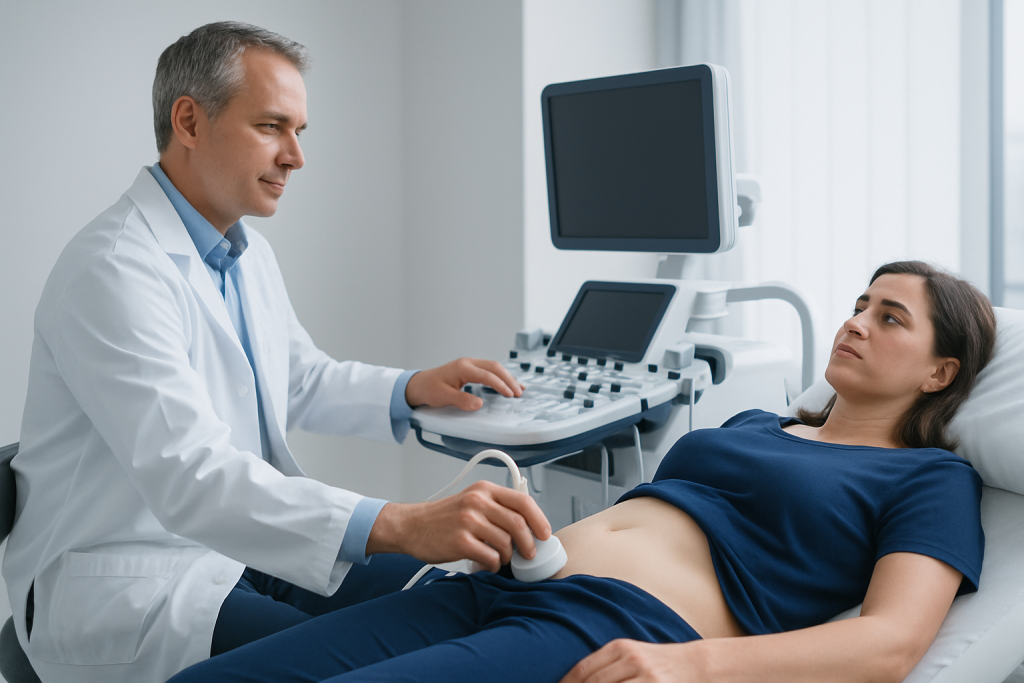
Blood tests often help distinguish whether the issue is more likely in the liver, gallbladder, or bile ducts. These may include liver enzymes, bilirubin, and tests that show how well bile is moving. Imaging is often the next step. An ultrasound is commonly used first because it can show gallstones, gallbladder inflammation, and sometimes duct widening.
If more detail is needed, doctors may recommend MRCP, CT, or endoscopic procedures such as ERCP. MRCP gives a noninvasive view of the bile ducts, while ERCP can both identify and treat certain blockages. The choice depends on the suspected cause and how quickly the symptoms need to be addressed.
Treatment Options
Treatment depends on why bile is causing trouble. If gallstones are blocking the ducts, a procedure may be needed to remove the stone and restore flow. If the gallbladder itself is repeatedly inflamed or causing recurrent problems, surgery to remove it may be considered. In many cases, this is the most durable solution and helps prevent repeat attacks.
When bile reflux is the main issue, doctors may suggest medicines that reduce irritation or improve stomach emptying, along with dietary adjustments. If inflammation or infection is present, additional treatment may be needed. Liver-related bile disorders are managed according to the underlying disease, which may involve specialist care and ongoing monitoring rather than a single fix.
Some people need care from more than one specialist, especially if the problem affects both the digestive tract and the liver. That multidisciplinary approach can be particularly useful for international patients who are trying to coordinate imaging, procedures, and recovery within a limited travel window. Acibadem Health Point’s multidisciplinary specialists and JCI-accredited hospitals diagnose and treat bile-related conditions for international patients, with attention to safe planning and follow-up.
Prevention & Self-care
Not every bile disorder can be prevented, but some habits may lower the chance of common problems or reduce symptom flares. A balanced eating pattern, steady weight management, and regular physical activity can support gallbladder and liver health. Very rapid weight loss should be avoided when possible, since it may increase gallstone risk.
People who already know they have gallstones, bile reflux, or a liver condition can pay close attention to food triggers and symptom patterns. Smaller meals and limiting very fatty or heavy foods may make digestion more comfortable for some individuals. Staying hydrated and following a doctor’s instructions about medications and follow-up tests are also important.
For patients traveling for care, it helps to keep a written symptom record, bring prior imaging or lab results, and understand what recovery will look like after leaving the hospital. Clear instructions for follow-up appointments, medication changes, and warning signs can make the transition home safer and less stressful.
When to See a Doctor
Medical evaluation is appropriate when symptoms suggest bile flow may be blocked or irritated, especially if they are new, persistent, or worsening. Yellowing of the eyes or skin, dark urine, pale stools, repeated vomiting, fever with abdominal pain, or pain that does not settle should not be ignored.
Even milder symptoms deserve attention if they keep returning after meals or interfere with eating and daily life. A doctor can help decide whether the issue is likely gallstones, bile reflux, liver disease, or something else entirely. Prompt assessment is especially important if there is a history of gallbladder surgery, known liver disease, or recent travel while symptoms are changing.
Patients who are arranging care across borders should seek a plan that includes review of test results, a clear treatment timeline, and follow-up after procedures. That approach helps ensure the diagnosis is not only made, but also understood and managed in a practical way once the patient returns home.
Living With a Bile-Related Condition
Many bile-related conditions can be managed successfully once the cause is identified. The key is to match treatment to the problem rather than assuming all upper abdominal discomfort has the same source. Some people improve with medication and diet changes, while others do best with a procedure or surgery.
Tracking symptoms can be useful. Noting when pain starts, what foods were eaten, whether the urine or stool color changed, and whether nausea came with fever or itching can help doctors refine the diagnosis. This is particularly helpful for patients who may have only a short window to complete evaluation before travel or work commitments.
With the right evaluation and follow-up, bile-related symptoms can often be brought under control. A careful, stepwise approach gives patients a clearer path forward and helps protect longer-term digestive and liver health.
Frequently asked questions
What does bile do in the body?
Bile helps the body digest fats and absorb fat-soluble vitamins. It also carries waste products from the liver into the intestine so they can leave the body. Without normal bile flow, digestion and elimination can both be affected.
What are common signs of a bile duct problem?
Yellowing of the skin or eyes, dark urine, pale stools, itching, and upper abdominal pain are common warning signs. Nausea and fever may also occur, depending on the cause. These symptoms can overlap with other conditions, so medical evaluation is important.
Are gallstones and bile problems the same thing?
Not exactly. Gallstones are one possible cause of a bile problem because they can block the flow of bile. Other causes include inflammation, narrowing of the ducts, liver disease, and bile reflux.
Can bile reflux be treated without surgery?
Yes, in some cases. Doctors may recommend medicines, dietary changes, and other measures to reduce irritation and improve symptoms. If a structural problem is involved, additional procedures may be needed.
How do doctors check whether bile flow is blocked?
They often start with blood tests and an ultrasound. If more detail is needed, they may use MRCP, CT, or endoscopy such as ERCP. The choice depends on the symptoms and how urgent the situation appears.
When is bile-related pain urgent?
Pain with fever, jaundice, repeated vomiting, or a very ill feeling should be assessed promptly. These signs can suggest a blockage or infection. A doctor can determine whether urgent treatment is needed.
References
- National Institute of Diabetes and Digestive and Kidney Diseases
- Mayo Clinic
- Cleveland Clinic
- American Liver Foundation
- World Gastroenterology Organisation
This article is for general information only and is not a substitute for professional medical advice. Please consult a qualified doctor about your individual situation.
Persistent digestive symptoms? Get evaluated in Turkey
JCI-accredited · board-certified surgeons · reply within 24h
Add us as a Preferred Source to see more of our trusted health content across Google Search, AI Overviews and Discover.