Small Intestine: Function, Anatomy and Disorders

Key Takeaways
- The small intestine is central to digestion, absorption of nutrients, and fluid balance.
- Symptoms such as persistent abdominal pain, diarrhea, weight loss, or anemia can point to small intestine problems.
- Common causes include inflammation, infection, obstruction, celiac disease, and Crohn’s disease.
- Diagnosis may involve blood tests, stool tests, endoscopy, capsule endoscopy, and imaging studies.
- Treatment depends on the cause and may include dietary changes, medication, endoscopic care, or surgery.
Medically reviewed by the Acıbadem clinical team — August 19, 2026
The small intestine is where much of digestion and nutrient absorption takes place, so changes in this long, folded organ can affect energy, weight, and overall health. Understanding its function, common disorders, and treatment options helps patients recognize when symptoms deserve medical attention.
Overview
The small intestine is a long, coiled part of the digestive tract that sits between the stomach and the large intestine. Although its name suggests a small structure, it is one of the body’s most important digestive organs. It breaks food down further, absorbs vitamins, minerals, proteins, fats, and carbohydrates, and moves the remaining material along the digestive pathway.
In day-to-day life, the small intestine works quietly in the background. When it is healthy, a person may never notice it. When it is irritated, inflamed, narrowed, or unable to absorb nutrients properly, the effects can show up in many ways, from bloating and diarrhea to fatigue and unintended weight loss. For international patients seeking care, understanding the organ’s role can make test results and treatment plans much easier to follow, especially when multiple specialists are involved.
The small intestine is divided into three parts: the duodenum, jejunum, and ileum. Each section has a slightly different job, but together they form the main site of nutrient absorption. Because of that, diseases affecting this area can influence the entire body, not just the digestive system.
Symptoms
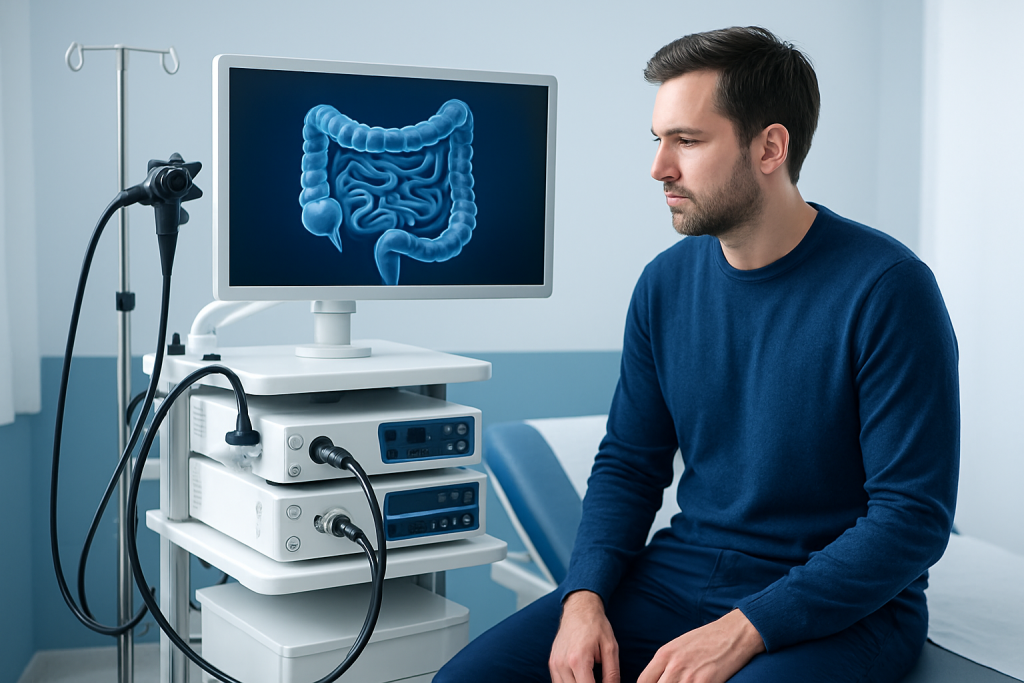
Small intestine disorders do not always produce the same symptoms, and some people experience only vague discomfort at first. A common pattern is recurring digestive upset that does not settle on its own. The symptom profile can also change depending on whether the problem is inflammatory, infectious, obstructive, or related to poor absorption.
Possible symptoms include:
- Abdominal pain or cramping
- Bloating or a feeling of fullness
- Diarrhea, sometimes persistent or recurrent
- Nausea or vomiting
- Unexplained weight loss
- Fatigue or weakness
- Signs of nutrient deficiency, such as anemia
- Blood in the stool or black stools in some conditions
Some symptoms can appear gradually, especially when the small intestine is not absorbing nutrients well. Others, such as severe pain, vomiting, or a swollen abdomen, may develop more suddenly and suggest an obstruction or another urgent problem. Even when symptoms are mild, a pattern that continues over time is worth medical review.
Causes & Risk Factors

The small intestine can be affected by a wide range of conditions. Some are inflammatory, such as Crohn’s disease; others are immune-related, such as celiac disease; and some arise from infection, medication effects, blood-flow problems, or physical blockage. Because several different diseases can look similar at first, careful evaluation matters.
Common causes and risk factors include:
- Autoimmune conditions such as celiac disease
- Inflammatory bowel disease, especially Crohn’s disease
- Intestinal infections
- Scar tissue or adhesions that can lead to obstruction
- Hernias or masses that narrow the bowel
- Prior abdominal surgery
- Long-term use of certain medicines, including some anti-inflammatory drugs
- Family history of digestive or autoimmune disease
Risk is not determined by one factor alone. A patient with abdominal surgery in the past may be more likely to develop adhesive obstruction, while someone with a family history of autoimmune disease may have a higher chance of celiac disease or related disorders. Lifestyle, diet, travel history, and immune health can also influence the picture, particularly for people seeking evaluation after symptoms begin abroad or during travel.
Diagnosis
Evaluating the small intestine usually begins with a detailed history and physical examination. A doctor will ask about stool changes, pain patterns, weight loss, appetite, travel, medications, surgery history, and any signs of anemia or nutrient deficiencies. These details help narrow down whether the concern is inflammation, malabsorption, infection, or blockage.
Testing may include blood work to look for anemia, inflammation, infection, or low nutrient levels. Stool tests can help assess infection or signs of bleeding. Imaging studies such as CT scans or MRI may be used when obstruction, inflammation, or structural disease is suspected. Endoscopic tests can allow direct visualization, and capsule endoscopy may be helpful when the issue lies deeper within the small bowel.
In some cases, a biopsy is needed to confirm a diagnosis, especially for celiac disease, Crohn’s disease, or unexplained malabsorption. For international patients, it is often helpful to bring prior test results, medication lists, and procedure reports so the receiving team can compare findings and avoid unnecessary repeat testing. That can make the evaluation more efficient and easier to coordinate across visits.
Treatment Options
Treatment depends on the cause, the severity of symptoms, and whether the person is having a short-term problem or a chronic condition. Some people improve with diet changes and targeted medication, while others may need endoscopic treatment or surgery. The goal is not only to relieve symptoms, but also to protect nutrition and prevent recurrence.
Medication may be used to treat inflammation, infection, acid-related irritation, or immune-driven disease. Patients with celiac disease usually need a strict gluten-free diet, while those with Crohn’s disease may need medicines that calm intestinal inflammation and support remission. If malabsorption has led to vitamin or mineral deficiencies, supplementation may be part of the plan.
When the intestine is blocked, narrowed, or damaged, procedures may be required. Endoscopic techniques can sometimes diagnose and treat certain lesions, and surgery may be needed for strictures, tumors, severe obstruction, or disease that does not respond to medical therapy. In the recovery phase, nutrition counseling is often valuable, particularly for patients traveling from another country who may need a clear follow-up plan before returning home.
Prevention & Self-care
Not every small intestine problem can be prevented, especially when the cause is autoimmune or inflammatory. Even so, sensible daily habits can reduce strain on the digestive system and help patients notice changes early. Paying attention to recurring symptoms is often one of the most useful forms of self-care.
Helpful measures may include:
- Eating a balanced diet that is appropriate for the diagnosed condition
- Staying hydrated, especially during diarrhea or vomiting
- Following prescribed diets carefully, such as a gluten-free plan for celiac disease
- Avoiding unnecessary use of medicines that can irritate the gut unless a doctor recommends them
- Tracking symptoms, stool patterns, and possible food triggers
- Keeping follow-up appointments to monitor nutrition and recovery
Because the small intestine is central to nutrient absorption, self-care also means watching for subtle signs of deficiency such as tiredness, hair changes, or muscle weakness. Patients recovering after treatment may need time to rebuild strength, and they should not rush diet changes or activity without medical guidance. Clear written instructions can be especially helpful when care continues across borders.
When to See a Doctor
Medical review is advisable when digestive symptoms persist, worsen, or begin to interfere with daily life. Ongoing abdominal pain, repeated diarrhea, unexplained weight loss, poor appetite, or signs of anemia should not be ignored, even if they come and go. Early assessment can help identify conditions before they lead to more serious nutrient problems or bowel complications.
Urgent evaluation is important if a person has severe abdominal pain, repeated vomiting, abdominal swelling, inability to pass stool or gas, black stools, or visible blood in the stool. These signs can suggest obstruction, bleeding, or significant inflammation. A prompt assessment is the safest next step.
For patients planning care internationally, a structured consultation can help clarify diagnosis, treatment options, and the expected follow-up after returning home. Acibadem Health Point’s multidisciplinary specialists and JCI-accredited hospitals diagnose and treat small intestine conditions for international patients, with care pathways designed to support evaluation, treatment, and recovery in a coordinated way.
Frequently asked questions
What does the small intestine do?
The small intestine completes most of the digestive process and absorbs nutrients from food. It also helps move remaining material toward the large intestine. When it is not working well, the whole body can feel the effect through fatigue, weight loss, or vitamin deficiencies.
What are common signs of a small intestine problem?
Common signs include abdominal pain, bloating, diarrhea, nausea, and unexplained weight loss. Some people also develop anemia or other nutrient deficiencies. Symptoms that persist or return often should be evaluated by a doctor.
Can small intestine problems be serious?
Some are mild and temporary, but others can be long-term or require prompt treatment. Conditions such as Crohn’s disease, celiac disease, obstruction, or bleeding can affect nutrition and overall health. A medical assessment helps determine the cause and the level of urgency.
How are small intestine disorders diagnosed?
Doctors usually start with a history, examination, blood tests, and stool tests. Depending on the suspected cause, they may also order imaging, endoscopy, capsule endoscopy, or a biopsy. The best test depends on the symptoms and what the team is trying to rule out.
Is diet always part of treatment?
Diet is often important, but not always the only treatment. Some conditions need medication, procedures, or surgery in addition to dietary changes. A doctor or dietitian can help match the plan to the diagnosis.
When should someone seek urgent care?
Severe abdominal pain, repeated vomiting, abdominal swelling, black stools, or blood in the stool should be assessed urgently. These symptoms can point to a blockage or bleeding. It is safer to seek prompt medical attention rather than wait.
References
- National Institute of Diabetes and Digestive and Kidney Diseases
- World Gastroenterology Organisation
- American College of Gastroenterology
- Mayo Clinic
- National Health Service
This article is for general information only and is not a substitute for professional medical advice. Please consult a qualified doctor about your individual situation.
Persistent digestive symptoms? Get evaluated in Turkey
JCI-accredited · board-certified surgeons · reply within 24h
Add us as a Preferred Source to see more of our trusted health content across Google Search, AI Overviews and Discover.