Gallbladder Removal: Procedure, Recovery and Risks

Key Takeaways
- Gallbladder removal is usually recommended when gallstones or gallbladder inflammation cause repeated symptoms or complications.
- Most gallbladder operations are done laparoscopically, which often means smaller incisions and a faster recovery.
- After surgery, digestion usually adapts well, though some people need time to adjust to certain foods.
- Persistent fever, worsening pain, jaundice, or vomiting after surgery should be reviewed by a doctor promptly.
- A clear diagnosis and pre-surgery planning can help patients traveling from abroad feel more prepared and comfortable.
Medically reviewed by the Acıbadem clinical team — August 19, 2026
Gallbladder removal, also called cholecystectomy, is a common operation used to treat painful gallstones and other gallbladder problems. Most people recover well and return to normal routines with the right guidance, follow-up, and gradual diet adjustments.
Overview
The gallbladder is a small organ tucked under the liver. Its main job is to store bile, a digestive fluid that helps the body break down fat. When the gallbladder becomes a source of repeated pain or inflammation, doctors may recommend removing it rather than trying to preserve a troubled organ.
Gallbladder removal is called cholecystectomy. It is one of the most common abdominal operations and is often performed because of gallstones, recurrent gallbladder attacks, or complications such as inflammation or blockage. For many patients, the decision comes after several painful episodes that disrupt meals, sleep, work, or travel plans.
For international patients, the process often begins with imaging and a surgical consultation, then moves into planning the hospital stay, recovery time, and follow-up once they return home. A good care plan does not only address the operation itself; it also prepares the patient for the days and weeks that follow.
Symptoms
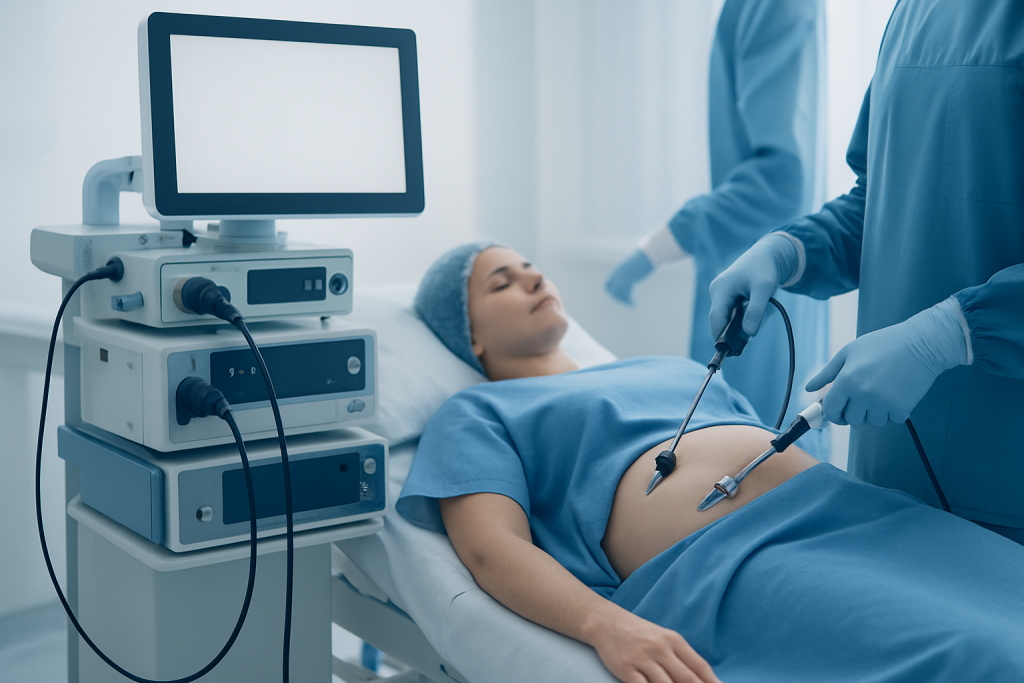
Gallbladder problems do not always announce themselves in the same way. Some people have no symptoms until a stone blocks bile flow or inflammation develops. Others notice a pattern long before surgery is discussed, with discomfort that appears after richer meals or during the night.
Common symptoms linked to gallbladder disease include:
- Pain in the upper right side of the abdomen or in the middle of the upper abdomen
- Pain that may spread to the back or right shoulder
- Nausea or vomiting, especially after eating
- Bloating, indigestion, or a feeling of heaviness after fatty meals
- Fever or chills when inflammation or infection is present
- Yellowing of the skin or eyes if a bile duct is blocked
Some attacks are brief and settle on their own, while others last longer and feel more intense. Because similar pain can come from the stomach, liver, pancreas, or heart, persistent symptoms should be assessed rather than assumed to be “just gallbladder trouble.”
Causes & Risk Factors
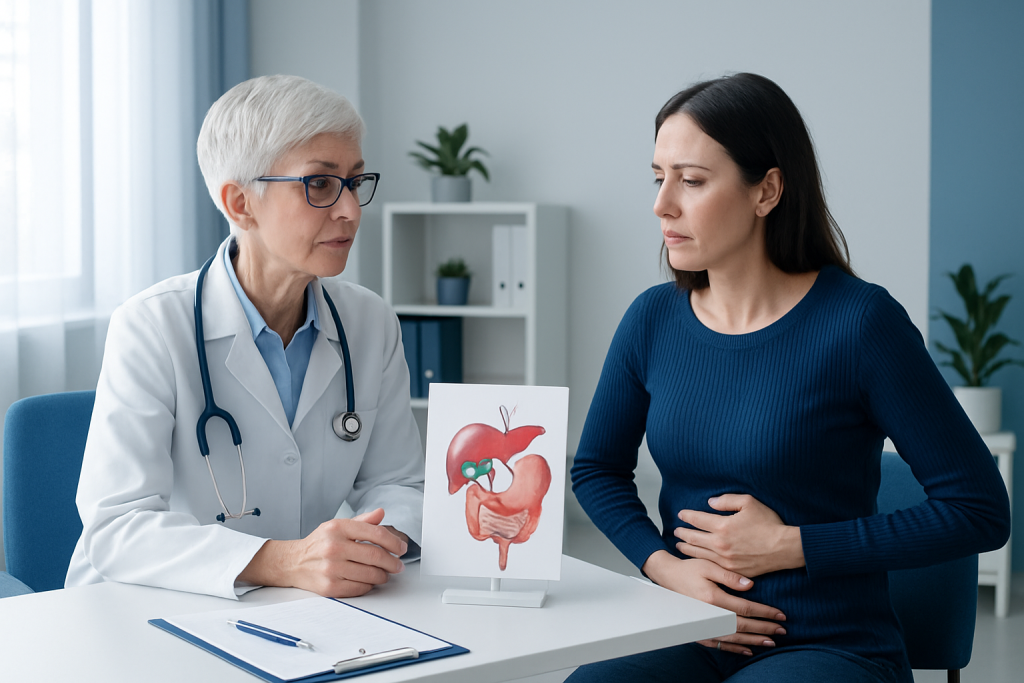
The most common reason for gallbladder removal is gallstones. These are hardened deposits that can form when bile contains too much cholesterol, bilirubin, or other substances that make stones more likely. A stone may remain quiet for a long time, but once it blocks the gallbladder outlet or travels into a duct, pain and inflammation can follow.
Other reasons for surgery include recurrent gallbladder inflammation, infection, sludge in the gallbladder, or less commonly growths and functional problems that cause ongoing symptoms. In some cases, removal is advised after a serious complication so that another emergency does not happen later.
Factors that can raise the chance of gallstones include family history, being overweight, rapid weight loss, pregnancy, certain diets, diabetes, and some blood conditions. Age and sex also influence risk, but gallbladder disease can affect adults across many backgrounds, including people who otherwise consider themselves healthy.
Diagnosis
Diagnosis usually starts with a careful history. A doctor will ask when the pain happens, where it is felt, how long it lasts, what foods seem to trigger it, and whether there are signs such as fever, vomiting, or jaundice. The pattern of symptoms often gives an important clue before any test is performed.
Ultrasound is the most common imaging test used to look for gallstones and signs of gallbladder inflammation. Blood tests may also be ordered to check for infection, liver function changes, and possible blockage of the bile ducts. In more complex situations, other scans may be used to understand the anatomy more clearly and guide treatment planning.
For patients coming from another country, this stage is especially valuable because it helps confirm whether surgery is truly needed and whether it can be scheduled routinely or should be addressed sooner. Clear diagnosis can reduce uncertainty and help the patient plan travel, companion support, and recovery time with greater confidence.
Treatment Options
When gallbladder symptoms are mild and temporary, doctors may first recommend observation, dietary changes, and medicines to ease discomfort. However, if gallstones keep causing attacks or the gallbladder becomes inflamed, removal of the gallbladder is often the most reliable long-term solution.
Most gallbladder removals are done laparoscopically. In this approach, the surgeon uses several small incisions and specialized instruments, which usually means less postoperative pain and a shorter recovery than open surgery. Open surgery may still be necessary in certain situations, such as severe inflammation, scar tissue, or technical difficulty during the procedure.
Before surgery, patients usually receive instructions about fasting, medicines, anesthesia, and what to expect on the day of the operation. After surgery, the hospital team monitors pain control, walking, food tolerance, and signs that recovery is progressing safely. In some cases, a short hospital stay is enough; in others, observation may be longer if the condition was more complicated.
Because every patient’s health profile is different, the final treatment plan should reflect the severity of symptoms, the type of gallbladder problem, and any other medical conditions. A surgeon can explain whether the operation is elective, recommended soon, or needed urgently.
Prevention & Self-care
Gallbladder removal itself cannot be prevented once surgery is clearly the best option, but some gallbladder problems may be less likely when weight is managed steadily and meals are balanced. Sudden weight loss, very low-fat fad diets, and long periods of fasting can sometimes encourage stone formation, so gradual, sustainable habits are usually preferred.
After surgery, self-care is centered on recovery and digestion. Many people do well by starting with lighter meals, drinking enough fluids, and reintroducing richer foods slowly. Fatty or very heavy meals may be less comfortable at first, but this usually improves as the body adapts.
- Walk gently as soon as the care team advises, since movement supports recovery.
- Follow wound-care and bathing instructions exactly as given.
- Take medicines only as prescribed or recommended by the surgical team.
- Keep follow-up appointments, especially if traveling home soon after treatment.
- Return to exercise, work, and driving only when medically cleared.
International patients often benefit from a written discharge plan that explains warning signs, diet stages, and who to contact after returning home. That extra structure can make recovery feel more predictable even when the patient is far from the hospital.
When to See a Doctor
A doctor should evaluate recurring right upper abdominal pain, especially if it follows meals, wakes the patient at night, or is joined by nausea and bloating. These symptoms do not always mean surgery is needed, but they do deserve a proper medical assessment.
After gallbladder removal, patients should seek prompt medical advice for fever, worsening abdominal pain, persistent vomiting, yellowing of the skin or eyes, trouble breathing, redness or drainage from the incision, or pain that does not improve as expected. These signs may point to a complication that should not be ignored.
People arranging care from abroad should ask in advance how urgent concerns will be handled after discharge and how test results or follow-up questions will be managed across time zones. Acibadem Health Point’s multidisciplinary specialists and JCI-accredited hospitals diagnose and treat gallbladder disease for international patients, with planning that supports both the procedure and the recovery journey.
Recovery and Living Without a Gallbladder
Life without a gallbladder is usually very manageable. Bile still reaches the intestines, but it flows in a steadier way rather than being stored and released in large amounts. For most people, digestion adapts over time and the body learns to handle food normally again.
The first few days after surgery often involve rest, short walks, and a gentler diet. Some people notice loose stools, gas, or sensitivity to heavier meals at first. These changes are often temporary, but the recovery pace varies, so patients should avoid comparing their progress too closely with someone else’s experience.
Recovery is also shaped by context. A patient healing at home in their own city has different needs from someone returning to another country after surgery. Having clear instructions for medications, activity limits, wound care, and follow-up makes the transition smoother and lowers unnecessary worry.
Outlook
The outlook after gallbladder removal is generally good when the surgery is performed for the right reason and recovery is properly monitored. Many people notice that the recurring pain and attacks that once shaped their daily routine are gone after healing is complete.
Some patients need a little more time to adjust their eating habits, especially after years of avoiding or reacting to certain foods. That adjustment is usually practical rather than dramatic, and it tends to improve with steady, sensible meals and follow-up guidance from the care team.
For the best long-term outcome, patients should keep their medical records, understand the reason for surgery, and know which symptoms should prompt a call to a doctor. A well-planned operation and a clear recovery roadmap often make all the difference.
Frequently asked questions
Why would a doctor recommend gallbladder removal?
Gallbladder removal is usually recommended when gallstones or gallbladder inflammation keep causing pain or lead to complications. If symptoms are recurring or the gallbladder is no longer functioning well, surgery may offer the most dependable long-term relief.
Is gallbladder removal always done with keyhole surgery?
No. Laparoscopic surgery is common, but open surgery may be needed in more complex cases. The surgeon chooses the safest approach based on inflammation, scarring, anatomy, and the patient’s overall health.
How long does recovery usually take?
Recovery varies, but many people resume light activity fairly soon after laparoscopic surgery and then gradually return to normal routines. More demanding activities may need to wait until the surgeon confirms healing is on track.
Will digestion be different without a gallbladder?
Most people digest food well after the body adapts. Some notice temporary looseness of stools or sensitivity to very fatty meals, especially early in recovery, but this often improves over time.
What foods should be avoided after surgery?
There is no universal banned food list, but many patients feel better starting with lighter meals and reintroducing richer foods slowly. If a particular food repeatedly causes discomfort, it is sensible to limit it and discuss the pattern with a doctor.
When should someone seek urgent help after surgery?
Urgent medical review is important for fever, worsening pain, repeated vomiting, jaundice, shortness of breath, or a wound that becomes red, swollen, or drains fluid. These symptoms can signal a complication that needs prompt assessment.
References
- National Institute of Diabetes and Digestive and Kidney Diseases
- Mayo Clinic
- Cleveland Clinic
- American College of Surgeons
- World Gastroenterology Organisation
This article is for general information only and is not a substitute for professional medical advice. Please consult a qualified doctor about your individual situation.
Explore treatments in Turkey — costs, top hospitals & a free quote
JCI-accredited · board-certified surgeons · reply within 24h
Add us as a Preferred Source to see more of our trusted health content across Google Search, AI Overviews and Discover.