Gallbladder Surgery

Key Takeaways
- Gallbladder surgery removes the gallbladder, most often because gallstones are causing symptoms or complications.
- Many patients have laparoscopic surgery, which usually means smaller incisions and a quicker recovery than open surgery.
- Digestive changes after surgery are often temporary, but some people need time to adjust to eating and bowel habits.
- Careful diagnosis helps determine whether symptoms are truly coming from the gallbladder or another digestive condition.
- Patients traveling for surgery should plan follow-up care, medication access, and recovery time before returning home.
Gallbladder surgery, usually called cholecystectomy, is a common procedure used to treat gallstones and other gallbladder problems that cause pain or complications. Understanding the reasons for surgery, the recovery process, and what to expect before and after the operation can help patients make calmer, better-informed decisions.
Overview
Gallbladder surgery is one of the most familiar operations in digestive care, yet patients often come to it with very practical questions: Is the gallbladder really the source of the pain? Will life feel different without it? How long will recovery take, especially if treatment is happening far from home?
The procedure is usually called cholecystectomy, and it means removing the gallbladder, a small organ that stores bile. The operation is most commonly recommended when gallstones or inflammation lead to repeated symptoms, complications, or a risk of future problems. For many people, surgery is the step that ends recurring attacks and restores a more predictable daily routine.
Because gallbladder problems can mimic other digestive conditions, the decision for surgery is usually made after a careful review of symptoms, imaging, and overall health. In international-patient care, that review also includes planning around travel, recovery support, and follow-up timing so the patient can return home with a clear, safe plan.
Symptoms
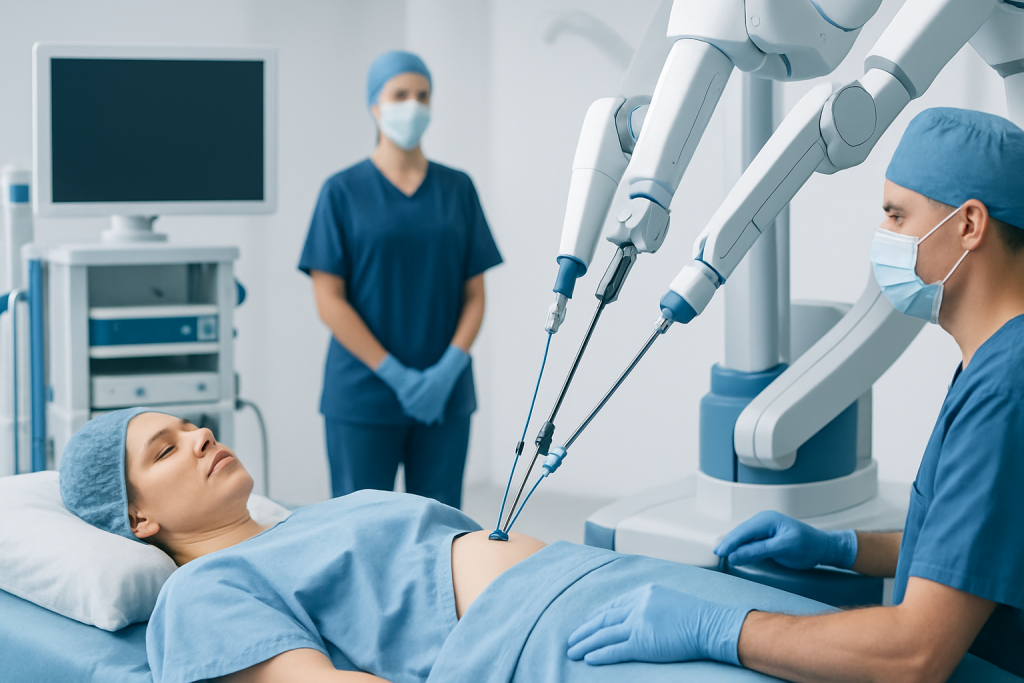
Gallbladder trouble often announces itself in a very specific way, although the pattern can vary from person to person. Many patients describe a steady pain in the upper right abdomen or the middle of the upper belly, sometimes after a fatty meal. The discomfort may spread to the back or right shoulder, and it can come with nausea, bloating, or a feeling of fullness.
Some people have short, repeated attacks that ease on their own, while others develop more constant pain when inflammation is present. If the gallbladder becomes infected or blocked, symptoms can become more intense and may include fever, jaundice, or vomiting. Those findings need prompt medical assessment because they can signal a complication rather than simple gallstones.
It is also important to remember that not every upper abdominal symptom comes from the gallbladder. Indigestion, ulcers, liver conditions, and even heart-related problems can sometimes cause overlapping discomfort. That is why a proper evaluation matters before surgery is recommended.
Causes & Risk Factors
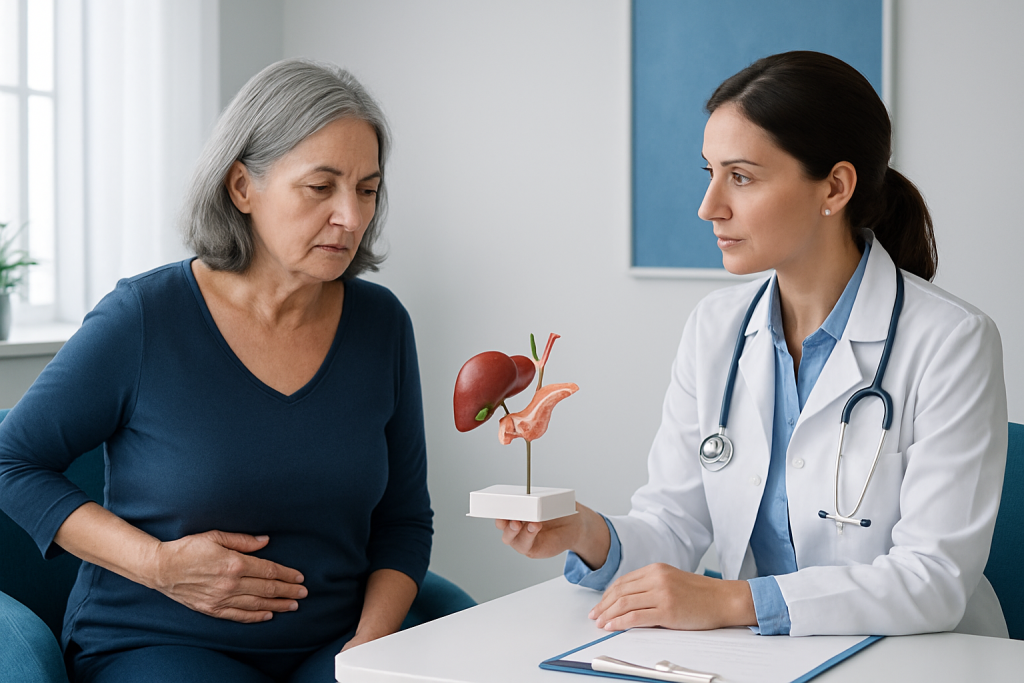
The most common reason for gallbladder surgery is gallstones. These are hardened deposits that can form when the balance of substances in bile changes. Some gallstones never cause trouble, but others block the flow of bile and trigger pain, inflammation, or infection.
Risk is influenced by several factors, including body weight, age, family history, pregnancy, certain diets, rapid weight loss, and some medical conditions that affect how bile is made or stored. Women are generally more likely to develop gallstones than men, although anyone can be affected. People with a history of biliary colic or gallbladder inflammation are also more likely to be advised to consider surgery.
In some cases, the gallbladder is removed for reasons other than stones. Recurrent inflammation, gallbladder polyps of concern, or rare structural problems may lead a specialist to recommend cholecystectomy. The exact cause and urgency depend on the patient’s symptoms, test results, and overall condition.
Diagnosis
Before surgery is planned, doctors usually confirm that the gallbladder is the most likely source of symptoms. This often begins with a conversation about the pain pattern, meal triggers, past episodes, and any signs such as fever or jaundice. A physical examination helps identify tenderness or clues that point toward inflammation.
Imaging is often central to the diagnosis. An abdominal ultrasound is commonly used to look for gallstones, gallbladder wall thickening, or blockage. Depending on the situation, doctors may also order blood tests to check for inflammation, infection, or signs that the bile ducts are affected.
When the diagnosis is not straightforward, additional imaging or specialist review may be needed. This extra step is especially useful for patients coming from abroad, because it helps ensure that the operation is targeted to the right problem and that the expected recovery plan is realistic before travel arrangements are finalized.
Treatment Options
For symptomatic gallstones and many other gallbladder disorders, surgery is the main treatment. The most common approach is laparoscopic gallbladder surgery, performed through several small incisions with the help of a camera. This method usually allows less postoperative pain, a shorter hospital stay, and a faster return to routine activities than open surgery.
In some situations, an open operation is needed instead. This may happen if there is significant inflammation, scarring from prior surgery, bleeding, or another technical reason that makes laparoscopy less suitable. The choice is not a failure of care; it is simply the approach that best matches the anatomy and safety needs of the moment.
During the procedure, the gallbladder is separated from surrounding structures and removed. Most patients do not need the gallbladder to digest food in daily life, because bile continues to flow from the liver into the intestines. After surgery, the body usually adapts well, though some people notice temporary changes in digestion or bowel habits.
Non-surgical treatment may be considered in limited cases, especially if symptoms are mild, surgery is not safe right away, or the diagnosis is uncertain. However, medicines and diet changes do not usually remove gallstones once they are causing repeated problems. A specialist can explain whether watchful waiting or surgery is the more appropriate path.
Prevention & Self-care
Not every gallbladder problem can be prevented, but a few practical habits may lower risk or reduce symptom flare-ups in people already known to have gallstones. Maintaining a stable, healthy weight and avoiding rapid weight loss can be helpful. Some patients also find that smaller, lighter meals are easier on the digestive system than very rich or greasy ones.
If surgery is planned, preparation makes recovery smoother. Patients are usually advised to ask in advance about fasting, medication adjustments, and which routine drugs should be paused before the procedure. It is also wise to arrange transportation, a companion for the first day after discharge, and a place to rest for several days without major obligations.
For international patients, self-care includes more than wound care. It can be useful to leave with written instructions, a summary of the operation, a contact person for questions, and a plan for local follow-up at home. These details make it easier to handle normal recovery issues without unnecessary stress once travel resumes.
- Follow the surgeon’s eating and medication instructions closely after surgery.
- Increase activity gradually rather than rushing back to strenuous exercise.
- Watch the incision sites for changes in redness, swelling, or drainage.
- Seek clarification if bowel habits, pain, or appetite are not improving as expected.
When to See a Doctor
Anyone with recurring upper abdominal pain, especially after meals, should discuss symptoms with a doctor rather than assuming it is simple indigestion. Repeated attacks, nausea with pain, or a known history of gallstones deserve proper evaluation because symptoms can worsen over time.
Urgent medical review is important if pain becomes severe, if fever develops, if the skin or eyes turn yellow, or if vomiting prevents fluids from staying down. These may be signs of a blocked bile duct or gallbladder infection, both of which need prompt attention.
After surgery, patients should contact their care team if they have increasing pain, persistent fever, worsening redness around the incisions, shortness of breath, or difficulty drinking enough fluids. Clear instructions about warning signs are especially valuable for patients who will continue recovery in another country, where the original surgical team may need to coordinate with local doctors.
Acibadem Health Point’s multidisciplinary specialists and JCI-accredited hospitals diagnose and treat gallbladder conditions for international patients, with attention to surgery planning, recovery, and follow-up across borders.
Recovery and Life After Surgery
Recovery after gallbladder surgery depends on the operation type and the patient’s overall health. After laparoscopic surgery, many people are able to walk the same day and return to light daily activities within a short period, while open surgery generally requires a longer healing phase. Even with a smooth recovery, it is normal for energy levels to build gradually rather than all at once.
Diet often returns step by step. Some patients feel well with a normal diet soon after surgery, while others do better introducing richer foods more slowly. Temporary loose stools, gas, or a sense of digestive adjustment can occur as the body adapts to the continuous flow of bile.
Follow-up helps make sure healing is progressing well and gives patients a chance to discuss any lingering symptoms. For people traveling internationally, this stage is especially important because it confirms when flying, work, exercise, and routine medications can safely resume. A clear discharge plan helps the transition home feel less uncertain and more manageable.
Frequently asked questions
Why is gallbladder surgery done?
It is most often done when gallstones or gallbladder inflammation cause repeated pain or complications. Surgery removes the source of the problem rather than only easing symptoms temporarily.
Can a person live normally without a gallbladder?
Yes. The liver still makes bile, and it continues to flow into the intestine, so digestion usually works well without the gallbladder. Some people need time to adjust their diet and bowel habits after surgery.
Is laparoscopic gallbladder surgery always possible?
No. Laparoscopic surgery is common, but open surgery may be safer in some cases, especially if there is severe inflammation or scarring. The surgeon chooses the approach that best fits the situation on the day of surgery.
How long does recovery usually take?
Recovery varies with the type of operation and the patient’s general health. Many people recover faster after laparoscopic surgery, while open surgery usually needs more time and more gradual activity changes.
What foods should be avoided after gallbladder surgery?
There is no single diet that fits everyone, but some people feel better starting with lighter meals and limiting very greasy foods at first. A doctor or dietitian can help tailor advice to the individual recovery pattern.
When should a patient contact a doctor after surgery?
A doctor should be contacted if pain gets worse, fever appears, the incision looks infected, or vomiting and poor fluid intake continue. Yellowing of the skin or eyes also needs prompt medical review.
References
- National Institute of Diabetes and Digestive and Kidney Diseases
- American College of Surgeons
- Mayo Clinic
- World Health Organization
This article is for general information only and is not a substitute for professional medical advice. Please consult a qualified doctor about your individual situation.
More from the Health Library



Related Specialists

Psk. Psychologist Gözde Genç İşleyen
Clinical Psychology
Prof. Dr. M. Nadir Şener
Orthopedic Surgery & Traumatology
Dr. Muzaffer Ağır
Orthopedic Surgery & Traumatology
Dr. Ahmet Kurt
Internal Medicine