

Back Brace And

Key Takeaways
- Back braces are supportive tools, not cures, and they work best when used for a specific medical reason.
- Different brace designs support different parts of the back, from the lower lumbar area to the upper spine.
- Proper fit matters because a brace that is too loose or too tight may be uncomfortable and less effective.
- A doctor or physiotherapist can help decide whether a brace is appropriate and how long it should be worn.
- Exercises, posture habits, and follow-up care are often important alongside brace use.
A back brace can help support the spine, limit painful movement, and make daily activity more manageable during certain back conditions. It is most useful when chosen for the right reason, fitted properly, and used as part of a broader treatment plan.
Overview
A back brace is an external support worn around the trunk to help stabilize the spine, reduce strain, and limit movement that may worsen pain or injury. Some braces are soft and flexible, while others are more rigid and designed to hold the back in a more controlled position.
People may hear different names for these devices, including lumbar support, spinal orthosis, or orthopedic brace. Although the term sounds technical, the purpose is simple: to help the spine rest, heal, or move more safely while the underlying condition is evaluated or treated.
For international patients, a brace is often part of a larger plan that may include imaging, specialist review, physiotherapy, and a clear schedule for follow-up. It is usually not meant to replace care, but to support recovery while the team looks at the bigger picture.
Symptoms and Situations Where a Back Brace May Be Considered
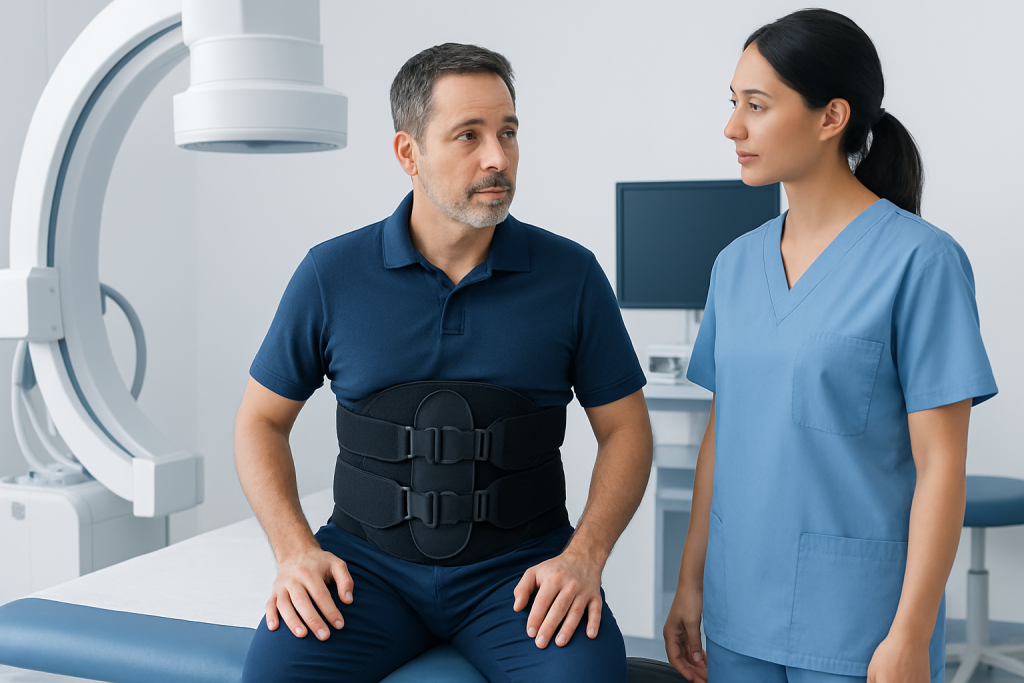
A back brace is sometimes recommended when movement needs to be limited for a period of time. This may be the case after certain spinal injuries, during recovery from surgery, or when back pain is made worse by lifting, twisting, or prolonged standing.
It may also be used in selected cases of spinal deformity, fracture, muscle weakness, or instability. In children and adolescents, some braces are used to help manage scoliosis, while in adults they may support the lower back after disc-related pain or a flare of degenerative conditions.
Common reasons a clinician may consider brace use include:
- Lower back pain that worsens with movement
- Recovery after spinal surgery
- Stable spinal fractures that need support
- Certain cases of scoliosis or posture-related instability
- Temporary support during rehabilitation
Not every back pain problem benefits from a brace. In some cases, too much support can reduce activity, which may slow recovery if it is used without guidance.
Causes and Risk Factors

Back braces are not used for one single diagnosis. They are considered when the spine needs help because of mechanical stress, structural change, or temporary weakness. The underlying cause may be a Knee Pain Relief: Causes and Treatment" class="ahp-ilk">Pain Relief" class="ahp-ilk">sports injury, age-related wear and tear, osteoporosis, disc problems, post-operative healing, or a condition affecting spinal alignment.
Risk factors that may lead a doctor to think about brace support include heavy physical work, poor lifting mechanics, reduced bone strength, previous spine surgery, and recurrent episodes of back pain. A person’s age, posture, activity level, and medical history all matter when deciding whether support will be helpful.
It is also important to know that pain alone does not automatically mean a brace is the right answer. Care teams usually look at the pattern of pain, physical examination findings, and imaging results before recommending one.
Diagnosis and How Doctors Decide on Brace Use
Before recommending a back brace, a doctor usually reviews symptoms, examines how the spine moves, and asks about daily activities, injury history, and any neurologic complaints such as numbness or weakness. If needed, imaging tests such as X-rays, MRI, or CT scans may be used to better understand the cause.
The goal is to match the brace to the problem. A rigid brace may be chosen when stronger restriction is needed, while a softer support may be enough for short-term comfort and guidance during movement.
In many cases, physiotherapists or rehabilitation specialists help assess posture, gait, muscle balance, and the best way to use the brace without becoming overly dependent on it. For patients traveling from abroad, this review is especially important because the plan should be clear enough to continue safely after returning home.
Treatment Options
Back brace treatment is usually one part of a broader orthopedic plan. Depending on the condition, treatment may also include pain-relief strategies, activity modification, physiotherapy, guided exercise, or, in some cases, surgery.
Braces vary widely. Soft lumbar supports are often used for comfort and mild stabilization. Semi-rigid or rigid braces provide more control and are commonly used after injury or surgery. Specialized braces may be designed for scoliosis or other alignment concerns.
Doctors generally give instructions about when to wear the brace, how long to use it, and when it should be removed for hygiene, sleep, or exercises. The timing matters, because the brace should support recovery rather than replace all movement for an extended period unless a specialist has specifically advised that approach.
Typical treatment goals include:
- Reducing painful motion
- Protecting healing tissues
- Improving posture and alignment
- Supporting safe return to activity
- Giving pain enough relief to start rehabilitation
In some cases, an adjustment to the brace fit is needed over time, especially if swelling changes, body shape changes, or the patient begins moving more comfortably.
Prevention and Self-care
Self-care can make brace use more effective. Keeping the brace clean and dry, wearing the recommended underlayer if advised, and checking the skin for redness or rubbing are all practical habits that help prevent discomfort.
It also helps to follow movement guidance closely. Many people do better when they continue gentle walking, prescribed stretches, or strengthening exercises rather than resting completely. Posture awareness, safe lifting techniques, and regular breaks from sitting can further reduce strain on the spine.
For people recovering away from home, carrying the written brace plan, exercise instructions, and follow-up schedule is useful. This makes it easier for local healthcare providers to continue care if needed after travel.
Helpful self-care steps often include:
- Use the brace exactly as prescribed
- Inspect skin daily for pressure areas
- Do recommended exercises consistently
- Avoid unplanned heavy lifting or twisting
- Ask about brace adjustments if discomfort develops
When to See a Doctor
Medical review is important if back pain is severe, lasts longer than expected, or follows a fall, accident, or lifting injury. A doctor should also be contacted if pain comes with numbness, weakness, fever, unexplained weight loss, or difficulty controlling the bladder or bowels.
Anyone already using a brace should seek guidance if the brace causes skin breakdown, worsens pain, feels unstable, or makes breathing or movement difficult. A brace that no longer fits properly may need adjustment rather than continued use.
People who are unsure whether a brace is appropriate should not guess. An orthopedic or rehabilitation specialist can help decide whether support is needed at all, and if so, what kind will best match the condition and the person’s daily life.
At Acibadem Health Point, multidisciplinary specialists and JCI-accredited hospitals diagnose and treat back conditions for international patients, with care plans designed to support both treatment and follow-up.
Living With a Back Brace During Recovery
Adjusting to a back brace often takes a few days. Some people notice relief quickly, while others need time to get used to the feel of the brace and the new movement limits it creates. Clear instructions and realistic expectations make the process easier.
Recovery is usually smoother when the brace is seen as one tool among several. Pain control, movement retraining, and regular reassessment all help the back heal in a way that supports long-term function rather than short-term comfort alone.
For patients traveling internationally, a good brace plan should be practical enough to continue at home. That means knowing how to wear it, how to care for the skin, when to reduce use, and which symptoms should prompt a follow-up visit.
Frequently Asked Questions
What does a back brace actually do?
A back brace helps support the spine and limit movements that may aggravate pain or slow healing. It can also improve posture and provide a sense of stability during recovery.
Can a back brace make the back weaker?
If used longer than recommended without exercise or rehabilitation, any support device can contribute to reduced muscle use. That is why brace use is usually combined with movement and strengthening when appropriate.
Should a back brace be worn all day?
Not always. The wear schedule depends on the condition, the type of brace, and the doctor’s plan, so it is best to follow individualized instructions.
Is a soft brace as good as a rigid one?
They serve different purposes. Soft braces are often used for mild support and comfort, while rigid braces are chosen when stronger immobilization is needed.
Can someone sleep in a back brace?
Some patients are advised to do so, but many are not. The decision depends on the condition being treated and the specialist’s instructions.
When should a brace be checked again?
A brace should be reviewed if pain changes, the fit becomes poor, or skin irritation appears. Follow-up is also important when the recovery plan changes.
Frequently asked questions
What is the main purpose of a back brace?
The main purpose is to support the spine and limit movements that may worsen pain or delay healing. It is usually used as part of a broader treatment plan rather than as a stand-alone solution.
How does a doctor decide which back brace is needed?
The choice depends on the diagnosis, the area of the spine involved, and how much support is needed. A clinician may also consider comfort, mobility, and how long the brace will be worn.
Can a back brace help with everyday back pain?
It may help in selected cases, especially when pain is linked to movement or a temporary strain. However, long-term or unexplained pain should be assessed so the cause is treated correctly.
What should someone do if the brace feels uncomfortable?
Mild adjustment discomfort can happen at first, but persistent pain, rubbing, or skin irritation should be reported. The brace may need refitting or a different design.
Do back braces replace exercise or physiotherapy?
No, they usually do not. Exercise and physiotherapy often remain important for restoring strength, flexibility, and safe movement after the initial support phase.
Is it safe to buy a back brace without seeing a doctor?
A simple support may be available over the counter, but it is better to ask a doctor if the pain is severe, repeated, or linked to injury. Professional guidance helps avoid using the wrong type of support for the wrong problem.
References
- American Academy of Orthopaedic Surgeons
- National Institute of Arthritis and Musculoskeletal and Skin Diseases
- Mayo Clinic
- NHS
- World Health Organization
This article is for general information only and is not a substitute for professional medical advice. Please consult a qualified doctor about your individual situation.
More from the Health Library



Related Specialists

Prof. Dr. Ahmet Alanay
Orthopedic Surgery & Traumatology
Dr. Sinan Aksu
Orthopedic Surgery & Traumatology
Dr. Sirri Baştürk
Orthopedic Surgery & Traumatology
Prof. Dr. Korhan Özkan
Orthopedic Surgery & Traumatology