Autonomic Dysfunction

Key Takeaways
- Autonomic dysfunction affects involuntary body functions such as blood pressure, heart rate, and digestion.
- Symptoms may include dizziness, fainting, palpitations, fatigue, sweating changes, and digestive discomfort.
- It can be linked to other conditions such as diabetes, autoimmune disease, infections, or nerve injury.
- Diagnosis often combines a careful history, physical examination, and targeted autonomic testing.
- Treatment is usually individualized and may include lifestyle measures, medicines, and management of the underlying cause.
Autonomic dysfunction, also called dysautonomia, affects the part of the nervous system that quietly manages heart rate, blood pressure, digestion, temperature, and other automatic body functions. Because symptoms can vary widely, understanding the pattern matters more than any single complaint.
Overview
Autonomic dysfunction is a broad term for problems in the autonomic nervous system, the network that keeps many body functions running without conscious effort. It helps regulate heart rate, blood pressure, breathing patterns, digestion, bladder activity, body temperature, and sweating.
When this system does not work smoothly, symptoms may appear in several different organs at once. A person may feel lightheaded when standing, unusually tired after minor activity, or “off” in ways that are hard to describe. That variety is one reason autonomic dysfunction is sometimes recognized only after other causes have been considered.
For many patients, the main challenge is not one dramatic symptom but the day-to-day unpredictability of the condition. A clear diagnosis can help connect the dots, guide treatment, and reduce the uncertainty that often comes before specialist evaluation.
Symptoms
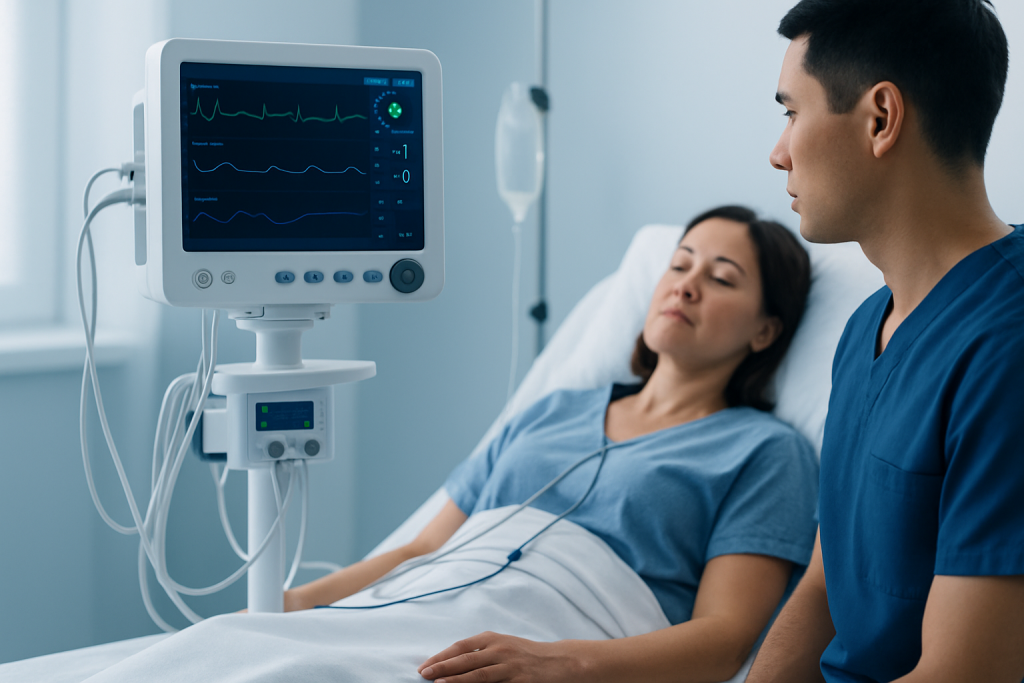
Autonomic dysfunction does not look the same in every person. Some people notice symptoms mainly when they stand up, while others experience digestive, urinary, temperature-regulation, or heart-rate issues more prominently.
Common symptoms may include:
- Lightheadedness or fainting, especially after standing
- Fast heartbeat, palpitations, or a feeling that the heart is “racing”
- Fatigue, weakness, or reduced exercise tolerance
- Nausea, bloating, constipation, diarrhea, or early fullness
- Unusual sweating, dry skin, or sensitivity to heat and cold
- Blurred vision, brain fog, or difficulty concentrating
- Urinary urgency, retention, or other bladder changes
Symptoms may worsen after dehydration, prolonged standing, hot environments, large meals, illness, or stress. In some people, the pattern is stable; in others, it fluctuates from day to day, which can make the condition feel confusing and difficult to explain.
Causes & Risk Factors

Autonomic dysfunction can appear on its own or as part of another medical condition. The autonomic nervous system may be affected by nerve injury, immune-related processes, metabolic problems, or certain medications, but sometimes no single cause is found right away.
Conditions and factors that may be associated with autonomic dysfunction include diabetes, autoimmune disorders, Parkinsonian syndromes, post-viral illness, spinal cord or nerve injury, amyloidosis, alcohol-related nerve damage, and vitamin deficiencies. Some patients develop symptoms after a significant infection, surgery, or prolonged period of inactivity.
Risk can also be higher when blood volume is low, fluid intake is inadequate, or there is an underlying issue affecting nerves or the cardiovascular system. A specialist usually looks for both the direct trigger and any broader condition that may be contributing to the body-wide pattern of symptoms.
Diagnosis
Diagnosis usually starts with a detailed medical history. Clinicians ask when symptoms began, what makes them better or worse, whether standing triggers them, and whether there are digestive, urinary, or sweating changes. A medication review is important because some drugs can mimic or worsen autonomic symptoms.
Depending on the presentation, evaluation may include blood tests, electrocardiogram, blood pressure measurements in different positions, and tests that assess how the heart and blood vessels respond to changes in posture. In selected cases, doctors may recommend tilt-table testing, autonomic reflex testing, heart-rate variability studies, or other specialized assessments.
Because autonomic symptoms can overlap with many other conditions, the goal is not only to confirm dysfunction but also to identify the pattern behind it. That may involve neurology, cardiology, endocrinology, or other specialties working together, especially when the person is seeking care from another country and needs a coordinated plan for diagnosis and follow-up.
Treatment Options
Treatment is tailored to the underlying cause, the body systems involved, and how disruptive the symptoms are in daily life. When a treatable cause is found, such as a nutritional deficiency, medication effect, or another disease, addressing that problem is often the first step.
Many patients also benefit from symptom-focused care. This may include advice on fluid and salt intake, compression garments, gradual physical conditioning, and strategies to reduce symptoms when standing or after meals. If medicines are used, the choice depends on the person’s blood pressure pattern, heart rate, and symptom profile; a doctor will decide which option is appropriate.
Other supportive measures may be recommended for sleep problems, gastrointestinal symptoms, bladder issues, or fatigue. In more complex cases, treatment is best planned by a multidisciplinary team so that each symptom is managed without worsening another part of the autonomic system.
Prevention & Self-care
Autonomic dysfunction cannot always be prevented, especially when it is linked to another medical condition. Even so, day-to-day habits can make symptoms easier to live with and may reduce flare-ups.
Helpful self-care strategies may include:
- Drinking fluids regularly throughout the day
- Avoiding long periods of standing when possible
- Rising slowly from sitting or lying positions
- Eating smaller meals if large meals worsen symptoms
- Using cooling strategies in hot weather
- Following a doctor-guided exercise plan that starts gently
International patients may need extra planning around travel, time zones, and follow-up appointments. Bringing a symptom diary, medication list, and recent test results can help a specialist understand the full picture quickly and build a practical plan for care after returning home.
When to See a Doctor
Medical evaluation is important if dizziness, fainting, palpitations, or unexplained fatigue keeps recurring, interferes with daily activities, or appears alongside digestive, urinary, or sweating changes. Symptoms that seem mild at first can still deserve attention if they are persistent or steadily becoming more disruptive.
Prompt care is especially important if fainting occurs, if there is chest pain, shortness of breath, neurological symptoms, or if symptoms began after a new medication, infection, or injury. A doctor can help determine whether autonomic dysfunction is the right explanation or whether another condition needs to be addressed first.
For people traveling for care, a well-organized evaluation can make a major difference. Acibadem Health Point’s multidisciplinary specialists and JCI-accredited hospitals diagnose and treat autonomic dysfunction for international patients with coordinated, patient-centered care. Any treatment plan should be reviewed with a qualified doctor who knows the full medical history.
Living With Autonomic Dysfunction
Living with autonomic dysfunction often means learning the body’s signals and planning around them rather than trying to push through every symptom. Keeping track of standing tolerance, meal-related symptoms, hydration, and sleep patterns can reveal practical triggers and help clinicians refine treatment.
Support from the right specialists can also reduce the burden of uncertainty. When symptoms are assessed in a structured way, many patients find that the condition becomes more manageable, even when it is long-term. The goal is usually not perfection, but steadier days and fewer interruptions to normal life.
Patients who are receiving care across borders may benefit from a clear follow-up plan before traveling home. Written instructions, a summary of testing, and guidance on when to seek re-evaluation can make the transition safer and smoother.
Frequently asked questions
Is autonomic dysfunction the same as dysautonomia?
Yes, dysautonomia is a common term for autonomic dysfunction. Both describe problems with the autonomic nervous system, which controls automatic body functions such as blood pressure, heart rate, digestion, and temperature regulation.
Can autonomic dysfunction go away on its own?
Sometimes symptoms improve if the underlying cause is temporary or treatable, such as dehydration, a medication effect, or recovery after illness. In other cases, symptoms may be longer term and need ongoing management.
What kind of doctor diagnoses autonomic dysfunction?
Neurologists often lead the evaluation, but cardiologists, endocrinologists, and other specialists may also be involved. The best doctor depends on which symptoms are most prominent and whether another condition may be contributing.
What tests are used for autonomic dysfunction?
Doctors may use blood pressure checks in different positions, heart rhythm tests, blood tests, and specialized studies such as tilt-table testing. The exact workup depends on the symptoms and the suspected cause.
Can stress make autonomic dysfunction worse?
Stress does not usually cause the condition by itself, but it can make symptoms more noticeable or harder to control. Good sleep, hydration, paced activity, and a tailored treatment plan can help reduce flare-ups.
Is autonomic dysfunction dangerous?
It can be mild or more serious depending on the cause and which body systems are affected. Recurrent fainting, chest pain, shortness of breath, or rapidly worsening symptoms should always be evaluated by a doctor.
References
- National Institute of Neurological Disorders and Stroke
- Cleveland Clinic
- Mayo Clinic
- NHS
- American Academy of Neurology
This article is for general information only and is not a substitute for professional medical advice. Please consult a qualified doctor about your individual situation.