

Autonomic Dysreflexia

Key Takeaways
- Autonomic dysreflexia usually affects people with spinal cord injuries at or above T6, though it can occasionally occur in related neurologic conditions.
- A sudden headache, flushing, sweating, and nasal congestion may be early clues, but the most important finding is a rapid blood pressure rise.
- Common triggers include bladder distension, constipation, skin irritation, tight clothing, and other noxious stimuli below the level of injury.
- Immediate action focuses on sitting upright, loosening restrictive items, checking for triggers, and seeking urgent medical help if symptoms do not settle quickly.
- Prevention depends on a reliable bladder and bowel routine, skin care, and a personalized plan created with the patient’s rehabilitation or neurology team.
Autonomic dysreflexia is a potentially serious reflex reaction that can cause a sudden rise in blood pressure in people with spinal cord injuries, usually at or above the mid-thoracic level. Recognizing the warning signs quickly and addressing the trigger can help prevent complications and support safer long-term care.
Overview
Autonomic dysreflexia is a medical emergency that can happen in people with spinal cord injury, especially when the injury is at or above the T6 level. It is a sudden, overactive reflex response from the nervous system that can drive blood pressure up quickly while the body’s normal balancing signals cannot respond in the usual way.
For a person living with spinal cord injury, the condition can appear during daily life rather than in a dramatic hospital setting. A blocked catheter, a full bladder, constipation, a pressure sore, or even a tight strap can be enough to trigger it. Because the warning signs may be mistaken for pain, anxiety, or fatigue, education and a clear action plan are essential.
International patients who travel for rehabilitation or follow-up care often benefit from having this plan written down before they return home. Knowing which symptoms matter most, when to seek urgent help, and how to explain the condition to local clinicians can make day-to-day life safer and more predictable.
Symptoms
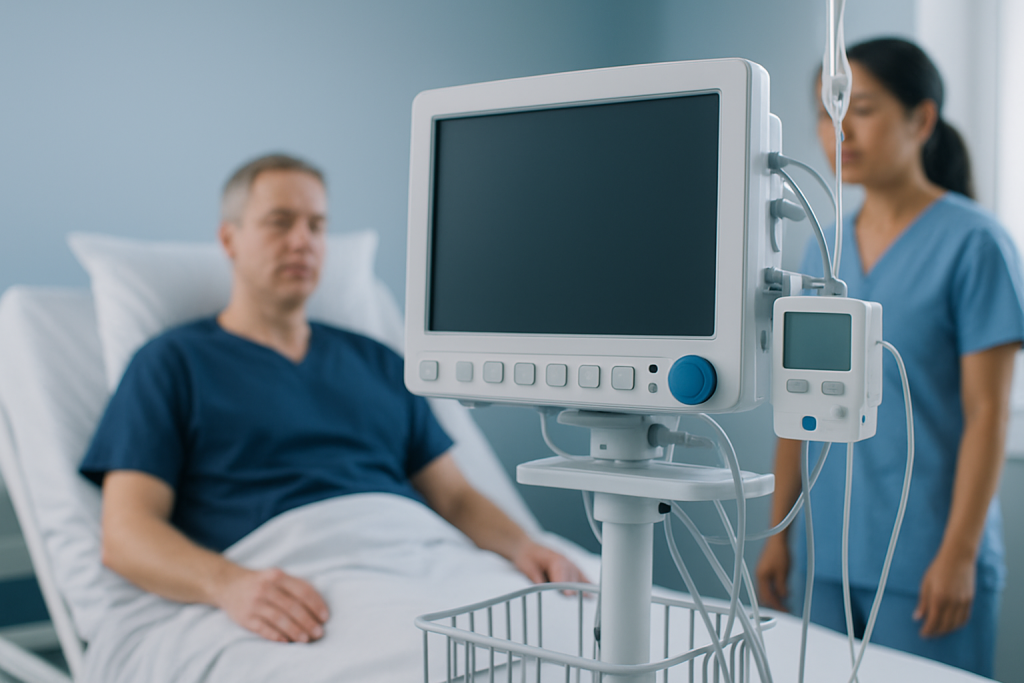
The most recognizable feature of autonomic dysreflexia is a sudden rise in blood pressure. This may occur with a pounding headache, flushed skin above the level of injury, sweating, or a sense that something is suddenly wrong. Some people also notice a slow pulse, blurred vision, anxiety, or nasal congestion.
Symptoms can look different from one person to another, and not everyone experiences the same pattern each time. In some cases, the early signs are subtle, especially in people who are used to living with sensory changes after spinal cord injury. Even a mild episode deserves attention because the blood pressure rise can become severe very quickly.
- Sudden, intense headache
- Sweating above the level of injury
- Redness or flushing of the face, neck, or chest
- Nasal stuffiness
- Blurred vision or feeling faint
- Bradycardia, or a slower-than-usual pulse
If the person can measure blood pressure at home, a reading that is much higher than their usual baseline supports the diagnosis. However, treatment should not wait for repeated measurements if the symptoms are strongly suggestive and a trigger is likely present.
Causes & Risk Factors

Autonomic dysreflexia begins when the nervous system receives a painful or irritating signal below the spinal cord injury. Because the normal nerve pathways are interrupted, the body cannot regulate the response properly. Blood vessels tighten, blood pressure rises, and the brain receives only a limited ability to correct the surge.
Bladder problems are the most common trigger. A blocked urinary catheter, bladder overfilling, urinary tract infection, or stones can all provoke an episode. Bowel-related triggers are also frequent, particularly constipation or rectal irritation during bowel care.
Other common triggers include skin pressure, ingrown toenails, burns, fractures, menstrual discomfort, hemorrhoids, sexual activity, and tight clothing or medical devices. The risk is higher in people with injuries at or above T6, but the condition may also be seen in some people with other upper spinal cord lesions or related neurologic disorders.
Risk tends to increase when routine care is disrupted. Travel, changes in caregivers, delays in catheter supplies, altered bowel routines, or pressure from sitting for long periods can all make episodes more likely. For that reason, prevention is often as important as emergency response.
Diagnosis
Autonomic dysreflexia is diagnosed mainly by recognizing the symptom pattern and linking it to a likely trigger in someone with spinal cord injury. Clinicians usually begin by checking blood pressure immediately and comparing it with the person’s usual baseline, because a rise that may look modest in another patient can be significant here.
The next step is to look for the source of irritation below the level of injury. This often includes checking the bladder first, reviewing catheter function, assessing bowel status, and inspecting the skin for pressure injuries, ingrown nails, or other sources of discomfort. A careful physical examination is often more useful than broad testing in the initial moments.
Depending on the situation, the care team may order urine tests, imaging, or other studies to identify infection, stones, or bowel obstruction. In someone with recurrent episodes, a more detailed rehabilitation review may be needed to refine bladder, bowel, seating, and skin-care plans. Clear documentation of previous triggers can make later diagnosis faster, especially when the patient is receiving care in another country.
Treatment Options
Treatment begins immediately by reducing the body’s blood pressure response and removing the trigger. The person is usually helped into an upright position, which can lower blood pressure by using gravity. Tight clothing, binders, and compression garments are loosened, and a calm, focused assessment follows.
Because the bladder is such a common source, catheter function is checked early. If a catheter is kinked or blocked, restoring drainage can resolve the episode. If bowel impaction or rectal irritation is suspected, the team may address that carefully, using a gentle and informed approach so the trigger does not worsen.
In some cases, medication may be needed to lower blood pressure if it remains dangerously elevated after the trigger is addressed. The choice of medicine depends on the clinical setting, the person’s usual blood pressure, and whether they are in the hospital, rehabilitation center, or at home. These decisions should be guided by a qualified clinician familiar with spinal cord injury care.
Ongoing treatment may also involve rehabilitation medicine, urology, neurology, wound care, and physiotherapy. For international patients, coordination matters: discharge summaries, catheter instructions, bowel protocols, and warning signs should be shared in a form that can be understood by local doctors after travel.
Prevention & Self-care
The best prevention is a routine that keeps the common triggers under control. That usually means consistent bladder emptying, regular bowel care, careful skin checks, and avoiding prolonged pressure from seating, braces, or clothing. A predictable daily pattern is often more protective than trying to manage symptoms after they start.
People living with spinal cord injury often benefit from a written autonomic dysreflexia plan. This may include the person’s usual blood pressure range, the most likely triggers, emergency steps, contact numbers, and instructions for caregivers. If the patient is traveling, carrying this plan in a smartphone note and printed copy can be very helpful.
- Keep catheter and bowel routines consistent
- Check skin daily for redness, sores, or pressure points
- Avoid tight straps, seams, or poorly fitted equipment
- Maintain hydration as advised by the care team
- Report urinary changes, constipation, or recurrent headaches promptly
Education of family members and caregivers is especially valuable. They should know that headache, sweating, or flushing in a person with high spinal cord injury is not something to ignore, even if the person seems otherwise stable. Early action often prevents a minor trigger from becoming a more serious episode.
When to See a Doctor
Anyone with spinal cord injury who develops symptoms suggestive of autonomic dysreflexia should seek urgent medical attention, especially if blood pressure is not quickly returning toward baseline. A severe headache, chest symptoms, vision changes, confusion, or persistent sweating are reasons to treat the episode as time-sensitive.
Medical review is also important after any recurrence, even if the episode settles. Repeated events often mean there is an unresolved trigger such as bladder infection, constipation, skin injury, or a problem with seating or equipment. Identifying the pattern can reduce future episodes and improve quality of life.
Patients who are preparing for surgery, long-distance travel, pregnancy care, urologic procedures, or bowel programs should tell their clinicians about a history of autonomic dysreflexia in advance. In the right setting, multidisciplinary specialists can help with diagnosis and treatment, and Acibadem Health Point’s JCI-accredited hospitals support international patients who need coordinated care for spinal cord injury-related complications.
Frequently asked questions
Who is most at risk for autonomic dysreflexia?
It is most common in people with spinal cord injury at or above the T6 level. The risk is especially important when the bladder, bowel, or skin is irritated below the level of injury. People with related neurologic conditions may also be affected in some circumstances.
Why does autonomic dysreflexia happen?
It happens because a stimulus below the spinal cord injury triggers an intense nervous system response. The body tries to react to pain or irritation, but the normal control pathways are interrupted, so blood pressure can rise sharply. That is why finding and removing the trigger is central to treatment.
What should someone do first during an episode?
The person should be moved upright if possible and any tight clothing or straps should be loosened. Then the bladder, catheter, bowel status, and skin should be checked for common triggers. If symptoms do not settle promptly or blood pressure remains high, urgent medical help is needed.
Can autonomic dysreflexia be prevented?
Many episodes can be reduced with a consistent bladder and bowel routine, good skin care, and proper seating or equipment fit. A written plan helps caregivers respond quickly and consistently. Even with good prevention, some people may still have occasional episodes.
Is autonomic dysreflexia the same as anxiety or pain?
No. Although it can feel alarming, it is a distinct medical response that often occurs because of a physical trigger below the injury level. Anxiety may happen during the episode, but it should not be assumed to be the cause.
Can someone fly or travel if they have had autonomic dysreflexia?
Many people can travel, but preparation matters. They should carry a summary of their spinal cord injury, known triggers, medications, and emergency steps, and arrange supplies for bladder and bowel care. A pre-travel discussion with their doctor is wise, especially if episodes have been recent or difficult to control.
References
- National Institute of Neurological Disorders and Stroke
- Spinal Cord Injury Association
- American Spinal Injury Association
- World Health Organization
This article is for general information only and is not a substitute for professional medical advice. Please consult a qualified doctor about your individual situation.
More from the Health Library



Related Specialists

Ody. Audiometrist Buse Nur Akbulak
Audiology
Dr. Ali Alper Yüksel
Radiology
Prof. Dr. Yüksel Ersoy
Physical Medicine & Rehabilitation
Sevim Korkmaz
Physical Medicine & Rehabilitation