What Is Narcolepsy

Key Takeaways
- Narcolepsy is a neurological sleep disorder, not simply poor sleep or laziness.
- Excessive daytime sleepiness is the most common symptom, but sudden muscle weakness and vivid dream-like experiences can also occur.
- Diagnosis usually involves a sleep history, overnight testing, and daytime sleep studies to distinguish narcolepsy from other causes of tiredness.
- Treatment often combines medication, regular sleep habits, planned naps, and lifestyle adjustments.
- People with ongoing sleep attacks or unexplained cataplexy should be evaluated by a qualified doctor.
Narcolepsy is a chronic sleep disorder that affects the brain’s ability to regulate sleep and wakefulness. It can cause overwhelming daytime sleepiness and other symptoms that may disrupt school, work, travel, and safety, but it is often manageable with the right medical care and daily strategies.
Overview
Narcolepsy is a long-term disorder of the nervous system that makes it difficult for the brain to control the normal boundaries between sleep and wakefulness. A person may feel fully awake one moment and irresistibly sleepy the next, even in situations that require attention, such as meetings, classes, driving, or airport transfers after a long trip.
This condition is often misunderstood because its most visible sign is daytime sleepiness, but narcolepsy is more than feeling tired. It can also affect muscle control, nighttime sleep quality, and the way dreams and wakefulness overlap. For international patients considering evaluation or treatment abroad, a clear diagnosis can be especially helpful because symptoms are easy to confuse with jet lag, stress, depression, or other sleep problems.
Narcolepsy is typically divided into two main types. Type 1 includes cataplexy, which is a sudden, brief loss of muscle tone often triggered by emotions. Type 2 does not involve cataplexy, though it still causes significant sleepiness and may be equally disruptive in daily life.
Symptoms
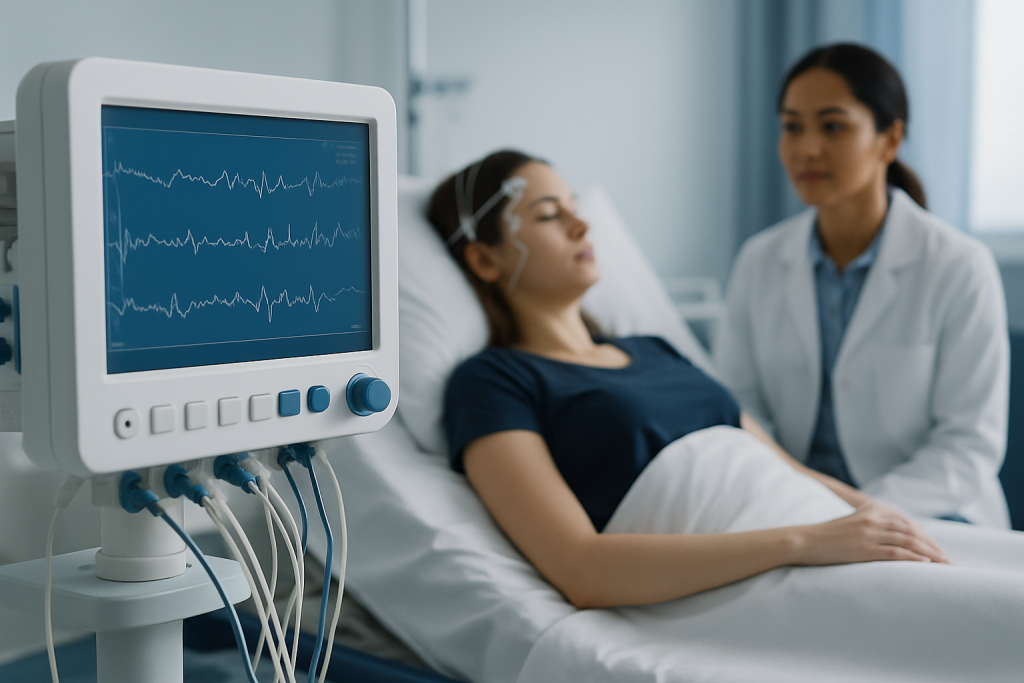
The hallmark symptom is excessive daytime sleepiness. This is not ordinary fatigue; it is a persistent, hard-to-control need to sleep that can lead to brief sleep episodes at inappropriate times. Some people describe “sleep attacks,” while others notice that their concentration drops suddenly and they feel as though they cannot stay alert.
Other symptoms may appear alongside daytime sleepiness, and not everyone experiences the same pattern. These can include:
- Cataplexy: sudden weakness in the face, jaw, knees, or other muscles, often brought on by laughter, surprise, or strong emotion
- Sleep paralysis: a temporary inability to move when falling asleep or waking up
- Vivid dream-like hallucinations as sleep begins or ends
- Fragmented nighttime sleep and frequent awakenings
- Automatic behavior, such as continuing an activity with little awareness while briefly asleep
In children and adults alike, symptoms can be subtle at first. A person may be called inattentive, unmotivated, or “always tired” before narcolepsy is considered. Because the condition can affect memory, mood, and safety, it deserves medical attention even when the symptoms seem intermittent.
Causes & Risk Factors

The exact cause of narcolepsy depends on the type, but it generally involves disruption in the brain systems that regulate sleep and wakefulness. In many cases of type 1 narcolepsy, the brain loses cells that produce hypocretin, also called orexin, a chemical that helps maintain alertness and stable sleep-wake rhythms.
Researchers believe this loss may be linked to an autoimmune process, meaning the body’s immune system may mistakenly affect those brain cells. Type 2 narcolepsy is less clearly understood and may have multiple contributing factors. Genetics may play a role, but narcolepsy is usually not inherited in a simple pattern.
Known risk factors and associations can include:
- A family history of narcolepsy or certain immune-related traits
- Neurological or immune changes that affect sleep regulation
- Occasionally, injury or disease affecting the areas of the brain involved in sleep
Narcolepsy is not caused by character weakness, poor discipline, or “not trying hard enough” to sleep normally. Understanding this helps reduce stigma and makes it easier for people to seek a proper evaluation.
Diagnosis
Diagnosis usually starts with a detailed medical and sleep history. A doctor may ask how long the sleepiness has been present, whether naps are refreshing, whether muscle weakness occurs with emotion, and whether nighttime sleep is disturbed. Bringing a sleep diary or notes from a travel companion, partner, or family member can be especially helpful if the person has noticed symptoms from another country or during a period of frequent jet lag.
Because many conditions can cause daytime sleepiness, testing is often needed to distinguish narcolepsy from sleep deprivation, sleep apnea, medication effects, depression, or other disorders. Common tests include:
- Overnight polysomnography, which records sleep patterns, breathing, and other body functions
- Multiple Sleep Latency Test (MSLT), performed the next day to measure how quickly a person falls asleep and whether REM sleep occurs unusually early
- In some cases, laboratory evaluation of hypocretin levels or other targeted assessments
Before testing, a doctor may review medications, caffeine use, shift-work schedules, and recent travel, since these can influence results. A careful workup matters because treatment is more effective when the diagnosis is accurate and the subtype is correctly identified.
Treatment Options
Treatment is usually personalized and may include medication, behavior changes, and practical safety planning. The goal is not only to reduce sleepiness, but also to help the person function more predictably during work, study, travel, family life, and driving decisions. Many patients do best with a combination approach rather than a single solution.
Medicines may be used to improve wakefulness, manage cataplexy, or stabilize nighttime sleep. The choice depends on the symptom pattern, age, other medical conditions, and possible interactions with existing treatments. A doctor may also adjust therapy over time, especially if symptoms change or if the person is recovering after travel, schedule shifts, or another health issue.
Non-medication measures are just as important and often include:
- Scheduled short naps, when possible
- Consistent sleep and wake times
- Limiting alcohol and sedating substances
- Careful planning for driving, long-distance travel, and tasks that require sustained alertness
- Communicating with employers, schools, or family members about predictable rest breaks
For international patients, it can be useful to discuss how medication access, follow-up visits, and sleep-study results will be coordinated after returning home. Narcolepsy care often works best when the medical team anticipates those practical details from the start.
Prevention & Self-care
Narcolepsy itself cannot usually be prevented, but symptoms can often be managed more smoothly with steady routines. Good sleep habits do not cure the condition, yet they can make daytime alertness more reliable and reduce the feeling of being constantly out of sync.
Helpful self-care strategies include creating a regular bedtime routine, keeping the bedroom dark and quiet, and avoiding large amounts of caffeine late in the day. Some people find that exercise, planned naps, and structured work or study schedules improve day-to-day function. Others benefit from breaking demanding tasks into shorter segments and using reminders or checklists to support concentration.
Safety deserves special attention. Until the condition is well controlled, people may need to be cautious about driving, operating machinery, swimming alone, or taking part in activities where a sudden sleep episode could be dangerous. Family members, teachers, and coworkers can often help by understanding that narcolepsy is a medical disorder requiring accommodations rather than discipline.
When to See a Doctor
Medical evaluation is important when daytime sleepiness is frequent, unexplained, or affecting safety and quality of life. If a person repeatedly falls asleep during conversations, meals, meetings, or while driving, the symptoms should not be dismissed as stress or a busy schedule.
Prompt assessment is also important if there is sudden muscle weakness with emotion, repeated sleep paralysis, or vivid hallucinations around sleep. These symptoms can strongly suggest narcolepsy, especially when they occur together with long-standing daytime sleepiness.
Anyone who is worried about sleep attacks, school or work performance, or the impact of symptoms on travel and daily independence should speak with a doctor, ideally one with experience in sleep medicine or neurology. For patients seeking care abroad, Acibadem Health Point’s multidisciplinary specialists and JCI-accredited hospitals can help diagnose and treat narcolepsy for international patients in a coordinated setting.
Living With Narcolepsy
Living with narcolepsy often means planning life a little differently, not giving up the activities that matter. Many people continue to study, work, raise families, and travel successfully once their symptoms are understood and managed. The most useful adjustments are usually practical ones: keeping a stable schedule, building in rest, and knowing which situations require extra caution.
Support can also make a major difference. A person may benefit from explaining the condition to trusted relatives, teachers, or employers so that expectations are realistic and safety is protected. When narcolepsy is recognized early, people often feel relieved to have an explanation for symptoms that were once confusing or embarrassing.
Because the condition can change over time, regular follow-up is worthwhile. A doctor can help reassess symptoms, refine treatment, and address issues such as medication timing, mood concerns, or sleep disruption after travel or schedule changes.
Frequently asked questions
What is narcolepsy in simple terms?
Narcolepsy is a sleep disorder that makes it hard for the brain to regulate sleep and wakefulness. A person may become very sleepy during the day and, in some cases, experience sudden muscle weakness or dream-like symptoms around sleep.
Is narcolepsy the same as being tired all the time?
No. Ordinary tiredness usually improves with rest, while narcolepsy causes a persistent and often sudden need to sleep that can happen at inconvenient or unsafe times. It is a neurological condition, not a sign of low motivation.
Can narcolepsy be cured?
There is no simple cure in most cases, but the condition can often be managed well. Treatment usually combines medication, sleep routines, and safety planning to reduce symptoms and improve daily life.
How is narcolepsy diagnosed?
Doctors usually begin with a sleep history and then use overnight and daytime sleep testing to confirm the diagnosis. These tests help distinguish narcolepsy from sleep apnea, sleep deprivation, medication side effects, and other causes of fatigue.
Does narcolepsy affect driving?
It can, because sudden sleep episodes or reduced alertness may increase risk. A person should speak with a doctor about driving safety and follow local rules and medical advice before getting behind the wheel.
Can children have narcolepsy?
Yes, narcolepsy can occur in children as well as adults. In younger people, it may first look like poor attention, frequent naps, or changes in behavior, so a careful evaluation is important.
References
- National Institute of Neurological Disorders and Stroke
- Mayo Clinic
- Sleep Foundation
- American Academy of Sleep Medicine
- National Sleep Foundation
This article is for general information only and is not a substitute for professional medical advice. Please consult a qualified doctor about your individual situation.