Meninges

Key Takeaways
- The meninges are three protective layers around the brain and spinal cord.
- They help cushion the central nervous system and support blood vessels and cerebrospinal fluid.
- Inflammation or bleeding involving the meninges can cause serious neurological symptoms.
- Diagnosis often relies on imaging, laboratory tests, and a careful neurological examination.
- Prompt medical evaluation is important when severe headache, fever, neck stiffness, or sudden neurological changes occur.
The meninges are the thin, layered membranes that surround and protect the brain and spinal cord. Understanding their structure and the conditions that can affect them helps patients recognize symptoms early and seek appropriate care.
Overview
The meninges are the body’s natural protective coverings for the brain and spinal cord. They form a layered envelope that helps shield delicate nervous tissue from injury while also supporting normal circulation of cerebrospinal fluid and blood vessels.
There are three layers: the dura mater, arachnoid mater, and pia mater. Each layer has a different texture and role, but together they create a stable environment for the central nervous system. When people hear the word “meninges,” it is often in the context of meningitis, but these membranes are important in many other neurological conditions as well.
For patients deciding where to seek care, it can help to think of the meninges as part of a broader neurological system rather than a stand-alone structure. Symptoms that seem simple, such as headache or neck discomfort, can sometimes reflect irritation of these membranes and may need a more detailed medical assessment.
Symptoms of Meningeal Irritation or Disease
The meninges themselves do not usually create noticeable sensations when they are healthy. Symptoms appear when they become inflamed, irritated, stretched, or involved in bleeding or other disease processes. The pattern can vary depending on the cause and how quickly it develops.
Common warning signs may include a severe or unusual headache, fever, neck stiffness, sensitivity to light, nausea, vomiting, confusion, or drowsiness. In some situations, there may also be seizures, weakness, trouble speaking, or a rash. Sudden onset of these symptoms deserves prompt attention because several meningeal conditions can progress quickly.
- Headache that feels different from a person’s usual headaches
- Neck stiffness or pain when moving the head
- Fever or flu-like illness with neurological symptoms
- Light sensitivity, confusion, or reduced alertness
- New weakness, speech difficulty, or seizure activity
Not every headache points to a meningeal problem, and many causes are less serious. Still, the combination of headache with fever, neck stiffness, or changes in thinking is one of the clearer reasons to seek medical care without delay.
Causes & Risk Factors
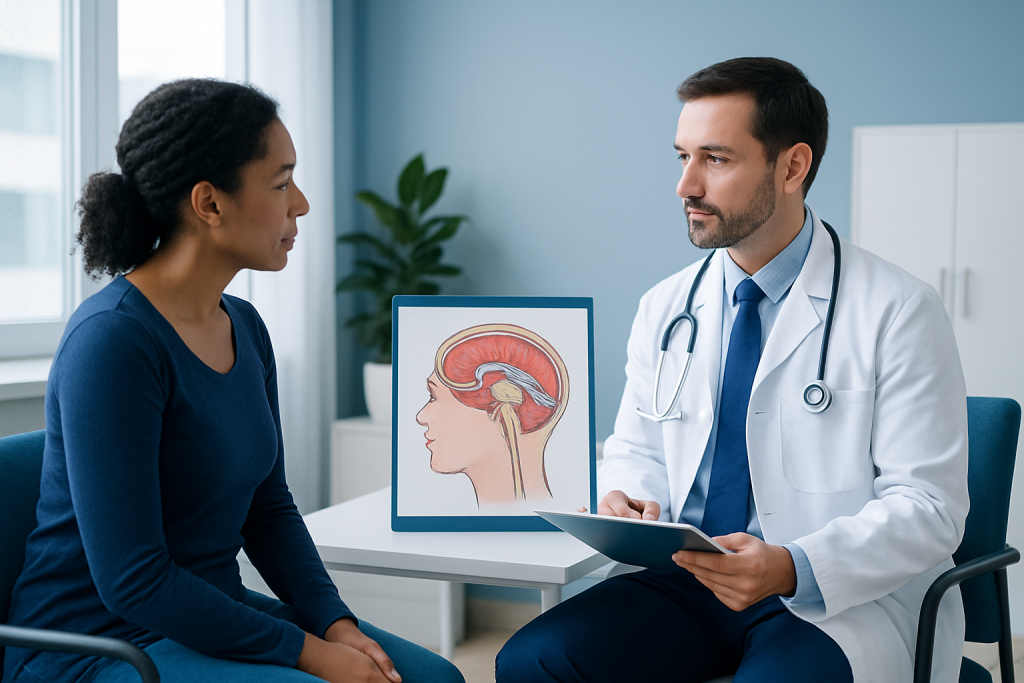
The meninges can be affected by infection, bleeding, cancer, autoimmune disease, trauma, and complications of other neurological disorders. The most widely recognized condition is meningitis, which is inflammation of the meninges and may be caused by viruses, bacteria, fungi, or, less commonly, other organisms. Subarachnoid hemorrhage, a type of bleeding around the brain, can also irritate the meninges and produce sudden severe headache.
Risk factors depend on the underlying condition. People with weakened immune systems, recent head injury, certain medical implants, close contact with infected individuals, or incomplete vaccination against some infections may be at higher risk for meningeal disease. In some settings, age and travel history also matter, particularly when exposure patterns differ across countries.
For international patients, it is especially useful to bring any recent test results, vaccination records, medication lists, and a timeline of symptoms. That background helps clinicians distinguish between infection, bleeding, autoimmune inflammation, and other causes that may look similar at first glance.
Diagnosis
Because many meningeal conditions can resemble one another, diagnosis usually begins with a careful history and neurological examination. A clinician looks for fever, neck stiffness, rash, mental status changes, cranial nerve findings, and signs that suggest pressure changes or bleeding in the brain.
Imaging such as CT or MRI may be used when bleeding, mass effect, or other structural problems are a concern. If infection or inflammation is suspected, a lumbar puncture may be recommended to analyze cerebrospinal fluid. Blood tests can also help identify infection, inflammation, or clues to an underlying disorder.
The choice and order of tests depend on the patient’s symptoms and stability. In urgent situations, doctors may prioritize tests that quickly exclude life-threatening causes before moving to more detailed studies. This stepwise approach helps guide treatment safely and efficiently.
Treatment Options
Treatment depends entirely on the cause. Bacterial meningitis usually requires urgent hospital-based antibiotic therapy and close monitoring. Viral meningitis may improve with supportive care, although some viral infections require specific antiviral treatment. Fungal or tuberculous involvement needs targeted medication and longer follow-up, often in specialized care settings.
When meningeal irritation is caused by bleeding, treatment focuses on controlling the source of bleeding, monitoring brain pressure, and preventing complications. Autoimmune or inflammatory conditions may require corticosteroids or other immune-modifying medicines. Pain control, hydration, rest, and treatment of fever or nausea may also be part of care.
Patients traveling for treatment should expect that the plan may change after test results are reviewed. A neurologist, infectious disease specialist, radiologist, and sometimes a neurosurgeon may all be involved, especially when the diagnosis is uncertain or the symptoms are significant.
Prevention & Self-care
Some meningeal conditions can be reduced through prevention, although not all causes are avoidable. Vaccination against certain infections, good hand hygiene, prompt treatment of ear or sinus infections, and seeking care for head injuries are practical steps that can lower risk in some situations.
Self-care is mainly supportive and should never replace medical assessment when warning signs are present. Rest, hydration, and careful observation of symptoms may be appropriate for mild illnesses already reviewed by a doctor. However, people should avoid driving or traveling alone if they feel confused, weak, or unusually unwell.
After treatment, recovery may involve follow-up visits, repeat imaging or laboratory tests, and gradual return to normal activities. International patients often benefit from a written discharge plan that explains medication changes, warning signs, and how to coordinate follow-up once they return home.
When to See a Doctor
Medical evaluation is important if a headache is severe, unusually persistent, or occurs with fever, neck stiffness, rash, confusion, or light sensitivity. Sudden neurological changes such as weakness, trouble speaking, seizure, or reduced consciousness should be treated as urgent.
It is also wise to seek assessment after a significant head injury, especially if symptoms are delayed or worsening. People with weakened immunity, recent neurosurgery, or known exposure to meningitis should have a lower threshold for consultation.
For patients considering care abroad, clear communication about symptom timing, medications, and prior evaluations can speed diagnosis. Acibadem Health Point’s multidisciplinary specialists and JCI-accredited hospitals diagnose and treat conditions affecting the meninges for international patients, with coordinated support across neurology, imaging, and related specialties.
Living With a Meningeal Condition
Some meningeal disorders are temporary and resolve with treatment, while others require longer-term monitoring. Recovery often depends on how quickly the cause was identified, whether complications occurred, and how well the underlying condition responds to therapy.
Patients may need follow-up for headache control, hearing or vision concerns, memory changes, or fatigue after a serious episode. Rehabilitation can be useful if there has been weakness, balance difficulty, or reduced endurance. A gradual return to work, travel, and exercise is usually more comfortable than trying to resume full activity too soon.
The most useful long-term strategy is a shared one: understand the cause, know the warning signs, and keep follow-up appointments. When that happens, many patients regain confidence and move forward with a clearer sense of what to watch for and when to ask for help.
Frequently asked questions
What are the meninges?
The meninges are three protective layers that surround the brain and spinal cord. They help cushion the central nervous system, support blood vessels, and contain cerebrospinal fluid pathways.
Why are the meninges important in medicine?
They are important because several serious conditions involve these membranes, especially meningitis and bleeding around the brain. Symptoms can overlap with other problems, so the meninges are often considered during neurological evaluation.
What symptoms suggest the meninges may be affected?
Severe headache, fever, neck stiffness, light sensitivity, confusion, and vomiting are common concerns. Sudden weakness, seizure, or trouble speaking may suggest an urgent neurological problem and need immediate medical attention.
How do doctors check for a problem involving the meninges?
Doctors may use a neurological exam, imaging such as CT or MRI, blood tests, and sometimes a lumbar puncture to analyze cerebrospinal fluid. The exact tests depend on the symptoms and the suspected cause.
Can meningeal conditions be treated?
Yes, treatment depends on the cause and may include antibiotics, antiviral medicine, supportive care, steroids, or procedures to manage bleeding or pressure. Early diagnosis generally makes treatment safer and more effective.
When should someone seek emergency care?
Emergency care is recommended for sudden severe headache, fever with neck stiffness, confusion, seizure, weakness, or a rapid change in alertness. These symptoms can signal a condition that needs urgent evaluation.
References
- World Health Organization
- Centers for Disease Control and Prevention
- National Institute of Neurological Disorders and Stroke
- Mayo Clinic
- Merck Manual Professional Edition
This article is for general information only and is not a substitute for professional medical advice. Please consult a qualified doctor about your individual situation.