

Arm Sling

Key Takeaways
- An arm sling helps support the arm, shoulder, or elbow so healing structures are protected and movement is limited.
- It is commonly used after fractures, dislocations, sprains, soft tissue injuries, and some orthopedic procedures.
- Correct fit matters: the arm should be supported comfortably, with the hand positioned as advised by a clinician.
- A sling is helpful, but it is usually part of a broader treatment plan that may include imaging, medication, physical therapy, or surgery.
- Persistent pain, numbness, swelling, color change, or worsening function should be reviewed by a doctor.
An arm sling is a simple support device that helps keep the arm and shoulder rested after injury, surgery, or strain. Used correctly, it can reduce discomfort, protect healing tissues, and make daily movement safer while recovery begins.
Overview
An arm sling is often the first practical step after an upper-limb injury. It keeps the arm close to the body, limits unnecessary motion, and gives irritated tissues a chance to settle. For many patients, this simple support makes the difference between a painful day and one that feels manageable.
Clinicians may recommend a sling after a fracture, dislocation, sprain, shoulder strain, or certain surgeries involving the shoulder, upper arm, elbow, or collarbone. It can also be used temporarily while a diagnosis is being confirmed, especially when an X-ray or exam suggests that movement should be reduced right away.
Although a sling is easy to place, its purpose is more than comfort. In the right situation, it helps protect alignment, reduce strain on muscles and ligaments, and prevent a patient from using the injured arm too soon. The key is that the sling should support recovery without replacing proper medical assessment.
Symptoms and situations that may call for a sling
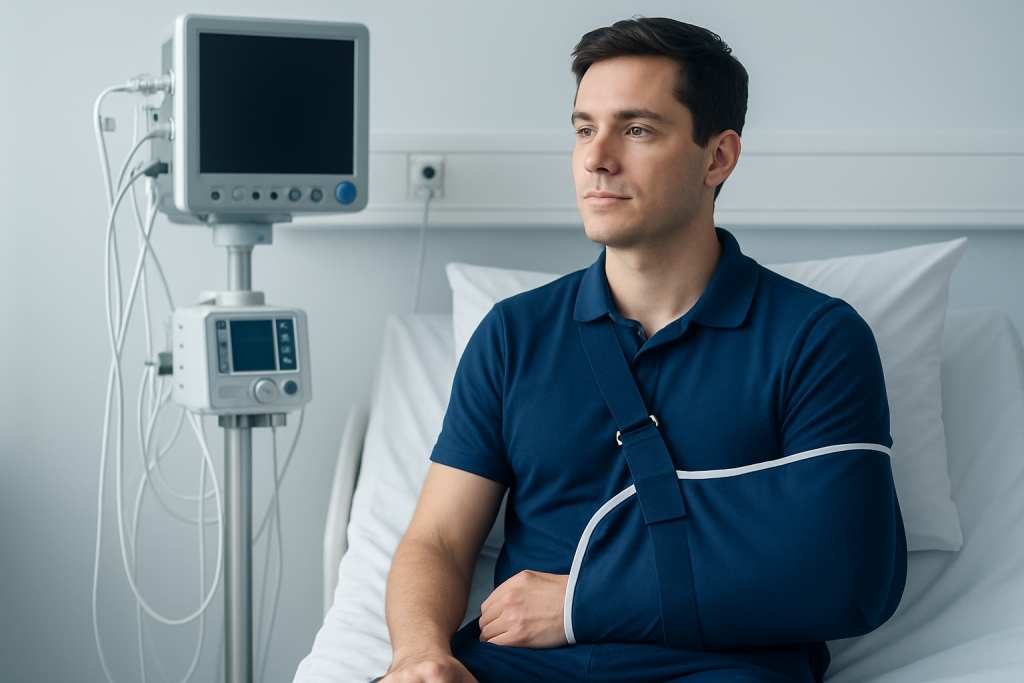
An arm sling is not a diagnosis; it is a support tool used when symptoms or an injury pattern suggest that the arm should be rested. People often notice pain when lifting the arm, tenderness around the shoulder or elbow, swelling, or difficulty finding a position that feels comfortable.
Typical situations include a broken collarbone, a shoulder dislocation after a fall, a stable upper-arm fracture, a rotator cuff or soft tissue injury, or recovery after orthopedic surgery. Children and adults may also be given a sling after a Knee Pain Relief: Causes and Treatment" class="ahp-ilk">Pain Relief" class="ahp-ilk">sports injury, depending on the location and severity of the problem.
Common signs that a clinician may consider when deciding about sling use include:
- Pain that increases with arm movement
- Visible swelling or bruising
- Limited range of motion
- Weakness or a feeling that the shoulder is unstable
- Post-operative instructions to protect the surgical area
Because several different conditions can look similar at first, a sling is often paired with further evaluation rather than used as the only treatment.
Causes and risk factors

Most arm sling use follows trauma, overuse, or surgery. A direct fall onto the shoulder, an awkward twist, or a sports collision can injure bones, joints, tendons, or ligaments. In some cases, the problem develops more gradually, such as tendon irritation that becomes painful enough to need rest and support.
Risk is higher in people who play contact sports, do repetitive overhead work, have osteoporosis, or have had a previous shoulder injury. Older adults may be more vulnerable to fractures after a fall, while younger patients are more likely to sustain certain sports-related dislocations or strains.
Recovery needs can also be shaped by daily life. A patient traveling from another country may have limited access to familiar follow-up care, which makes clear instructions on sling use, activity limits, and warning signs especially important. When treatment is planned across borders, it helps to have a team that can explain the diagnosis, expected healing time, and next steps in straightforward terms.
Diagnosis
Before recommending a sling, a doctor usually looks at how the injury happened, where the pain is, and whether the arm can move safely. A physical examination helps assess swelling, deformity, tenderness, circulation, and nerve function. The aim is to understand whether the issue is likely to be a fracture, dislocation, soft tissue injury, or something else entirely.
Imaging is commonly used when bone injury is suspected. X-rays are often the first test, while ultrasound, CT, or MRI may be considered in selected cases to assess soft tissues or look more closely at complex injuries. In post-surgical care, the diagnosis is already known, but the sling may still be important to protect the repair.
For international patients, diagnostic clarity matters early. Knowing exactly why the sling is needed helps the care team set a safe plan for travel, rest, rehabilitation, and any return visit. A well-explained diagnosis also reduces the chance of overuse or underuse once the patient is back home.
Treatment options
An arm sling is usually one part of treatment rather than the whole plan. Depending on the injury, care may include rest, pain relief measures recommended by a doctor, immobilization with a sling or brace, reduction of a dislocation, or surgery if the bone or joint needs repair.
The type of sling matters. A standard sling supports the forearm and elbow, while other devices may hold the arm in a more specific position after shoulder surgery or dislocation. A clinician should show the patient how snug the sling should be, where the hand should rest, and whether the elbow should be slightly bent or the hand elevated.
When treatment is coordinated properly, recovery may also include:
- Follow-up examinations to check healing
- Physical therapy once movement is safe
- Range-of-motion exercises at the appropriate time
- Wound care after surgery
- Instructions for sleeping, dressing, and bathing with the sling
For patients receiving care abroad, multidisciplinary orthopedic teams can be especially helpful because they can coordinate diagnosis, treatment, and rehabilitation without making the recovery plan feel fragmented.
How to wear an arm sling correctly
A sling should support the arm without creating pressure points or forcing the shoulder to hunch. The forearm usually rests across the chest, and the wrist and hand should be supported so they do not hang too low. If the sling is too loose, the arm may swing and strain healing tissues; if it is too tight, it may irritate the neck or restrict circulation.
The strap should generally sit comfortably around the neck and back, with the elbow held close to the body. Some patients benefit from a small padding layer under the strap to reduce rubbing. The doctor or physiotherapist may also show how to remove and replace the sling safely for hygiene or exercises.
A few practical habits can make a difference:
- Check the skin under the strap for rubbing or redness
- Keep the hand elevated when advised, especially if swelling is present
- Use the uninjured hand for daily tasks when possible
- Avoid lifting, pushing, or pulling with the affected arm unless cleared
If the sling setup is uncomfortable or confusing, it is worth asking for a demonstration. Small adjustments often improve both safety and comfort.
Prevention and self-care
Not every arm injury can be prevented, but sensible habits lower the chance of strain and support a smoother recovery once a sling is prescribed. Patients returning home after treatment should follow the written plan carefully, especially if they are changing time zones, sleep routines, or activity levels.
During recovery, self-care focuses on protecting the injured area while keeping the rest of the body as active as allowed. Good posture, gentle movement of unaffected joints, and attention to nutrition and hydration all support healing. If the clinician approves it, short walks and light movement can help reduce stiffness and preserve overall function.
Helpful self-care steps include:
- Follow all instructions about wearing the sling and when to remove it
- Protect the injured arm during sleep and when moving around the house
- Keep follow-up appointments, even if the pain is improving
- Use any prescribed exercises exactly as instructed
- Seek clarification before resuming sports, driving, or work tasks
For people recovering away from home, keeping discharge papers, imaging reports, and therapy instructions together can make follow-up care much easier.
When to see a doctor
Medical review is important if the pain is severe, the arm looks deformed, or the injury followed a significant fall or impact. A doctor should also be contacted if the sling is making symptoms worse instead of better, or if the patient was told to wear it but does not understand how long it should stay on.
Urgent assessment is especially important if there is numbness, tingling, marked swelling, pale or blue skin, worsening weakness, fever after surgery, or sudden loss of function. These symptoms can suggest circulation or nerve issues, infection, or a problem with the injury itself.
Patients who are traveling internationally or arranging care from abroad may find it reassuring to choose a center that can coordinate imaging, orthopedic evaluation, rehabilitation, and follow-up in one pathway. Acibadem Health Point’s multidisciplinary specialists and JCI-accredited hospitals diagnose and treat arm and shoulder conditions for international patients with an organized, patient-centered approach.
Frequently asked questions
How long should an arm sling be worn?
The length of time depends on the injury or surgery, so there is no single answer that fits everyone. A doctor will usually base the plan on pain, healing progress, and follow-up findings. Patients should not stop using the sling earlier than advised, even if they feel a little better.
Can a sling be worn all day and night?
Some patients are told to wear it most of the time, including while sleeping, especially early in recovery. Others may remove it for hygiene or gentle exercises. The exact routine should come from the treating clinician, since the needs after a fracture are different from those after soft tissue injury or surgery.
Should the hand be higher than the elbow in a sling?
In many cases, keeping the hand slightly elevated helps reduce swelling and improves comfort. However, the best position depends on the injury and the sling type. The patient should follow the posture shown by the doctor or physiotherapist.
Can a sling cause stiffness?
Yes, prolonged immobilization can lead to stiffness if movement is restricted for too long. That is why sling use is usually balanced with the right time to start gentle exercises. The timing should be guided by a clinician so healing is protected while mobility is preserved.
Is it normal for the neck to hurt while using a sling?
Mild neck discomfort can happen if the strap is not adjusted well or if the sling is supporting too much weight without padding. If the pain is significant or persistent, the sling may need to be refit. A clinician or physiotherapist can often improve comfort with small changes.
Can someone travel with an arm sling?
Yes, many people do travel while wearing a sling, but the trip should be planned around the injury and the doctor’s advice. It may help to carry medical documents, pain relief instructions, and any imaging or discharge summaries. For long journeys, it is wise to ask in advance about movement limits, luggage handling, and follow-up care.
References
- National Institute of Arthritis and Musculoskeletal and Skin Diseases
- American Academy of Orthopaedic Surgeons
- Mayo Clinic
- NHS
- Cleveland Clinic
This article is for general information only and is not a substitute for professional medical advice. Please consult a qualified doctor about your individual situation.
More from the Health Library



Related Specialists

Prof. Dr. Ahmet Alanay
Orthopedic Surgery & Traumatology
Dr. Sinan Aksu
Orthopedic Surgery & Traumatology
Dr. Sirri Baştürk
Orthopedic Surgery & Traumatology
Prof. Dr. Korhan Özkan
Orthopedic Surgery & Traumatology