

ACL Tear: Symptoms, Causes and Treatment

Key Takeaways
- The ACL helps stabilize the knee during twisting, pivoting, and sudden stops.
- A tear may cause a pop, swelling, pain, and a feeling that the knee is giving way.
- Diagnosis usually involves a physical exam and imaging, especially MRI.
- Treatment can range from rehabilitation and bracing to surgery, depending on activity level and injury severity.
- Recovery is often gradual and works best with guided physiotherapy and follow-up care.
Medically reviewed by the Acıbadem clinical team — August 19, 2026
An ACL tear is a common knee ligament injury that can affect stability, movement, and confidence in everyday activities or sports. Understanding the symptoms, diagnosis, and treatment options helps patients choose the right next step with a qualified orthopedic specialist.
Overview
The anterior cruciate ligament, or ACL, is one of the main stabilizers inside the knee. It helps keep the shin bone from sliding too far forward and supports control during movements such as turning, landing, and changing direction. When this ligament tears, the knee may lose the sense of security that people usually take for granted in walking, climbing stairs, or returning to sport.
ACL tears are often discussed in athletic settings, but they can happen to anyone. A slip on wet ground, a sudden twist while carrying weight, or a direct blow to the knee can be enough to injure the ligament. Some tears are partial, while others are complete. The right treatment depends on how unstable the knee feels, the person’s daily demands, and whether other structures inside the knee were also affected.
For international patients, deciding where to seek care often involves more than one question: How soon can the knee be assessed? Is imaging available quickly? Will the treatment plan support follow-up once the patient returns home? Clear answers to those questions matter because ACL care is not just about the first appointment; it is also about recovery planning.
Symptoms
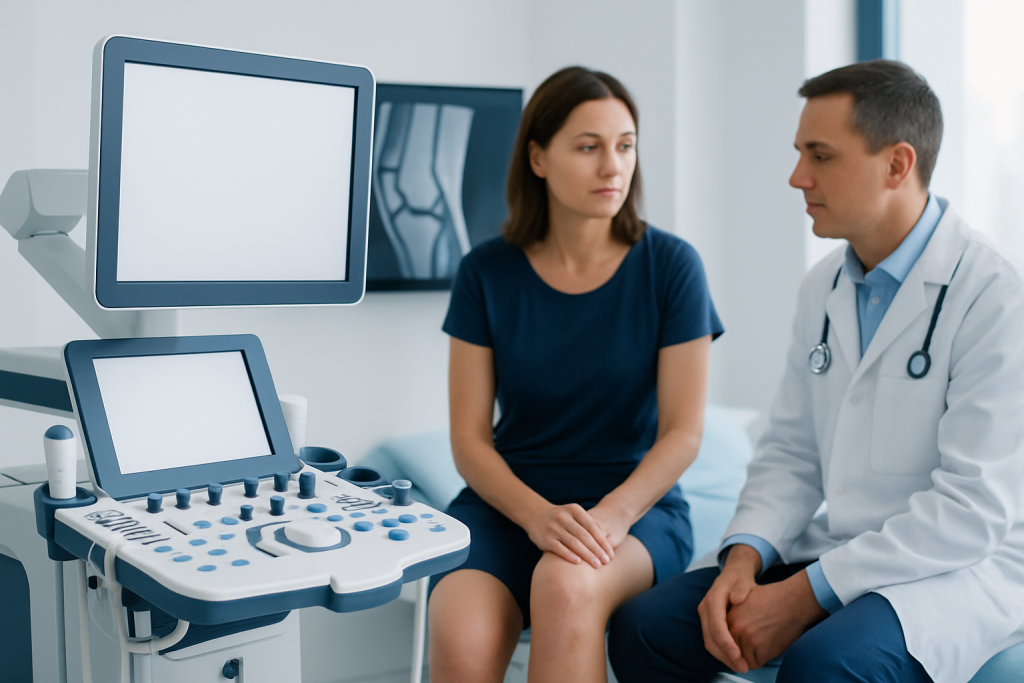
Many people describe a distinct moment of injury, often paired with a pop or a sudden sense that something inside the knee has shifted. Pain may appear right away, but in some cases the knee feels more unstable than painful after the initial injury settles. Swelling commonly develops within hours, especially if bleeding occurs inside the joint.
Another classic sign is giving way. A person may notice the knee buckles during turning, stepping down, or restarting after a stop. Range of motion may become limited, and it can feel difficult to fully straighten the leg in the first days after injury. Some people also report tenderness along the joint line, though that can suggest associated damage beyond the ACL itself.
Symptoms can vary depending on the severity of the tear and whether the meniscus, cartilage, or other ligaments were injured at the same time. Because of that overlap, a knee that “only seems sprained” can still deserve prompt assessment if instability or swelling is present.
Causes & Risk Factors
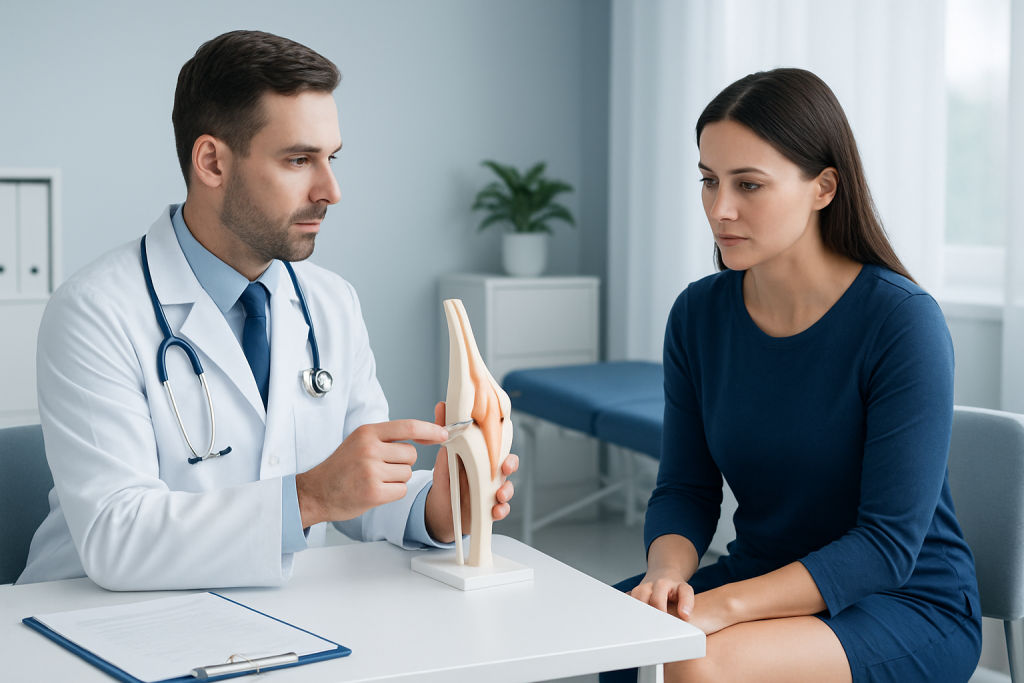
ACL tears often occur without a direct collision. The ligament is placed under stress when the knee twists while the foot is planted, especially during rapid deceleration, pivoting, or an awkward landing. Sports such as soccer, basketball, skiing, and handball are common settings, but the underlying mechanism is really about force and control rather than sport alone.
Several factors can raise the likelihood of injury. These include previous knee injuries, muscle weakness or imbalance around the hip and thigh, poor landing mechanics, and returning to intense activity before full recovery from an earlier knee problem. Footwear, playing surface, and fatigue may also influence risk, particularly in sports that demand frequent direction changes.
Body structure and movement patterns matter as well. A person may have a higher risk if the knee tends to collapse inward during landing or if the trunk and hip muscles do not absorb force efficiently. This is one reason prevention programs often focus on strength, balance, and movement training rather than the knee alone.
Diagnosis
Diagnosis begins with a detailed history of how the injury happened. The clinician will usually ask about the position of the leg, whether a pop was heard, how quickly swelling developed, and whether the knee has felt unstable since the injury. Those details help distinguish an ACL injury from other knee problems.
A physical examination follows. Special maneuvers such as the Lachman test, anterior drawer test, or pivot-shift assessment may be used to evaluate ligament stability. If pain and swelling are significant, the exam may be easier to repeat after the knee has settled a little, because muscle guarding can make the first assessment less clear.
Imaging is commonly part of the workup. X-rays help rule out fracture or bone injury, while MRI is the most useful test for seeing the ACL and checking for meniscus, cartilage, or other ligament damage. In international care pathways, it is often helpful when imaging, surgeon review, and rehabilitation planning can be coordinated efficiently so treatment decisions are not delayed.
Treatment Options
Treatment is not one-size-fits-all. Some people with lower activity demands or partial tears may improve with non-surgical care, particularly if the knee feels stable in daily life. Others, especially those who want to return to pivoting sports or who experience repeated giving way, may be better served by surgery to reconstruct the ligament.
Non-surgical treatment usually includes physiotherapy, activity modification, swelling control, and sometimes a brace. The goal is to restore motion, rebuild strength, and improve knee control. Rehabilitation is central here; it is not simply a waiting period but an active process of regaining function and testing whether the knee can cope with normal life without instability.
When surgery is recommended, the torn ACL is typically reconstructed using a graft from the patient or, in some cases, donor tissue. The procedure is designed to replace the damaged ligament with a stable structure that can support the knee during recovery and future movement. If other injuries such as a meniscus tear are present, they may be addressed at the same time. The choice of treatment should always reflect the person’s age, goals, work demands, sport participation, and the condition of the rest of the knee.
Recovery after either path is gradual. It often involves a structured rehabilitation plan, milestone-based return to activity, and follow-up visits to monitor progress. For patients traveling from abroad, it is sensible to confirm how post-treatment physiotherapy, imaging reviews, and future check-ins will be handled once they return home.
Prevention & Self-care
Not every ACL tear can be prevented, but risk can often be reduced. Training programs that emphasize hamstring and quadriceps strength, balance, core control, and proper landing technique are commonly used in sports medicine. Warm-up routines that include movement retraining may be especially helpful for athletes who pivot, cut, or jump frequently.
After an injury, self-care focuses on protecting the knee and avoiding setbacks. Resting from activities that provoke instability, using ice for comfort if advised by a clinician, and elevating the leg can help in the early stage. Gentle movement and guided exercises are usually introduced according to the treating team’s plan rather than forced quickly, because the knee needs the right balance of protection and motion.
People preparing for travel for care should think ahead about mobility during the journey and the first days after treatment. A practical plan may include arranging assistance at the airport, packing prescribed supports or braces if recommended, and knowing who to contact if swelling, stiffness, or wound questions arise after returning home.
- Build lower-body strength before returning to high-demand sports.
- Use guided rehabilitation rather than self-directed exercise after an ACL injury.
- Ask a specialist about safe timelines for driving, work, and sport.
- Do not rush back to cutting or pivoting movements if the knee still feels unsteady.
When to See a Doctor
A medical evaluation is advisable if the knee swells quickly after an injury, if there was a pop at the time of trauma, or if the knee feels unstable during walking or turning. These features can point to an ACL tear or another internal knee injury that benefits from timely assessment.
Urgent attention is especially important if the person cannot bear weight, cannot fully straighten the knee, notices significant deformity, or has severe pain after a major injury. These signs may indicate fracture or a more complex knee injury that should not wait for routine review.
For ongoing symptoms, an orthopedic or sports medicine consultation can help clarify whether rehabilitation alone is reasonable or whether surgery should be discussed. Acibadem Health Point’s multidisciplinary specialists and JCI-accredited hospitals diagnose and treat ACL tears for international patients, with care planning that can support both the procedure and the follow-up phase.
Recovery and Return to Activity
Recovery from an ACL tear is often measured in stages rather than by a single date. Early goals may include reducing swelling, regaining knee motion, and restoring a normal walking pattern. Later goals usually focus on strength, balance, and confidence with higher-level movements such as running, jumping, and changing direction.
Patients sometimes feel ready before the knee is truly ready. That is why return-to-activity decisions are typically based on function, not wishful thinking or a calendar alone. Strength symmetry, movement quality, and the absence of instability are all important. A physiotherapist or orthopedic specialist can guide this process and help reduce the chance of re-injury.
For people recovering away from their home country, it helps to leave with a written rehabilitation plan and a clear understanding of warning signs that should prompt reassessment. A smooth recovery is usually built on consistency, communication, and realistic pacing rather than speed.
Frequently asked questions
What does an ACL tear feel like at the moment it happens?
Many people notice a pop, sudden pain, and a feeling that the knee has shifted or given way. Swelling often follows within hours. Some people can still walk, but the knee may feel unreliable when turning or stopping.
Can an ACL tear heal without surgery?
Some partial tears or lower-demand situations can improve with rehabilitation and activity changes. Surgery is more often considered when the knee remains unstable or when a person wants to return to pivoting sports. A specialist can help match treatment to the patient’s goals.
How is an ACL tear diagnosed?
Diagnosis usually starts with the injury history and a knee examination. MRI is commonly used to confirm the ligament injury and check for meniscus or cartilage damage. X-rays may also be taken to rule out fracture.
How long does recovery take after ACL treatment?
Recovery varies depending on whether treatment is surgical or non-surgical and whether other knee structures were injured. Rehabilitation is typically gradual and can take many months to reach higher-level activity. The timeline should be individualized by the care team.
Can someone travel after ACL surgery or treatment?
Travel may be possible, but timing should be planned carefully with the treating team. It is important to consider swelling, mobility, blood clot prevention advice if applicable, and access to follow-up care. Patients should ask for clear guidance before booking travel.
What exercises are safe after an ACL tear?
Safe exercises depend on the stage of healing and the treatment plan. Gentle movement and prescribed physiotherapy exercises are often encouraged, while twisting or high-impact activity may need to wait. The treating clinician or therapist should guide each phase.
References
- American Academy of Orthopaedic Surgeons
- Mayo Clinic
- National Institute of Arthritis and Musculoskeletal and Skin Diseases
- NHS
- Cleveland Clinic
This article is for general information only and is not a substitute for professional medical advice. Please consult a qualified doctor about your individual situation.
Joint and spine care in Turkey — expert assessment & treatment
JCI-accredited · board-certified surgeons · reply within 24h
Add us as a Preferred Source to see more of our trusted health content across Google Search, AI Overviews and Discover.
More from the Health Library



Related Specialists

Prof. Dr. Ahmet Alanay
Orthopedic Surgery & Traumatology
Dr. Sinan Aksu
Orthopedic Surgery & Traumatology
Dr. Sirri Baştürk
Orthopedic Surgery & Traumatology
Prof. Dr. Korhan Özkan
Orthopedic Surgery & Traumatology