

Acetabulara

Key Takeaways
- The acetabulum is the socket of the hip joint and plays a major role in stability and movement.
- Pain in the groin, buttock, or outer hip can sometimes point to an acetabular problem, but not always.
- Diagnosis usually includes a physical exam and imaging such as X-rays, CT, or MRI.
- Treatment may range from rest and rehabilitation to surgery, depending on the cause and severity.
- Early assessment can help protect hip function and reduce the chance of long-term joint damage.
The acetabulum is the cup-shaped part of the pelvis that forms the hip socket, and problems in this area can affect walking, sitting, and overall mobility. Understanding the symptoms, causes, and treatment options helps patients seek the right orthopedic care at the right time.
Overview
The acetabulum is the curved socket in the pelvis that holds the head of the thigh bone, creating the hip joint. When people search for “acetabula,” they are often referring to problems involving this socket, such as a fracture, dysplasia, impingement, or arthritis affecting the joint surface.
Because the hip bears body weight with nearly every step, even a small change in the acetabulum can influence comfort and movement. Some conditions appear after injury, while others develop gradually and may first be noticed as stiffness, a limp, or pain during sports, travel, or routine daily activity.
For international patients, hip symptoms can be especially frustrating when they begin before a trip or become more noticeable after long flights and walking-heavy itineraries. A careful orthopedic assessment helps clarify whether the acetabulum is the source of the problem and what level of treatment is appropriate.
Symptoms
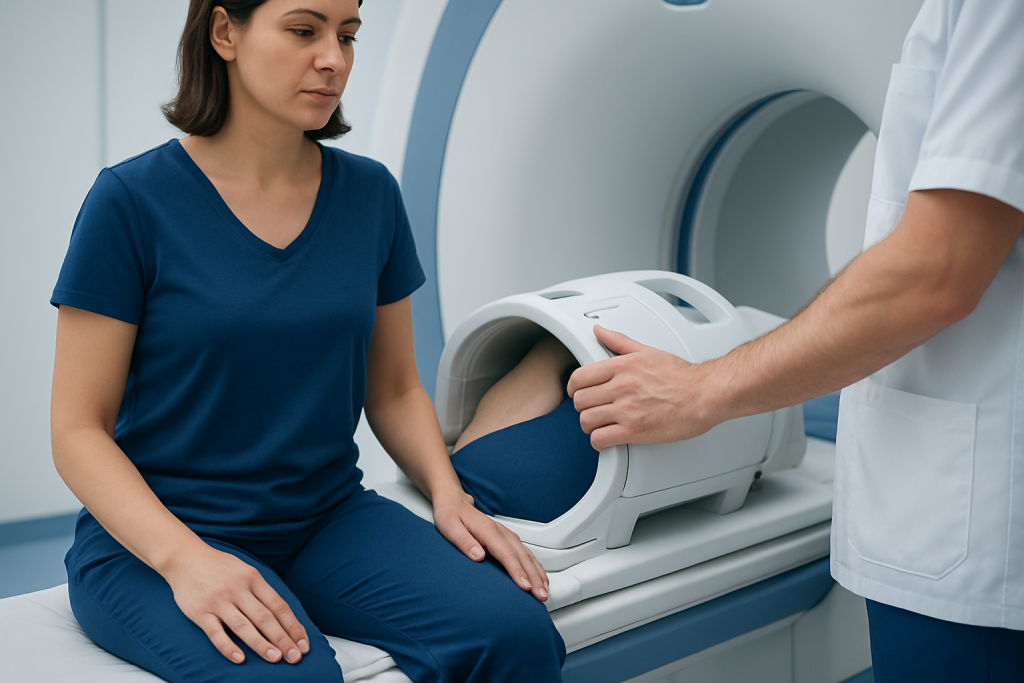
Acetabular problems do not all feel the same, but they often involve deep pain around the groin or front of the hip. Some people also feel discomfort in the buttock, outer thigh, or lower back, which can make the source of pain seem less obvious at first.
Common symptoms may include:
- Groin or hip pain that worsens with walking, stairs, or getting in and out of a car
- Stiffness or reduced range of motion, especially with bending or twisting
- Limping or a sense that the hip is unstable
- Clicking, catching, or pinching sensations in the joint
- Pain after a fall, Knee Pain Relief: Causes and Treatment" class="ahp-ilk">Pain Relief" class="ahp-ilk">sports injury, or accident
In some cases, symptoms are mild at the beginning and appear only with longer activity, then progress over time. Persistent pain should not be ignored simply because it comes and goes, since many acetabular conditions are easier to manage when identified early.
Causes & Risk Factors
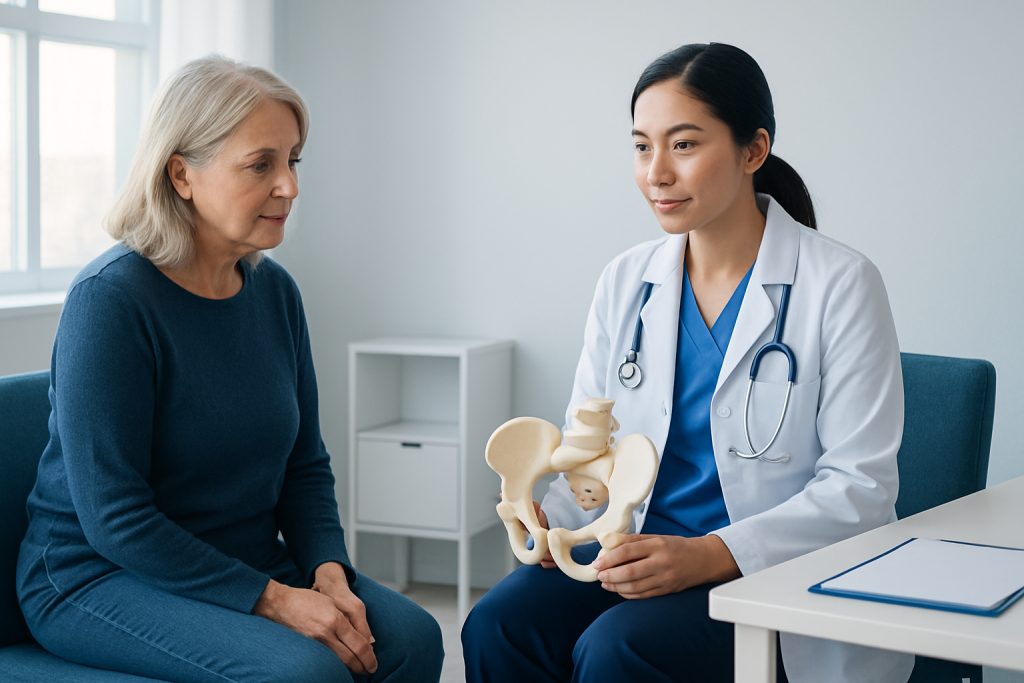
Acetabular problems can have different causes depending on the exact condition. Trauma is one of the most direct causes, especially in acetabular fractures, which may happen after a fall, vehicle collision, or high-impact sports injury. Other problems are structural or degenerative, developing as the joint is shaped or used over time.
Examples include developmental dysplasia of the hip, where the socket does not fully cover the femoral head; femoroacetabular impingement, where the bones rub abnormally during movement; and osteoarthritis, in which the cartilage in the joint gradually wears down. In some patients, labral tears or cartilage injury are also linked to acetabular shape or repeated mechanical stress.
Risk can be higher in people with a history of hip injury, certain childhood hip conditions, high-impact athletics, repetitive twisting motions, obesity, or family history of hip disorders. Age, bone quality, and previous surgery may also affect how the acetabulum behaves under load.
Diagnosis
Diagnosis usually begins with a detailed history and a physical examination. An orthopedic specialist will ask where the pain is felt, what activities make it worse, whether there was a recent injury, and how the symptoms affect walking, sitting, sleep, and travel.
Imaging is often needed to see the socket clearly. X-rays are commonly used first because they show bone shape, joint space, and alignment. Depending on the suspected problem, a CT scan may be used for a more detailed view of the acetabulum, while MRI can help assess cartilage, the labrum, and surrounding soft tissues.
In some situations, the doctor may recommend additional tests to rule out other causes of hip or pelvic pain. The goal is not only to name the condition, but to understand how much the joint is affected and whether non-surgical care is likely to help.
Treatment Options
Treatment depends on the specific diagnosis, the severity of symptoms, and the patient’s overall activity goals. For mild or early conditions, care may begin with activity modification, pain-relieving measures recommended by a physician, and a structured rehabilitation plan to improve strength and movement around the hip.
Physical therapy is often an important part of recovery because the muscles around the pelvis and hip can reduce stress on the joint when they are working well. When pain is related to inflammation, arthritis, or overuse, a specialist may also discuss medications or targeted injections, but the most suitable option depends on the underlying cause.
If there is a fracture, major deformity, significant instability, or advanced joint damage, surgery may be considered. Procedures can range from fixing a fracture to reshaping the hip, repairing soft tissue, or in advanced arthritis, replacing the joint. For patients traveling from abroad, planning includes recovery time, follow-up timing, and safe movement during the return journey.
Prevention & Self-care
Not every acetabular problem can be prevented, especially when it follows an injury or a condition present since childhood. Even so, patients can reduce stress on the hip by maintaining healthy body weight, building strong core and hip muscles, and choosing training routines that match their fitness level.
Warm-up before exercise, avoid sudden increases in intensity, and pay attention to pain that feels deep, mechanical, or persistent. Supportive footwear and sensible pacing during long days of walking or standing can also help, particularly for people who are planning travel or sightseeing around a health journey.
After a diagnosis, self-care should follow the orthopedic plan rather than general advice found online. Using assistive devices when recommended, respecting weight-bearing restrictions, and attending rehabilitation sessions consistently all support better healing and function.
When to See a Doctor
Medical evaluation is advisable if hip pain lasts more than a few days, keeps returning, or begins to interfere with walking, exercise, sleep, or daily tasks. A doctor should also be seen promptly after a fall, sports collision, or any injury that causes sudden hip pain, inability to bear weight, or visible deformity.
People should not wait if they notice locking, catching, a marked limp, fever with hip pain, or numbness and weakness in the leg. These symptoms do not always mean a serious problem, but they do deserve timely assessment to avoid missing an important diagnosis.
For patients seeking care internationally, an organized orthopedic consultation can help determine whether treatment can begin conservatively or whether surgery and coordinated rehabilitation are more appropriate. Acibadem Health Point’s multidisciplinary specialists and JCI-accredited hospitals diagnose and treat acetabular conditions for international patients with coordinated planning and follow-up.
Living With an Acetabular Condition
Recovery and long-term management depend on the exact problem, but many patients do best when treatment is paired with realistic activity planning. That may mean adjusting workouts, organizing travel around rest periods, or arranging physical therapy close to home after returning from Herniated Disc Treatment Abroad: Injection, Rehab, or Surgery?" class="ahp-ilk">treatment abroad.
Patients who ask about acetabular conditions are often trying to understand not just the diagnosis, but what life will look like after it. Clear guidance from the orthopedic team can help with mobility, work planning, and decisions about when it is safe to resume driving, exercise, or long flights.
With the right diagnosis and a tailored plan, many acetabular problems can be managed effectively and with good preservation of hip function. The key is to match the treatment to the joint problem, rather than treating hip pain as one single condition.
Frequently asked questions
What does the acetabulum do?
The acetabulum is the socket part of the hip joint. It helps hold the femoral head in place while allowing the hip to move smoothly and support body weight.
Can acetabular problems cause groin pain?
Yes, deep groin pain is one of the more common signs of a hip joint problem involving the acetabulum. Pain may also be felt in the buttock, thigh, or outer hip.
Is an acetabular fracture the same as a hip fracture?
An acetabular fracture involves the socket of the hip joint, while many people use the term hip fracture to mean a break in the upper thigh bone near the joint. Both are important orthopedic injuries, but they are not the same.
Do all acetabular conditions need surgery?
No. Some cases improve with rest, activity changes, medication, and physical therapy. Surgery is usually reserved for fractures, significant structural problems, or advanced joint damage.
Which test is best for diagnosing acetabular problems?
No single test is best for every case. X-rays are often the first step, while CT or MRI may be added to look more closely at bone detail, cartilage, or soft tissues.
Can someone travel after treatment for an acetabular condition?
Often yes, but timing depends on the treatment received and how stable the recovery is. The treating orthopedic team should advise when travel is safe and what precautions are needed.
References
- American Academy of Orthopaedic Surgeons
- Mayo Clinic
- National Institute of Arthritis and Musculoskeletal and Skin Diseases
- NHS
- Radiological Society of North America
This article is for general information only and is not a substitute for professional medical advice. Please consult a qualified doctor about your individual situation.
More from the Health Library



Related Specialists

Prof. Dr. Ahmet Alanay
Orthopedic Surgery & Traumatology
Dr. Sinan Aksu
Orthopedic Surgery & Traumatology
Dr. Sirri Baştürk
Orthopedic Surgery & Traumatology
Prof. Dr. Korhan Özkan
Orthopedic Surgery & Traumatology