11 Weeks Pregnant

Key Takeaways
- 11 weeks pregnant is still early pregnancy, but the body and baby are changing quickly.
- Nausea, fatigue, bloating, and breast tenderness may continue, while some people start to feel a little better.
- Prenatal visits, recommended screenings, and healthy daily habits support both parent and baby.
- Gentle nutrition, hydration, rest, and symptom tracking can make this stage more manageable.
- New bleeding, severe pain, dehydration, or other concerning symptoms should be discussed with a doctor promptly.
At 11 weeks pregnant, many people are moving toward the end of the first trimester and may notice that symptoms begin to shift. This stage often brings changing energy levels, a growing uterus, and an important window for routine prenatal care and planning ahead.
Overview
Being 11 weeks pregnant usually means the pregnancy is well into the first trimester, a period when early development is moving quickly even if the pregnancy is not yet obvious from the outside. For many people, this week can feel like a turning point: the strongest early symptoms may still be present, but the pregnancy is also becoming more real through appointments, early scans, and the gradual visibility of a growing bump.
From a medical perspective, this is still a time to focus on foundational care. The developing baby is forming major structures, the placenta is taking on more of its support role, and the pregnant person’s body is adjusting hormonally and physically. For those traveling for care or managing pregnancy from another country, this is also a practical time to organize records, confirm follow-up plans, and make sure prenatal care is easy to access in the weeks ahead.
Although every pregnancy is different, 11 weeks is often a time for reassurance, preparation, and small adjustments rather than dramatic changes. A qualified obstetrician, midwife, or maternal-fetal specialist can help interpret what is normal for an individual pregnancy and what deserves closer attention.
Symptoms
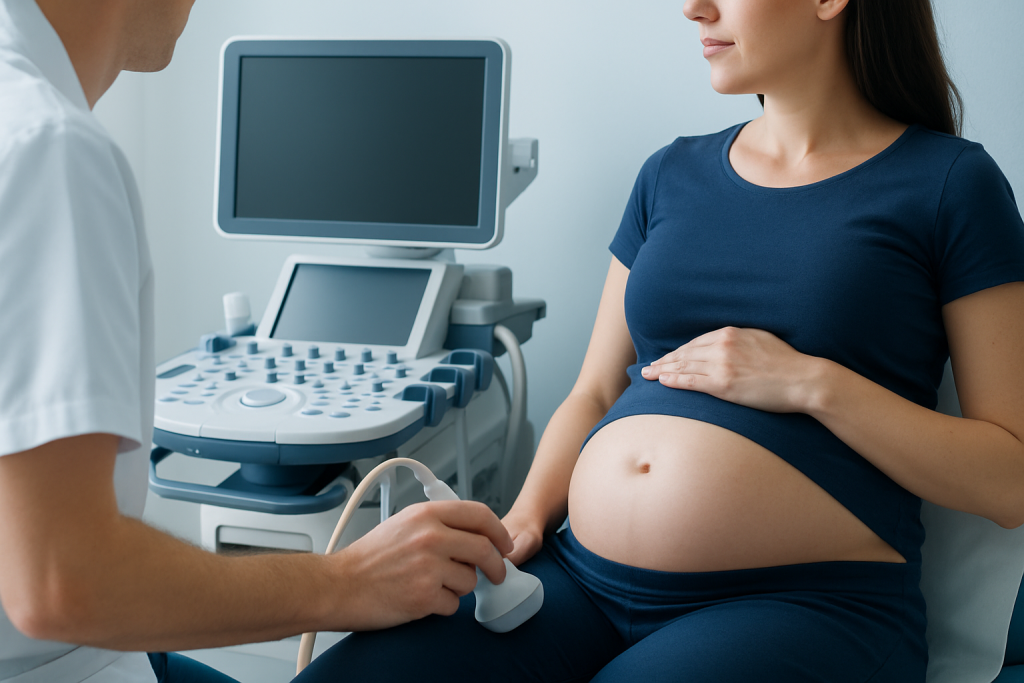
Symptoms at 11 weeks pregnant vary widely, and it is common for two pregnancies to look very different at the same point. Some people still feel intensely tired or nauseated, while others notice that the hardest part of the first trimester is starting to ease.
Common symptoms can include:
- Nausea or vomiting, sometimes worse in the morning but not limited to mornings
- Fatigue and the need for more rest than usual
- Bloating, gas, or a fuller feeling in the abdomen
- Breast tenderness or enlargement
- Frequent urination
- Food aversions or stronger food cravings
- Mood changes, tearfulness, or irritability
Some people also notice constipation, mild cramping, heartburn, or a sense that clothes fit differently around the waist. These changes are often related to hormones and the body’s adjustment to pregnancy, and they are usually managed with simple supportive measures. Even so, any symptom that feels unusually strong, persistent, or new should be reviewed by a doctor, especially if it affects eating, drinking, or daily functioning.
It is also worth noting that symptoms can fluctuate from day to day. A quieter symptom day does not automatically mean something is wrong, and a stronger symptom day does not necessarily mean a problem is developing. The overall pattern matters more than any single hour or day.
Causes & Risk Factors

The changes felt at 11 weeks pregnant are driven mainly by normal pregnancy hormones and the rapid growth of the uterus and placenta. Hormones such as human chorionic gonadotropin, progesterone, and estrogen affect the digestive system, breasts, circulation, mood, and energy levels, which helps explain why pregnancy can feel so different in the first trimester.
There is no single cause of common pregnancy symptoms, but several factors can make them more noticeable. These may include a history of motion sickness, a prior pregnancy with strong morning sickness, carrying multiples, stress, poor sleep, or having a sensitive stomach before pregnancy. Some people are simply more affected by hormonal shifts than others.
Health teams also pay attention to factors that may increase the need for closer monitoring, such as pre-existing medical conditions, previous pregnancy complications, advanced maternal age, or limited access to routine prenatal care. In international-patient settings, it can be especially helpful to share previous test results, ultrasound reports, medication lists, and any known genetic screening history so the care team has a clear picture.
Although many symptoms are normal, certain warning signs are not typical and should not be ignored. Heavy bleeding, severe one-sided pain, fainting, fever, or vomiting that prevents fluids from staying down are examples of symptoms that deserve prompt medical review.
Diagnosis
By 11 weeks pregnant, diagnosis is usually already established, but this stage often brings the first detailed prenatal assessments. Depending on local practice and individual needs, a clinician may review the pregnancy timeline, confirm estimated gestational age, and assess how the pregnancy is progressing.
An ultrasound may be performed if it has not already been done, especially to confirm dating, check fetal heartbeat, or evaluate symptoms such as bleeding or pain. Blood and urine tests may also be part of routine care. These can help identify anemia, blood type and Rh status, infection, blood sugar concerns, and other issues that are useful to know early.
Some patients are also offered first-trimester screening or genetic counseling based on age, family history, prior test results, or other clinical factors. These decisions are individualized. A doctor or genetic counselor can explain what each test looks for, what the possible results mean, and whether a test is recommended, optional, or not needed in a given situation.
For people arranging care while abroad, keeping a simple pregnancy file is often helpful. This may include the last menstrual period date, estimated due date if known, scan reports, medication details, allergies, and emergency contact information. Clear records make it easier for another clinician to continue care smoothly.
Treatment Options
There is no treatment needed for a normal 11-week pregnancy itself, but there are many safe ways to manage symptoms and support healthy development. Care at this stage is usually centered on monitoring, symptom relief, and identifying any issue early enough to address it well.
For nausea, clinicians may suggest eating small, frequent meals, avoiding strong odors, choosing bland foods if tolerated, and staying hydrated in small sips throughout the day. If vomiting is more persistent, a doctor can advise on pregnancy-safe options and determine whether dehydration or another cause is present.
For fatigue and sleep disturbance, rest, short naps, and a more flexible routine can help. For constipation and bloating, fluids, fiber-rich foods, and gentle movement are often useful. If heartburn is troublesome, a clinician can suggest lifestyle changes and, if necessary, pregnancy-appropriate medication.
Routine prenatal vitamins are commonly recommended during this time, especially those containing folic acid and iron, but supplementation should always be discussed with a clinician if there are concerns about nausea, anemia, or another medical condition. It is generally important to avoid alcohol, tobacco, recreational drugs, and any medication or supplement that has not been cleared by a doctor during pregnancy.
If a patient needs specialist input, care may involve an obstetrician, maternal-fetal medicine doctor, radiologist, genetic counselor, or another relevant specialist. In international care pathways, multidisciplinary teams can coordinate testing, treatment, and follow-up so that the pregnancy plan stays consistent across visits.
Prevention & Self-care
Self-care at 11 weeks pregnant is less about perfection and more about steady, realistic habits. The goal is to create conditions that help the body adjust while protecting nutrition, hydration, and overall wellbeing.
Helpful daily habits include:
- Eating regular meals or snacks before hunger becomes intense
- Drinking enough fluids, especially if nausea or vomiting is present
- Choosing foods that are safe in pregnancy and preparing them carefully
- Taking prenatal vitamins as advised by the care team
- Resting when possible and pacing demanding tasks
- Staying gently active if the pregnancy is uncomplicated and a doctor agrees
It can also help to identify personal symptom triggers. For one person, a strong smell may worsen nausea; for another, an empty stomach may be the problem. Tracking symptoms for a few days can reveal patterns that make day-to-day management easier.
Emotional care matters too. The first trimester can be private, uncertain, or overwhelming, especially when traveling for care, balancing work, or waiting for the next scan. Sharing concerns with a trusted clinician, partner, family member, or counselor can help reduce stress and improve the overall pregnancy experience.
When to See a Doctor
Most first-trimester discomforts are manageable, but some symptoms need medical attention without delay. It is wise to contact a doctor promptly if there is vaginal bleeding, especially if it is heavy, increasing, or accompanied by pain.
Urgent review is also important for severe abdominal or pelvic pain, pain on one side, shoulder pain, fainting, fever, or vomiting that makes it hard to keep down fluids. These can sometimes signal conditions that need assessment rather than routine home care.
It is also sensible to speak with a clinician if nausea is preventing adequate nutrition, if there are signs of dehydration such as dark urine or dizziness, or if anxiety about symptoms is becoming hard to manage. Even when a concern turns out to be minor, a timely conversation can provide reassurance and a clear plan.
For patients seeking care internationally, bringing written questions to the appointment and asking for a clear follow-up plan can be very helpful. Acibadem Health Point’s multidisciplinary specialists and JCI-accredited hospitals diagnose and treat pregnancy-related concerns for Myomectomy Recovery for International Patients: The Usual Travel Timeline" class="ahp-ilk">international patients, with coordinated care that supports both medical needs and continuity across visits.
Looking Ahead to the End of the First Trimester
By 11 weeks pregnant, many people are close to a new phase in the pregnancy journey. The next few weeks may bring different energy levels, evolving symptoms, and more routine contact with the prenatal care team. This is often a good moment to prepare questions for the next visit and to review any upcoming tests or scans.
It can be helpful to think in practical steps: confirm the next appointment, keep track of symptoms, maintain daily vitamins and hydration, and plan for any travel or schedule changes that may affect care. Small organizational choices now can reduce stress later.
Above all, this stage is a reminder that pregnancy care is not only about numbers on a calendar. It is about understanding what is happening in the body, knowing when to seek help, and building a support system that can carry the pregnancy safely into the second trimester.
Frequently asked questions
Is 11 weeks pregnant still considered the first trimester?
Yes, 11 weeks pregnant is still within the first trimester. Many people are approaching the transition to the second trimester, which begins at 13 weeks. Symptoms may start to change around this time, but that varies from person to person.
Should symptoms get better at 11 weeks pregnant?
They can, but not always. Some people notice nausea and fatigue beginning to ease, while others continue to have strong symptoms for a few more weeks. The pattern matters more than the exact week, and a clinician can help if symptoms are hard to manage.
Is it normal not to look pregnant at 11 weeks?
Yes, that is very common. The uterus is growing, but many people do not show much externally this early, especially in a first pregnancy. Body shape, bloating, and abdominal tone also affect how pregnancy looks at this stage.
What foods are usually helpful when nausea is still present?
Small, frequent meals are often easier than large ones. Bland foods, crackers, toast, rice, yogurt, or other foods that are tolerated well may help some people, along with regular fluids. If food and drink are difficult to keep down, a doctor should be contacted.
Is an ultrasound common at 11 weeks pregnant?
It may be, depending on local practice and the reason for the visit. An ultrasound at this stage can help confirm dating, check the heartbeat, or assess symptoms if needed. A clinician can explain whether it is recommended in a specific pregnancy.
What should be packed or prepared for prenatal care if traveling abroad?
It is useful to bring prior ultrasound reports, lab results, a medication list, allergy information, and any records of previous pregnancies or complications. Having these documents organized can make it easier for a new care team to continue follow-up smoothly.
References
- American College of Obstetricians and Gynecologists
- NHS
- March of Dimes
- World Health Organization
- Mayo Clinic
This article is for general information only and is not a substitute for professional medical advice. Please consult a qualified doctor about your individual situation.
More from the Health Library



Related Specialists

Prof. Dr. A. Taner Usta
Gynecology & Obstetrics
Prof. Dr. Ahmet Tayyar
Gynecology & Obstetrics
Prof. Dr. Ahmet Cem Batukan
Gynecology & Obstetrics
Dr. Sevgi Selen
Gynecology & Obstetrics