6 Weeks Pregnant

Key Takeaways
- At 6 weeks pregnant, early symptoms can become more noticeable, but experiences vary widely from person to person.
- The embryo is developing quickly, and the uterus, hormones, and circulation are all adapting to support pregnancy.
- Mild cramping or light spotting can happen, but heavy bleeding, severe pain, or one-sided pain should be assessed promptly.
- Healthy habits such as folic acid use, hydration, balanced meals, and avoiding alcohol and smoking support early pregnancy.
- An early pregnancy visit can confirm dating, review medications, and help plan the next steps in care.
At 6 weeks pregnant, many people begin to notice clearer signs of early pregnancy, while the embryo is developing rapidly inside the uterus. This stage can bring normal changes such as nausea, fatigue, breast tenderness, and mild cramping, but it is also a time to pay attention to warning signs and arrange early prenatal care.
Overview
Being 6 weeks pregnant often feels like standing at the threshold of a major change: the pregnancy may still be invisible to others, yet the body is already working hard behind the scenes. Hormonal shifts are usually more noticeable now, and many people start connecting a missed period, a positive test, and early symptoms into a clearer picture.
At this stage, the embryo is growing quickly, and the foundation for organs, the nervous system, and the placenta is taking shape. For many patients, this is also when practical questions begin to matter: whether to book a first appointment, which symptoms are expected, and how to stay comfortable while traveling, working, or caring for family.
Every pregnancy develops at its own pace. Some people feel strongly pregnant at 6 weeks, while others have only subtle signs or none at all. Both can be normal, which is why early pregnancy information should be steady and reassuring rather than rushed or overwhelming.
Symptoms
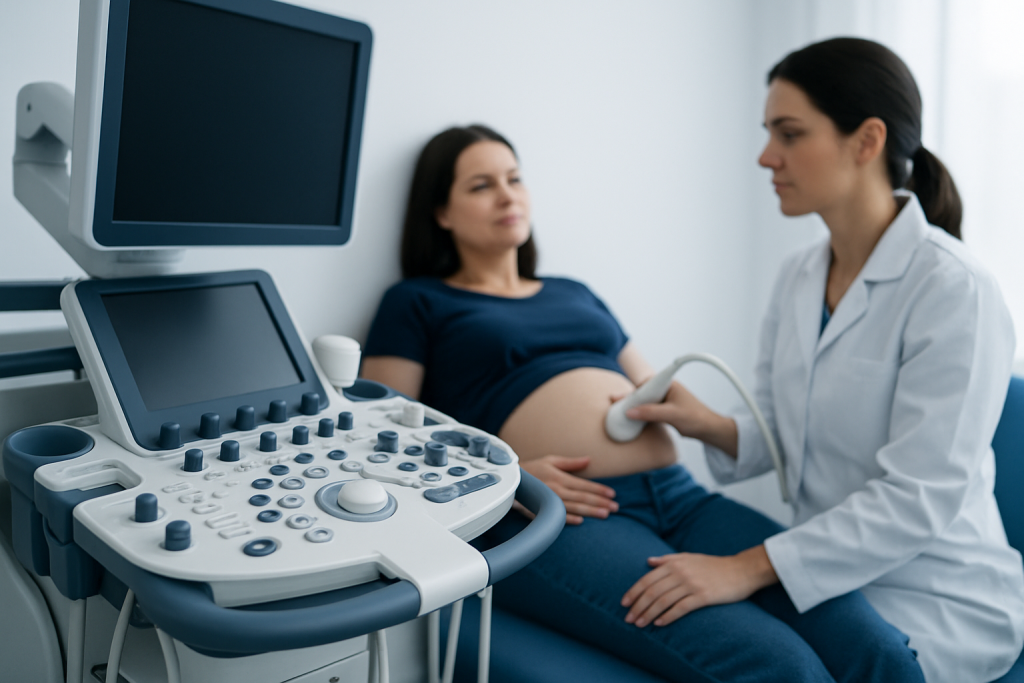
Symptoms at 6 weeks are often driven by rising pregnancy hormones, especially hCG and progesterone. Nausea can begin or intensify, sometimes without vomiting, and food aversions, a stronger sense of smell, bloating, and a metallic taste in the mouth are also common.
Fatigue is one of the most frequent complaints this early. Breast tenderness, darker nipples, mild pelvic heaviness, and the need to urinate more often may also appear. Some people notice mood changes or feel more emotional than usual, which can be a normal response to hormonal and life changes together.
Mild cramping can happen as the uterus begins to enlarge and tissues stretch. A small amount of spotting may occur in some pregnancies, but symptoms should always be interpreted in context, especially if they are new, worsening, or accompanied by pain.
- Common at 6 weeks: nausea, tiredness, breast sensitivity, bloating, smell sensitivity, frequent urination.
- Sometimes seen: mild cramping, light spotting, headaches, constipation, sleep changes.
- Less typical: severe pain, heavy bleeding, fainting, fever, or persistent vomiting that prevents fluids.
Causes & Risk Factors
The changes felt at 6 weeks are mainly caused by rapid hormonal shifts after implantation. The placenta is beginning to develop, and the body increases blood volume and alters digestion, temperature, and fluid balance to support early pregnancy.
Certain factors can make early symptoms feel stronger or make this period more medically important to monitor. A history of ectopic pregnancy, miscarriage, fertility treatment, pelvic infection, or previous surgery on the tubes can increase the need for early assessment. Age, chronic medical conditions, smoking, and some medications may also affect early pregnancy care.
It is helpful to remember that symptoms alone do not predict pregnancy outcome. Nausea, for example, is common in healthy pregnancies, while some people with limited symptoms still go on to have normal outcomes. Risk factors are used to guide care, not to define the pregnancy.
What Is Happening in the Body and Baby at 6 Weeks?
At 6 weeks, the embryo is still very small, but development is moving quickly. The neural tube, which will become the brain and spinal cord, is forming, and the heart is beginning to beat and pump in a very early, rapidly changing way. Limb buds, facial structures, and other organ foundations are also starting to appear.
The pregnancy hormone hCG is usually high enough to produce a clear home urine test result. The uterus is expanding gradually, although the body outside the pelvis may not show obvious changes yet. Internal changes can be active even when the abdomen looks the same, which often surprises first-time parents.
For many Myomectomy Recovery for International Patients: The Usual Travel Timeline" class="ahp-ilk">international patients, this is the moment when the pregnancy starts to feel real and logistical planning begins. Questions about timing, prenatal tests, and where to receive care can be discussed with a clinician before travel or shortly after arriving in a care destination.
Diagnosis
Diagnosis at 6 weeks usually starts with confirmation of pregnancy through a urine or blood test. If symptoms, prior history, or timing are unclear, a clinician may recommend a quantitative hCG blood test or repeat testing to better understand how the pregnancy is progressing.
An early ultrasound may be used to confirm location and estimate gestational age, especially if there is pain, bleeding, uncertain dates, or a history that raises concern for ectopic pregnancy. Depending on the exact timing of conception, the scan may show a gestational sac, yolk sac, or early fetal pole, though sometimes it is still too early for all structures to be visible.
At a first visit, the clinician may also review medications, blood type, vaccination history, chronic conditions, and any symptoms that need close follow-up. This appointment is a good time to ask how to coordinate care if the pregnancy began in one country and follow-up will happen in another.
Treatment Options
There is no treatment needed for a healthy pregnancy itself at 6 weeks, but there is supportive care for symptoms and for any condition that needs attention. The focus is usually on confirming pregnancy, checking safety, and setting up routine prenatal care.
For nausea, small frequent meals, bland foods, and staying hydrated can help. If symptoms are severe, a clinician may suggest additional options that are considered appropriate in pregnancy. For constipation, fiber, fluids, and gentle activity may be recommended. Any medication use in early pregnancy should be discussed with a qualified doctor, including over-the-counter products and herbal remedies.
If an ultrasound or blood test suggests a pregnancy outside the uterus or another complication, treatment depends on the diagnosis and may range from careful monitoring to medication or surgery. These decisions are best made quickly but calmly with an experienced obstetric team.
- Supportive care for nausea, fatigue, and constipation
- Review of safe medications and supplements
- Early ultrasound or repeat blood tests when indicated
- Prompt treatment for ectopic pregnancy, miscarriage, or other urgent concerns
Prevention & Self-care
Self-care at 6 weeks is less about doing everything perfectly and more about reducing avoidable risks. Taking a prenatal vitamin with folic acid, eating regular meals, drinking enough water, and resting when needed all support early development and help the body adapt to pregnancy.
Alcohol, smoking, recreational drugs, and unnecessary medications should be avoided unless a doctor says otherwise. It is also wise to check any existing prescriptions, supplements, and travel plans with a clinician, especially if the pregnancy may involve long-haul flights or care in more than one country.
Simple comfort measures can make a meaningful difference: keeping crackers by the bed for morning nausea, choosing loose clothing if bloating is uncomfortable, and pacing activity on low-energy days. Gentle movement is usually fine if the pregnancy is uncomplicated, but exercise should match how the person feels and the clinician’s guidance.
Keeping a note of symptoms can be helpful, particularly if care is being arranged from abroad. Recording bleeding, pain location, nausea severity, and temperature can make the first appointment more efficient and informative.
When to See a Doctor
An early prenatal appointment is a good idea soon after a positive test, especially if dates are uncertain or if the patient has a medical history that needs review. Early care can help confirm the pregnancy, estimate the due date, and identify any issues before they become complicated.
Medical attention should be sought promptly for heavy bleeding, severe abdominal or pelvic pain, shoulder pain, fainting, dizziness, fever, or pain that is clearly one-sided. Persistent vomiting, inability to keep fluids down, or signs of dehydration also deserve assessment.
Anyone with a prior ectopic pregnancy, fertility treatment, an IUD in place at conception, or significant pelvic pain should contact a doctor early even if bleeding is light. For international patients, Acibadem Health Point’s multidisciplinary specialists and JCI-accredited hospitals can diagnose and treat early pregnancy concerns with coordinated care.
When in doubt, it is safer to ask for medical advice than to wait and guess. Early pregnancy decisions are often simpler when they are made calmly, with clear information and professional support.
Frequently asked questions
Is it normal to have no symptoms at 6 weeks pregnant?
Yes, it can be normal to have few or no symptoms at this stage. Pregnancy experiences vary a great deal, and symptom strength does not reliably predict how a pregnancy will progress. If there are concerns about pain, bleeding, or a prior pregnancy problem, a doctor should still be contacted.
What does a 6-week pregnancy ultrasound usually show?
Depending on exact dating, an ultrasound may show a gestational sac and sometimes a yolk sac or early fetal pole. In some pregnancies it can still be too early to see everything clearly, especially if ovulation happened later than expected. A clinician may recommend a repeat scan if needed.
Is mild cramping normal at 6 weeks pregnant?
Mild cramping can be normal as the uterus changes and the pregnancy develops. It should be gentle, short-lived, and not accompanied by heavy bleeding or severe pain. Persistent, one-sided, or worsening pain should be checked promptly.
What foods help with nausea in early pregnancy?
Small, frequent meals often work better than large meals. Bland foods such as crackers, toast, rice, applesauce, and soups may be easier to tolerate, along with fluids taken slowly through the day. If nausea becomes severe or fluids cannot be kept down, medical advice is important.
Should medication be stopped once pregnancy is confirmed?
Not automatically, because some medications are safe and necessary in pregnancy. The best step is to review all prescriptions, over-the-counter products, and supplements with a qualified doctor before stopping or starting anything. This is especially important in early pregnancy, when the embryo is developing rapidly.
When should an ectopic pregnancy be considered?
Ectopic pregnancy should be considered if there is pelvic pain, spotting, dizziness, shoulder pain, or a history that increases risk, such as prior ectopic pregnancy or tubal surgery. It is an urgent condition that needs prompt medical assessment. Early evaluation can help confirm where the pregnancy is located.
References
- American College of Obstetricians and Gynecologists
- NHS
- Mayo Clinic
- World Health Organization
- March of Dimes
This article is for general information only and is not a substitute for professional medical advice. Please consult a qualified doctor about your individual situation.
More from the Health Library



Related Specialists

Prof. Dr. A. Taner Usta
Gynecology & Obstetrics
Prof. Dr. Ahmet Tayyar
Gynecology & Obstetrics
Prof. Dr. Ahmet Cem Batukan
Gynecology & Obstetrics
Dr. Sevgi Selen
Gynecology & Obstetrics