Obstetrician

Key Takeaways
- An obstetrician supports pregnancy from the first visit through delivery and postpartum recovery.
- Regular prenatal care helps monitor maternal health, fetal growth, and signs that need closer review.
- Obstetricians also manage higher-risk pregnancies and coordinate with other specialists when needed.
- Many pregnancy symptoms are normal, but some changes deserve prompt medical attention.
- Care can be planned locally or as part of an international patient journey, with follow-up arranged before travel home.
An obstetrician is a doctor who cares for women during pregnancy, childbirth, and the recovery period after delivery. Their role includes routine prenatal monitoring, managing pregnancy-related concerns, and coordinating care when a pregnancy needs closer attention.
Overview
An obstetrician is a physician who specializes in pregnancy, childbirth, and the weeks and months after delivery. For many women, this doctor becomes the main guide through a period that is physically demanding, emotionally important, and full of decisions that benefit from clear medical advice.
Obstetric care is not limited to the delivery room. It usually begins with prenatal visits, where the doctor reviews the mother’s health, the pregnancy timeline, and any personal or family factors that may affect care. Those visits create a practical plan for screening, monitoring, and preparing for birth.
For Myomectomy Recovery for International Patients: The Usual Travel Timeline" class="ahp-ilk">international patients, obstetric care may also involve coordinating records from another country, discussing travel timing, and planning follow-up after return home. In that setting, the obstetrician’s role is both clinical and organizational: helping the patient understand what is happening now, what to expect next, and how to continue care safely across borders.
What an obstetrician does
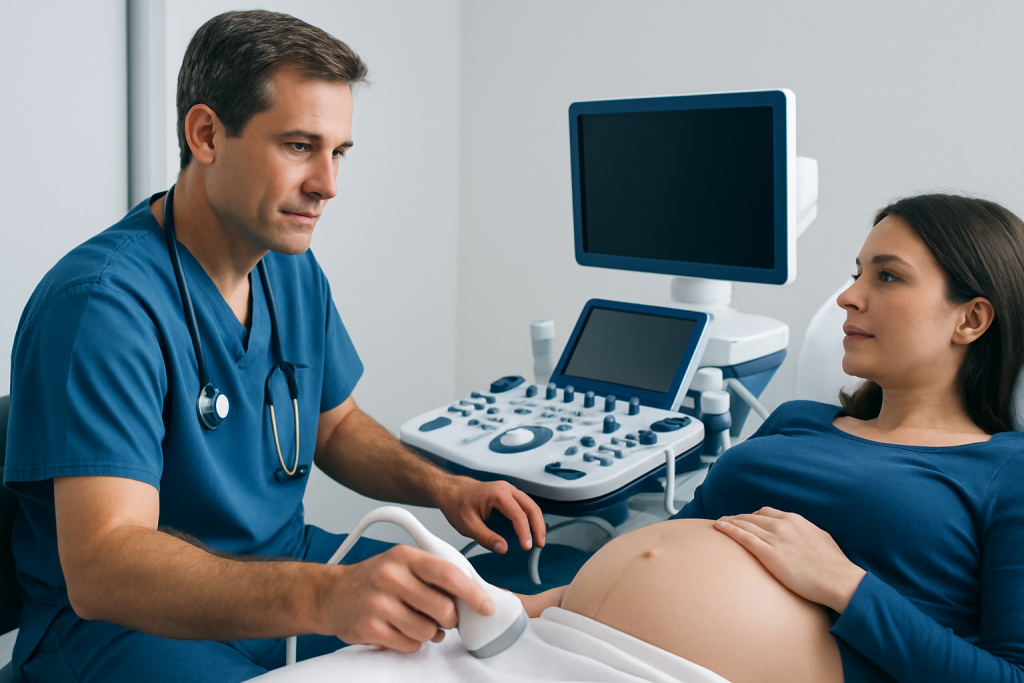
An obstetrician monitors the health of the pregnant person and the developing baby throughout pregnancy. This can include confirming the pregnancy, estimating the due date, reviewing medications and medical history, and ordering tests or scans when appropriate.
As the pregnancy progresses, the obstetrician tracks blood pressure, weight changes, symptoms, fetal growth, and placental or amniotic fluid findings. When something is outside the expected range, the doctor may arrange more frequent visits, additional imaging, or consultation with another specialist.
Obstetricians also help patients prepare for labor and delivery. They discuss warning signs, birth preferences, pain relief options, and the circumstances in which a cesarean birth or hospital-based observation might be recommended. After delivery, they follow recovery, bleeding, mood changes, breastfeeding concerns, and healing from any procedure or tear.
Symptoms and reasons people seek obstetric care

Many people first see an obstetrician because they have a positive pregnancy test and want confirmation and guidance. Others are referred because they already have a medical condition, such as high blood pressure, diabetes, thyroid disease, or a history of pregnancy complications.
Common reasons to schedule an obstetric visit include early pregnancy nausea, pelvic discomfort, spotting, reduced fetal movement later in pregnancy, or questions about medications and supplements. Some patients seek care before becoming pregnant, especially if they want advice on risk reduction and preconception planning.
- New pregnancy or suspected pregnancy
- Irregular bleeding or concerning pelvic pain during pregnancy
- History of miscarriage, preterm birth, or cesarean delivery
- Chronic medical conditions that need pregnancy-safe planning
- Questions about labor, delivery, or postpartum recovery
Not every symptom means something is wrong. Pregnancy can bring fatigue, back pain, swelling, and digestive changes that are common and expected. Still, obstetric care is valuable because it helps separate normal changes from patterns that need a closer look.
Causes and risk factors that may shape care
Pregnancy is influenced by many factors, and not all of them are within a patient’s control. Age, prior pregnancy history, existing health conditions, body weight, smoking, and certain inherited risks can affect how closely a pregnancy needs to be monitored.
Some pregnancies are considered higher risk because of twins or triplets, placenta-related concerns, fetal growth issues, or complications such as preeclampsia, gestational diabetes, or preterm labor. In these situations, the obstetrician’s job is to anticipate problems early and reduce avoidable harm through careful surveillance and planning.
International patients may arrive with another layer of complexity: incomplete records, different screening schedules, or travel during pregnancy. A good obstetric plan takes those realities into account, making sure essential information is gathered and that follow-up is practical once the patient is back in their home country.
How obstetricians diagnose and monitor pregnancy concerns
Obstetric assessment starts with a detailed history and physical examination. The doctor asks about symptoms, menstrual dates, previous pregnancies, medical conditions, medications, allergies, and lifestyle factors, then uses that information to decide what testing is useful.
Depending on the stage of pregnancy and the concern being evaluated, monitoring may include ultrasound, blood tests, urine tests, fetal heart checks, blood pressure measurements, and screening for infections or gestational conditions. The goal is not to overtest, but to use the right tools at the right time.
When a patient is traveling for care, records from home can be especially helpful. Prior ultrasound reports, laboratory results, vaccination history, and notes from previous clinicians allow the obstetrician to build on existing information rather than repeat every step unnecessarily.
Treatment and management options
Obstetric treatment depends on the condition being managed. Many pregnancy concerns are handled with observation, repeat visits, lifestyle guidance, or medication adjustments that are considered safe in pregnancy. Others require hospital-based care, especially when blood pressure, bleeding, fetal wellbeing, or preterm labor are involved.
For higher-risk pregnancies, management may include more frequent ultrasound scans, fetal monitoring, specialist consultation, or a planned delivery approach. When delivery planning changes, the obstetrician explains the reason in plain language so the patient can take part in decisions with confidence.
Supportive care is also important after birth. Recovery may involve wound care, breastfeeding support, pelvic floor guidance, blood pressure checks, and screening for postpartum mood concerns. For patients who are returning abroad, discharge planning should include a clear summary of the delivery, medication list, warning signs, and recommended follow-up timeline.
In some international care settings, multidisciplinary teams work together so the patient’s obstetrician, anesthesiologist, neonatologist, and nursing team can coordinate around one shared plan. Acibadem Health Point, for example, supports international patients through multidisciplinary specialists and JCI-accredited hospitals when diagnosis and treatment are needed.
Prevention and self-care during pregnancy
Not every pregnancy complication can be prevented, but everyday habits can support a healthier course. Good prenatal care begins with keeping appointments, asking questions early, and following the obstetrician’s advice about testing, nutrition, rest, and activity.
Many patients also benefit from practical self-care measures such as staying hydrated, eating regular balanced meals, taking prenatal vitamins as recommended, and avoiding smoking, alcohol, and non-prescribed substances. Sleep, stress management, and gentle activity can also make day-to-day symptoms easier to manage when approved by the doctor.
- Keep a list of medications, supplements, and allergies
- Track symptoms such as bleeding, swelling, headaches, or reduced fetal movement
- Attend all scheduled scans and laboratory tests
- Ask for a travel-friendly follow-up plan if care will continue in another country
For patients receiving care abroad, self-care also means planning ahead for the return journey. That includes knowing which documents to carry, which symptoms should prompt immediate review, and how to connect with a local doctor once back home.
When to see a doctor
Pregnancy is a good time to stay in close contact with a doctor, even when everything seems to be progressing normally. An obstetrician should be involved early if the patient is pregnant, planning pregnancy, or has a medical history that could affect pregnancy care.
Prompt medical attention is especially important if there is heavy bleeding, severe abdominal pain, severe headache, visual changes, trouble breathing, fever, fainting, or decreased fetal movement later in pregnancy. These symptoms do not always signal a serious problem, but they should not be ignored.
After delivery, a doctor should be contacted for heavy bleeding, worsening pain, signs of infection, chest symptoms, leg swelling on one side, or sadness and anxiety that feel overwhelming or persistent. Follow-up is a normal part of obstetric care, not an inconvenience, and it helps ensure recovery is moving in the right direction.
The role of an obstetrician in a smoother pregnancy journey
A thoughtful obstetrician does more than manage medical tests. The doctor helps the patient understand what is happening, what is expected, and what choices are available at each stage of pregnancy and recovery. That clarity matters whether the patient is local or has traveled from abroad for care.
For many women, the best obstetric care feels steady rather than rushed. It combines medical expertise with practical planning, respectful communication, and a readiness to adjust when the pregnancy changes course. The result is not a promise of perfection, but a stronger, safer path through pregnancy and birth.
When questions arise, patients should feel comfortable asking for explanations, copies of results, and a clear plan for the next visit. Obstetric care works best when it is collaborative, and the patient understands both the immediate steps and the bigger picture.
Frequently asked questions
What is the difference between an obstetrician and a gynecologist?
A gynecologist focuses on the female reproductive system more broadly, including non-pregnancy concerns such as menstrual problems and contraception. An obstetrician specializes in pregnancy, childbirth, and postpartum care. Many doctors are trained in both areas, often called OB-GYNs.
When should someone book the first obstetric appointment?
It is usually best to arrange a visit soon after a positive pregnancy test or when pregnancy is suspected. Early care helps confirm the pregnancy, estimate the due date, and review any health factors that may affect the plan. Earlier booking is especially useful for patients with previous complications or ongoing medical conditions.
Is every pregnancy considered high risk?
No, many pregnancies are uncomplicated and are followed with routine prenatal care. A pregnancy becomes higher risk when certain maternal, fetal, or pregnancy-related factors make closer monitoring necessary. The obstetrician decides this based on the person’s medical history and current findings.
What happens at a typical prenatal visit?
A typical visit may include blood pressure checks, weight tracking, symptom review, and listening to the baby’s heartbeat later in pregnancy. The doctor may also order blood tests, urine tests, or ultrasound scans depending on the stage of pregnancy. Visits are also a chance to ask questions and discuss any new symptoms.
Can an obstetrician help if care started in another country?
Yes, obstetricians often review records from other providers and continue care from the point the patient arrives. This can include checking prior imaging, lab results, and treatment plans so nothing important is missed. A clear handover is especially helpful when the patient will later return home and need follow-up there.
What should a patient bring to an obstetric appointment?
It helps to bring any previous test results, medication lists, allergy information, and notes from earlier pregnancies or surgeries. Patients should also write down symptoms and questions before the visit so nothing is forgotten. For international patients, passport and insurance or travel documents may also be useful, depending on the clinic’s requirements.
References
- American College of Obstetricians and Gynecologists
- World Health Organization
- Mayo Clinic
- National Health Service
This article is for general information only and is not a substitute for professional medical advice. Please consult a qualified doctor about your individual situation.
More from the Health Library



Related Specialists

Prof. Dr. A. Taner Usta
Gynecology & Obstetrics
Prof. Dr. Ahmet Tayyar
Gynecology & Obstetrics
Prof. Dr. Ahmet Cem Batukan
Gynecology & Obstetrics
Dr. Sevgi Selen
Gynecology & Obstetrics