12 Weeks Pregnant

Key Takeaways
- Twelve weeks marks a key transition near the end of the first trimester.
- Symptoms such as nausea and fatigue may begin to improve, but experiences vary.
- A 12-week scan or prenatal visit can help confirm dating and check early development.
- Healthy eating, hydration, prenatal vitamins, and gentle activity support well-being.
- Bleeding, severe pain, or reduced well-being should be discussed with a doctor promptly.
At 12 weeks pregnant, many people are nearing the end of the first trimester, when early pregnancy symptoms often begin to settle and the baby’s major organs have already started to form. This stage can bring reassurance, new questions, and an important check-in with an obstetric care team.
Overview
Being 12 weeks pregnant often feels like crossing a threshold. For many people, the earliest weeks of uncertainty begin to give way to a more visible, more measurable stage of pregnancy, with a growing uterus, changing hormone patterns, and a baby that is developing rapidly.
This week sits at the edge of the first trimester. In everyday terms, it is often when pregnancy starts to feel a little more real: symptoms may shift, a first detailed scan may be planned, and questions about travel, work, nutrition, and birth planning can start to appear. For Myomectomy Recovery for International Patients: The Usual Travel Timeline" class="ahp-ilk">international patients, it is also a common time to decide whether routine prenatal care can continue at home or whether specialist assessment is needed before or during travel.
Each pregnancy develops differently. Some people feel noticeably better by week 12, while others continue to have fatigue, nausea, or emotional ups and downs. All of these can still be within the range of normal, but they should be discussed with a healthcare professional if they are intense or worrying.
Symptoms at 12 Weeks
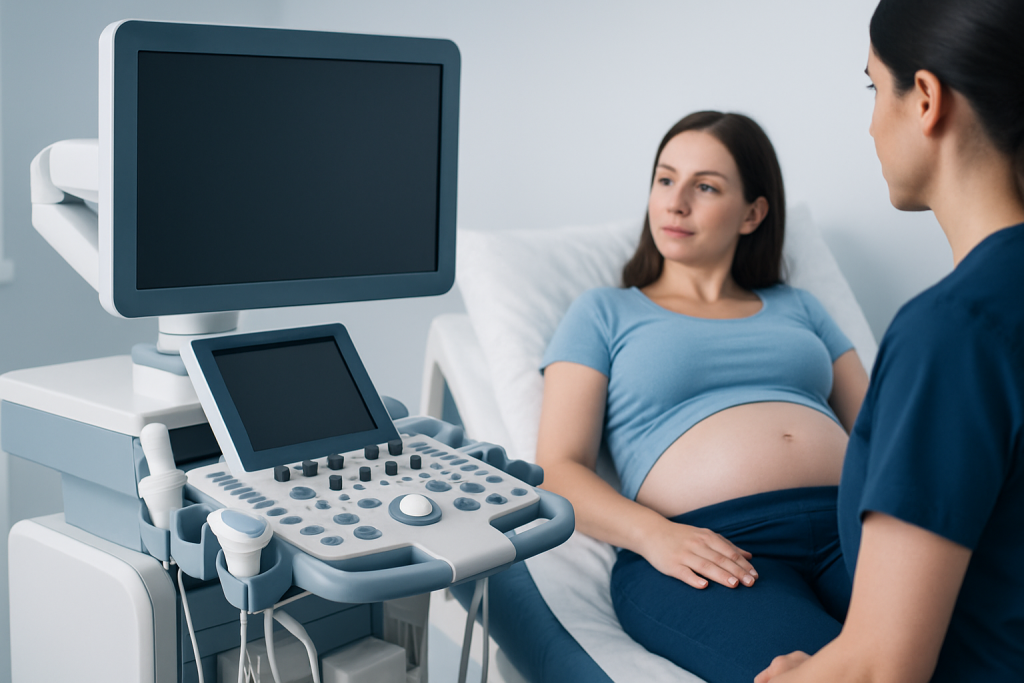
At 12 weeks, the body is still adjusting to pregnancy hormones, but the pattern of symptoms may be changing. Nausea and vomiting sometimes begin to ease around this point, though not always. Fatigue can also remain prominent, especially if sleep has been disrupted or if morning sickness has made eating difficult.
Common experiences around this time include breast tenderness, bloating, constipation, frequent urination, mild cramping, food aversions, and heightened sensitivity to smells. Some people also notice that their appetite is returning, while others still struggle to tolerate certain foods.
Emotional changes are common too. Relief, excitement, and anxiety can all show up in the same week, sometimes in quick succession. A gentle, realistic approach tends to help: pregnancy is not meant to feel identical from one person to the next.
- Nausea or improving morning sickness
- Fatigue and need for extra rest
- Breast changes and mild tenderness
- Bloating, gas, or constipation
- More frequent urination
What Is Happening to the Baby
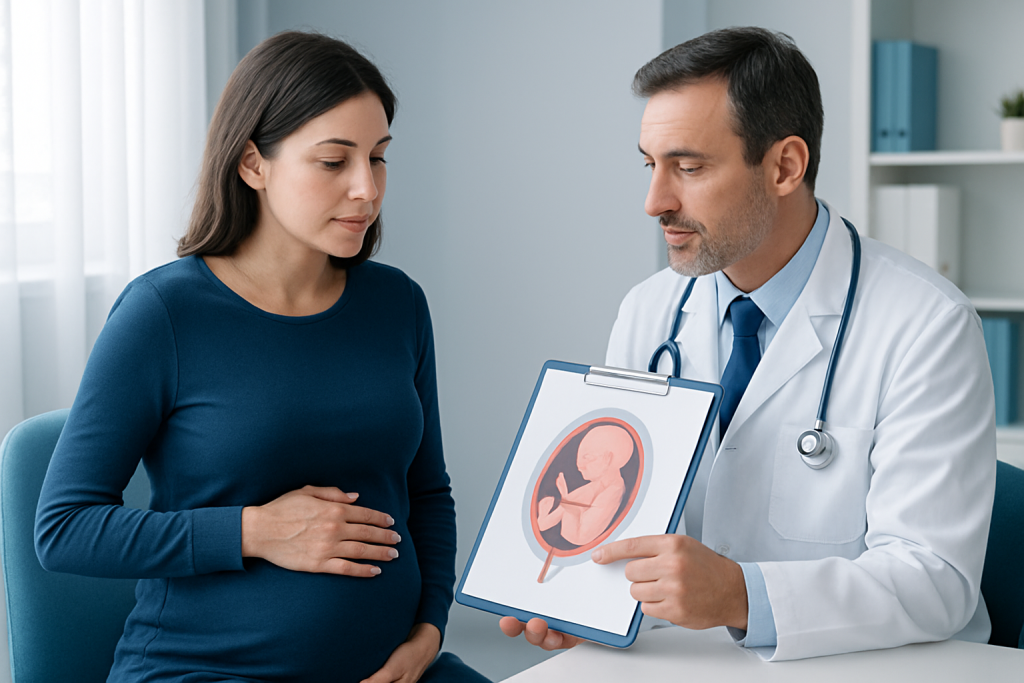
By 12 weeks, the baby is no longer in the very earliest stage of organ formation. Many essential structures have already started to develop, and the focus now shifts toward growth, refinement, and movement. The baby’s body is becoming more proportionate, and tiny features such as fingers, toes, and facial structures continue to take shape.
Although the baby is still very small, important systems are progressing quickly. The kidneys, digestive system, and nervous system are developing further, and the heart is beating in a coordinated rhythm. Small movements may be happening even if they cannot yet be felt by the parent.
This is also a stage when ultrasound can be especially reassuring. Depending on timing and local practice, a clinician may be able to confirm the pregnancy location, check the heartbeat, estimate gestational age, and look for early signs that the pregnancy is developing as expected.
Causes & Risk Factors
There is no single cause of how pregnancy feels at 12 weeks, because symptoms are shaped by hormone levels, the body’s response to pregnancy, and a person’s overall health. Human chorionic gonadotropin, progesterone, and estrogen all contribute to the changes that make early pregnancy so noticeable.
Some people have a more difficult first trimester because of a history of severe nausea in prior pregnancies, carrying multiples, certain digestive conditions, thyroid disease, or other health factors. Age, stress level, sleep quality, and access to food and hydration can also affect how comfortable this stage feels.
Risk factors for needing closer medical attention are different from ordinary symptoms. A history of miscarriage, ectopic pregnancy, bleeding disorders, fertility treatment, or chronic medical conditions may mean earlier or more frequent monitoring. A doctor can advise on what level of follow-up is appropriate in each situation.
Diagnosis and Prenatal Checks
At 12 weeks, prenatal care may include a routine visit, blood pressure check, urine testing, review of symptoms, and discussion of supplements and medication safety. If a scan is scheduled, it may help confirm the pregnancy’s age, check fetal growth, and look for heartbeat and anatomy that are visible at this stage.
Some patients may also be offered screening tests depending on local practice, medical history, and personal preference. These can include blood tests and ultrasound-based assessments that help estimate the chance of certain chromosomal or structural conditions. The purpose is to provide information early enough for thoughtful decision-making, not to create alarm.
For patients traveling for prenatal assessment, it is useful to bring previous scan reports, lab results, medication lists, and the first day of the last menstrual period if known. Clear records help the care team interpret findings accurately, especially when appointments happen across different countries or healthcare systems.
Treatment Options
There is no treatment needed for a normal 12-week pregnancy itself, but there are many ways care teams support comfort and safety. If nausea is persistent, a doctor may suggest dietary adjustments or pregnancy-safe medications. If constipation, heartburn, or sleep disturbance is becoming bothersome, these concerns can also be addressed in a stepwise way.
When a scan or exam shows a concern, treatment depends entirely on the finding. Some issues need only observation and follow-up, while others may require specialist input from maternal-fetal medicine, gynecology, genetics, or another discipline. A careful plan is usually built around the person’s symptoms, test results, and preferences.
For international patients, it can be helpful to coordinate care before travel, especially if any prior results need review or repeat testing is anticipated. Multidisciplinary teams can make that process smoother by ensuring the pregnancy history, imaging, and lab data are interpreted together rather than in isolation.
Prevention & Self-care
Healthy habits at 12 weeks are less about perfection and more about steady, practical support. Eating small, balanced meals may help with nausea and energy, while drinking fluids regularly can reduce dehydration, especially if vomiting has been a problem. Prenatal vitamins are commonly recommended to support folate and other important nutrients, but they should be taken as advised by a clinician.
Gentle movement is often helpful if the pregnancy is uncomplicated and a doctor has not advised limits. Walking, stretching, and other low-impact activities may improve circulation, bowel function, and sleep. Rest matters too; short naps or earlier bedtimes can be useful when fatigue is strong.
Other sensible steps include avoiding alcohol, checking that medications and herbal products are pregnancy-safe, and seeking advice before long-distance travel if there are symptoms or prior complications. If travel is planned, a prenatal appointment before departure can help clarify what follow-up may be needed abroad.
- Use small, frequent meals if nausea is still present
- Choose fluids that are easier to tolerate, such as water or diluted drinks
- Prioritize sleep and regular rest periods
- Continue prenatal vitamins unless told otherwise
- Ask before taking new medicines, supplements, or herbal products
When to See a Doctor
Medical advice should be sought promptly if there is vaginal bleeding, strong or one-sided abdominal pain, severe vomiting that prevents keeping fluids down, fever, fainting, or any sudden worsening of symptoms. These symptoms do not always mean something is seriously wrong, but they deserve timely assessment.
It is also wise to contact a clinician if there is painful urination, persistent headache, blurred vision, swelling that feels unusual this early in pregnancy, or concern that symptoms have stopped abruptly and the person feels unwell. A healthcare professional can decide whether an exam, ultrasound, or blood test is appropriate.
Routine follow-up is just as important as urgent care. If prenatal visits are happening across borders, keeping copies of reports and knowing who to contact if something changes can make the experience much easier to manage. At Acibadem Health Point, multidisciplinary specialists and JCI-accredited hospitals can diagnose and treat pregnancy-related concerns for international patients when additional evaluation is needed.
Frequently asked questions
Is 12 weeks pregnant considered the end of the first trimester?
Yes, 12 weeks is usually near the end of the first trimester. Many people find this a reassuring milestone because early pregnancy symptoms may begin to ease, although every pregnancy develops differently.
What symptoms are normal at 12 weeks pregnant?
Nausea, fatigue, breast tenderness, bloating, constipation, and frequent urination are all common at this stage. Emotional changes can also be normal, especially as the body continues to adapt to pregnancy hormones.
What does a 12-week ultrasound usually show?
A 12-week ultrasound may help confirm the pregnancy’s timing, check the heartbeat, and assess early growth and basic anatomy. In some settings, it may also be used as part of screening for certain pregnancy conditions.
Should morning sickness be gone by 12 weeks?
Not necessarily. Many people notice improvement around this time, but nausea can last longer. If vomiting is severe or fluids cannot be kept down, medical advice is important.
Can a person travel at 12 weeks pregnant?
Many uncomplicated pregnancies allow travel at this stage, but it is sensible to confirm with a doctor first, especially if there has been bleeding, pain, prior pregnancy loss, or another medical condition. Carrying records and knowing where to seek care at the destination is also helpful.
What should be avoided at 12 weeks pregnant?
Alcohol, smoking, and unapproved medicines or supplements should be avoided. A doctor can also advise on food safety, exercise, and any activities that may not be suitable for a particular pregnancy.
References
- American College of Obstetricians and Gynecologists
- NHS
- World Health Organization
- Mayo Clinic
- Centers for Disease Control and Prevention
This article is for general information only and is not a substitute for professional medical advice. Please consult a qualified doctor about your individual situation.
More from the Health Library



Related Specialists

Prof. Dr. A. Taner Usta
Gynecology & Obstetrics
Prof. Dr. Ahmet Tayyar
Gynecology & Obstetrics
Prof. Dr. Ahmet Cem Batukan
Gynecology & Obstetrics
Dr. Sevgi Selen
Gynecology & Obstetrics