10 Weeks Pregnant

Key Takeaways
- At 10 weeks, the embryo is now considered a fetus, and early organ development is well underway.
- Nausea, fatigue, breast tenderness, and mood changes are common, but symptom patterns vary widely.
- A first prenatal visit and routine pregnancy checks help confirm progress and identify concerns early.
- Hydration, small meals, rest, and avoiding alcohol, smoking, and unapproved medicines support a healthy pregnancy.
- Urgent medical advice is important for heavy bleeding, severe pain, fainting, or symptoms that feel suddenly different from usual.
At 10 weeks pregnant, the pregnancy is still in the first trimester, and many early symptoms may be peaking while the baby’s major organs continue to develop. Understanding what is typical, what needs attention, and how to support health can make this stage feel more manageable and reassuring.
Overview
Being 10 weeks pregnant often feels like standing between two realities: the pregnancy is still new, yet many people already notice clear physical changes. This is still the first trimester, the period when the body is adapting to pregnancy hormones and the baby’s most important early structures are forming.
At this point, the embryo has developed enough to be called a fetus. The head is still proportionally large, tiny arms and legs are moving, and the foundation for major organs is in place. For the pregnant person, this week may bring a mix of nausea, exhaustion, food aversions, emotional swings, or a welcome sense that symptoms are beginning to ease.
For someone planning care across borders, 10 weeks can also be a practical time to organize prenatal records, confirm the expected due date, and discuss the first ultrasound or laboratory tests with a clinician. Clear documentation matters, especially when follow-up may happen in another country or with a different medical team later in pregnancy.
Symptoms at 10 Weeks
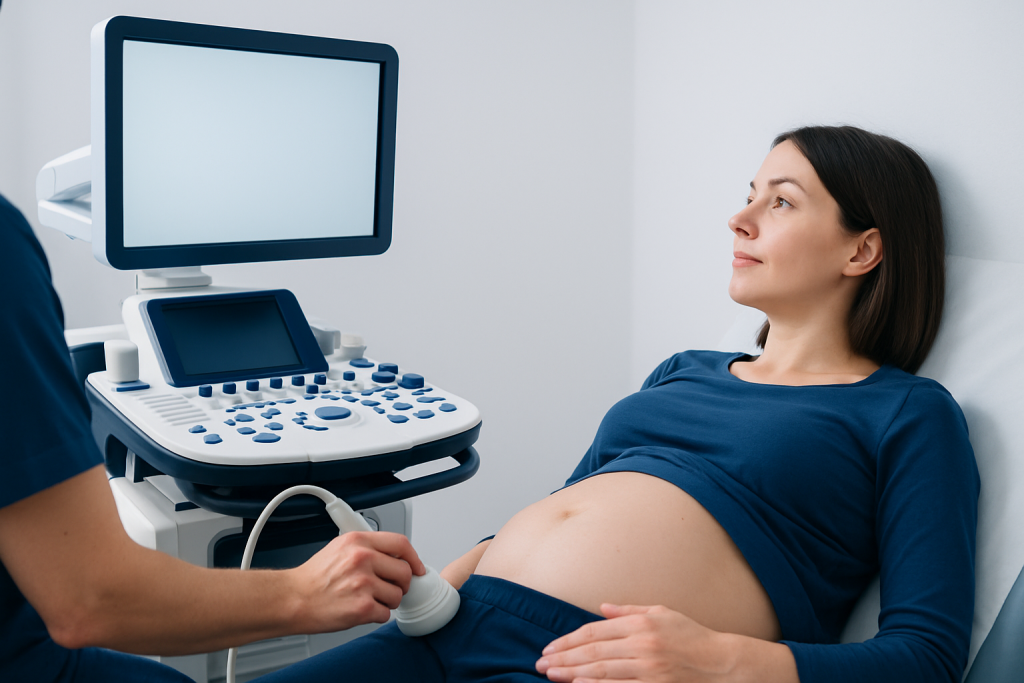
Symptoms in week 10 are shaped by hormone changes, increased blood volume, and the body’s effort to support the pregnancy. Many people still notice morning sickness, though it may happen at any time of day. Nausea can be accompanied by vomiting, sensitivity to smells, or a strong dislike of previously normal foods.
Fatigue is also common. Even simple activities may feel more tiring than usual, and some people need extra sleep or short daytime rests. Breast fullness, mild cramping, bloating, constipation, and more frequent urination can continue as the uterus grows and digestion slows.
Mood changes are another normal part of early pregnancy. Hormonal shifts, sleep disruption, and the stress of adjusting to pregnancy can make emotions feel more intense. Symptoms often differ from one pregnancy to another, so there is no single “normal” pattern that applies to everyone.
- Nausea or vomiting
- Breast tenderness or enlargement
- Fatigue and sleepiness
- Mild lower abdominal cramping
- Bloating, gas, or constipation
- Frequent urination
- Mood swings
Baby Development and What Is Happening Internally
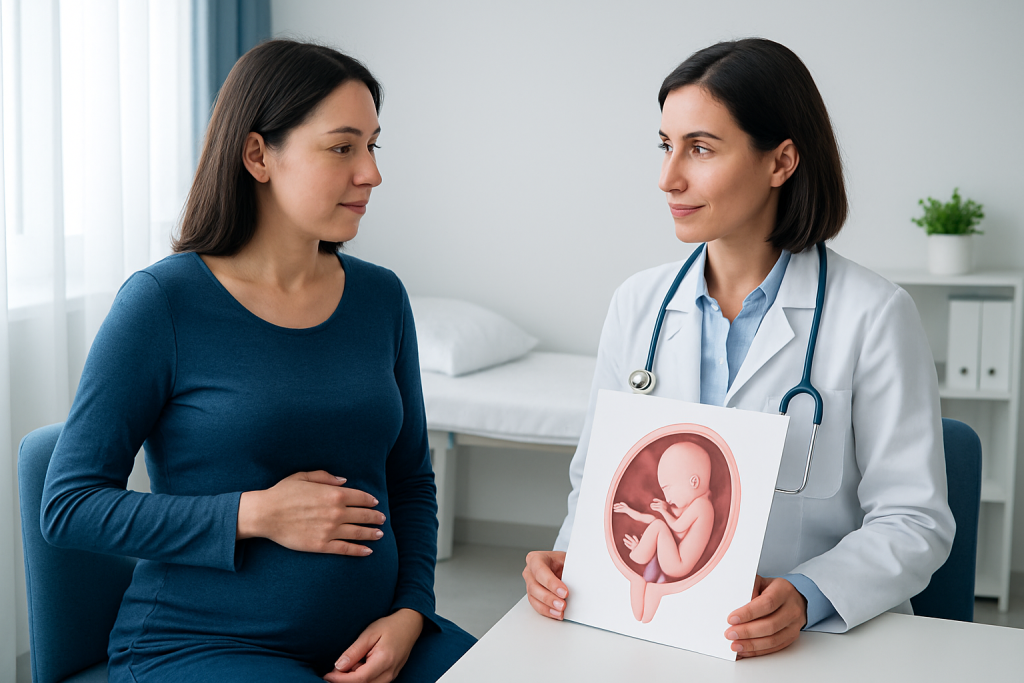
By 10 weeks, the fetus is growing quickly in size and complexity. Fingers and toes are more distinct, facial features continue to develop, and small movements may begin, even though they are not usually felt yet. The brain, spine, heart, kidneys, and other organs are maturing in coordinated stages.
Inside the uterus, the placenta is taking on a larger role in supplying oxygen and nutrients. This transition is important because it gradually shifts support for the pregnancy from the early hormonal environment to a more stable placental system. That process can influence how symptoms feel from week to week.
Although the physical changes are invisible to the pregnant person, this is a sensitive stage of development. For that reason, routine prenatal care, appropriate supplements, and avoidance of harmful exposures matter. It is also a common time for clinicians to review medical history, medications, family history, and any symptoms that could affect pregnancy planning.
Causes & Risk Factors
There is no cause for the normal changes experienced at 10 weeks pregnant; they are expected effects of pregnancy itself. Hormones such as human chorionic gonadotropin and progesterone contribute to nausea, breast changes, slowed digestion, and fatigue. The body is also adjusting cardiovascular and metabolic systems to support the growing fetus.
Some factors can make symptoms more noticeable. People carrying multiples, those with a history of significant morning sickness, or those with higher sensitivity to pregnancy hormones may experience stronger nausea or exhaustion. Stress, poor sleep, dehydration, and limited food intake can also make symptoms harder to tolerate.
Certain background health conditions can deserve closer observation in early pregnancy. Examples include diabetes, thyroid disorders, anemia, high blood pressure, autoimmune disease, and a history of pregnancy complications. A clinician may recommend more tailored follow-up when these issues are present.
Diagnosis and Prenatal Checks
At 10 weeks, diagnosis usually means confirming that the pregnancy is progressing as expected and estimating gestational age. Many people have already had a positive pregnancy test, but a prenatal appointment adds more context: medical history, current symptoms, and an initial plan for care.
An ultrasound may be used to confirm fetal location, check heartbeat, and refine the due date if needed. Blood and urine tests are also common. These may include blood type and Rh factor, blood count, infection screening, and checks related to immunity or metabolic health, depending on the clinic’s protocol and the person’s risk profile.
If travel is part of the care journey, keeping copies of test results, ultrasound reports, and medication lists can help the next doctor understand the pregnancy quickly. Consistent records reduce confusion when care is shared across countries or between different health systems.
Treatment Options
There is no treatment for pregnancy itself, but there are safe ways to manage discomfort and support healthy development. For nausea, smaller and more frequent meals may help. Bland foods, ginger for some people, and avoiding strong odors can also be useful. If vomiting is frequent or hydration becomes difficult, a doctor should be contacted.
Rest is important, but light activity may still be beneficial if approved by the clinician. Walking, stretching, and gentle movement can help circulation and bowel function. Prenatal vitamins, including folic acid as advised by a doctor, are commonly recommended to support fetal development.
Any medicine, supplement, or herbal product should be reviewed before use in pregnancy. Even products sold as “natural” may not be appropriate. Treatment decisions should always be individualized, especially for people with chronic illness, allergies, or prior pregnancy complications.
Prevention & Self-care
Healthy habits in early pregnancy are less about perfection and more about consistency. Drinking enough fluids, eating balanced meals when possible, and resting when the body asks for it can make a meaningful difference. If food is difficult, choosing simple, tolerable options is often better than forcing large meals.
It is also important to avoid alcohol, smoking, recreational drugs, and any medication not cleared by a healthcare professional. Prenatal care appointments help monitor blood pressure, weight changes, symptoms, and fetal development. For Myomectomy Recovery for International Patients: The Usual Travel Timeline" class="ahp-ilk">international patients, this is a good stage to plan future follow-up, ask how records will be shared, and identify where urgent care would be available during travel.
- Eat small meals or snacks if nausea is present
- Stay hydrated with water or other tolerated fluids
- Prioritize sleep and rest
- Use prenatal vitamins as recommended
- Avoid tobacco, alcohol, and non-prescribed substances
- Keep prenatal records accessible for future visits
When to See a Doctor
Most symptoms at 10 weeks pregnant are expected, but some changes deserve medical review. Heavy vaginal bleeding, severe abdominal pain, persistent vomiting, fainting, fever, or signs of dehydration should be assessed promptly. A sudden change in symptoms can matter even when the overall pregnancy has seemed uncomplicated.
It is also sensible to contact a doctor if nausea prevents eating or drinking, if painful urination develops, or if there is concern about medication exposure. People with chronic medical conditions, prior miscarriage, ectopic pregnancy, or a history of preterm birth may benefit from earlier and more frequent guidance.
When care is being arranged abroad, it can help to choose a clinic that can coordinate imaging, laboratory testing, and obstetric review in one plan. Acibadem Health Point’s multidisciplinary specialists and JCI-accredited hospitals diagnose and treat pregnancy-related concerns for international patients, with attention to continuity and follow-up.
Frequently asked questions
What is the baby doing at 10 weeks pregnant?
At 10 weeks, the fetus is growing rapidly and major organs continue to develop. Tiny limbs, facial features, and internal systems are becoming more defined, although movement is not usually felt yet.
Is nausea still normal at 10 weeks pregnant?
Yes, nausea is very common around this time and may still be present or even peak in the late first trimester. If vomiting is frequent or fluids cannot stay down, a clinician should be contacted.
Should a heartbeat be seen on ultrasound at 10 weeks?
In many pregnancies, a heartbeat can be detected by this stage, depending on the type of ultrasound and the exact dating of the pregnancy. A clinician can explain what is expected in the specific situation.
What foods are best at 10 weeks pregnant if eating feels difficult?
Small, simple, and tolerated foods are often easier during nausea. Many people do better with bland meals, crackers, toast, soups, yogurt, fruit, or other mild options in smaller portions.
Can exercise continue at 10 weeks pregnant?
Gentle exercise is often acceptable in uncomplicated pregnancies, but it should be individualized. A doctor can advise what is safe based on symptoms, medical history, and any pregnancy risks.
When should bleeding in early pregnancy be checked?
Any heavy bleeding, bleeding with pain, or bleeding that is unusual for the person should be discussed with a doctor. Even lighter bleeding may need review if it is accompanied by cramping, dizziness, or other concerning symptoms.
References
- American College of Obstetricians and Gynecologists
- National Health Service
- World Health Organization
- Mayo Clinic
- March of Dimes
This article is for general information only and is not a substitute for professional medical advice. Please consult a qualified doctor about your individual situation.
More from the Health Library



Related Specialists

Prof. Dr. A. Taner Usta
Gynecology & Obstetrics
Prof. Dr. Ahmet Tayyar
Gynecology & Obstetrics
Prof. Dr. Ahmet Cem Batukan
Gynecology & Obstetrics
Dr. Sevgi Selen
Gynecology & Obstetrics