Heating Pad For Dysmenorrhea

Key Takeaways
- Heat may help reduce menstrual cramping by relaxing tense muscles and improving comfort.
- A heating pad is a supportive measure, not a cure for the cause of dysmenorrhea.
- Safe use matters: avoid very high heat, long direct contact, and use extra caution with sensitive skin.
- Severe, new, or worsening period pain should be evaluated by a clinician.
- Tracking symptoms can help identify whether cramps are typical or linked to another condition.
Medically reviewed by the Acıbadem clinical team — July 13, 2026
A heating pad can be a simple, comforting way to ease dysmenorrhea, or menstrual cramps, by helping the pelvic muscles relax and improving the sense of warmth and comfort during a period. It may be especially helpful when used as part of a broader plan that includes rest, hydration, gentle movement, and medical advice when pain is severe or unusual.
Overview
Dysmenorrhea is the medical term for painful menstrual cramps. For many people, the discomfort is felt low in the abdomen, but it can also spread to the lower back, hips, or thighs. A heating pad is often used because warmth can feel soothing when the uterus is contracting and the surrounding muscles feel tense.
For someone deciding how to manage period pain, a heating pad is attractive because it is simple, noninvasive, and easy to use at home or while traveling. It can be part of a practical self-care plan for students, professionals, and international patients who may want short-term relief while arranging medical care or waiting for follow-up abroad.
It is important to keep expectations realistic. Heat can ease symptoms, but it does not diagnose the cause of the pain. If cramps are severe, persist outside the menstrual period, or interfere with daily life, medical evaluation is the next step rather than relying on heat alone.
Symptoms
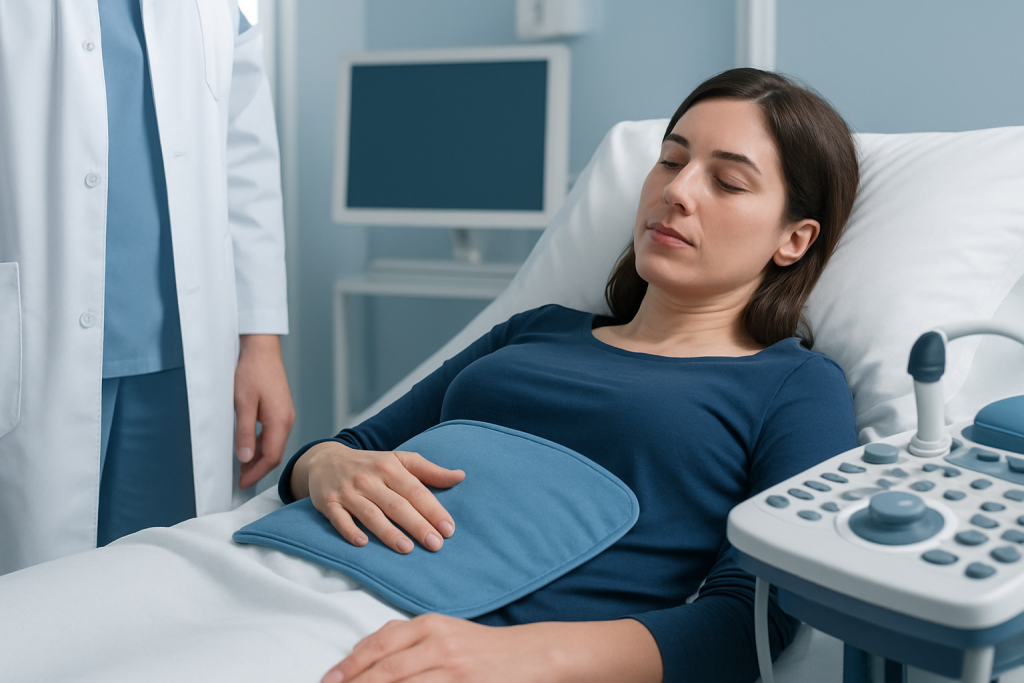
Typical menstrual cramps usually begin shortly before or at the start of bleeding and may peak during the first day or two of the period. Pain often feels crampy, aching, or heavy, and some people also notice nausea, loose stools, fatigue, headache, or a general sense of being unwell.
A heating pad may be most helpful when the pain feels muscular or wave-like and when warmth brings a clear sense of easing. Many people place it on the lower abdomen, while others prefer the lower back. The effect is often gradual rather than immediate, and it may reduce the need to stay tense or curled up.
Some symptoms suggest that the cramps may not be the usual kind of period pain. Examples include pain that is one-sided, sudden and sharp, associated with fever, linked to heavy bleeding, or present at other times in the cycle. These patterns deserve medical attention.
Causes & Risk Factors
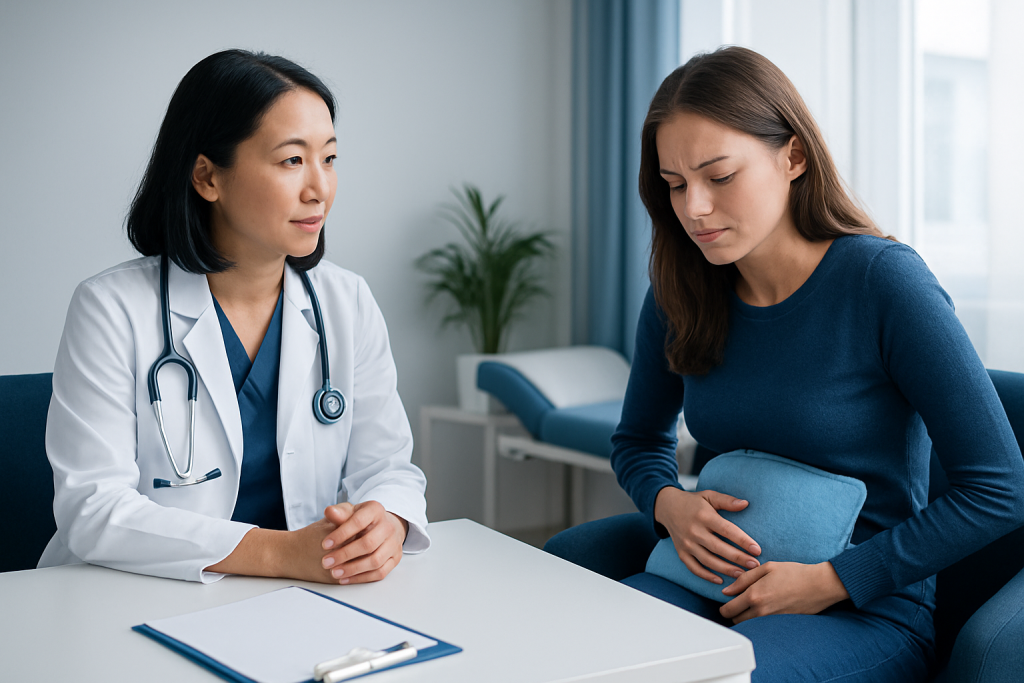
Primary dysmenorrhea refers to cramps that occur without an underlying pelvic disease. It is commonly related to prostaglandins, natural substances that help the uterus contract during menstruation. When prostaglandin levels are higher, cramps can feel stronger and may be accompanied by nausea or bowel changes.
Secondary dysmenorrhea means the pain is linked to another condition, such as endometriosis, adenomyosis, fibroids, pelvic inflammatory disease, or an ovarian cyst. In these cases, a heating pad may still offer temporary comfort, but the underlying problem usually needs medical assessment and targeted treatment.
Factors that may be associated with more noticeable cramps include younger age at first periods, heavier menstrual flow, a family history of painful periods, smoking, and conditions affecting the uterus or pelvis. Stress and poor sleep do not cause dysmenorrhea on their own, but they can make pain feel harder to tolerate.
Diagnosis
When period pain becomes a pattern rather than an occasional inconvenience, a clinician usually begins by asking about the timing, location, and severity of the cramps, as well as bleeding patterns, bowel or bladder symptoms, and whether pain occurs between periods. A careful history often gives important clues about whether the pain is likely primary or secondary dysmenorrhea.
A pelvic examination may be recommended in some situations, depending on age, symptoms, and medical history. Ultrasound or other imaging tests may be used if the clinician suspects fibroids, ovarian cysts, adenomyosis, or another structural cause. In some cases, additional testing is needed to evaluate for endometriosis or infection.
For patients seeking care from another country, it can help to bring a menstrual diary, previous scan reports, and a list of medications tried. Clear documentation allows the medical team to move more efficiently from symptom relief to a longer-term plan.
Treatment Options
Heat therapy is one part of symptom care, and it is often combined with other approaches. Nonprescription pain relievers may be recommended by a clinician for menstrual cramps, especially when taken according to medical guidance and package instructions. Some people also benefit from gentle exercise, adequate sleep, and relaxation techniques.
If dysmenorrhea is linked to a condition such as endometriosis or fibroids, treatment may focus on the underlying cause. Depending on the diagnosis, options can include hormonal therapy, procedures, or surgery. The right plan depends on age, fertility goals, symptom pattern, and the findings from evaluation.
Heat can still have a role even when medical treatment is needed. It may make waiting periods more manageable, reduce muscle guarding, and help a person stay more comfortable during a workday, a flight, or recovery after a procedure. Still, it is best viewed as support rather than a stand-alone treatment.
Prevention & Self-care
Safe heating pad use starts with moderation. A warm, not hot, setting is usually the most comfortable choice, and it is best to place a cloth layer between the pad and skin when possible. The pad should not be used while sleeping unless the product is specifically designed for that purpose and the instructions clearly allow it.
Many people find that a combination of habits works better than one measure alone. Gentle walking or stretching, regular meals, hydration, and reducing stress can all help the body cope with cramps. Some individuals also find warmth from a hot water bottle, heated wrap, or warm bath equally comforting.
- Check the skin often for redness or irritation.
- Avoid falling asleep with a standard heating pad in place.
- Use extra caution if sensation is reduced, such as with neuropathy.
- Stop using heat if it causes discomfort, dizziness, or skin changes.
For international patients, self-care during travel matters as well. Keeping a small heat patch, a reusable wrap, and a simple symptom log can make it easier to manage cramps and describe them clearly during a consultation.
When to See a Doctor
Medical review is a good idea when cramps are severe enough to miss school, work, or travel plans, or when pain does not improve with usual self-care. It is also important to seek evaluation if symptoms are getting worse over time, if periods have become much heavier, or if pain appears outside the menstrual cycle.
Prompt attention is especially important if there is fever, foul-smelling discharge, pain after sexual activity, pain with urination, fainting, or a sudden change in the usual pattern. These signs can point to infection or another condition that should not be managed with heat alone.
Women who are planning fertility treatment, managing known endometriosis, or traveling from abroad for care may benefit from a coordinated assessment. Acibadem Health Point’s multidisciplinary specialists and JCI-accredited hospitals diagnose and treat this condition for international patients in a structured, patient-centered way.
Living With Period Pain
Period pain can be disruptive even when it is medically common. A heating pad may offer a small but meaningful sense of control, especially when symptoms arrive at inconvenient times. For some people, that comfort is enough to get through the day; for others, it is only one part of a broader approach.
Keeping track of the cycle can make a real difference. Noting when pain starts, how long it lasts, where it is felt, and what helps can reveal patterns that guide treatment decisions. That information is also useful during follow-up visits, particularly when care happens across countries or between short appointments.
The goal is not simply to tolerate pain, but to understand it well enough to treat it appropriately. When heat, rest, and other self-care steps are no longer enough, a clinician can help determine whether the cramps are typical dysmenorrhea or a sign of another condition.
Frequently asked questions
Can a heating pad really help dysmenorrhea?
Yes, many people find that heat eases menstrual cramps by helping pelvic muscles relax and making the area feel less tense. It is a supportive measure, though, not a cure for the cause of the pain. If cramps are severe or changing, medical evaluation is still important.
Where should a heating pad be placed for period cramps?
Most people place it on the lower abdomen, and some prefer the lower back if that is where the discomfort is strongest. The best location is usually the one that feels most soothing without causing skin irritation. A thin layer of clothing or fabric between the pad and skin can improve safety.
How long should a heating pad be used?
Use should follow the product instructions, with regular checks on the skin and comfort level. Heat should not be so intense that it causes redness, burning, or numbness. It is generally wise not to fall asleep with a standard heating pad in place.
Is it safe to use a heating pad every month?
For many people, occasional use during periods is reasonable when the device is used correctly. The main concern is skin injury from excess heat or prolonged direct contact. If the need for a heating pad is constant or the pain is worsening, a clinician should assess the cause.
What if heat does not help my cramps?
If heat provides little or no relief, the cramps may need additional treatment or a different explanation may be present. A clinician can review symptoms and suggest appropriate next steps, which may include medication, testing, or referral. Persistent or severe pain should not be ignored.
Can period pain mean something serious?
Sometimes it can, especially if the pain is new, severe, one-sided, associated with fever, or accompanied by very heavy bleeding. Conditions such as endometriosis, fibroids, or pelvic infection can cause painful periods. A medical assessment can help separate common cramps from conditions that need treatment.
References
- World Health Organization
- American College of Obstetricians and Gynecologists
- Mayo Clinic
- NHS
- Merck Manual Professional Edition
This article is for general information only and is not a substitute for professional medical advice. Please consult a qualified doctor about your individual situation.