Yellow Eyes: Causes and Treatment

Key Takeaways
- Yellow eyes are often a visible sign of jaundice, not a condition on their own.
- Liver, gallbladder, blood, and some medication-related problems can all contribute.
- Diagnosis usually involves a medical history, examination, blood tests, and sometimes imaging.
- Treatment depends on the underlying cause and may range from monitoring to targeted medical care.
- Prompt medical review is important if yellow eyes appear with pain, fever, dark urine, pale stools, or confusion.
Medically reviewed by the Acıbadem clinical team — August 19, 2026
Yellow eyes are usually a sign that bilirubin has built up in the body, causing the white part of the eye to look yellow. The change can be linked to liver, gallbladder, blood, or eye conditions and should be medically evaluated to find the cause.
Overview
When the whites of the eyes turn yellow, many people notice it first in a mirror, in photos, or when a family member points it out. This change is often called scleral icterus and usually means that bilirubin, a yellow pigment made when the body breaks down red blood cells, is building up in the bloodstream.
Yellow eyes are not a diagnosis by themselves. They are a clue that something elsewhere in the body may need attention, most often in the liver or bile ducts, but sometimes in the blood or, more rarely, in the eyes themselves. Because the cause can vary widely, the next step is not guessing but identifying where the bilirubin is coming from and why it is not being cleared normally.
For international patients, this is often the point where a clear plan matters most: deciding whether the change can wait for a routine appointment or whether a more prompt evaluation is sensible before traveling, during a trip, or after returning home. A careful workup can usually sort out the cause and guide the right treatment path.
Symptoms
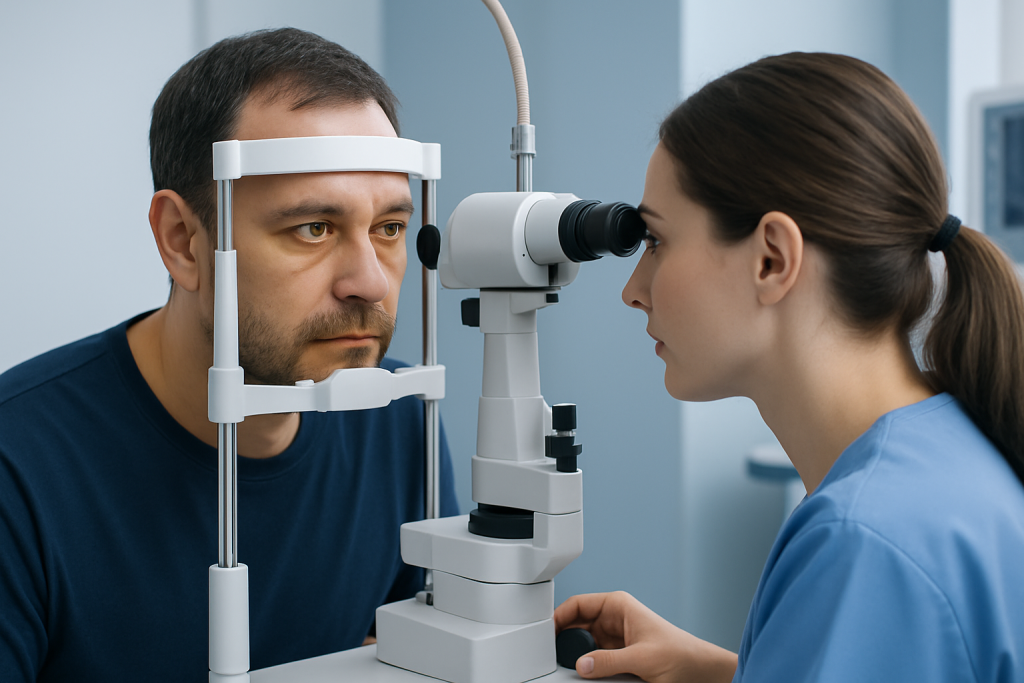
Yellowing of the eyes may be subtle at first, especially in natural light. In many people, it is noticed before yellowing of the skin, particularly in the face or the palms. The change may be even easier to see if the person is tired, has been indoors, or is compared with older photographs.
Yellow eyes may appear alone, but they often come with other symptoms that help reveal the underlying issue. These may include dark urine, pale stools, itching, abdominal discomfort, nausea, fatigue, loss of appetite, or a feeling of fullness in the upper right side of the abdomen. Some people also notice weight loss, fever, or a general sense of being unwell.
Because the cause matters, associated symptoms deserve attention. For example, eye yellowing with abdominal pain can point toward a bile duct or gallbladder problem, while yellow eyes with easy bruising, swelling, or confusion may suggest more advanced liver dysfunction. New yellowing in a newborn, in particular, is handled differently from adult cases and should be assessed according to pediatric guidance.
Causes & Risk Factors

Yellow eyes happen when bilirubin levels rise or when bilirubin processing is disrupted. The most common broad categories are pre-liver causes, liver causes, and post-liver causes. Pre-liver causes include increased breakdown of red blood cells, which can happen in some blood disorders. Liver causes include hepatitis, fatty liver disease, cirrhosis, alcohol-related liver injury, and inherited liver conditions. Post-liver causes involve blocked bile flow, often from gallstones, inflammation, strictures, or tumors affecting the bile ducts.
Medication effects and toxin exposure can also play a role. Some medicines may affect the liver or interfere with bilirubin handling, and herbal products are sometimes overlooked in the history. Infections, autoimmune disease, and metabolic disorders can also contribute. In some people, a harmless inherited condition such as Gilbert syndrome causes mild bilirubin elevation that may become more noticeable during fasting, illness, or stress.
Risk factors depend on the underlying condition, but they can include a history of liver disease, heavy alcohol use, viral hepatitis exposure, gallstones, certain blood disorders, recent travel to areas where hepatitis is more common, or use of medications and supplements that may affect the liver. A family history of liver or blood disorders can also be relevant. Age, immune status, and pregnancy may influence the evaluation as well.
Diagnosis
Diagnosis usually begins with a conversation about when the yellowing started, whether it is getting worse, and what other symptoms are present. A clinician will often ask about alcohol intake, medications, supplements, travel, viral exposures, prior liver disease, blood disorders, and any abdominal pain or changes in urine or stool color. A physical examination may look for liver enlargement, tenderness, jaundice in the skin, itching marks, swelling, or signs of anemia.
Blood tests are central to the evaluation. These may include bilirubin levels, liver enzymes, alkaline phosphatase, blood counts, and tests that show how well the liver is making proteins and clotting factors. Depending on the pattern of results, additional tests may look for hepatitis viruses, autoimmune markers, or evidence of red blood cell breakdown.
Imaging is often used when blockage of bile flow is a concern. Ultrasound is commonly the first step, and other studies such as CT, MRI, or specialized bile duct imaging may be recommended when needed. In some cases, further procedures or specialist review are required to clarify whether the cause is inflammatory, obstructive, or related to liver tissue itself. The right test sequence depends on the person’s symptoms and the initial lab findings.
Treatment Options
Treatment is directed at the cause rather than the yellow color itself. If the issue is hepatitis, care may involve monitoring, antiviral treatment, rest, and follow-up blood tests. If gallstones or bile duct obstruction are responsible, treatment might include endoscopic procedures, surgery, or other approaches to restore bile flow. Liver disease linked to alcohol use, metabolic conditions, or medication exposure requires addressing the trigger and supporting liver recovery whenever possible.
Some causes need specialist management, especially when bilirubin rises quickly, symptoms are significant, or liver function is affected. Blood-related causes may require treatment for anemia or the underlying hemolysis. Inherited mild conditions may need reassurance and observation rather than intensive therapy, but only after proper evaluation confirms that no other cause is present.
For patients traveling from another country, treatment planning should also consider follow-up logistics. It is helpful to know what tests will be needed after the initial visit, whether repeat blood work is expected, and how results will be shared once the person has returned home. Acibadem Health Point’s multidisciplinary specialists and JCI-accredited hospitals can diagnose and treat this condition for international patients, with care plans designed to stay practical beyond the first appointment.
Prevention & Self-care
Not every cause of yellow eyes can be prevented, but some steps can lower risk or support liver health. Limiting alcohol, keeping vaccinations up to date when appropriate, practicing safe food and water habits while traveling, and avoiding unnecessary use of medications or supplements that may affect the liver are sensible measures. People with known liver disease should follow their clinician’s advice closely and attend scheduled monitoring visits.
At home, the eye color itself should not be treated with over-the-counter remedies. Instead, people can help by noting when the change began, whether it is worsening, and what other symptoms appear alongside it. Keeping a simple list of recent medications, herbal products, illnesses, and travel history can be surprisingly useful at the medical visit.
Recovery often depends on patience and follow-up. Even when symptoms improve, liver- or bile-related conditions may need repeat testing to confirm that bilirubin is falling and that the underlying problem is resolved. When care begins in one country and continues in another, written test results and imaging reports can make the handoff much smoother.
When to See a Doctor
Yellow eyes should be evaluated by a doctor, especially if the change is new, persistent, or not clearly explained. Medical review is particularly important if the person also has dark urine, pale stools, abdominal pain, itching, fever, nausea, vomiting, unexplained weight loss, or fatigue. These features can point toward a liver or bile duct problem that should not be left to watch and wait.
Urgent assessment is sensible if yellow eyes appear with confusion, drowsiness, severe abdominal pain, vomiting, a swollen abdomen, bleeding, or signs of dehydration. New jaundice in a baby or a child also needs prompt pediatric assessment. If the yellowing follows a new medication, supplement, or toxin exposure, it should be mentioned early in the consultation.
For adults arranging care while abroad, it is usually wise to seek medical advice before long-distance travel if the yellowing is progressive or accompanied by other symptoms. That approach allows the clinician to decide whether immediate treatment, local testing, or specialist referral is needed, and it can prevent delays once the person is away from home.
Living With the Condition
If the cause of yellow eyes is found to be temporary and reversible, the condition often improves once treatment begins. If it reflects a chronic liver or blood disorder, ongoing monitoring may be needed to keep the underlying condition stable. In either case, understanding the diagnosis helps people make informed choices about diet, alcohol, medications, travel, and follow-up testing.
It can also help to remember that the visible color change is only one part of the picture. Some people feel well despite yellow eyes, while others have more serious symptoms that need closer attention. A calm, structured evaluation is the safest way to separate a benign explanation from a problem that needs treatment.
Many patients are reassured once the cause is identified and a clear plan is in place. Whether care happens locally or during an international medical trip, the goal is the same: confirm the reason for the bilirubin change, treat it appropriately, and make sure the person knows what to watch for next.
Frequently asked questions
Are yellow eyes always caused by liver disease?
No. Liver problems are common causes, but yellow eyes can also come from bile duct obstruction, blood disorders, some medications, or inherited conditions. A doctor uses symptoms, blood tests, and sometimes imaging to identify the source.
Can yellow eyes go away on their own?
Sometimes they can, especially if the cause is mild or temporary, such as a short-lived illness or a benign inherited pattern. Even then, the reason should be checked so a more serious condition is not missed.
What is the difference between yellow eyes and jaundice?
Yellow eyes are one sign of jaundice, which is the broader yellowing of the skin and eyes caused by bilirubin buildup. A person can notice the eyes first before the skin changes become obvious.
Do yellow eyes mean hepatitis?
Not necessarily. Hepatitis is one possible cause, but gallstones, bile duct blockage, alcohol-related liver injury, and other conditions can also lead to yellow eyes. Testing is needed to tell them apart.
What tests are usually done for yellow eyes?
Doctors commonly start with blood tests for bilirubin, liver enzymes, and blood counts. Depending on the results, they may add hepatitis tests and imaging such as ultrasound or MRI.
Should someone with yellow eyes travel before seeing a doctor?
If the yellowing is new or accompanied by pain, fever, dark urine, pale stools, or confusion, it is better to be assessed before traveling. If travel is unavoidable, bringing test results and a medication list can help the next doctor continue care efficiently.
References
- National Institute of Diabetes and Digestive and Kidney Diseases
- Merck Manual Professional Edition
- Mayo Clinic
- American Liver Foundation
- National Health Service
This article is for general information only and is not a substitute for professional medical advice. Please consult a qualified doctor about your individual situation.
Explore treatments in Turkey — costs, top hospitals & a free quote
JCI-accredited · board-certified surgeons · reply within 24h
Add us as a Preferred Source to see more of our trusted health content across Google Search, AI Overviews and Discover.