Lower Abdominal Pain: Causes and Treatment

Key Takeaways
- Lower abdominal pain is a symptom, not a diagnosis, and its cause depends on location, timing, and associated symptoms.
- Digestive, urinary, reproductive, and muscle-related conditions can all cause pain in the lower abdomen.
- Sudden, severe, or persistent pain deserves medical assessment, especially if it comes with fever, vomiting, bleeding, or fainting.
- Doctors may use a physical exam, urine tests, blood work, imaging, or pelvic evaluation to identify the cause.
- Simple self-care may help mild, temporary discomfort, but ongoing or worsening pain should not be ignored.
Medically reviewed by the Acıbadem clinical team — August 19, 2026
Lower abdominal pain is a common symptom with many possible explanations, ranging from temporary digestive upset to urinary, gynecologic, or other medical conditions. Understanding the pattern of pain, associated symptoms, and timing can help guide the right next step in care.
Overview
Lower abdominal pain can feel vague, cramp-like, sharp, burning, or heavy, and the meaning changes depending on where it is felt and what else is happening in the body. For some people, it appears after a large meal or during constipation; for others, it arrives suddenly and points to a problem that needs prompt attention.
The lower abdomen contains parts of the digestive tract, urinary system, and, in women, the reproductive organs. Because several body systems overlap in the same area, the same symptom can come from very different causes. That is why doctors look at the full picture rather than the pain alone.
For international patients, this symptom can be especially unsettling when it starts while traveling, after a long flight, or during a period when access to familiar medical records is limited. A careful history, good communication, and targeted testing usually help narrow the cause efficiently.
Symptoms
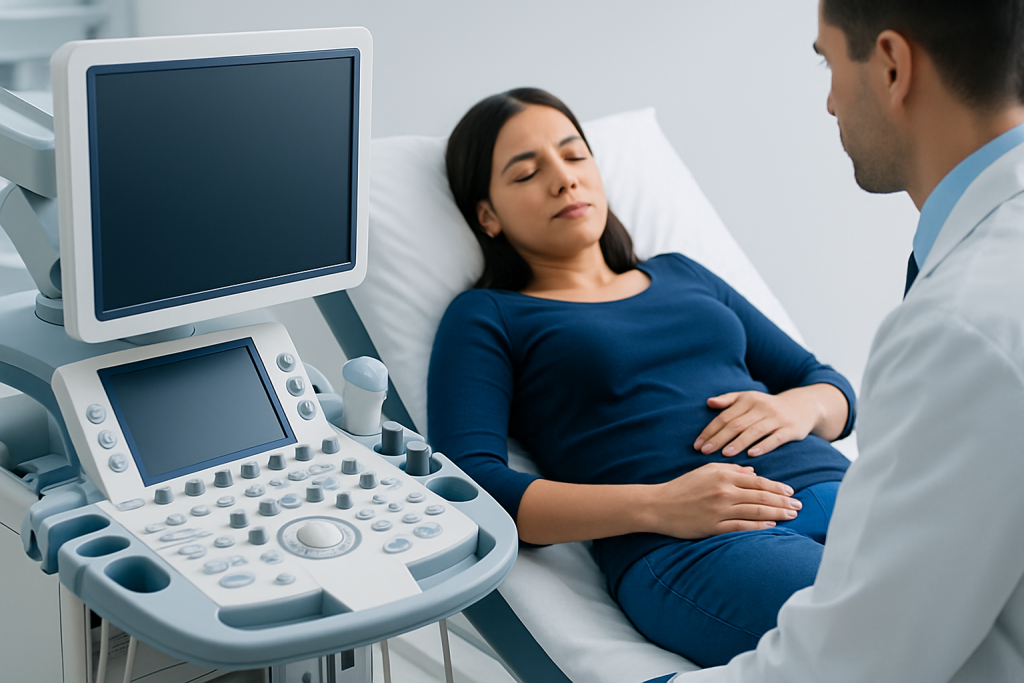
Lower abdominal pain does not always feel the same from one person to another. It may be intermittent or constant, mild or severe, centered in one spot or spread across the lower belly.
Clues that often travel with the pain are just as important as the pain itself. A doctor may ask whether there is fever, nausea, bloating, changes in bowel habits, urinary discomfort, vaginal bleeding, missed periods, or pain during movement or urination.
-
Digestive symptoms: constipation, diarrhea, gas, bloating, or pain after eating
-
Urinary symptoms: burning with urination, frequent urges, cloudy urine, or back pain
-
Gynecologic symptoms: abnormal bleeding, pelvic pressure, pain during intercourse, or missed periods
-
General warning signs: fever, vomiting, faintness, inability to stand upright, or worsening tenderness
Patterns also matter. Pain that comes and goes with bowel movements may suggest a bowel-related cause, while pain linked to the menstrual cycle may point toward a reproductive or hormonal issue. A persistent ache after exercise or lifting can be more muscular, though other causes should still be considered if the discomfort does not settle.
Causes & Risk Factors

Many everyday conditions can lead to lower abdominal pain. Digestive causes include constipation, irritable bowel syndrome, gastroenteritis, and, in some cases, appendicitis or diverticular disease. Urinary causes include urinary tract infection, Kidney Stones: Symptoms, Pain and When to Seek Care" class="ahp-ilk">kidney stones, or bladder irritation.
In women, the lower abdomen may be affected by menstrual cramps, ovulation pain, ovarian cysts, endometriosis, pelvic inflammatory disease, fibroids, or pregnancy-related conditions. In men, testicular problems can sometimes be felt as lower abdominal or groin pain, so pain in this region should not be dismissed if it seems unusual.
Risk factors depend on the cause. Recent travel, dehydration, changes in diet, constipation, prior abdominal surgery, a history of urinary infections, sexually transmitted infections, heavy menstrual bleeding, or known digestive or gynecologic conditions may all offer useful clues. Stress can also worsen gut sensitivity, but it should not be used to explain away persistent pain without proper evaluation.
Diagnosis
Doctors usually begin by asking when the pain started, where it is located, how it feels, and what makes it better or worse. They may also ask about periods, pregnancy possibility, bowel habits, urinary symptoms, medications, recent illness, and any prior scans or operations.
A physical exam helps identify whether the abdomen is tender in one area or more generalized, and whether there are signs of guarding, bloating, or muscle strain. Depending on the situation, tests may include urine analysis, blood tests, pregnancy testing, stool studies, or imaging such as ultrasound or CT.
When reproductive organs may be involved, a pelvic examination or gynecologic ultrasound may be recommended. For patients arriving from another country, bringing previous reports, imaging discs, medication lists, and a brief symptom timeline can make the assessment faster and more precise.
Treatment Options
Treatment depends entirely on the cause. A urinary infection may require prescription antibiotics, while constipation may improve with fluids, dietary adjustment, and other measures advised by a clinician. Digestive inflammation, galling pain from a stone, or a gynecologic condition may need very different approaches.
Some causes are treated conservatively, such as rest, hydration, warmth, and symptom monitoring. Others require medication, procedural treatment, or surgery. Appendicitis, ectopic pregnancy, ovarian torsion, bowel obstruction, and certain infections are examples of conditions that need prompt specialist care.
A helpful treatment plan also considers life circumstances. For travelers and international patients, doctors may choose therapies that fit recovery time, follow-up needs, and the ability to continue care once the patient returns home. Clear discharge instructions and a follow-up plan are especially important when care spans more than one country.
-
Observation and follow-up for mild, self-limited discomfort
-
Medication for infection, inflammation, cramping, or nausea when appropriate
-
Hydration, bowel management, and diet changes for selected digestive causes
-
Procedures or surgery for urgent or structural conditions
Prevention & Self-care
Not every cause of lower abdominal pain can be prevented, but several habits may reduce common triggers. Regular hydration, gradual increases in fiber, balanced meals, and movement can help support digestive comfort and reduce constipation-related pain.
Good hygiene, safe sexual practices, and timely treatment of urinary or reproductive infections can also lower risk. People with known conditions such as irritable bowel syndrome, endometriosis, or recurrent urinary infections may benefit from an individualized plan from a doctor.
For mild discomfort, short-term self-care may include rest, avoiding heavy meals, and using gentle heat if it feels soothing. However, self-care should remain conservative: if pain is severe, new, or accompanied by other symptoms, it is better to seek medical advice than to keep watching and waiting.
Travelers can help themselves by keeping a medication list, packing copies of important medical documents, and noting when symptoms began. That small record often helps clinicians in a new city or country understand the situation more quickly.
When to See a Doctor
Medical evaluation is wise when lower abdominal pain lasts more than a short time, keeps returning, or interferes with daily activities. Even if the pain seems mild, a persistent pattern can reveal a treatable issue that would otherwise remain hidden.
Urgent care is especially important if the pain is sudden or severe, or if it comes with fever, vomiting, fainting, abdominal swelling, blood in the urine or stool, black stools, vaginal bleeding, pregnancy, or difficulty passing urine or stool. These features can signal conditions that should be assessed without delay.
Anyone recovering after surgery, anyone with a known chronic disease, and anyone whose symptoms began while abroad should not hesitate to get checked. Acibadem Health Point’s multidisciplinary specialists and JCI-accredited hospitals diagnose and treat lower abdominal pain for international patients, helping coordinate evaluation and follow-up in a clear, patient-centered way.
Living With the Symptom While You Wait for Answers
Waiting for a diagnosis can be frustrating, especially when pain comes and goes. Keeping a simple symptom log often helps: note the time, location, intensity, relation to meals or bowel movements, and any associated symptoms such as fever or urinary changes.
A practical log can also help doctors compare episodes across days or across different health systems. If the patient is traveling, it is useful to save names of medications taken, copies of test results, and the contact details of any clinician already involved in the care.
Most importantly, lower abdominal pain should be taken seriously without assuming the worst. Many causes are common and manageable, but the right evaluation is what separates a temporary discomfort from a problem that needs specific treatment.
Frequently asked questions
What is the most common cause of lower abdominal pain?
There is no single most common cause because the lower abdomen contains several organs. Digestive upset, constipation, urinary infection, menstrual cramps, and muscle strain are all frequent reasons. The best clue is usually the pattern of symptoms rather than the pain alone.
Can lower abdominal pain be caused by gas or constipation?
Yes, both gas and constipation can cause cramping, pressure, and bloating in the lower abdomen. These symptoms often improve after a bowel movement, movement, hydration, or dietary adjustment. If the pain is severe or persistent, a doctor should still assess it.
When is lower abdominal pain an emergency?
It may be urgent if the pain is sudden, severe, or accompanied by fever, vomiting, fainting, swelling, bleeding, or trouble passing urine or stool. Pregnancy with abdominal pain also needs prompt medical attention. These symptoms can signal conditions that require immediate care.
Does lower abdominal pain always mean a stomach problem?
No. Lower abdominal pain can come from the bowels, bladder, reproductive organs, or muscles in the abdominal wall. That is why doctors ask about urinary, menstrual, and digestive symptoms together.
What tests might a doctor order?
Depending on the suspected cause, a doctor may order urine tests, blood work, pregnancy testing, stool tests, ultrasound, or CT imaging. A physical exam is often the starting point and helps decide which tests are most useful. The goal is to match the test to the symptom pattern.
Can stress cause lower abdominal pain?
Stress can worsen bowel sensitivity and make cramps or discomfort feel more noticeable. However, stress should not be assumed to be the only explanation for new or ongoing pain. A medical evaluation is still important if symptoms persist or change.
References
- Mayo Clinic
- Cleveland Clinic
- NHS
- Merck Manual Professional Edition
- World Health Organization
This article is for general information only and is not a substitute for professional medical advice. Please consult a qualified doctor about your individual situation.
Persistent digestive symptoms? Get evaluated in Turkey
JCI-accredited · board-certified surgeons · reply within 24h
Add us as a Preferred Source to see more of our trusted health content across Google Search, AI Overviews and Discover.