Gilbert Syndrome: Symptoms, Causes and Treatment

Key Takeaways
- Gilbert syndrome is a benign liver condition related to how bilirubin is processed.
- Mild yellowing of the eyes or skin may appear during stress, illness, fasting, or dehydration.
- Diagnosis usually involves blood tests and excluding other causes of jaundice.
- Most people do not need treatment, but general health, hydration, and regular meals can help reduce flare-ups.
- A doctor should be consulted if jaundice is new, severe, or comes with pain, fever, dark urine, or other concerning symptoms.
Medically reviewed by the Acıbadem clinical team — August 19, 2026
Gilbert syndrome is a common, usually harmless condition in which the liver processes bilirubin more slowly than usual. It often causes mild, intermittent jaundice and is typically found during routine blood tests.
Overview
Gilbert syndrome is a common inherited condition that affects the way the liver handles bilirubin, a yellow substance made when red blood cells break down. In people with Gilbert syndrome, bilirubin may rise and fall over time, leading to mild jaundice, especially during periods when the body is under strain.
It is usually considered a benign condition. Many people never notice it at all, and others learn about it only after a routine blood test shows a slightly elevated bilirubin level. For international patients who are planning care abroad, this diagnosis is often reassuring because it generally does not signal liver damage or require long-term medication.
The condition is also known as benign unconjugated hyperbilirubinemia. Understanding the name can help make sense of the diagnosis: the liver is healthy in structure, but its bilirubin-processing pathway works a little more slowly than average.
Symptoms
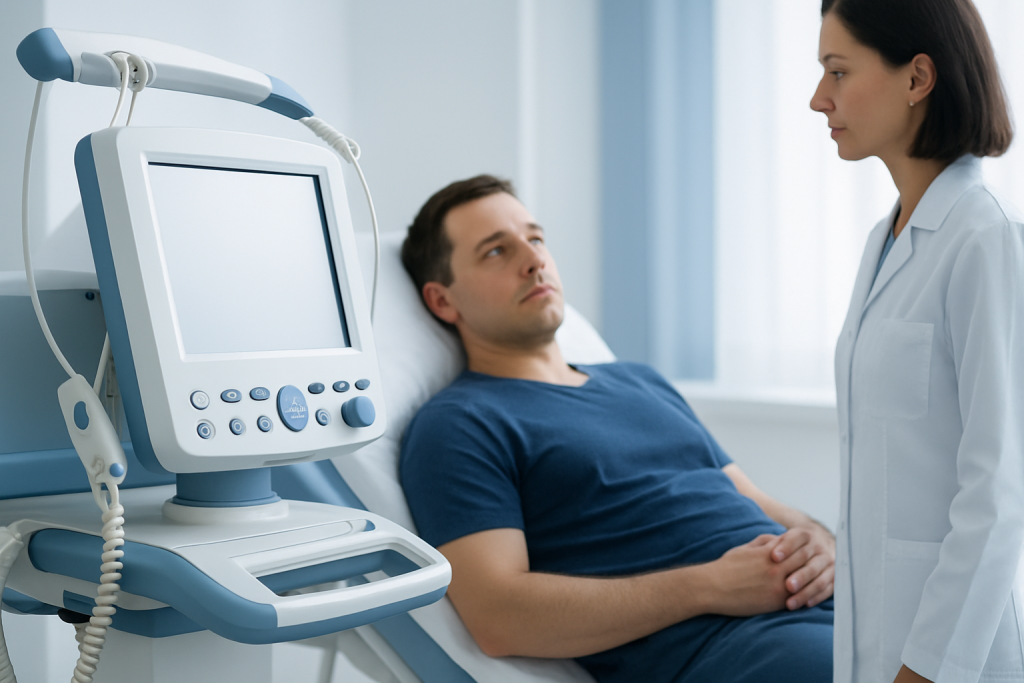
Gilbert syndrome often causes no symptoms beyond a temporary change in skin or eye color. When bilirubin rises, the whites of the eyes may look yellow first, and in some people the skin may take on a subtle yellow tint. The change is usually mild and tends to come and go.
Some people notice that episodes appear after skipping meals, becoming dehydrated, dealing with an infection, exercising heavily, or experiencing emotional stress. Fatigue is sometimes mentioned, but it is not specific to Gilbert syndrome and may have many other causes that a doctor should consider.
- Mild yellowing of the eyes or skin
- Episodes triggered by fasting, illness, stress, or dehydration
- Normal well-being between episodes in many people
Gilbert syndrome does not usually cause liver pain, itching, or significant changes in daily function. If those features are present, another condition may be involved and medical review is important.
Causes & Risk Factors

Gilbert syndrome is caused by a variation in a gene involved in bilirubin processing. Because of this inherited change, the liver produces a lower level of an enzyme that helps convert bilirubin into a form the body can remove more easily. The result is a mild buildup of unconjugated bilirubin in the blood.
The condition is inherited, so it often appears in more than one family member. People usually become aware of it in adolescence or early adulthood, though it may be discovered at any age when blood tests are performed for another reason.
Certain situations can make bilirubin levels rise temporarily. These are not causes in the usual sense, but they can trigger visible episodes in someone who already has Gilbert syndrome.
- Fasting or missing meals
- Dehydration
- Viral illness or infection
- Physical or emotional stress
- Heavy exercise or overexertion
Because the condition is genetic, lifestyle changes do not eliminate it. Still, knowing the common triggers can help a person plan ahead, especially during travel, recovery from illness, or busy work periods.
Diagnosis
Gilbert syndrome is usually diagnosed after a doctor reviews symptoms, family history, and blood test results. A key clue is a mild increase in bilirubin with otherwise normal liver tests and no signs of another liver or blood disorder.
Doctors often repeat testing and may look at liver enzymes, blood counts, and markers of red blood cell breakdown to rule out other causes of jaundice. In some cases, the diagnosis is made after several tests show the same pattern over time. Genetic testing is not always necessary, but it may be considered when the picture is unclear.
For patients arriving from abroad, a careful diagnostic approach is especially helpful because jaundice can have many explanations. A clinician may ask about recent fasting, medications, alcohol use, infection, travel-related illness, and family history before deciding whether further testing is needed.
- Physical examination and medical history
- Blood tests for bilirubin and liver enzymes
- Tests to exclude anemia or other liver conditions
- Occasionally, genetic testing for confirmation
Treatment Options
Most people with Gilbert syndrome do not need medical treatment. Once the diagnosis is confirmed, the main goal is to understand the condition and avoid unnecessary concern when bilirubin levels fluctuate mildly.
When symptoms appear, the approach is generally supportive. Regular meals, good hydration, and sensible rest during illness may help reduce bilirubin spikes. If a person is taking medications, a doctor may review them because some drugs are processed by the same liver pathways and may need careful consideration.
There is no cure needed for the syndrome itself, because it does not usually damage the liver. Treatment is focused on ensuring that the bilirubin pattern truly fits Gilbert syndrome and that no other condition is being missed.
- No treatment may be necessary after diagnosis
- Supportive care during illness or dehydration
- Medication review when new prescriptions are started
- Further evaluation if the pattern changes or symptoms broaden
If a patient is traveling for evaluation or second opinions, a concise record of prior blood tests can be useful. It helps the treating team compare results and avoid repeating investigations that have already clarified the picture.
Prevention & Self-care
Gilbert syndrome itself cannot be prevented, because it is inherited. Self-care is therefore aimed at reducing situations that can temporarily increase bilirubin and at supporting general liver health.
Simple habits often matter more than people expect. Staying hydrated, eating regularly, and not pushing through prolonged fasting can make a difference. During a respiratory infection, gastrointestinal upset, or a demanding travel schedule, it may help to prioritize rest and fluid intake.
- Eat regular meals rather than skipping them
- Drink enough fluids, especially in warm climates or during travel
- Manage stress and allow time for recovery after illness
- Use medicines only as directed and mention Gilbert syndrome to clinicians
- Limit alcohol if a doctor advises it for other health reasons
It can also help to keep a personal note of what seems to trigger episodes. This information is often useful when discussing symptoms with a doctor, particularly if care is being coordinated across countries or between different clinics.
When to See a Doctor
Gilbert syndrome should be discussed with a doctor if yellowing of the eyes or skin appears for the first time, if symptoms are becoming more frequent, or if the diagnosis has not yet been confirmed. A proper evaluation matters because jaundice can also be related to liver disease, gallbladder problems, blood disorders, or medication effects.
Medical review is especially important if jaundice comes with abdominal pain, fever, nausea, vomiting, dark urine, pale stools, itching, unexplained weight loss, or marked fatigue. These features are not typical of Gilbert syndrome alone and deserve prompt attention.
People who already know they have Gilbert syndrome should seek advice before starting new medicines or if they plan major surgery, prolonged fasting, or a demanding international trip. Clear documentation can make follow-up easier, and multidisciplinary specialists can coordinate care when a more complex liver question is being considered. Acibadem Health Point’s multidisciplinary specialists and JCI-accredited hospitals diagnose and treat this condition for international patients.
Living with Gilbert Syndrome
After the diagnosis is confirmed, many people find that the condition becomes more of a naming of a pattern than a source of daily illness. Knowing that occasional mild jaundice is expected can reduce anxiety and help patients respond calmly when bilirubin rises during stress or illness.
For international patients, one of the most practical steps is carrying a brief medical summary that lists the diagnosis, key test results, and any medicines being taken. This can be useful when seeing another doctor, passing through airport health checks, or recovering from surgery or infection away from home.
In day-to-day life, Gilbert syndrome usually does not limit work, exercise, family life, or travel. The important part is recognizing when a symptom fits the known diagnosis and when it does not, so that new problems are not mistakenly attributed to a benign condition.
Frequently asked questions
Is Gilbert syndrome a serious liver disease?
Gilbert syndrome is generally considered a benign condition and does not usually damage the liver. Most people live normally with it and need no specific treatment. A doctor should still confirm the diagnosis so that other causes of jaundice are not missed.
Why does the yellowing come and go?
Bilirubin levels can rise temporarily when the body is under stress, such as during fasting, dehydration, illness, or heavy exercise. As the trigger settles, the yellowing often fades again. This pattern is typical of Gilbert syndrome.
Can diet help Gilbert syndrome?
A special diet is not usually required. Regular meals and good hydration may help reduce episodes triggered by fasting or dehydration. If another liver or digestive condition is present, dietary advice may be different.
Does Gilbert syndrome affect medications?
Some medicines are processed through liver pathways that may be relevant in people with Gilbert syndrome. This does not mean all medicines are a problem, but it is wise to tell a doctor or pharmacist about the diagnosis before starting anything new.
Is genetic testing always needed?
No, genetic testing is not always necessary. Many people are diagnosed through the typical pattern of blood tests and by ruling out other causes of jaundice. It may be used when the diagnosis is uncertain or when a specialist wants confirmation.
When should a person with Gilbert syndrome seek urgent care?
Urgent medical attention is sensible if jaundice is accompanied by abdominal pain, fever, vomiting, dark urine, pale stools, confusion, or a sudden worsening of symptoms. Those features may point to a different condition that needs prompt evaluation.
References
- National Institute of Diabetes and Digestive and Kidney Diseases
- Merck Manual Professional Edition
- Mayo Clinic
- British Liver Trust
- MedlinePlus
This article is for general information only and is not a substitute for professional medical advice. Please consult a qualified doctor about your individual situation.
Explore treatments in Turkey — costs, top hospitals & a free quote
JCI-accredited · board-certified surgeons · reply within 24h
Add us as a Preferred Source to see more of our trusted health content across Google Search, AI Overviews and Discover.