Why Does My Stomach Hurt?

Key Takeaways
- Stomach pain is a symptom, not a diagnosis, and it can have many different causes.
- The location, timing, and type of pain often help doctors narrow down the reason.
- Indigestion, gas, constipation, infections, ulcers, and gallbladder or bladder problems are common possibilities.
- Seek prompt medical care for severe pain, fever, repeated vomiting, blood in stool or vomit, or a hard swollen abdomen.
- Good self-care includes hydration, gentle eating, rest, and avoiding foods or medicines that worsen symptoms.
Medically reviewed by the Acıbadem clinical team — August 19, 2026
Stomach pain can come from the digestive tract, nearby organs, or even muscle strain, so the cause is not always simple. Most episodes are temporary, but persistent, severe, or unusual pain deserves medical attention to identify the source and guide safe treatment.
Overview
When a person asks, “Why does my stomach hurt?” the answer is often less straightforward than it first appears. Pain felt in the stomach area may come from the stomach itself, but it may also originate in the intestines, gallbladder, pancreas, urinary tract, reproductive organs, or the muscles of the abdominal wall.
The exact meaning of “stomach pain” depends on where the discomfort is felt and what it feels like. A dull ache after a heavy meal, cramping that comes and goes, a burning sensation in the upper abdomen, or sharp pain that moves to one side can each point toward different causes. Because of that range, clinicians usually begin by looking carefully at the pattern rather than at the pain alone.
Most causes are not dangerous and improve with time, simple diet changes, or treatment for common problems such as indigestion or constipation. Still, some forms of abdominal pain need timely evaluation because they can signal an infection, inflammation, blockage, ulcer, or another condition that should not be ignored.
Symptoms
Stomach pain can feel different from one person to the next. Some describe burning, bloating, tightness, or cramps; others feel stabbing pain, pressure, or a vague soreness that is hard to place. The pain may stay in one spot or spread across the abdomen, back, chest, or shoulder.
Doctors also pay attention to symptoms that travel with the pain. Nausea, vomiting, diarrhea, constipation, fever, heartburn, loss of appetite, bloating, urinary changes, or pain that gets worse after meals can all provide useful clues. Pain related to menstruation, ovulation, or pregnancy may point to a gynecologic source rather than a digestive one.
Some patterns are especially informative. Pain that is mild and improves after passing gas or having a bowel movement often suggests bowel-related causes, while pain that becomes stronger after eating may involve the stomach, gallbladder, or pancreas. Pain that wakes a person from sleep, keeps returning, or steadily worsens should be assessed by a clinician.
- Burning or sour discomfort in the upper abdomen
- Cramping that comes in waves
- Fullness, bloating, or gas
- Sharp pain in one area
- Pain with vomiting, fever, or changes in bowel habits
Causes & Risk Factors

Many everyday problems can lead to abdominal discomfort. Indigestion, acid reflux, overeating, food intolerance, constipation, and gas are common and often improve with rest, hydration, and dietary adjustments. Viral stomach infections can also cause cramping along with diarrhea or vomiting and usually settle over several days.
Other causes involve inflammation or irritation of the digestive tract. Gastritis, peptic ulcer disease, gallstones, appendicitis, pancreatitis, inflammatory bowel disease, and diverticulitis may all produce stomach-area pain, though each tends to have its own pattern. In some people, pain is linked to stress, anxiety, or irritable bowel syndrome, where the gut becomes unusually sensitive and reactive.
Risk factors depend on the cause. A history of ulcer disease, frequent use of anti-inflammatory medicines, heavy alcohol intake, previous abdominal surgery, constipation, urinary tract infections, gallstones, or a known digestive condition can raise the chance that stomach pain will recur. Travel, changes in diet, dehydration, and exposure to unfamiliar foods or infections may also matter for people who develop symptoms while abroad.
Diagnosis
Evaluation usually starts with a detailed conversation. A doctor will ask where the pain is located, when it began, what makes it better or worse, and whether it is related to eating, bowel movements, urination, or the menstrual cycle. This history often gives the first important clues.
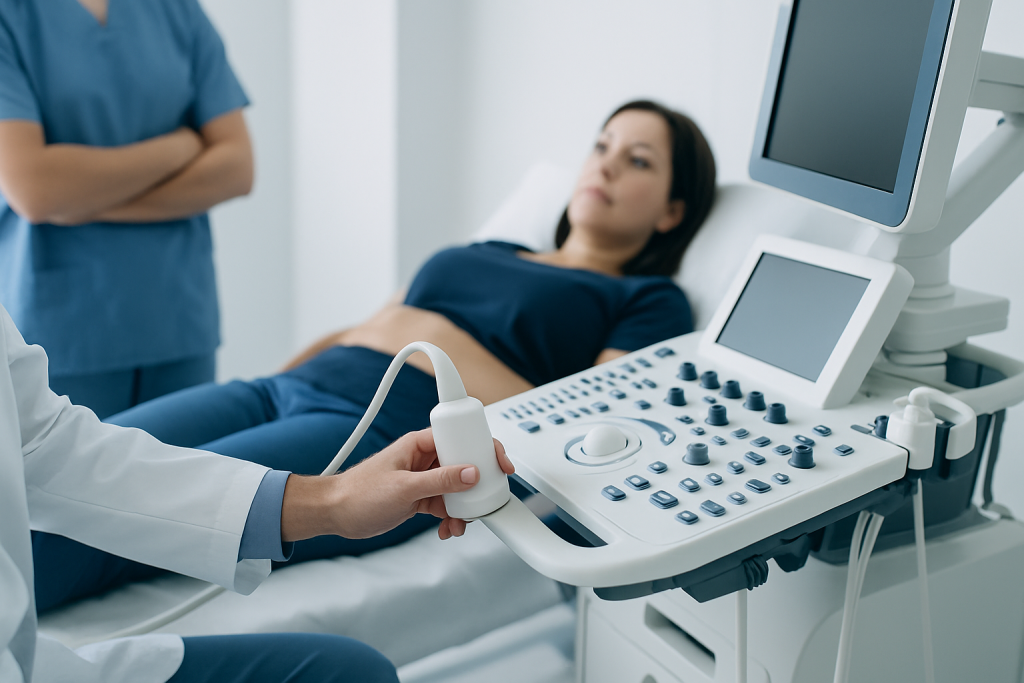
A physical examination helps the clinician look for tenderness, swelling, guarding, fever, dehydration, or signs that a specific organ may be involved. Depending on the findings, additional tests may be recommended, such as blood work, urine testing, stool tests, ultrasound, X-rays, CT scans, or an endoscopy to look directly at the upper digestive tract.
For international patients, a clear diagnostic plan is especially helpful when time, travel, or language differences are part of the picture. Bringing a medication list, prior test results, and a brief timeline of symptoms can make the visit more efficient and help the care team decide which tests are truly necessary.
Treatment Options
Treatment depends entirely on the cause. Mild indigestion or gas may improve with temporary changes in diet, smaller meals, and avoidance of trigger foods. Constipation is often treated by increasing fluid intake, fiber, movement, and, when appropriate, clinician-recommended laxatives or stool softeners.
When infection, ulcer disease, gallbladder problems, urinary tract issues, or inflammation is involved, specific medical treatment may be needed. This could include medicines to reduce acid, manage nausea, relieve spasms, treat infection, or calm inflammation. In some situations, procedures or surgery are the safest option, especially if there is appendicitis, a blockage, or a gallbladder attack.
People traveling for care often benefit from a coordinated plan that covers diagnosis, treatment, recovery, and follow-up after returning home. Clear discharge instructions, a written medication plan, and advice on warning signs can help reduce uncertainty and make recovery feel more manageable.
Prevention & Self-care
Not every episode of stomach pain can be prevented, but some habits can lower the chance of repeat symptoms. Eating slowly, staying hydrated, balancing fiber intake, and avoiding very large or greasy meals may help if discomfort is tied to digestion. Regular physical activity can also support bowel function and reduce constipation-related pain.
Self-care should be gentle and practical. Rest, small sips of water, and bland foods may be easier to tolerate during temporary upset stomach. It is also wise to avoid alcohol, smoking, and medicines that irritate the stomach unless a clinician has advised them. People with known food triggers can often reduce symptoms by keeping a simple symptom-and-meal record.
Travelers should be especially attentive to hygiene and hydration, particularly when trying new foods or eating in unfamiliar settings. If symptoms begin during a trip, it helps to note when the pain started, any associated fever or diarrhea, and whether others who ate the same food are also unwell. That information can guide evaluation if medical care becomes necessary.
- Choose smaller, simpler meals when the stomach feels sensitive
- Drink enough fluids, especially during illness or travel
- Track foods or medicines that seem to trigger symptoms
- Do not ignore repeated abdominal pain that keeps returning
When to See a Doctor
A doctor should evaluate stomach pain that is severe, persistent, or repeatedly returning. Medical attention is also important if the pain is accompanied by fever, repeated vomiting, fainting, shortness of breath, chest pain, yellowing of the skin or eyes, black stools, blood in vomit or stool, or a hard and swollen abdomen.
Children, older adults, pregnant patients, and people with weakened immune systems should be assessed earlier because serious conditions can sometimes look mild at first. New pain after surgery, injury, or a recent procedure also deserves prompt review. If a person cannot keep fluids down or shows signs of dehydration, care should not be delayed.
For anyone deciding whether to travel for evaluation, the safest approach is to seek advice early rather than wait for symptoms to become harder to manage. Acibadem Health Point’s multidisciplinary specialists and JCI-accredited hospitals can diagnose and treat abdominal pain for international patients, with attention to continuity of care before and after the trip.
Frequently asked questions
What does stomach pain usually mean?
Stomach pain can come from the digestive system, but it may also be related to the gallbladder, urinary tract, or other nearby organs. The meaning depends on where the pain is, how it feels, and what other symptoms are present. A clinician uses those details to narrow down the cause.
When is stomach pain an emergency?
Urgent care is needed if the pain is severe, sudden, or paired with fever, repeated vomiting, black stools, blood in vomit, a swollen hard abdomen, or fainting. Pain after injury or surgery should also be checked quickly. These signs can point to a condition that needs prompt treatment.
Can stress cause stomach pain?
Yes, stress can worsen digestive symptoms and trigger cramps, bloating, or nausea in some people. It may also aggravate conditions such as irritable bowel syndrome. Even when stress is a factor, ongoing or severe pain still deserves medical assessment.
Should someone stop eating when their stomach hurts?
It is usually better to eat lightly rather than stop eating completely, unless a doctor has given different instructions. Small, bland meals and fluids are often easier to tolerate. If eating or drinking makes symptoms much worse, medical advice is important.
What tests might be done for stomach pain?
Common tests include blood work, urine tests, stool tests, and imaging such as ultrasound or CT scanning. If upper digestive symptoms are present, a doctor may recommend endoscopy. The choice of tests depends on the suspected cause and the physical examination.
Can stomach pain go away on its own?
Yes, many mild cases improve on their own, especially when caused by gas, indigestion, or a short-lived stomach bug. However, pain that keeps coming back, lasts more than expected, or comes with warning signs should be evaluated. Early assessment can prevent delays in treating a more serious problem.
References
- National Institute of Diabetes and Digestive and Kidney Diseases
- Mayo Clinic
- NHS
- American College of Gastroenterology
This article is for general information only and is not a substitute for professional medical advice. Please consult a qualified doctor about your individual situation.
Persistent digestive symptoms? Get evaluated in Turkey
JCI-accredited · board-certified surgeons · reply within 24h
Add us as a Preferred Source to see more of our trusted health content across Google Search, AI Overviews and Discover.