Gallbladder Attack

Key Takeaways
- Gallbladder attacks often cause steady pain in the upper right abdomen and may spread to the back or shoulder.
- Gallstones are the most common trigger, but inflammation or infection can also be involved.
- Diagnosis usually includes a medical history, physical examination, blood tests, and imaging such as ultrasound.
- Treatment depends on severity and may include pain relief, diet changes, and sometimes gallbladder removal.
- Persistent pain, fever, jaundice, or vomiting needs urgent assessment.
A gallbladder attack usually refers to sudden pain caused by a blockage in the gallbladder, most often from gallstones. It can range from a short-lived episode of discomfort to a more serious condition that needs prompt medical evaluation.
Overview
A gallbladder attack is a common way people describe a sudden bout of pain linked to the gallbladder. In many cases, the discomfort begins when a gallstone blocks the narrow outlet of the gallbladder, creating pressure and irritation. Some episodes are brief and settle on their own; others point to inflammation that should not be ignored.
The gallbladder is a small organ under the liver that stores bile, a digestive fluid that helps break down fat. When the flow of bile is interrupted, the body may react with pain, nausea, bloating, or indigestion-like symptoms. For someone planning care from another country, it helps to know that these symptoms are often evaluated quickly with an examination and ultrasound, which can clarify whether the issue is uncomplicated colic or something more urgent.
Because “gallbladder attack” is a broad term rather than a formal diagnosis, doctors look for the underlying cause. That distinction matters: a single episode after a heavy meal may be managed differently from pain that keeps returning or is accompanied by fever or jaundice.
Symptoms
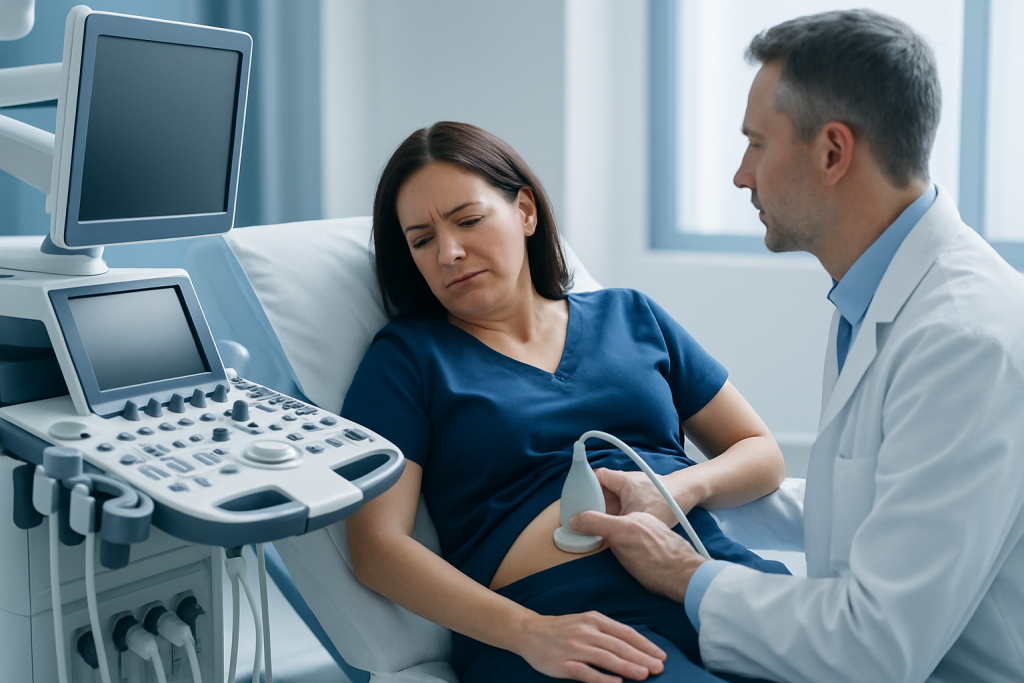
The classic symptom is a steady pain in the upper right part of the abdomen, often after eating, especially after a rich or fatty meal. Some people feel it more in the center of the upper abdomen, and the pain may spread to the right shoulder blade or the back. It is usually more than a mild ache and can last from minutes to several hours.
Other symptoms can travel with the pain and make it feel like a digestive upset: nausea, vomiting, bloating, burping, or a sense of fullness. The pain may build gradually or arrive more suddenly. Some people notice they cannot get comfortable because the discomfort does not ease with changing position.
Symptoms that suggest inflammation or blockage beyond a simple attack include:
- Fever or chills
- Yellowing of the skin or eyes
- Dark urine or pale stools
- Pain lasting longer than a few hours
- Repeated vomiting or dehydration
These features can signal a more complicated gallbladder problem and deserve prompt medical attention.
Causes & Risk Factors
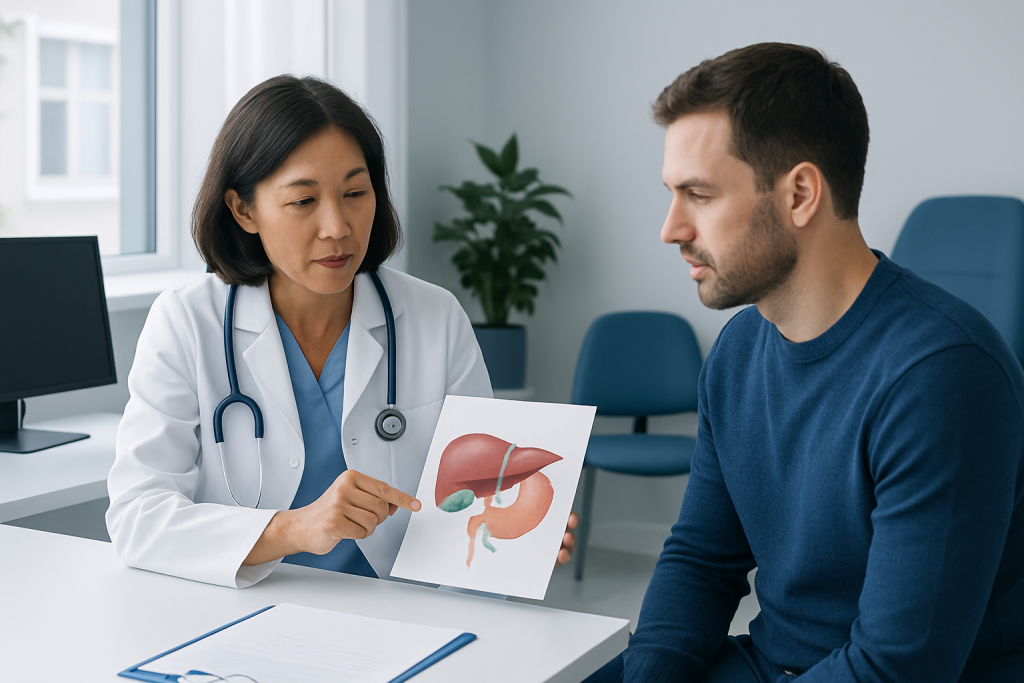
Gallstones are the most common cause of gallbladder attacks. These hard deposits can form when bile contains too much cholesterol, bilirubin, or not enough bile salts. If a stone temporarily blocks the gallbladder outlet, pain follows; if the blockage persists, inflammation can develop.
Not everyone with gallstones has symptoms. A person may carry stones for years without knowing it, and then suddenly develop an attack. Other causes of gallbladder pain include gallbladder inflammation without stones, infection, or less commonly problems in the bile ducts or pancreas.
Risk is influenced by a mix of health and lifestyle factors. It is more common in people with a family history of gallstones, in those with obesity or rapid weight loss, and during pregnancy. Age, female sex, certain medical conditions, and some medications can also play a role. For international patients considering treatment abroad, a specialist will usually review previous scans, medications, and any history of liver or digestive disease to understand the bigger picture before recommending care.
Diagnosis
Diagnosis starts with a careful conversation about the pain: where it is, how long it lasts, what brings it on, and whether it is linked to meals. A doctor will also ask about fever, jaundice, vomiting, previous episodes, and any known gallstones. A physical examination may reveal tenderness in the upper right abdomen.
Blood tests help check for signs of inflammation, infection, or bile duct obstruction. Depending on the presentation, tests may include liver function markers and pancreatic enzymes, since the symptoms can overlap with other digestive conditions. These results help determine whether the attack is isolated or part of a broader problem.
Imaging is often the key step. Ultrasound is commonly used because it can identify gallstones, gallbladder wall thickening, and signs of swelling. In more complex situations, a doctor may recommend additional imaging such as CT, MRI, or specialized bile duct studies. This is especially useful when symptoms are not straightforward or when a patient is arriving for care after being evaluated elsewhere and needs a clear, efficient plan.
Treatment Options
Treatment depends on what is causing the attack and how severe the symptoms are. A simple, short-lived episode may be managed with rest, temporary dietary changes, hydration, and pain relief prescribed by a doctor. If a person is unable to keep fluids down or the pain is severe, hospital care may be needed.
When gallstones keep causing attacks, the most common definitive treatment is gallbladder removal, called cholecystectomy. This is often done laparoscopically, using small incisions and a camera, which usually supports a shorter recovery. In urgent or complicated cases, surgery may be recommended sooner to prevent recurrent pain or infection.
If there is infection or significant inflammation, doctors may also use antibiotics and supportive care. Less commonly, if a stone is lodged in the bile duct, a procedure such as ERCP may be used to clear the blockage before or instead of surgery. The best approach depends on the full clinical picture, not only the pain episode itself.
Prevention & Self-care
There is no guaranteed way to prevent gallbladder attacks, but some habits can reduce the chance of recurring symptoms. Regular meals, gradual weight management, and a balanced diet may help the gallbladder empty more predictably. Very rapid weight loss can increase gallstone formation, so any weight plan should be steady and medically sensible.
During a flare, many people feel better by keeping meals light and avoiding large, greasy portions. Hydration is important, especially if nausea or vomiting is present. It is also wise to keep a note of what was eaten before the pain began, since that pattern can help a doctor decide whether gallstones are likely.
For patients traveling for treatment, practical self-care matters as much as medical advice. Bring prior imaging reports, a medication list, and a summary of past attacks. If surgery is planned abroad, ask in advance about recovery time, follow-up arrangements, and how to recognize changes that should prompt medical review after returning home.
When to See a Doctor
A doctor should be consulted if gallbladder-like pain is new, recurring, or interfering with eating and daily life. Even when symptoms settle, repeated attacks often mean the gallbladder needs closer evaluation. Early assessment can help prevent a more complicated episode later.
Urgent care is appropriate if the pain is severe, lasts more than a few hours, or comes with fever, jaundice, confusion, chest pain, or persistent vomiting. These features may point to infection or blockage that should be assessed promptly. It is safer to seek help early than to wait for the discomfort to pass on its own.
For people arranging care internationally, a clear diagnosis and treatment plan can reduce uncertainty. Acibadem Health Point’s multidisciplinary specialists and JCI-accredited hospitals diagnose and treat gallbladder conditions for international patients, with coordinated evaluation and follow-up when needed.
Living With Gallbladder Symptoms
Not every episode ends in surgery, but recurring attacks should not be treated as a minor nuisance. Ongoing symptoms can affect appetite, energy, sleep, and confidence around meals. A practical management plan often includes knowing which foods trigger symptoms, when to seek help, and whether a specialist is recommending observation or definitive treatment.
After treatment, especially after gallbladder removal, most people gradually return to a normal diet, although some notice temporary digestive changes. Follow-up helps ensure recovery is on track and gives the care team a chance to address lingering pain, wound care, or questions about activity. A patient who has traveled for surgery may also need a simple plan for remote follow-up, written discharge instructions, and a contact path for questions after returning home.
The goal is not simply to stop one painful episode, but to understand why it happened and lower the chance of it happening again. With a clear diagnosis and the right treatment pathway, gallbladder attacks are usually very manageable.
Frequently asked questions
What does a gallbladder attack feel like?
It often feels like a steady pain in the upper right abdomen or upper middle abdomen. The pain may spread to the back or right shoulder and can be accompanied by nausea or vomiting.
How long does a gallbladder attack last?
Some episodes last only a short time, while others continue for several hours. Pain that lasts longer than a few hours or keeps returning should be evaluated by a doctor.
Can a gallbladder attack go away on its own?
Yes, the pain may settle if the blockage moves, but the underlying cause can remain. Repeated episodes often mean the problem needs medical assessment rather than simple waiting.
Is every gallbladder attack caused by gallstones?
Gallstones are the most common cause, but not the only one. Inflammation, infection, or blockage in the bile ducts can also produce similar symptoms.
Do all gallbladder attacks require surgery?
Not always. Some episodes are managed with observation and symptom control, but recurring attacks or complications often lead doctors to recommend gallbladder removal.
What foods trigger gallbladder pain?
Rich, greasy, or very heavy meals can trigger symptoms in some people. Keeping meals lighter and noticing personal triggers may help, but a doctor should still evaluate repeated attacks.
References
- National Institute of Diabetes and Digestive and Kidney Diseases
- American College of Gastroenterology
- Mayo Clinic
- World Gastroenterology Organisation
This article is for general information only and is not a substitute for professional medical advice. Please consult a qualified doctor about your individual situation.