Why Does My Stomach Hurt After I Eat

Key Takeaways
- Pain after meals is a symptom, not a diagnosis, and the cause can range from mild to more serious.
- Common triggers include indigestion, acid reflux, food intolerance, gallbladder disease, ulcers, and bowel disorders.
- The timing, location, and type of pain after eating often give important clues to the underlying problem.
- Persistent, worsening, or unexplained symptoms deserve medical evaluation, especially with weight loss, vomiting, fever, black stools, or jaundice.
Stomach pain after eating can come from something as simple as indigestion, but it can also point to conditions affecting the stomach, gallbladder, pancreas, or intestines. A careful history, focused tests, and symptom pattern often help a doctor find the cause and choose the right treatment.
Overview
When the stomach hurts after a meal, the first question is usually not whether something was eaten “wrong,” but what the body is trying to signal. Post-meal pain can be related to the stomach itself, but it can also come from the gallbladder, pancreas, small intestine, or even the way the digestive tract moves and responds to food.
For many people, the discomfort is short-lived and linked to overeating, spicy foods, carbonated drinks, or a temporary bout of indigestion. In other cases, pain after eating is a recurring pattern that points to a condition such as acid reflux, gastritis, peptic ulcer disease, gallstones, lactose intolerance, celiac disease, or irritable bowel syndrome. A doctor usually looks at where the pain is felt, how soon it appears after eating, and what other symptoms travel with it.
That pattern matters because not all “stomach” pain is truly in the stomach. Upper abdominal pain after meals, for example, can be caused by the gallbladder, while cramping lower abdominal pain may be more consistent with bowel-related causes. Understanding the difference helps patients decide when simple self-care is reasonable and when an evaluation is needed.
Symptoms
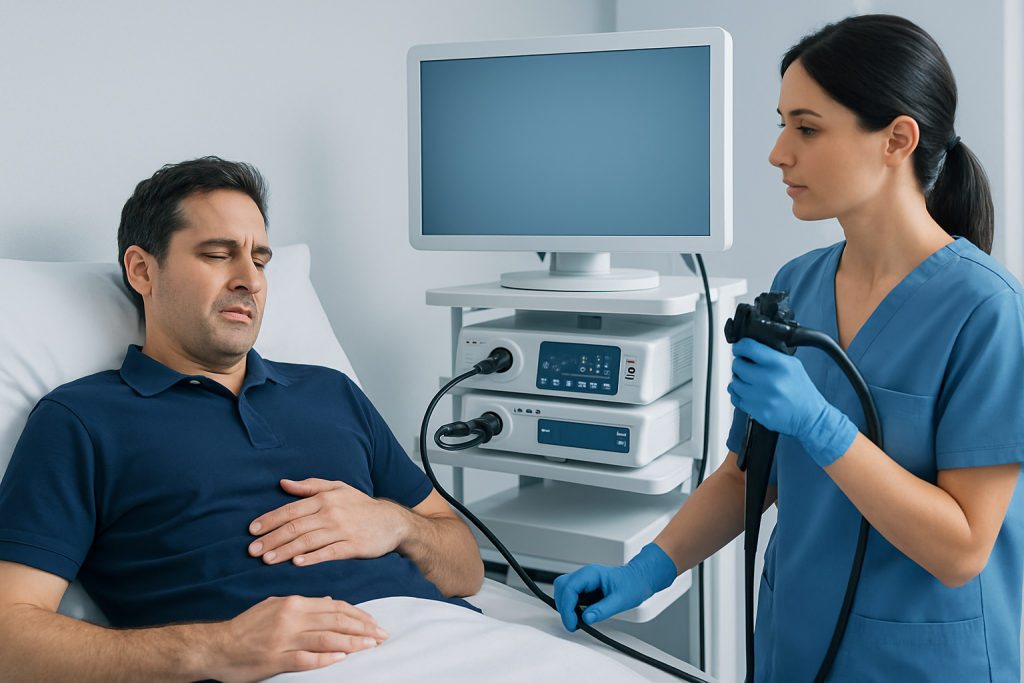
Post-meal pain can feel different from one person to another. Some describe burning behind the breastbone, while others notice pressure, bloating, cramping, nausea, or a sharp pain in the upper abdomen. The location often offers a clue, even though symptoms can overlap.
Common patterns include pain that starts during or soon after eating, discomfort that appears only after certain foods, or pain that comes with fullness after very small portions. Some people also notice burping, heartburn, sour taste in the mouth, diarrhea, constipation, gas, or a sense that food is “sitting” in the stomach.
Symptoms that deserve closer attention include repeated vomiting, trouble swallowing, black or bloody stools, yellowing of the skin or eyes, fever, unintentional weight loss, or pain that wakes a person from sleep. These do not automatically mean a severe illness, but they do suggest the need for medical assessment rather than trial-and-error alone.
Causes & Risk Factors

There are many possible reasons for stomach pain after eating, and the most likely cause depends on the person’s age, health history, and the exact symptom pattern. Indigestion is one of the most common explanations and may follow large meals, fatty foods, alcohol, or stress. Acid reflux and gastritis can create burning or gnawing discomfort, especially after meals or when lying down.
Some causes are linked to the type of food itself. Lactose intolerance, fructose malabsorption, and celiac disease can lead to bloating, pain, and bowel changes after specific meals. Food poisoning or a recent stomach infection may also cause post-meal pain, particularly when nausea, diarrhea, or cramping are present.
Other conditions can produce pain in a more specific way. Gallstones often cause pain in the upper right abdomen after fatty food. Peptic ulcers may hurt when the stomach is empty or shortly after eating, depending on the ulcer type. Irritable bowel syndrome can cause cramping after meals because eating stimulates bowel movement. Less commonly, inflammation of the pancreas, problems with stomach emptying, or intestinal narrowing can be part of the picture.
- Large, rich, or very spicy meals
- Smoking or alcohol use
- Frequent use of anti-inflammatory pain medicines
- Known reflux, ulcer, gallbladder, or bowel conditions
- Family history of digestive disease
Risk is not only about food choices. Stress, irregular eating patterns, dehydration, and certain medications can make symptoms more noticeable or more frequent. A careful review of daily habits often reveals an important piece of the puzzle.
Diagnosis
Diagnosis usually starts with a detailed conversation. A doctor will want to know exactly where the pain is, how long it lasts, what it feels like, and how closely it follows meals. Questions about bloating, bowel habits, heartburn, nausea, weight change, travel, recent infections, and medication use are often just as important as the pain itself.
The next step depends on what the history suggests. Some people may only need a physical examination and a short period of symptom monitoring. Others may need blood tests to look for inflammation, anemia, infection, liver or pancreatic issues, or signs of malnutrition. Stool tests can help if diarrhea, bleeding, or infection is suspected.
If symptoms suggest reflux, ulcers, gallbladder disease, celiac disease, or another structural problem, imaging or endoscopy may be recommended. An ultrasound is often used for gallbladder concerns, while an upper endoscopy allows the doctor to inspect the esophagus, stomach, and first part of the small intestine. In some cases, breath tests or elimination diets are used to check for intolerance or bacterial overgrowth. For international patients, this evaluation is often coordinated so that tests, interpretation, and follow-up are arranged with as little uncertainty as possible.
Treatment Options
Treatment depends on the cause, so the goal is not to mask every symptom in the same way. If the issue is simple indigestion, management may focus on smaller meals, slower eating, and avoiding trigger foods. If acid reflux or gastritis is present, a doctor may recommend medicines that reduce acid or protect the stomach lining, along with changes in eating habits.
When a food intolerance is identified, treatment usually means limiting the trigger food rather than avoiding entire food groups unnecessarily. Celiac disease requires strict gluten avoidance, and gallstones may need surgical treatment if they are causing repeated pain or complications. If an ulcer is due to an infection such as Helicobacter pylori, treatment generally involves a doctor-prescribed eradication plan.
For bowel-related causes such as irritable bowel syndrome, treatment is often broader and may include diet changes, stress management, hydration, and medicines tailored to the main symptom, whether that is pain, constipation, or diarrhea. If the stomach empties too slowly or another motility problem is involved, a specialist may suggest more targeted therapy and careful dietary adjustments.
Because the right treatment depends on the diagnosis, it is best to avoid repeated self-treatment if symptoms keep returning. A short episode may settle on its own, but recurring post-meal pain usually deserves a plan that addresses the cause rather than just the discomfort.
Prevention & Self-care
Simple habits can reduce meal-related discomfort for many people, especially when the cause is mild or still being clarified. Eating smaller portions, chewing slowly, and avoiding very large late-night meals can ease the digestive workload. Some people also do better when they limit carbonated drinks, excess caffeine, alcohol, and very fatty or heavily spiced foods.
It can help to keep a symptom diary for a short time. Recording what was eaten, how soon pain started, where it was felt, and whether there were associated symptoms such as bloating or diarrhea may reveal a pattern that is easy to miss from memory alone. This can be especially useful for patients who are traveling for care and need to explain symptoms clearly during a limited number of appointments.
General self-care also includes regular hydration, avoiding lying down immediately after meals, and using over-the-counter medicines only as directed. If a person already knows they have reflux, gallbladder problems, or a food intolerance, following the care plan consistently often prevents unnecessary flare-ups. If symptoms are new or changing, self-care should be paired with medical review rather than used as a substitute for it.
When to See a Doctor
Medical advice is appropriate when stomach pain after eating keeps coming back, interferes with eating, or lasts more than a few days without improvement. Evaluation is also sensible if the pain is getting stronger, feels different from usual, or is happening with bloating, nausea, diarrhea, constipation, or heartburn that no longer responds to basic measures.
Prompt assessment is especially important if there is vomiting that won’t stop, fever, black or bloody stool, yellow skin or eyes, chest pain, fainting, severe tenderness, or unintentional weight loss. These symptoms do not always signal an emergency, but they do need timely medical attention to avoid delay in diagnosis.
Patients who are living abroad or considering treatment outside their home country may benefit from a center that can coordinate consultations, tests, and follow-up in one place. Acibadem Health Point brings together multidisciplinary specialists and JCI-accredited hospitals to diagnose and treat digestive conditions for international patients in a structured, patient-friendly way.
Frequently asked questions
Is stomach pain after eating always indigestion?
No. Indigestion is common, but post-meal pain can also come from reflux, ulcers, gallbladder problems, food intolerance, or bowel conditions. The location and timing of the pain often help narrow the cause.
What foods most often trigger stomach pain after meals?
Common triggers include very fatty meals, spicy foods, alcohol, carbonated drinks, and large portions. Some people react to specific foods such as dairy, gluten, or high-fructose foods, depending on the underlying issue.
How can someone tell if the pain is from the gallbladder?
Gallbladder pain often appears in the upper right abdomen or upper middle abdomen, especially after fatty foods. It may also spread to the back or right shoulder and can come with nausea.
Can stress cause stomach pain after eating?
Stress can make digestive symptoms more noticeable and may worsen reflux, indigestion, or irritable bowel symptoms. It usually does not explain persistent pain on its own, so ongoing symptoms should still be assessed.
Should antacids be taken every time pain happens after a meal?
Occasional use may help some people with mild reflux or indigestion, but repeated symptoms should not be managed only with self-treatment. If the pain keeps returning, a doctor should look for the underlying cause.
When is endoscopy considered for post-meal pain?
Endoscopy may be recommended when symptoms suggest ulcer disease, persistent reflux, bleeding, trouble swallowing, or unexplained upper abdominal pain. It lets the doctor examine the upper digestive tract directly and plan treatment more precisely.
References
- National Institute of Diabetes and Digestive and Kidney Diseases
- Mayo Clinic
- American College of Gastroenterology
- NHS
- World Gastroenterology Organisation
This article is for general information only and is not a substitute for professional medical advice. Please consult a qualified doctor about your individual situation.