Where Is The Heart Located

Key Takeaways
- The heart lies in the mediastinum, behind the sternum and between the lungs, with a slight lean toward the left side.
- Heart-related discomfort may be felt in the chest, arm, shoulder, neck, jaw, back, or upper stomach.
- Not every chest sensation comes from the heart; muscles, lungs, stomach, and anxiety can cause similar symptoms.
- Sudden pressure, tightness, shortness of breath, fainting, or pain spreading to other areas deserves prompt medical assessment.
- If symptoms are recurring or unclear, a doctor can use exams and tests to identify the cause and guide care.
The heart sits in the chest, slightly left of center, behind the breastbone and between the lungs. Because nerves carry pain in shared pathways, discomfort from the heart does not always stay in one exact spot, which is why understanding its location can help people describe symptoms more clearly.
Overview
The heart is one of the body’s most familiar organs, yet many people are unsure exactly where it sits. Anatomically, it rests in the chest cavity, behind the breastbone and between the lungs, in a space called the mediastinum. It is not placed fully on the left side, but it does tilt slightly that way, which is why many people associate it with the left chest.
That small shift matters in daily life. A person who feels pressure, fluttering, or pain on the left side of the chest may immediately wonder whether the heart is involved. In reality, the location of the heart can help guide the conversation, but it cannot confirm the cause of a symptom on its own.
For people preparing for medical care, especially when traveling from another country, knowing the heart’s position can make descriptions more precise. Saying where discomfort is felt, how it spreads, and what brings it on helps doctors decide whether the symptom may come from the heart or another structure in the chest or upper body.
Symptoms Related to the Heart’s Location
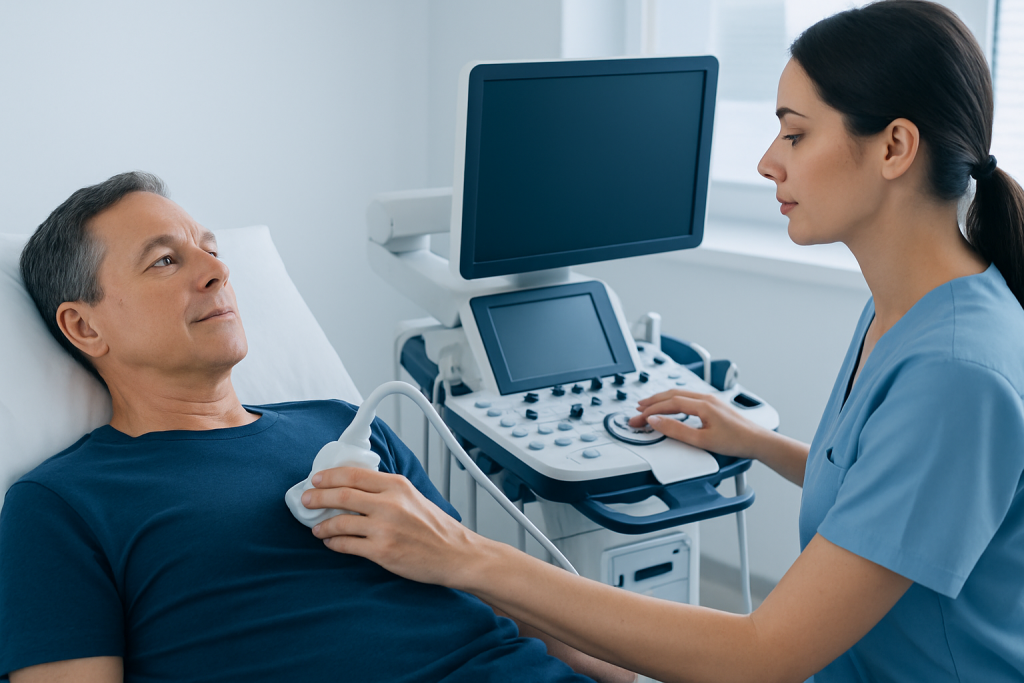
Because the heart is tucked behind the sternum, heart-related discomfort is often described as central chest pressure, squeezing, heaviness, tightness, or burning. Some people feel it slightly to the left, while others sense it in the middle of the chest or just beneath the breastbone.
Heart symptoms may also travel beyond the chest. Pain or discomfort can move into the left or right arm, shoulder, back, neck, jaw, or upper abdomen. This happens because the nervous system can “refer” pain to other areas, making the original source harder to identify without medical evaluation.
It is also common for non-heart symptoms to be felt near the same region. Muscle strain, acid reflux, lung irritation, and anxiety can all create sensations around the chest, which is why location alone is only one part of the picture.
- Central or left-sided chest pressure
- Discomfort spreading to the arm, jaw, neck, or back
- Shortness of breath with chest symptoms
- Palpitations, dizziness, or unexplained fatigue
Causes & Risk Factors
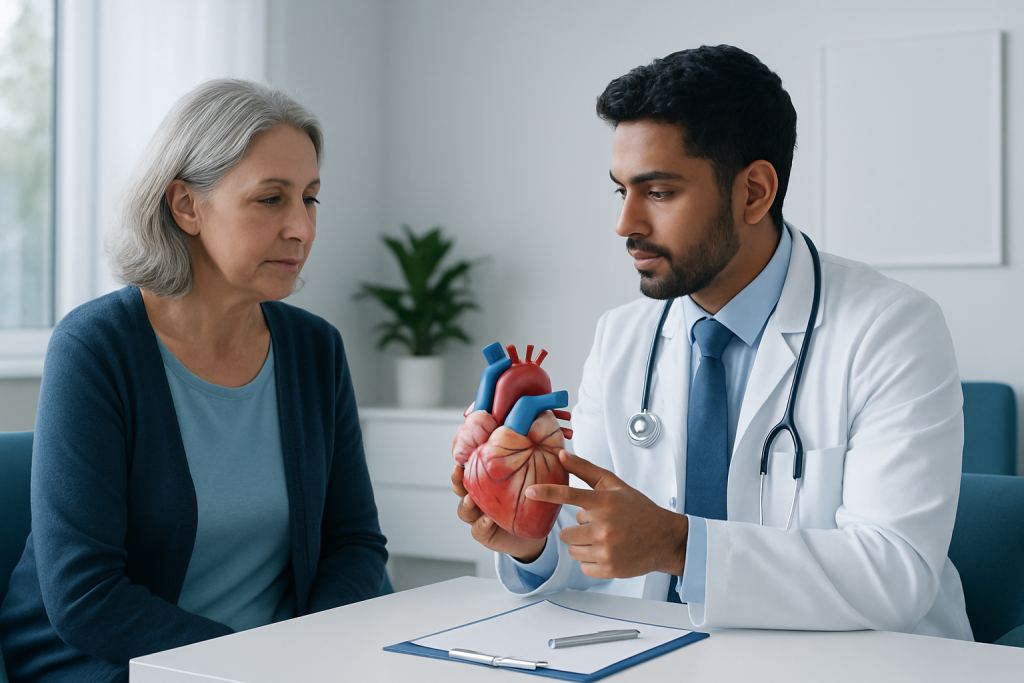
Understanding where the heart is located helps explain why so many different conditions can cause chest symptoms. The heart sits close to the lungs, large blood vessels, ribs, muscles, and the esophagus, so pain from any of these structures can feel similar at first.
When the heart itself is the source, common causes include reduced blood flow to the heart muscle, rhythm disturbances, inflammation, or structural problems with the valves or chambers. In other cases, the pain may come from the chest wall, digestive tract, or breathing structures rather than the heart.
Certain factors raise the likelihood of heart-related symptoms and deserve attention during a medical review. These include high blood pressure, high cholesterol, diabetes, smoking, family history of heart disease, older age, and a sedentary lifestyle. Stress can also influence how symptoms are experienced, though it does not replace the need to rule out medical causes.
Diagnosis
Doctors begin by listening carefully to how the symptom feels, exactly where it is located, whether it spreads, and what makes it better or worse. That history is especially important because the heart’s position in the chest means symptoms may not point to one single spot.
A physical examination usually follows, along with tests chosen according to the symptoms and risk profile. These may include an electrocardiogram to look at the heart’s electrical activity, blood tests to check for heart muscle injury or other clues, chest imaging, an echocardiogram, or a stress test when appropriate.
When people are receiving care from abroad, a clear record of symptoms, previous diagnoses, medications, and prior test results can be very helpful. Bringing copies of reports, images, and a medication list can reduce delays and make the evaluation more efficient.
Treatment Options
Treatment depends entirely on the cause of the symptom, not simply on its location. If the issue is heart-related, care may involve medicines to improve blood flow, control blood pressure, stabilize rhythm, or reduce strain on the heart. Some conditions require procedures or close monitoring in a hospital setting.
If the symptom comes from another source, treatment is directed there instead. For example, muscle pain may improve with rest and rehabilitation, while reflux symptoms may respond to diet changes and digestive treatment. The goal is to match the therapy to the true source of discomfort, rather than assuming every chest symptom is cardiac.
In international-patient settings, this often means a staged approach: review of existing records before travel, specialist assessment after arrival, and a clear follow-up plan before returning home. That way, the patient understands not only the diagnosis but also what care will continue locally afterward.
Prevention & Self-care
There is no way to change where the heart is located, but people can reduce the chance of heart disease and improve the body’s ability to cope with symptoms. The most useful steps are steady and practical: keeping blood pressure, blood sugar, and cholesterol under control; avoiding tobacco; staying active within personal limits; and eating a balanced diet.
Self-care also includes noticing patterns. People should pay attention to whether symptoms appear during exertion, emotional stress, after meals, or at rest. Writing down the timing, location, duration, and associated features of discomfort can help a doctor interpret symptoms more accurately.
For those managing care across borders, carrying a simple symptom diary and a current medication list can make follow-up easier. It is also wise to ask for written instructions before travel, especially if a new diagnosis or treatment plan has been discussed.
When to See a Doctor
Any new, persistent, or unexplained chest symptom deserves medical review, especially if it is happening for the first time. Even when discomfort seems mild, location alone cannot reliably show whether the heart is involved.
Urgent medical attention is appropriate for chest pressure or pain that spreads to the arm, jaw, neck, or back, or when symptoms are accompanied by shortness of breath, sweating, nausea, fainting, or sudden weakness. These signs do not always mean a heart problem, but they should be assessed promptly.
People with known heart disease or major risk factors should speak with a doctor sooner rather than later if symptoms change in frequency, severity, or pattern. Acibadem Health Point’s multidisciplinary specialists and JCI-accredited hospitals diagnose and treat heart-related conditions for international patients, helping coordinate evaluation and follow-up with clarity and care.
A Simple Way to Think About the Heart’s Position
A useful mental image is to picture the heart sitting just behind the center of the chest, slightly angled left, protected by the rib cage and supported by the lungs on either side. That position explains why symptoms may be felt in the middle of the chest, but it also explains why they can “travel” to nearby regions.
For patients, the most helpful approach is not to guess based on location alone, but to describe the full symptom pattern. Where it is felt, how it begins, whether it moves, and what accompanies it are often the details that guide the right diagnosis.
When those details are shared clearly, doctors can usually sort through the possibilities step by step and decide whether the heart is involved or whether another cause is more likely.
Frequently asked questions
Is the heart on the left side of the chest?
The heart is mostly in the center of the chest, behind the breastbone, but it leans slightly to the left. That is why people often feel it is a left-sided organ. In reality, it sits between the lungs with most of its mass near the middle.
Can heart pain be felt on the right side?
Yes, sometimes pain related to the heart can be felt in the right chest or in other areas such as the arm, back, neck, or jaw. Pain location alone does not confirm the cause. A doctor looks at the full symptom pattern and other findings before drawing conclusions.
Why does chest pain not always mean a heart problem?
Many structures in and around the chest can cause pain, including muscles, ribs, lungs, the esophagus, and the stomach. Some of these symptoms can feel very similar to heart discomfort. Medical assessment helps separate common, less serious causes from conditions that need prompt treatment.
What symptoms suggest the heart may be involved?
Pressure, tightness, heaviness, or squeezing in the chest can be concerning, especially if it spreads to the arm, jaw, neck, or back. Shortness of breath, sweating, nausea, dizziness, or fainting can also point to a more serious issue. These symptoms should be evaluated promptly.
How do doctors find out what is causing chest discomfort?
Doctors start with a history and physical examination, then choose tests based on the symptoms and risk factors. Common tests include an ECG, blood tests, imaging, or an echocardiogram. The combination of details usually shows whether the heart or another structure is the source.
Should someone wait to see if the symptom goes away?
If the discomfort is new, severe, recurring, or paired with warning signs, it should be checked promptly. Some causes are minor, but others need quick treatment. It is safer to seek medical advice than to assume the symptom is harmless.
References
- American Heart Association
- National Heart, Lung, and Blood Institute
- Mayo Clinic
- MedlinePlus
- Cleveland Clinic
This article is for general information only and is not a substitute for professional medical advice. Please consult a qualified doctor about your individual situation.