Heart Monitor

Key Takeaways
- Heart monitors are used to capture the heart’s rhythm during everyday activities or in hospital settings.
- They can help evaluate symptoms such as palpitations, chest discomfort, fainting, or unexplained dizziness.
- Different monitoring methods are chosen based on how often symptoms happen and what the doctor needs to observe.
- Preparation is usually simple, but following instructions improves the quality of the recording.
- Abnormal results do not always mean serious disease; they must be interpreted in context by a doctor.
A heart monitor is a simple but valuable way to record how the heart is working over time. It can help doctors connect symptoms such as palpitations, dizziness, or fainting with the heart’s electrical rhythm and guide the next steps in care.
Overview
A heart monitor is a tool that records the heart’s electrical activity so a doctor can see how the rhythm behaves over time. Instead of relying on a single snapshot in the clinic, monitoring can reveal patterns that only appear during walking, sleeping, exercising, or during an episode of symptoms.
For many people, the process begins when an ordinary complaint keeps returning without a clear answer. A fluttering sensation in the chest, a brief spell of lightheadedness, or an unexplained fainting episode may prompt a doctor to look more closely at the heart’s rhythm. A monitor does not treat the problem by itself, but it often provides the clue that helps the care team move from uncertainty to a clearer plan.
In international-patient care, the choice of monitor may depend on how long the person will stay, how often symptoms occur, and whether a short clinic test or longer follow-up is more useful. That practical planning helps ensure the test matches the real-life pattern of the concern being investigated.
Symptoms That May Lead to Monitoring
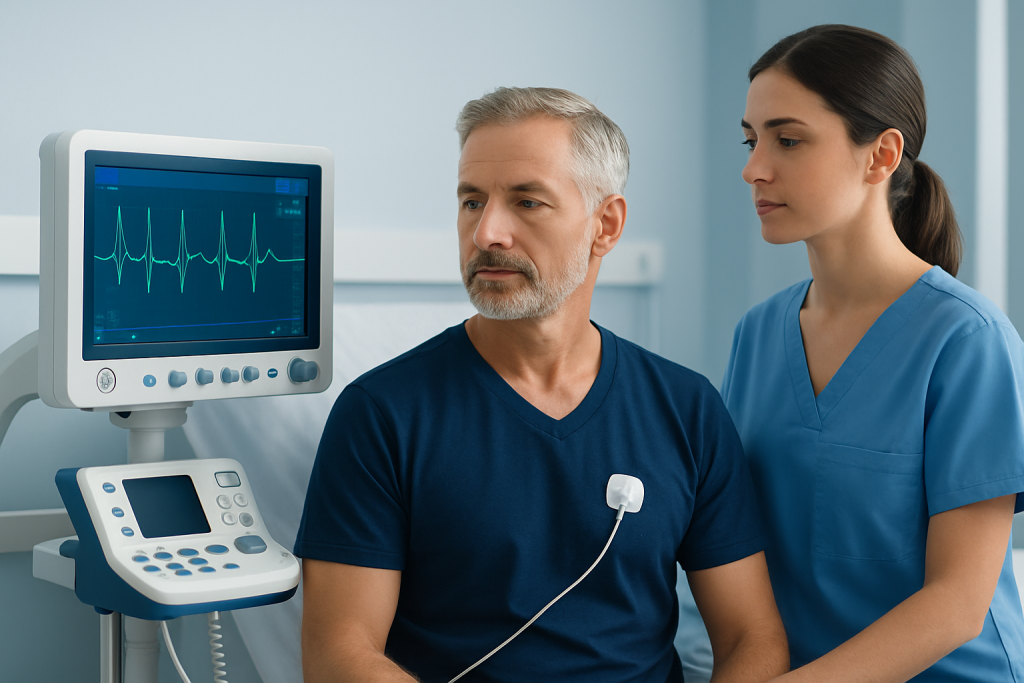
Heart monitoring is commonly recommended when symptoms suggest that the heart’s rhythm may be changing from beat to beat. Some people notice a racing heart, skipped beats, or an uncomfortable pounding in the chest. Others describe symptoms that are less specific, such as tiredness, shortness of breath, dizziness, or a sense that something is “off.”
Doctors may also suggest monitoring after fainting or near-fainting, especially when the cause is not obvious. If symptoms come and go, they can be difficult to capture in a brief office visit, which is why a monitor can be so helpful. It records what is happening at the time symptoms occur, giving the doctor a more complete picture.
- Palpitations or rapid heartbeat
- Skipped or irregular beats
- Unexplained fainting or near-fainting
- Dizziness or lightheadedness
- Chest discomfort that may be rhythm-related
- Shortness of breath that appears with suspected rhythm changes
Symptoms alone do not confirm a heart rhythm problem. A monitor is used to see whether the complaint matches a true electrical change in the heart or whether another cause should be considered.
Causes & Risk Factors
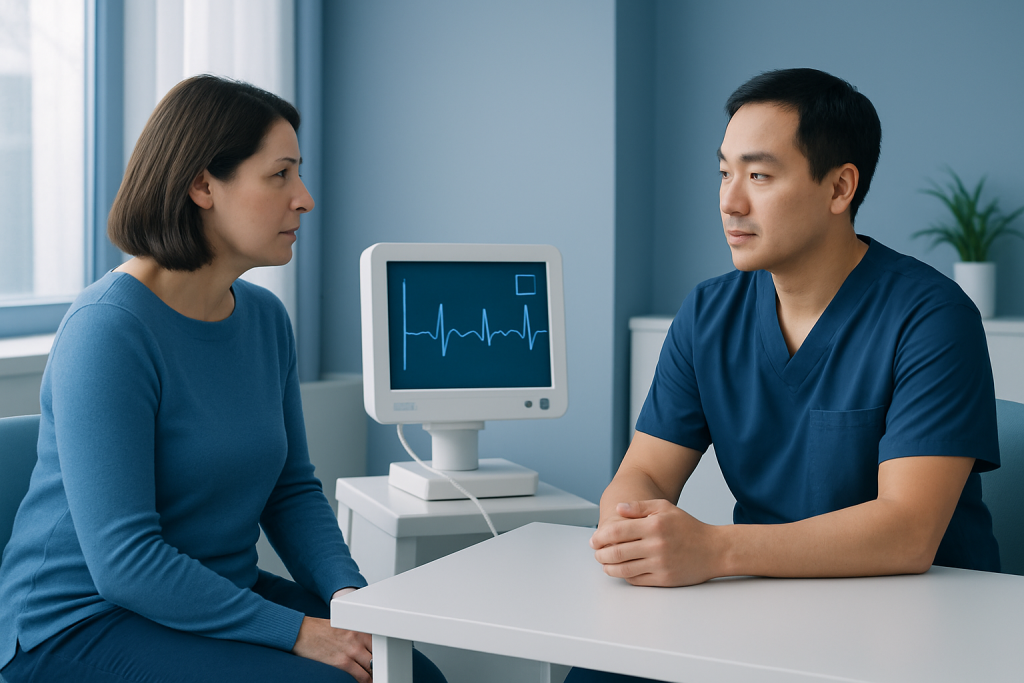
A heart monitor may be used to look for arrhythmias, which are changes in the normal timing or pattern of the heartbeat. These can range from harmless extra beats to rhythm disturbances that need closer attention. The purpose of monitoring is not to assume the worst, but to identify what is actually occurring.
Several factors can increase the likelihood of rhythm changes, including structural heart disease, high blood pressure, previous heart attack, thyroid problems, electrolyte imbalance, sleep apnea, and certain medications or stimulants. Age can also matter, since some rhythm problems become more common over time. In some people, however, no single cause is found, and monitoring is part of the process of narrowing down possibilities.
Doctors may also request monitoring after procedures, after a new heart diagnosis, or when treatment is being adjusted. In these cases, the monitor helps show whether a therapy is working as intended or whether symptoms are linked to a recurring rhythm disturbance. The result is a more individualized plan rather than a one-size-fits-all approach.
Diagnosis and Types of Heart Monitoring
Diagnosis begins with the doctor choosing the monitoring method that best fits the pattern of symptoms. A standard electrocardiogram records a brief moment of heart activity, but it may miss occasional episodes. A heart monitor extends that observation window so episodes that happen outside the clinic can be captured.
Common types include Holter monitors, which continuously record for a short period; event monitors, which are worn longer and activated during symptoms; patch monitors, which are small adhesive devices often worn for several days; and implantable loop recorders, which are placed under the skin for long-term monitoring in selected cases. In hospital settings, telemetry may be used to observe rhythm continuously while a person is admitted.
The doctor interprets the recording alongside the person’s symptoms, medical history, and other test results. That context is important because rhythm findings are not always meaningful on their own. A brief irregularity may be normal for one person and significant for another, depending on the whole clinical picture.
For international patients, timing matters. If travel is involved, the care team may coordinate the test so that the monitoring period, follow-up review, and any additional imaging or blood tests happen in a practical sequence. This can reduce delays and make the diagnostic process smoother.
Treatment Options
A heart monitor itself is diagnostic, not a treatment. Its main role is to guide treatment by identifying the rhythm issue, showing how often it occurs, and helping the doctor decide whether medication, lifestyle changes, a procedure, or observation is most appropriate.
If an arrhythmia is found, treatment may include medicines that help control heart rate or rhythm, management of contributing conditions such as blood pressure or thyroid disease, or procedures such as cardioversion or ablation in selected patients. Some people only need reassurance and periodic follow-up if the monitoring shows a harmless pattern. Others may need closer care if the rhythm changes are more significant.
The safest plan is the one based on the recorded evidence, not guesswork. That is why heart monitoring is often such a useful step: it turns a vague symptom into something a doctor can evaluate carefully. If further testing is needed, the monitoring results often point directly to the next question.
Prevention & Self-care
Not every rhythm problem can be prevented, but healthy habits can support overall heart health and may reduce triggers for some people. Staying hydrated, getting adequate sleep, and following medical advice for blood pressure, diabetes, or thyroid disease can all be helpful. Many patients also benefit from noticing whether symptoms appear after caffeine, alcohol, stress, or strenuous activity.
During the monitoring period, following the device instructions is important. The skin should be kept clean and dry as directed, the monitor should remain in place unless the doctor says otherwise, and symptom notes should be recorded if requested. Those notes help the doctor match what the person felt with what the device captured.
- Avoid tampering with the device or leads
- Keep a symptom diary if advised
- Ask in advance about bathing, exercise, and travel
- Take prescribed medicines as directed unless told otherwise
- Seek guidance before using new supplements or stimulants
For patients traveling from abroad, a simple checklist can be useful: know when the monitor is due to be removed, how results will be shared, and who will review them after returning home. Clear follow-up planning can make the experience much easier and more reassuring.
When to See a Doctor
Medical advice should be sought if palpitations, dizziness, fainting, chest discomfort, or shortness of breath are recurring, unexplained, or changing in pattern. Even when symptoms are mild, a doctor may want to rule out a rhythm problem if they are new or if there is a history of heart disease.
Urgent evaluation is important if symptoms are severe, prolonged, or associated with chest pain, severe breathlessness, or loss of consciousness. A monitor may be part of the evaluation, but the first step is to ensure the person is clinically stable and receiving timely care.
Heart rhythm concerns are often manageable once the pattern is identified. If a patient is seeking care from another country, a coordinated cardiology team can help organize testing, explain the findings clearly, and plan follow-up after the trip. Acibadem Health Point’s multidisciplinary specialists and JCI-accredited hospitals diagnose and treat heart rhythm conditions for international patients in a structured, patient-centered way.
How to Prepare for the Test
Preparation usually depends on the type of monitor, but it is often straightforward. The doctor or technician may ask about medications, skin sensitivity, and daily activities so the right device can be selected. If the monitor uses adhesive patches or leads, the chest area may need to be clean and free of lotions or oils to help the device stay in place.
It is useful to ask how long the monitor should be worn, whether exercise is allowed, and what to do if the device becomes loose. Some monitors are meant to capture ordinary daily life, so patients are often encouraged to continue normal routines unless told otherwise. That regular activity can make the findings more representative of real-world symptoms.
If the person is traveling for evaluation, arranging the test window around flights, hotel stays, and follow-up appointments can prevent unnecessary disruption. The best preparation is not complicated; it is simply knowing what the monitor is meant to capture and cooperating with the plan so the recording is clear and useful.
Living With the Results
After the recording is reviewed, the doctor explains whether the rhythm was normal, mildly irregular, or consistent with a specific arrhythmia. Some findings need only observation, while others lead to treatment or more testing. The interpretation often depends on how the rhythm matched the symptoms and whether the person has other heart conditions.
People sometimes feel relieved when a monitor shows that symptoms are not linked to a dangerous rhythm. In other cases, the result gives a name to a problem that had been difficult to define, which can make treatment more targeted. Either way, the report is most valuable when it is discussed in plain language and tied to the person’s daily experience.
Follow-up may happen in person or remotely, especially for international patients who return home after testing. A well-organized handoff helps ensure that any medication changes, lifestyle guidance, or further specialist review continue smoothly after the initial visit.
Frequently asked questions
What is a heart monitor used for?
A heart monitor records the heart’s electrical activity over time. Doctors use it to look for rhythm problems that may explain palpitations, dizziness, fainting, or other symptoms that do not always show up during a brief office visit.
Is wearing a heart monitor painful?
Most heart monitors are not painful. External devices are usually attached with adhesive patches or leads, while implantable monitors are placed with a minor procedure and are typically well tolerated.
How long does a heart monitor stay on?
That depends on the type of monitor and the symptom pattern being investigated. Some are worn for a day or two, while others are used for several days, weeks, or longer in selected cases.
Can a heart monitor detect a heart attack?
A heart monitor is mainly used to assess rhythm, not to diagnose a heart attack on its own. If someone has chest pain or other warning signs, urgent medical evaluation is needed rather than waiting for a monitor result.
What should a person do while wearing the monitor?
They should follow the instructions provided by the care team, keep the device in place, and note any symptoms if asked to do so. It is also important to ask in advance about bathing, exercise, and travel limitations.
Do abnormal results always mean a serious problem?
No. Some rhythm findings are harmless or only matter in certain situations, while others require treatment. A doctor interprets the result together with symptoms, medical history, and any other test findings.
References
- American Heart Association
- National Heart, Lung, and Blood Institute
- European Society of Cardiology
- Mayo Clinic
This article is for general information only and is not a substitute for professional medical advice. Please consult a qualified doctor about your individual situation.