Pvc Heart

Key Takeaways
- PVCs are early heartbeats that start in the lower chambers of the heart.
- Many people feel PVCs as a skipped beat, flutter, thump, or brief pause.
- Triggers can include stress, caffeine, poor sleep, alcohol, electrolyte imbalance, and some heart conditions.
- Diagnosis usually involves an ECG and often a Holter or event monitor to capture the rhythm over time.
- Treatment depends on symptoms, frequency, and underlying heart health, and may range from reassurance to medicine or procedures.
- Anyone with chest pain, fainting, shortness of breath, or new symptoms should seek medical advice promptly.
PVCs, or premature ventricular contractions, are extra heartbeats that begin in the ventricles and arrive earlier than expected. They are often harmless, but frequent or bothersome PVCs deserve a proper cardiac evaluation to understand the cause and the best next step.
Overview
Premature ventricular contractions, commonly called PVCs, are extra heartbeats that start in the ventricles, the heart’s lower pumping chambers. They arrive earlier than the next expected beat, which can create the feeling of a skipped beat, a thump in the chest, or a brief pause followed by a stronger beat.
For many people, PVCs are occasional and not dangerous. They may appear in otherwise healthy hearts and are often noticed during rest, after stress, or at times when the body is more sensitive to rhythm changes. Still, when PVCs become frequent, new, or troubling, they deserve attention because they can sometimes reflect an underlying issue that should be treated.
People planning care from another country often want to know whether they need urgent treatment or simply a clearer diagnosis. In many cases, the first priority is not to “stop” every extra beat, but to understand the pattern, identify triggers, and decide whether the heart structure and function are normal.
Symptoms
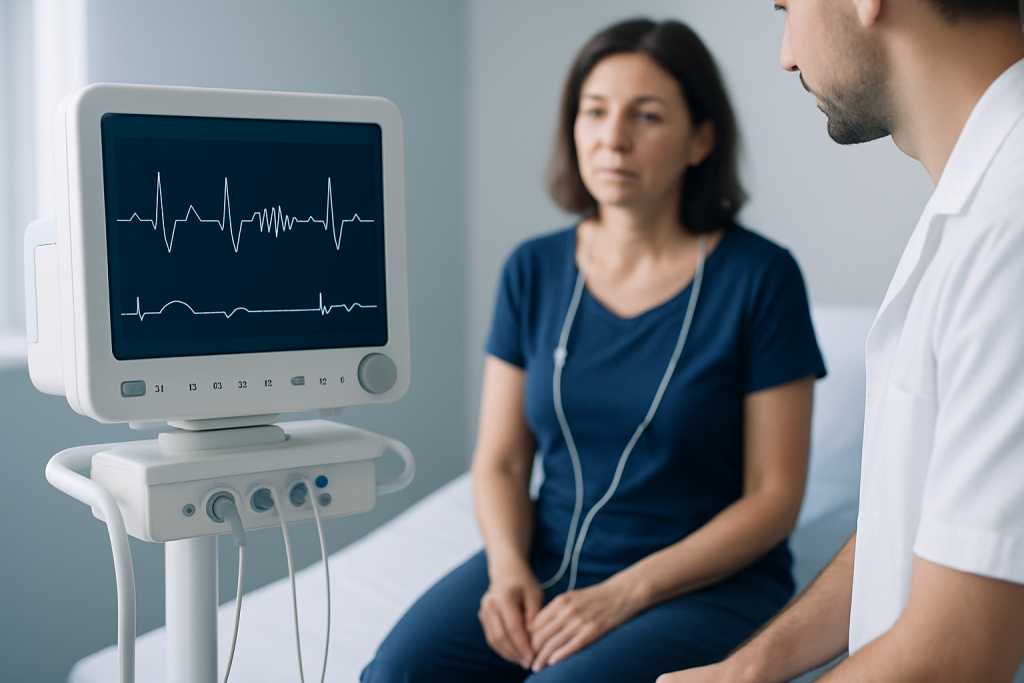
PVCs can feel very different from one person to another. Some people notice nothing at all, while others are aware of every extra beat. The sensation is often described as a flutter, a forceful thump, a skipped beat, or a moment when the heart seems to “drop” for an instant.
Symptoms may be more noticeable during quiet moments, after caffeine, when lying on the left side, or during periods of anxiety or fatigue. Some people also report mild chest discomfort, lightheadedness, or a brief sense of breathlessness, especially if the extra beats occur in repeated patterns.
- Skipped or irregular-feeling heartbeat
- Fluttering in the chest or throat
- Forceful heartbeat after a pause
- Occasional dizziness or lightheadedness
- Reduced exercise comfort when PVCs are frequent
Many symptoms that sound similar to PVCs can come from other rhythm problems, so a careful evaluation matters. If the heartbeat changes are new or are becoming more frequent, the rhythm should be documented rather than assumed.
Causes & Risk Factors

PVCs can happen without any clear cause, but several common factors make them more likely. These include stimulants such as caffeine or nicotine, emotional stress, lack of sleep, dehydration, and alcohol use. Some people notice more PVCs during illness, after intense exercise, or when they are recovering from a stressful period.
Electrolyte imbalances, such as low potassium or magnesium, can also contribute. In other cases, PVCs may be associated with heart conditions such as coronary artery disease, cardiomyopathy, valve disorders, inflammation of the heart muscle, or previous heart injury. Certain medications and recreational substances can also play a role.
Risk is not determined by one factor alone. A person with a healthy heart may have occasional PVCs, while someone with known heart disease may need closer follow-up even if the symptoms are mild. Age, family history, and overall cardiovascular health also help shape the evaluation.
Diagnosis
Diagnosis begins with a conversation about symptoms, triggers, medical history, and any known heart conditions. A clinician may ask when the palpitations occur, how long they last, whether they happen during activity or rest, and whether they are accompanied by dizziness, chest discomfort, or fainting.
An electrocardiogram, or ECG, can capture PVCs if they happen during the test. Because extra beats may come and go, longer monitoring is often needed. A Holter monitor records the rhythm continuously for a day or more, while an event monitor may be used for a longer period if symptoms are less frequent.
Additional tests may include blood work to check electrolytes, thyroid function, and other factors that can influence rhythm. An echocardiogram is often used to look at heart structure and pumping function, especially when PVCs are frequent, the person has symptoms, or there is concern about underlying heart disease. In some cases, exercise testing or advanced imaging may be recommended to better understand what is happening.
Treatment Options
Treatment depends on whether the PVCs are isolated and mild or frequent and bothersome, and whether the heart is otherwise healthy. If the rhythm is reassuring and the person feels well, a clinician may recommend observation, education, and trigger reduction rather than active treatment.
When symptoms are troublesome, medicines may help reduce PVCs or the discomfort they cause. The choice of medication depends on the overall rhythm pattern, blood pressure, other medical conditions, and whether there is any structural heart disease. The goal is to match treatment to the person, not simply to the monitor reading.
If PVCs are very frequent, arise from a single focus, or are affecting heart function, a procedure called catheter ablation may be considered. During ablation, a specialist uses thin catheters to locate the source of the abnormal beats and treat that area. This option is not needed for everyone, but it can be useful when PVCs persist despite other measures or when a clear rhythm source is identified.
For international patients, treatment planning often includes a practical conversation about what can be completed during the visit, what needs follow-up at home, and how results will be shared with local doctors afterward. That coordination can make rhythm care easier to continue after travel.
Prevention & Self-care
Not every PVC can be prevented, but many people notice fewer symptoms when they pay attention to daily patterns. Regular sleep, steady hydration, and moderating stimulants may help, especially if extra beats tend to appear after coffee, energy drinks, alcohol, or long days with little rest.
Stress management can also make a difference. Breathing exercises, walking, gentle exercise, and structured relaxation routines may reduce the body’s overall sensitivity to palpitations. If a person notices that symptoms cluster during busy work periods or travel, planning rest and hydration more intentionally can be useful.
- Limit known triggers when possible, such as excess caffeine or nicotine
- Maintain regular sleep and meal patterns
- Stay hydrated, especially during travel or hot weather
- Keep follow-up appointments and bring test results to visits
- Track symptoms, timing, and possible triggers in a simple log
People should not start, stop, or change heart medicines on their own. If PVCs are linked to an underlying condition, treating that condition is part of prevention as well.
When to See a Doctor
Medical advice is important if palpitations are new, frequent, persistent, or simply different from a person’s usual pattern. Even when PVCs turn out to be benign, checking them once helps separate harmless rhythm variations from issues that need attention.
Prompt evaluation is especially important if PVCs occur with chest pain, shortness of breath, fainting, marked dizziness, or a known history of heart disease. These symptoms do not automatically mean a serious problem, but they do justify a timely assessment.
It is also wise to seek care if symptoms interfere with sleep, exercise, travel, or day-to-day confidence. For people coming from abroad, a well-planned cardiology visit can provide ECG testing, rhythm monitoring, imaging, and a clear follow-up plan. Acibadem Health Point’s multidisciplinary specialists and JCI-accredited hospitals diagnose and treat PVCs for international patients with coordinated care.
Living With PVCs
For many people, the hardest part of PVCs is uncertainty. The heartbeat may feel dramatic even when the underlying rhythm problem is manageable. Clear answers often reduce anxiety more than any single remedy, which is why documenting the rhythm and understanding the heart’s overall condition is so valuable.
If PVCs are occasional and the heart is structurally normal, the long-term outlook is often reassuring. When PVCs are frequent, the focus shifts to reducing symptoms, protecting heart function, and following the rhythm over time. That may mean a short period of monitoring, medication adjustments, or referral to an electrophysiology specialist.
Travel should not be a barrier to getting evaluated. Many patients can complete a practical diagnostic workup during a planned visit and then continue care with a local doctor once they return home. A clear summary of findings, test results, and recommended next steps helps keep follow-up organized and safe.
Frequently asked questions
Are PVC heart beats dangerous?
Often they are not dangerous, especially when they happen occasionally in a heart that is otherwise healthy. The overall picture matters more than a single extra beat, so evaluation is useful if the PVCs are frequent or come with other symptoms.
What do PVCs feel like?
Many people describe them as a skipped beat, a flutter, or a strong thump after a brief pause. Some people do not feel them at all and only learn about them during an ECG or monitor study.
Can stress cause PVCs?
Stress can make PVCs more noticeable and may increase how often they happen in some people. Fatigue, poor sleep, and stimulants can have a similar effect, so the pattern of symptoms is often important.
How are PVCs diagnosed if they do not happen all the time?
If PVCs are not present during a short ECG, longer monitoring such as a Holter or event monitor can capture them. This helps clinicians see how often they occur and whether they follow a particular pattern.
Will I need treatment for PVCs?
Not everyone needs treatment. Some people only need reassurance and trigger management, while others benefit from medication or, less commonly, catheter ablation if the PVCs are frequent or affecting heart function.
Can I travel if I have PVCs?
Many people with PVCs can travel safely, especially if symptoms are mild and they have been evaluated. It is sensible to carry a summary of recent test results and seek prompt care if symptoms become more intense or change suddenly.
References
- American Heart Association
- European Society of Cardiology
- Mayo Clinic
- National Heart, Lung, and Blood Institute
- Cleveland Clinic
This article is for general information only and is not a substitute for professional medical advice. Please consult a qualified doctor about your individual situation.
More from the Health Library



Related Specialists

Psk. Senaz Altın
Clinical Psychology
Dr. Burcu Yilmaz
Gynecology & Obstetrics
Dr. Burcu Babaoğlu Elkhatroushi
Pulmonology
Prof. Dr. Hakan Coşkun
Otorhinolaryngology