What Is Congestive Heart Failure

Key Takeaways
- Congestive heart failure means the heart is not pumping or filling as well as it should, which can lead to fluid buildup and reduced energy.
- Common symptoms include shortness of breath, swelling in the legs or abdomen, fatigue, and trouble lying flat.
- It is often related to coronary artery disease, high blood pressure, valve disease, diabetes, or a previous heart attack.
- Diagnosis usually combines a physical exam, blood tests, imaging, and heart-function tests.
- Treatment may include medicines, lifestyle changes, devices, and sometimes procedures to address the underlying cause.
Congestive heart failure is a long-term condition in which the heart cannot pump blood as effectively as the body needs. With timely diagnosis, appropriate treatment, and steady self-care, many people can manage symptoms and protect quality of life.
Overview
Congestive heart failure, often shortened to heart failure, is a chronic condition that affects how the heart moves blood through the body. The term “congestive” refers to the fluid buildup that can happen when the heart cannot pump efficiently, especially in the lungs, legs, ankles, or abdomen.
Heart failure does not mean the heart has stopped. It means the heart is working less effectively than it should. Some people have trouble with pumping strength, while others have difficulty with filling and relaxation. In both cases, the body may not receive enough oxygen-rich blood for daily needs, which can gradually affect breathing, energy, and exercise tolerance.
For international patients considering care abroad, understanding the diagnosis early can make planning simpler. Heart failure is usually managed over time, so treatment often involves an initial evaluation, a clear medication plan, and follow-up after travel to adjust care as needed.
Symptoms
The symptoms of heart failure can develop slowly, so they are sometimes mistaken for aging, stress, or being out of shape. Shortness of breath is one of the most common signs, especially during activity, when lying flat, or at night. Some people notice they need extra pillows to sleep comfortably.
Fluid retention often shows up as swelling in the feet, ankles, legs, or belly. Clothing or shoes may feel tighter than usual. People may also feel more tired than expected, have reduced stamina, cough more at night, or notice a rapid or irregular heartbeat.
Symptoms can vary depending on whether the left side, right side, or both sides of the heart are affected. Some people have only mild symptoms at first, while others notice that everyday tasks such as climbing stairs, walking a short distance, or carrying luggage become harder than before.
- Shortness of breath with activity or while resting
- Swelling in the legs, ankles, feet, or abdomen
- Unusual fatigue or weakness
- Persistent cough or wheezing
- Weight gain from fluid retention
- Reduced ability to exercise or be active
Causes & Risk Factors

Heart failure usually develops because another condition has damaged the heart or made it work harder for many years. Coronary artery disease and previous heart attacks are common causes because they can weaken the heart muscle. High blood pressure is another major contributor, since the heart must pump against greater resistance over time.
Valve disease, cardiomyopathy, diabetes, obesity, sleep apnea, rhythm disorders, and some infections can also play a role. In some patients, more than one factor is involved, which is why doctors often look beyond the symptoms themselves and search for the underlying reason the heart is struggling.
Risk is higher in people who smoke, have a family history of heart disease, are older, or have untreated chronic conditions such as hypertension or diabetes. A history of heavy alcohol use or exposure to certain heart-toxic treatments can also increase the chance of developing heart failure.
Diagnosis
Diagnosis begins with a detailed conversation about symptoms, medical history, medicines, and lifestyle factors, followed by a physical examination. A clinician may listen for crackling sounds in the lungs, check for swelling, and evaluate the pulse and blood pressure. These first steps help guide the next tests.
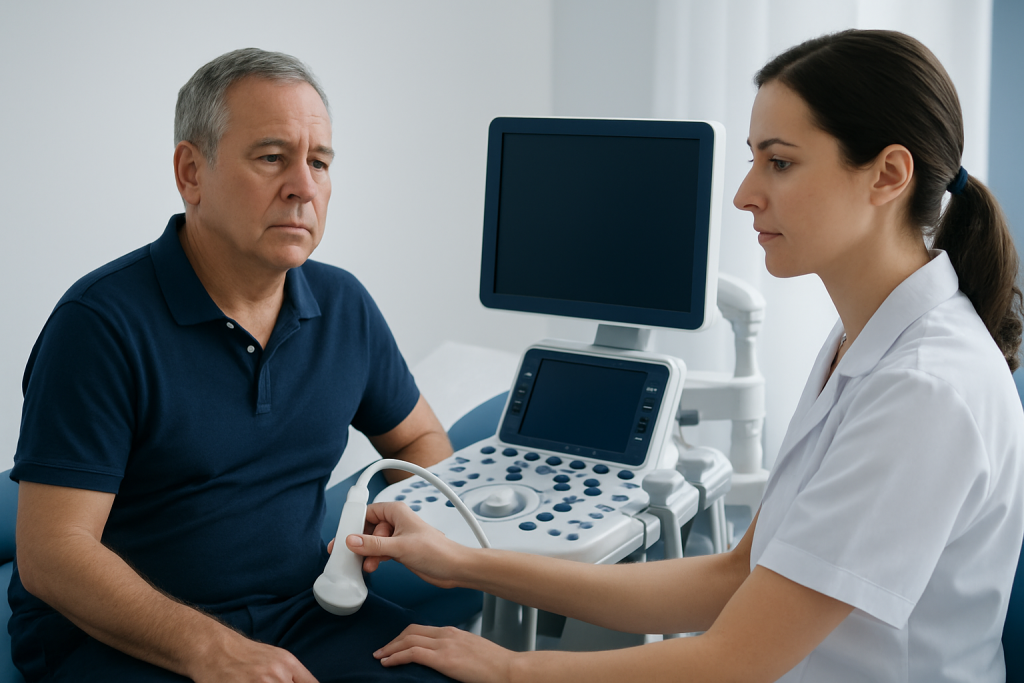
Common tests include blood work, an electrocardiogram (ECG), chest X-ray, echocardiogram, and sometimes exercise testing or cardiac MRI. An echocardiogram is especially important because it shows how well the heart pumps and how the valves and chambers are functioning.
Doctors may also check for related conditions such as anemia, thyroid problems, kidney issues, or poorly controlled diabetes. For someone traveling internationally for assessment, bringing prior test results, medication lists, and a brief symptom timeline can make the consultation more efficient and help the team compare new findings with past care.
Treatment Options
Treatment is tailored to the cause, severity, and type of heart failure. Many people need a combination of medicines that help the heart work more efficiently, reduce fluid buildup, and lower strain on the cardiovascular system. The exact plan depends on whether the condition is linked to reduced pumping strength, preserved pumping function, or another pattern.
Alongside medicines, doctors often recommend changes that support the heart day to day. These may include managing salt intake, staying physically active within safe limits, monitoring weight, and addressing other health problems such as high blood pressure, diabetes, or sleep apnea. In some cases, cardiac rehabilitation may be helpful.
If an underlying cause can be treated directly, that may improve symptoms and outcomes. Examples include procedures for blocked arteries, valve repair or replacement, rhythm management, or devices such as pacemakers or implantable defibrillators for selected patients. Advanced heart failure may require specialized care and closer follow-up.
Patients should not stop or change prescribed medicines without medical advice, especially when traveling. A coordinated plan for refills, follow-up appointments, and warning signs can help international patients continue treatment smoothly after returning home.
Prevention & Self-care
Not every case of heart failure can be prevented, but risk can often be lowered by protecting the heart over time. Blood pressure, cholesterol, blood sugar, and body weight should be monitored and managed consistently, especially in people with a family history of cardiovascular disease.
Self-care is an important part of living with heart failure. Many patients are advised to watch for sudden weight gain, swelling, increasing breathlessness, or reduced urine output, since these can signal fluid changes. Keeping a daily log of weight, symptoms, and medicines can help both the patient and the care team spot patterns early.
Simple habits can also support stability: following the care plan, staying active as recommended, avoiding smoking, limiting alcohol, and keeping follow-up visits on schedule. When travel is involved, it helps to carry a written medication list, recent test results, and contact details for the treating cardiology team.
- Take medicines exactly as prescribed
- Track weight and swelling regularly
- Choose heart-friendly meals as advised by the care team
- Stay active within personalized limits
- Keep blood pressure and diabetes under control
When to See a Doctor
Medical evaluation is important if symptoms such as shortness of breath, swelling, fatigue, or reduced exercise tolerance appear for the first time or are becoming more noticeable. Even mild symptoms can matter, especially when they change the ability to sleep, work, or move around normally.
People already diagnosed with heart failure should contact a doctor if symptoms worsen, weight increases rapidly, or swelling becomes more pronounced. A prompt review may allow medicines or other parts of the plan to be adjusted before the condition becomes more difficult to manage.
Urgent care is needed if there is severe breathlessness, chest pain, fainting, confusion, or a bluish color to the lips or face. For international patients, arranging evaluation in advance can be useful, but acute symptoms should always be treated as a medical priority wherever the person is located.
Living Well With Ongoing Care
Heart failure is often a long-term condition, but many people continue to live active and meaningful lives with structured treatment. The key is consistency: regular follow-up, attention to symptom changes, and open communication with the care team when something feels different.
Because the condition can evolve over time, treatment may be adjusted in stages. A person who starts care abroad may return home with a clear plan for medication, testing, and specialist follow-up. That continuity matters just as much as the initial diagnosis, especially when symptoms depend on subtle changes in fluid balance or heart function.
Acibadem Health Point’s multidisciplinary specialists and JCI-accredited hospitals diagnose and treat heart failure for international patients with coordinated support from evaluation through follow-up.
Frequently asked questions
What does congestive heart failure mean?
Congestive heart failure means the heart is not pumping blood as effectively as the body needs, which can cause fluid to build up in the lungs and other tissues. It is a chronic condition, but it can often be managed with the right treatment plan.
Is heart failure the same as a heart attack?
No. A heart attack is usually caused by a sudden blockage in blood flow to the heart muscle, while heart failure is a condition in which the heart cannot pump or fill properly. A heart attack can lead to heart failure, but they are not the same problem.
What are the first signs of heart failure?
Early signs often include shortness of breath, tiredness, swelling in the feet or ankles, and a need to sleep propped up on pillows. Some people notice a drop in stamina before they realize a heart problem is developing.
Can heart failure be cured?
Some causes of heart failure can be treated or improved, but heart failure itself is often a long-term condition. Treatment focuses on easing symptoms, slowing progression, and addressing the underlying cause when possible.
How is congestive heart failure diagnosed?
Doctors usually diagnose it with a physical exam, blood tests, imaging, and tests that assess heart function, such as an echocardiogram. They also look for conditions like high blood pressure, valve disease, or coronary artery disease that may be contributing to the problem.
What should a person with heart failure watch for at home?
Sudden weight gain, increasing swelling, worsening shortness of breath, or trouble lying flat can be signs that fluid is building up. It is helpful to keep a regular record of symptoms and contact a doctor if changes become noticeable.
References
- American Heart Association
- National Heart, Lung, and Blood Institute
- Mayo Clinic
- European Society of Cardiology
This article is for general information only and is not a substitute for professional medical advice. Please consult a qualified doctor about your individual situation.