When To Worry About Blood In Stool

Key Takeaways
- Not all blood in stool means an emergency, but any unexplained bleeding should be taken seriously.
- Bright red blood and black, tarry stool can suggest different bleeding locations in the digestive tract.
- Pain, weight loss, fever, anemia symptoms, or a change in bowel habits make medical evaluation more important.
- Doctors may use stool tests, blood tests, endoscopy, or imaging to find the source of bleeding.
- Prompt assessment is especially important for older adults, people with anemia, and anyone with a family history of bowel disease.
Medically reviewed by the Acıbadem clinical team — August 19, 2026
Blood in stool can come from something minor, such as a hemorrhoid, or from a more serious problem in the digestive tract. The key is to notice the color, amount, and any accompanying symptoms, then seek medical advice when the bleeding is new, persistent, or paired with other warning signs.
Overview
Seeing blood in stool is one of those symptoms that can quickly turn a routine bathroom visit into a source of worry. In many cases, the cause is treatable and not dangerous, but the word “blood” should never be ignored simply because the person feels otherwise well.
The first clue is often the appearance of the blood. Bright red blood usually suggests bleeding closer to the rectum or anus, while dark red or maroon blood can come from higher in the colon. Black, tarry stool may point to bleeding in the upper digestive tract, although some foods, iron supplements, and medications can also darken stool.
Understanding when to worry about blood in stool means looking beyond the stool alone. The amount of blood, whether the bleeding repeats, and whether other symptoms are present all help determine how urgently medical care is needed. For international patients, this kind of symptom can be especially unsettling when it appears during travel or while far from their usual doctor, which is why a structured medical assessment is so helpful.
Because there are many possible explanations, the safest approach is to treat unexplained bleeding as a signal to check in with a qualified clinician. That does not always mean an emergency, but it does mean the symptom deserves attention.
Symptoms
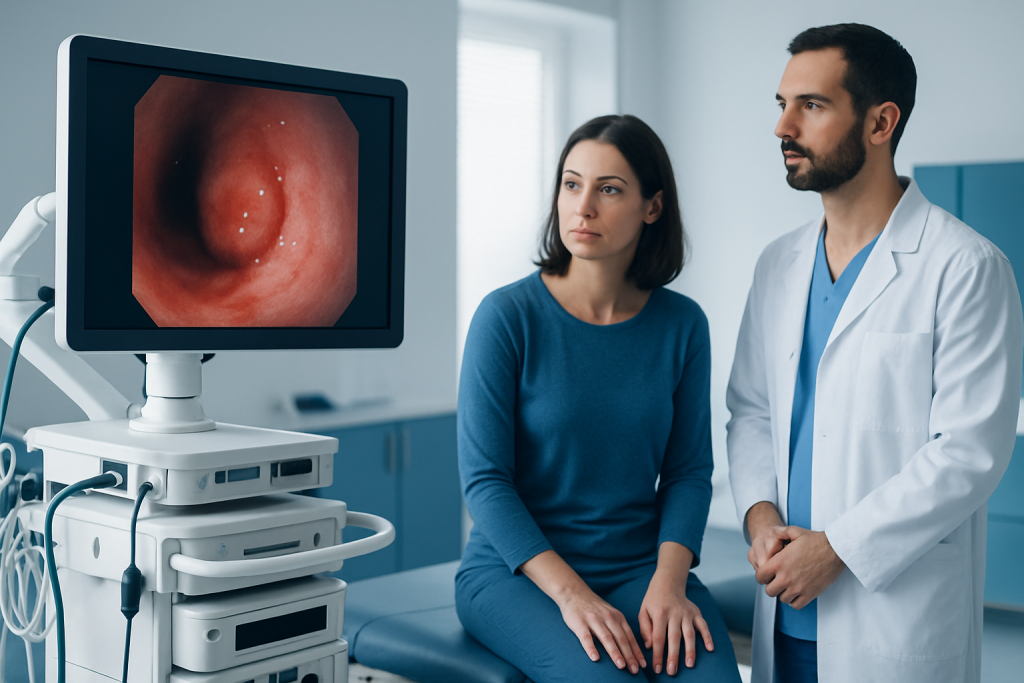
Blood in stool may appear in several different ways. Some people notice streaks of bright red blood on the toilet paper or on the outside of the stool. Others see blood mixed into the stool, drops in the toilet bowl, or a darker, tar-like stool that looks very different from normal.
The symptom may come with discomfort, but not always. Bleeding from hemorrhoids or a small anal tear may cause pain, itching, or a burning sensation, especially during bowel movements. Bleeding from deeper in the digestive tract may be painless at first, which is one reason people sometimes delay seeking help.
Other symptoms can provide important context. A clinician will pay attention if blood in stool is accompanied by:
- abdominal pain or cramping
- diarrhea or constipation that is new or persistent
- fever
- unexplained weight loss
- fatigue, shortness of breath, or dizziness
- a feeling of incomplete bowel emptying
Any sign of weakness, fainting, or large-volume bleeding should be treated as urgent. Even when the person feels stable, repeated bleeding over several days or weeks should be discussed with a doctor.
Causes & Risk Factors

The causes of blood in stool range from common and relatively minor to conditions that need prompt treatment. Hemorrhoids are among the most frequent reasons for bright red blood, especially when there is straining, constipation, or prolonged sitting on the toilet. Anal fissures, which are small tears in the lining of the anus, may also cause bright red bleeding and sharp pain during bowel movements.
Bleeding higher in the bowel can come from inflammation or injury in the digestive tract. Possible causes include diverticular disease, inflammatory bowel disease such as ulcerative colitis or Crohn’s disease, infections, polyps, and, in some cases, colorectal cancer. Upper digestive tract bleeding, such as from a stomach ulcer, can sometimes show up as black stool.
Certain factors make bleeding more likely or more important to investigate. These include older age, a personal or family history of colon polyps or colorectal cancer, use of blood-thinning medicines, chronic constipation, frequent use of anti-inflammatory medicines, inflammatory bowel disease, and recent international travel with diarrhea or stomach upset. People who have previously had digestive tract problems may need assessment sooner rather than later.
It is also worth remembering that stool color can be changed by non-bleeding causes. Iron supplements, bismuth-containing medicines, and very dark foods may alter appearance, so a doctor will usually ask about diet and medications before deciding what the stool changes mean.
Diagnosis
When blood in stool is evaluated, the doctor’s first task is to identify whether the bleeding is likely coming from the anus, the colon, or the upper digestive tract. That begins with a detailed history: what the blood looked like, how often it appeared, whether there is pain, and whether there have been changes in bowel habits, travel, medicines, or recent illness.
A physical examination may include checking the abdomen and a gentle rectal examination. Depending on the findings, the doctor may recommend stool tests to look for infection or hidden blood, blood tests to check for anemia or signs of inflammation, and tests of liver or clotting function when appropriate.
Endoscopic procedures are often the most useful way to see the source directly. A sigmoidoscopy or colonoscopy can examine the lower bowel, while an upper endoscopy is used if the bleeding pattern suggests the stomach or upper intestine. In some cases, imaging such as CT scanning helps if the source is unclear or if there are concerning symptoms.
For patients traveling from another country, it is helpful to bring previous reports, medication lists, and any prior endoscopy or pathology results. That information can shorten the time needed to reach a diagnosis and reduce repeat testing.
Treatment Options
Treatment depends entirely on the cause, which is why finding the source matters. If hemorrhoids or an anal fissure are responsible, care may focus on stool-softening strategies, local treatments, improved bowel habits, and avoiding straining. If an infection is found, treatment may involve hydration and, in selected cases, medication directed by the doctor.
Inflammatory bowel disease often requires anti-inflammatory or immune-targeting treatment plans tailored to the person’s disease pattern and overall health. Polyps may be removed during colonoscopy, and some bleeding lesions can be treated during the same procedure. If a ulcer, diverticular bleed, or other source is identified, doctors may use medication, endoscopic therapy, or, more rarely, surgery.
When blood loss has been significant, treatment may also include fluids, iron replacement, or blood transfusion in more serious situations. The exact approach depends on the person’s blood count, symptoms, and the speed of bleeding. A qualified doctor should guide any decision about medication use, especially for people who take anticoagulants, aspirin, or anti-inflammatory drugs.
Because bleeding can have more than one contributor, the best results often come from a careful, stepwise evaluation rather than guessing at the cause. That is particularly important when the symptom recurs after a period of improvement.
Prevention & Self-care
Not every cause of blood in stool can be prevented, but some practical steps can lower irritation and reduce straining. A fiber-rich diet, adequate fluid intake, and regular physical activity may support smoother bowel movements. People with constipation often benefit from discussing bowel habits early, before hard stools begin causing tears or hemorrhoidal bleeding.
It can also help to avoid sitting on the toilet for long periods and to respond to the urge to pass stool rather than delaying it. When appropriate, reviewing pain relievers or blood-thinning medicines with a clinician is useful, because some of these medicines can make bleeding more likely or more noticeable. Any medicine changes should be made under medical guidance.
For people recovering while away from home, self-care may include keeping a simple log of stool color, timing, associated pain, and any medication or food changes. This record can make a follow-up visit more efficient, whether the next appointment is local or after returning home. If the person is traveling for care, a coordinated plan for follow-up testing and results review is especially valuable.
Self-care should never be used to replace evaluation when the bleeding is unexplained, persistent, or increasing. The goal is to support the bowel, not to “watch and wait” indefinitely.
When to See a Doctor
A doctor should be consulted for any new, unexplained blood in stool, especially if it happens more than once. This is particularly important for adults over 50, people with a family history of colorectal cancer or polyps, and anyone with ongoing bowel habit changes.
Medical attention should be sought promptly if blood in stool is accompanied by black stool, severe abdominal pain, fever, fainting, dizziness, weakness, shortness of breath, or a large amount of bleeding. These signs may indicate significant blood loss or a more serious digestive tract problem.
Even if the bleeding seems small, it should not be dismissed when it continues, returns, or occurs alongside weight loss, anemia, or persistent diarrhea. A timely check can clarify whether the cause is minor, inflammatory, infectious, or something that needs more specific treatment.
Acibadem Health Point’s multidisciplinary specialists and JCI-accredited hospitals diagnose and treat digestive bleeding for international patients, with coordinated care that can support both evaluation and follow-up. As with any concerning symptom, the right next step is to speak with a qualified doctor rather than assuming the cause from appearance alone.
Living With the Symptom While Waiting for Evaluation
Waiting for an appointment can feel longer when the symptom is visible and unfamiliar. A calm, organized approach helps: note when the bleeding started, how much was seen, whether it was bright red or dark, and whether there were changes in bowel habits, pain, or travel-related illness.
If the person is scheduled for testing, following preparation instructions carefully matters. Colonoscopy or stool tests often depend on clear bowel preparation or specific sample handling, and getting those details right can improve the quality of the results. For people who are abroad, it is wise to confirm how reports will be shared and how follow-up will happen across time zones.
Emotional stress is understandable, but blood in stool does not automatically mean cancer or another severe disease. Many causes are treatable and manageable once identified. The goal is not to panic, but to get the right information at the right time.
Frequently asked questions
Is bright red blood in stool always serious?
Not always. Bright red blood can come from hemorrhoids or a small anal fissure, which are common and often treatable. Still, any unexplained bleeding should be checked, especially if it keeps happening or comes with other symptoms.
What does black stool mean?
Black, tarry stool can sometimes suggest bleeding in the upper digestive tract, such as the stomach. However, iron supplements, bismuth medicines, and some foods can also darken stool, so a doctor may ask about these before deciding what it means.
Can blood in stool happen without pain?
Yes. Some causes, including bleeding from the colon or rectum, may not cause pain at first. That is one reason painless bleeding should not be ignored.
When should someone seek urgent care for blood in stool?
Urgent care is important if there is a large amount of blood, fainting, dizziness, shortness of breath, severe abdominal pain, or black stool with weakness. These signs may indicate significant blood loss or another serious problem.
Will every case of blood in stool need a colonoscopy?
Not every case, but colonoscopy is a common and useful test when the source is not obvious or when risk factors are present. The doctor decides based on age, symptoms, exam findings, and the likely cause.
Can travel or food changes cause blood in stool?
Travel itself does not usually cause bleeding, but infections picked up during travel can irritate the bowel and sometimes lead to blood in stool. Food changes may affect stool color, but they do not usually cause true bleeding.
References
- National Institute of Diabetes and Digestive and Kidney Diseases
- Mayo Clinic
- American College of Gastroenterology
- American Society of Colon and Rectal Surgeons
- NHS
This article is for general information only and is not a substitute for professional medical advice. Please consult a qualified doctor about your individual situation.
Persistent digestive symptoms? Get evaluated in Turkey
JCI-accredited · board-certified surgeons · reply within 24h
Add us as a Preferred Source to see more of our trusted health content across Google Search, AI Overviews and Discover.