What Does Poop Look Like With Diverticulitis

Key Takeaways
- Stool changes with diverticulitis can include constipation, diarrhea, narrower stools, or no obvious change at all.
- Left lower abdominal pain, fever, and tenderness are often more helpful clues than stool appearance alone.
- Other digestive problems can look similar, so diagnosis usually depends on symptoms, examination, and imaging.
- Treatment depends on severity and may include rest, diet changes, pain relief, antibiotics in some cases, or hospital care for complications.
- Seek medical attention promptly for severe pain, high fever, vomiting, blood in stool, or inability to pass gas or stool.
Diverticulitis can affect bowel habits in different ways, but stool changes alone do not confirm the condition. This article explains what people may notice, what else can cause similar symptoms, and when medical evaluation is important.
Overview
People searching for what poop looks like with diverticulitis are usually trying to connect a bowel change to a nagging abdominal symptom. That instinct makes sense, but diverticulitis does not have one single “classic” stool appearance. Some people notice constipation, others diarrhea, and many describe a change in the usual rhythm rather than a dramatic difference in color or texture.
Diverticulitis happens when one or more diverticula—small pouches in the colon wall—become inflamed or infected. The condition is often felt more than seen: pain, bloating, pressure, and tenderness may be more noticeable than any change in the toilet bowl. For travelers or international patients, that uncertainty can be especially frustrating when symptoms begin far from home and they are deciding whether to rest, seek local care, or arrange a specialist evaluation.
The most useful approach is not to inspect stool for a single telltale sign, but to look at the full pattern: abdominal pain, bowel habit changes, fever, nausea, and how long the symptoms have lasted. Those details help clinicians decide whether diverticulitis is likely and whether imaging or urgent treatment is needed.
Symptoms
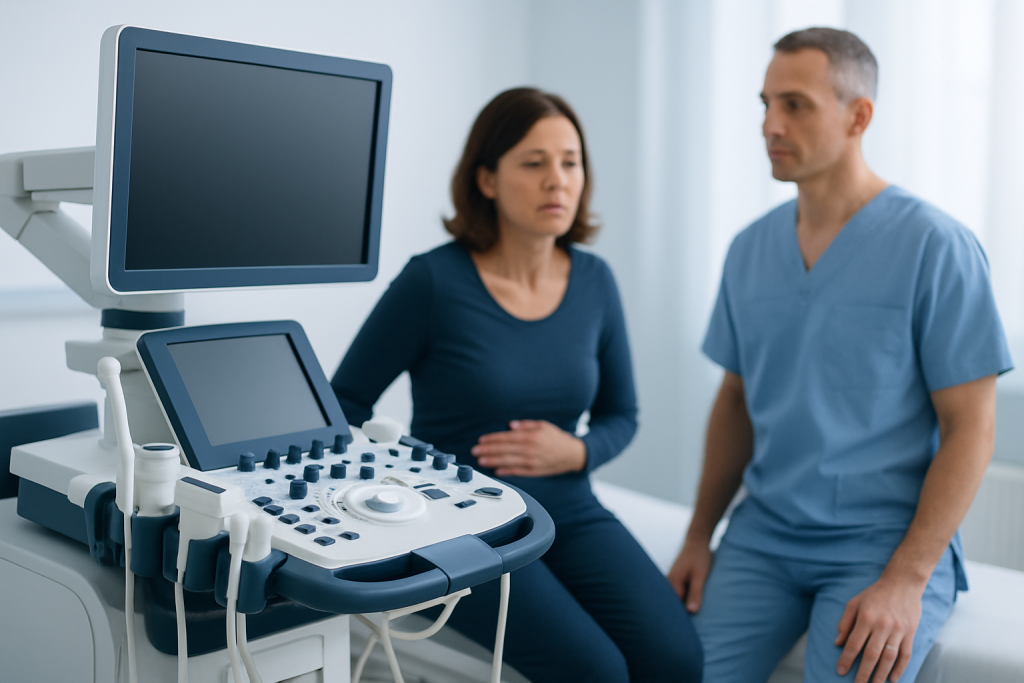
The bowel symptoms of diverticulitis vary from person to person. Some individuals become constipated, especially if inflammation makes the bowel feel sluggish or painful to empty. Others develop looser stools or diarrhea, sometimes with an urgent need to use the restroom.
Stool may also seem smaller or narrower than usual if the colon is irritated or cramped. That said, stool shape is not specific to diverticulitis and can change with hydration, diet, stress, medications, or other digestive conditions. Color is usually not the main clue; normal brown stool does not rule diverticulitis in or out.
More recognizable symptoms often include:
- Left lower abdominal pain or cramping
- Tenderness when the area is pressed
- Fever or chills
- Nausea or reduced appetite
- Bloating or a sense of fullness
- Changes in bowel habits, including constipation or diarrhea
When symptoms are mild, they can resemble a routine stomach upset. When they worsen, the pain may become more localized and persistent, which is one reason medical assessment is important rather than relying on stool appearance alone.
Causes & Risk Factors
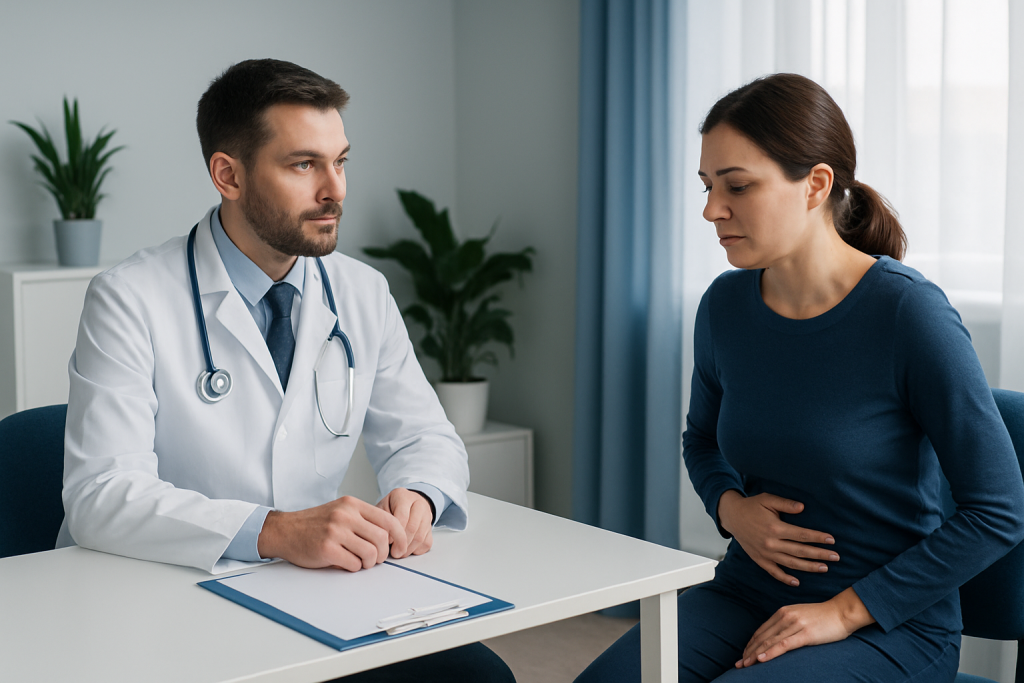
Diverticulitis develops when diverticula in the colon become inflamed, irritated, or infected. The exact trigger is not always clear. In many cases, stool changes occur because the inflamed bowel is not moving normally, rather than because the stool itself is the problem.
Risk tends to rise with age, but diverticulitis can occur in younger adults as well. A low-fiber eating pattern over time, chronic constipation, obesity, smoking, and limited physical activity are commonly discussed risk factors. Some medicines, including certain pain relievers, may also affect digestive health and should be reviewed with a clinician.
Past diverticulitis episodes can raise the chance of future episodes, though not everyone with diverticulosis will ever develop diverticulitis. It is also important to remember that several other conditions—such as irritable bowel syndrome, infectious colitis, inflammatory bowel disease, and colorectal problems—can create similar stool changes and abdominal discomfort.
Diagnosis
Because stool changes are nonspecific, diagnosis usually begins with a careful conversation about symptoms and timing. A clinician may ask when the pain started, where it is located, whether there is fever, and whether bowel habits have changed. A physical examination can help identify localized tenderness or signs that the abdomen is irritated.
Imaging is often the most useful way to confirm diverticulitis, especially if symptoms are moderate to severe or the diagnosis is uncertain. A CT scan of the abdomen and pelvis is commonly used because it can show inflamed diverticula and help rule out complications such as abscess, perforation, or obstruction. Blood tests may also be ordered to look for inflammation, infection, anemia, or dehydration.
Stool tests are not always necessary for diverticulitis itself, but they may be helpful if diarrhea is prominent or another cause is being considered. When patients are receiving care from abroad, bringing prior test results, a current medication list, and any imaging reports can make the diagnostic process smoother and reduce duplicated testing.
Treatment Options
Treatment depends on how severe the inflammation is and whether complications are present. Mild, uncomplicated diverticulitis is sometimes managed with close observation, temporary diet changes, and symptom relief. More significant episodes may require antibiotics, and severe illness can require hospital care with intravenous fluids, pain control, and monitoring.
Diet advice is usually individualized. Some clinicians suggest a short period of easier-to-digest foods during a flare, then a gradual return to a fiber-rich pattern once symptoms improve. Hydration is important, especially if diarrhea, fever, or reduced food intake has been present.
In complicated cases—such as abscess, perforation, fistula, or bowel obstruction—procedures or surgery may be needed. These decisions are based on imaging, symptom severity, and overall health rather than stool appearance. Because treatment plans can change quickly, especially after travel or when symptoms are progressing, it is best to be evaluated by a qualified doctor rather than self-treating based only on bowel changes.
Prevention & Self-care
Self-care during recovery focuses on reducing strain on the bowel and watching for warning signs. Rest, fluids, and the eating plan recommended by the treating clinician are usually the practical starting points. If bowel movements are uncomfortable, it is better to avoid forcing stool or taking unapproved laxatives without medical advice.
After recovery, long-term habits may help support colon health. A balanced diet that includes fiber when appropriate, regular physical activity, good hydration, and smoking cessation are sensible measures for many people. Managing constipation early can also reduce discomfort and help the bowel function more predictably.
For international patients, follow-up matters just as much as the initial visit. If treatment begins in another country, it is helpful to leave with a clear written plan covering diet progression, medication instructions, warning signs, and who to contact if symptoms return after flying home.
- Follow the diet plan recommended by the clinician
- Drink enough fluids unless told otherwise
- Resume fiber gradually after recovery, if advised
- Avoid smoking and review pain medicine use with a doctor
- Arrange follow-up if symptoms do not fully resolve
When to See a Doctor
Medical review is important if abdominal pain is persistent, worsening, or clearly localized to the lower left side, especially when paired with fever, nausea, or a new bowel habit change. Diverticulitis cannot be confirmed by stool appearance alone, and delaying assessment can make it harder to rule out other conditions that need different care.
Urgent care is warranted for severe pain, high fever, repeated vomiting, fainting, a swollen or rigid abdomen, inability to pass gas or stool, or blood in the stool. These symptoms can signal a complication or another serious digestive problem that should not be managed at home.
If symptoms begin while traveling, a prompt evaluation by a doctor is reasonable even if the person hopes to continue the trip. Acibadem Health Point’s multidisciplinary specialists and JCI-accredited hospitals diagnose and treat diverticulitis for international patients, including those who need coordinated imaging, gastroenterology review, or surgical assessment.
Looking at the Whole Picture
There is no single stool look that confirms diverticulitis. A person may have constipation, diarrhea, narrower stools, or little change in the stool at all. The more important clues are the pattern of abdominal pain, tenderness, fever, and changes in how the bowel is functioning overall.
That broader picture is what helps clinicians separate diverticulitis from other digestive conditions and choose the right next step. When in doubt, especially if symptoms are new, persistent, or happening away from home, medical evaluation is the safest and most efficient way to move from uncertainty to a clear plan.
Frequently asked questions
What does poop usually look like with diverticulitis?
There is no single typical look. Some people have constipation, others diarrhea, and some notice narrower stools or no major stool change at all. Stool appearance alone is not enough to diagnose diverticulitis.
Can diverticulitis cause blood in stool?
It can happen, but blood in stool is not the most common feature and should never be ignored. If blood is present, a doctor should evaluate the cause promptly because other conditions can also cause bleeding.
Is constipation more common than diarrhea with diverticulitis?
Constipation is common, but diarrhea can also occur. The bowel pattern depends on how the inflammation affects the colon and on the person’s baseline digestive habits.
How is diverticulitis diagnosed if stool changes are not specific?
Doctors usually rely on symptoms, an abdominal exam, blood work, and often a CT scan. Imaging is especially helpful for confirming diverticulitis and checking for complications.
Can diverticulitis go away without treatment?
Some mild cases improve with close medical guidance, but it is not safe to assume symptoms will resolve on their own. A clinician can determine whether observation, antibiotics, or more urgent care is needed.
When should someone seek urgent help?
Urgent assessment is needed for severe abdominal pain, fever, repeated vomiting, a hard or swollen abdomen, inability to pass stool or gas, or blood in the stool. These symptoms can indicate a complication or another condition that needs prompt care.
References
- Mayo Clinic
- National Institute of Diabetes and Digestive and Kidney Diseases
- American College of Gastroenterology
- NHS
This article is for general information only and is not a substitute for professional medical advice. Please consult a qualified doctor about your individual situation.