When Does Perimenopause Start

Key Takeaways
- Perimenopause often starts in the 40s, but it can begin earlier or later depending on individual factors.
- The first clues are usually changes in menstrual patterns, sleep, mood, and temperature regulation.
- A doctor may diagnose perimenopause by listening to symptoms and ruling out other causes of cycle changes.
- Lifestyle measures and, when appropriate, medical treatments can help ease symptoms and protect long-term health.
Perimenopause is the transition leading up to menopause, and it often begins gradually with subtle changes in the menstrual cycle and hormone levels. Understanding the common timing and symptoms can help women recognize what is happening and decide when medical guidance may be helpful.
Overview
Perimenopause is the stage of life when the ovaries gradually make less estrogen and progesterone, and the menstrual cycle begins to change. It is not a single event, but a transition that can unfold over several years before the final menstrual period.
For many women, the question is less about a fixed starting date and more about noticing patterns: periods that arrive earlier or later than usual, sleep that becomes less predictable, or hot flashes that seem to appear out of nowhere. These changes can feel confusing at first, especially when they overlap with work stress, travel, caregiving, or other health concerns.
In a practical sense, perimenopause starts when hormone changes begin to affect the body in noticeable ways. Some women notice it in their late 30s, although it more commonly begins in the 40s. The experience is individual, and the timing does not always match what family members or friends describe.
Symptoms
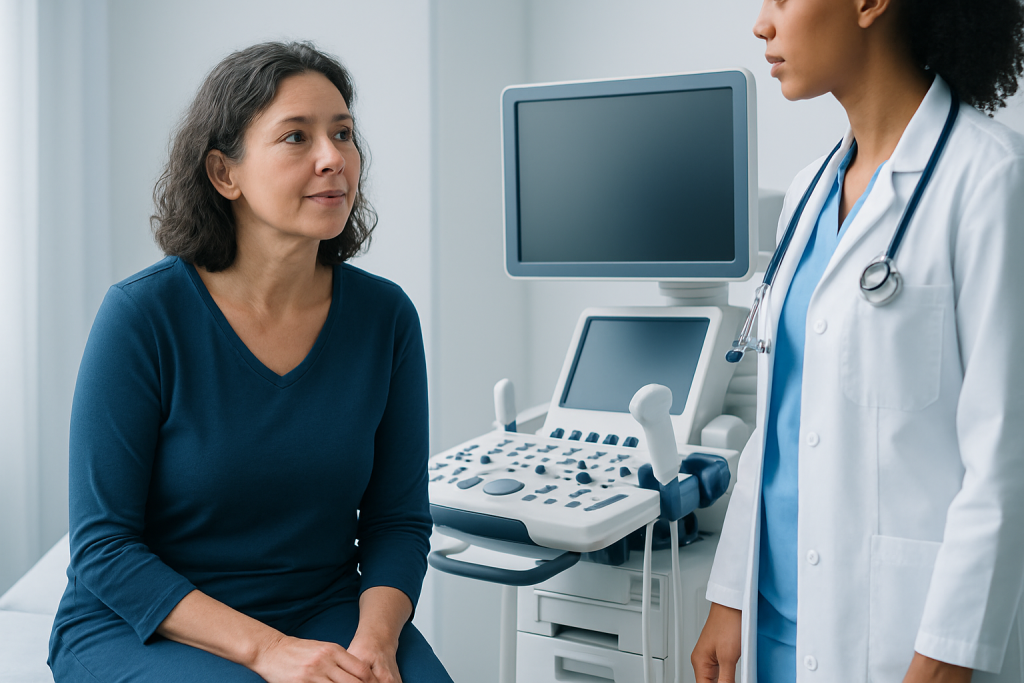
The earliest signs often show up in the menstrual cycle. Periods may become shorter, longer, heavier, lighter, or more irregular than before. Some women also notice spotting between periods or skipped cycles, which can make it harder to know what is normal.
Beyond bleeding changes, perimenopause can affect several body systems at once. Hot flashes, night sweats, trouble sleeping, vaginal dryness, lower libido, and mood changes are all common. Some women describe brain fog, irritability, headaches, or joint discomfort, while others mainly notice fatigue and a sense that their body feels less predictable.
Symptoms do not need to be severe to matter. Even mild changes can influence daily life, planning, travel, intimacy, and concentration. The pattern and consistency of symptoms are often more useful than any single episode.
- Irregular or changing periods
- Hot flashes and night sweats
- Sleep disturbance
- Mood swings, anxiety, or irritability
- Vaginal dryness or discomfort during sex
- Reduced energy, focus, or memory clarity
Causes & Risk Factors

Perimenopause happens because ovarian function naturally changes with age. As hormone production becomes less consistent, ovulation may occur less regularly, which leads to fluctuations in estrogen and progesterone. These fluctuations are often responsible for symptoms such as unpredictable bleeding, temperature changes, and mood shifts.
Age is the main factor, but the timing is not identical for everyone. Genetics can play a role, so a mother’s or sister’s experience may offer a rough clue, though not a certainty. Smoking is associated with earlier menopause in many women, and certain medical treatments or surgeries that affect the ovaries can also bring on earlier changes.
Some health conditions may influence how perimenopause feels or when it appears. Thyroid disorders, uterine fibroids, polycystic ovary syndrome, and some medications can cause symptoms that resemble perimenopause, which is one reason a thoughtful medical evaluation can be helpful when changes seem unusual or abrupt.
Diagnosis
There is no single test that definitively marks the start of perimenopause. In many cases, a clinician makes the diagnosis by reviewing symptoms, menstrual patterns, age, and overall health history. A woman describing new irregular cycles and classic vasomotor symptoms in her 40s may already fit the pattern well.
Testing can still be useful when the picture is not clear. A doctor may order blood work to look for pregnancy, thyroid problems, anemia, or other causes of bleeding changes. Hormone tests are sometimes used, but results can vary from day to day during perimenopause, so they are not always the most reliable way to confirm the transition.
When care is being arranged from another country, it helps to bring a record of cycle dates, symptom timing, medications, and any prior imaging or lab results. Clear documentation can make the consultation more efficient and reduce the need for repeated testing.
Treatment Options
Treatment depends on which symptoms are most disruptive and whether the woman has other health needs to consider. Some people need only reassurance and lifestyle support, while others benefit from prescription treatments that target hot flashes, sleep disruption, vaginal symptoms, or heavy bleeding.
Hormone therapy may be an option for some women, especially when symptoms are moderate to severe and there are no reasons to avoid it. Non-hormonal medicines can also help with hot flashes or mood-related symptoms. For vaginal dryness or discomfort, local therapies and moisturizers may improve comfort and intimacy.
If heavy or irregular bleeding is the main concern, a doctor may look for an underlying cause and suggest specific treatment. In some cases, procedures are needed, but many women manage well with medical therapy and follow-up. The best plan is usually individualized rather than based on age alone.
- Hormone therapy for selected patients
- Non-hormonal options for vasomotor symptoms
- Vaginal treatments for dryness and discomfort
- Support for sleep, mood, and bleeding changes
- Evaluation of other causes when symptoms do not fit the usual pattern
Prevention & Self-care
Perimenopause cannot be prevented, but symptoms may be easier to manage when the body is supported through the transition. Regular exercise, consistent sleep habits, balanced nutrition, and stress-reduction strategies can all help reduce symptom burden and protect overall health.
Some women find it useful to track periods and symptoms in a notebook or app. Noting sleep quality, hot flashes, mood changes, and bleeding patterns can reveal trends that are easy to miss in the moment. This information can also help a doctor tailor advice, especially if the woman is planning care while living or traveling abroad.
Self-care also means staying attentive to broader health needs. Bone health, cardiovascular risk, and pelvic health all deserve attention during midlife, particularly if family history or existing conditions are part of the picture.
- Move regularly, including weight-bearing exercise
- Limit smoking and moderate alcohol if needed
- Choose foods that support bone and heart health
- Use layered clothing and sleep-friendly routines for night sweats
- Keep up with routine screenings and gynecologic care
When to See a Doctor
Medical advice is worthwhile when periods become noticeably irregular, bleeding is much heavier than usual, or symptoms begin to affect sleep, work, relationships, or daily comfort. It is especially important to seek evaluation if bleeding occurs after sex, between periods, or after a long gap, because these patterns should not be assumed to be perimenopause without checking.
A doctor should also be consulted if symptoms begin before the late 30s, if there is a sudden and dramatic change, or if there are signs that another condition may be involved. Thyroid disease, pregnancy, anemia, and uterine problems can overlap with perimenopause, and sorting them out early can prevent delays in treatment.
For Myomectomy Recovery for International Patients: The Usual Travel Timeline" class="ahp-ilk">international patients, coordinated care can make the process simpler when time is limited. At Acibadem Health Point, multidisciplinary specialists and JCI-accredited hospitals diagnose and treat perimenopause-related concerns for international patients, with an emphasis on clear communication and follow-up planning.
Living Through the Transition
Perimenopause can be a confusing stage, partly because it does not arrive with a single announcement. A woman may feel well for months, then notice a cluster of symptoms that seem unrelated until they are viewed together. Understanding the pattern can be reassuring and helps replace uncertainty with practical planning.
Many women benefit from a visit that focuses on the full picture: cycle changes, sleep, mood, sexual health, family history, and long-term goals. That broader view is often more useful than treating each symptom in isolation. It also allows the care plan to adapt if travel, relocation, or upcoming surgery affects scheduling.
With the right guidance, perimenopause can be managed in a way that supports day-to-day life rather than interrupting it. The goal is not to rush through the transition, but to navigate it with clarity, comfort, and appropriate medical support when needed.
Frequently asked questions
When does perimenopause usually start?
Perimenopause commonly begins in the 40s, but some women notice changes in their late 30s. The exact timing varies from person to person and is influenced by genetics, smoking, and overall health.
How long does perimenopause last?
It often lasts several years, though the length can vary widely. The transition ends when menopause is reached, which is confirmed after 12 consecutive months without a menstrual period.
Can I still get pregnant during perimenopause?
Yes, pregnancy is still possible until menopause has occurred. If pregnancy is not desired, contraception may still be needed during the transition.
Are irregular periods always a sign of perimenopause?
Not always. Irregular bleeding can also be caused by pregnancy, thyroid problems, fibroids, polyps, and other conditions, so a medical review is important if the pattern is new or unusual.
Do hormone tests confirm perimenopause?
Hormone levels can fluctuate a lot during perimenopause, so a single test is not always conclusive. Doctors often rely more on symptoms, menstrual changes, and ruling out other causes.
What helps with hot flashes and sleep problems?
Lifestyle adjustments such as cooling the bedroom, reducing triggers, and keeping a regular sleep routine may help. If symptoms remain troublesome, a doctor can discuss prescription and non-prescription options.
References
- American College of Obstetricians and Gynecologists
- North American Menopause Society
- National Institute on Aging
- Office on Women's Health
This article is for general information only and is not a substitute for professional medical advice. Please consult a qualified doctor about your individual situation.
More from the Health Library



Related Specialists

Prof. Dr. A. Taner Usta
Gynecology & Obstetrics
Prof. Dr. Ahmet Tayyar
Gynecology & Obstetrics
Prof. Dr. Ahmet Cem Batukan
Gynecology & Obstetrics
Dr. Sevgi Selen
Gynecology & Obstetrics