C Section Recovery

Key Takeaways
- Recovery after a C section usually takes longer than recovery after vaginal birth, especially in the first few weeks.
- Incision care, pain control, gentle walking, and adequate rest all support healing.
- It is common to feel tired, sore, and emotionally sensitive while the body heals and adjusts after delivery.
- Certain symptoms, such as fever, worsening pain, heavy bleeding, or incision changes, should be reviewed by a doctor.
- Planning support at home can make recovery easier, especially for patients returning to another country after surgery.
C section recovery is a gradual process that involves healing the incision, easing pain, regaining strength, and adjusting to life after birth. With steady rest, gentle movement, and clear follow-up care, most people recover well after a cesarean delivery.
Overview
A C section, also called a cesarean delivery, is major abdominal surgery used to deliver a baby through incisions in the abdomen and uterus. Because the operation involves tissue layers that need time to heal, recovery is often slower and more structured than after a vaginal birth.
In the early days, the body is doing two demanding jobs at once: recovering from surgery and adjusting to the physical changes that follow childbirth. That is why simple tasks such as standing up, climbing stairs, carrying a baby seat, or getting in and out of a car can feel surprisingly difficult at first.
For many patients, C section recovery is not a single event but a series of stages. The incision closes first, then strength gradually returns, and later the abdomen, pelvic floor, and energy levels continue to improve. Having realistic expectations can make the recovery period feel less overwhelming and more manageable.
Symptoms and What Is Normal
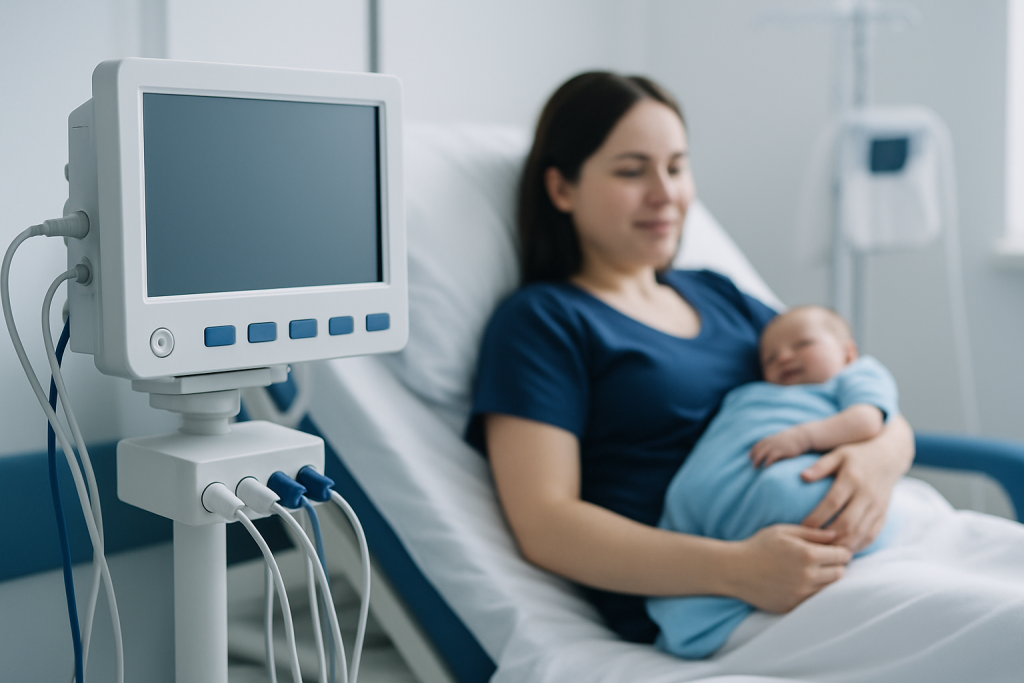
In the first week or two, soreness around the incision is expected, especially when moving, coughing, laughing, or changing position. Many people also notice fatigue, mild swelling, bloating, constipation, and some discomfort from the uterus contracting back to its usual size.
It is also common to have lochia, the vaginal bleeding and discharge that continues after delivery. This can gradually change from bright red to pink, brown, and then lighter discharge over time. Tiredness can feel intense, particularly when sleep is interrupted by newborn feeding needs.
Other common experiences include:
- Pulling or tightness near the incision
- Temporary numbness around the scar
- Mood swings or emotional sensitivity
- Shoulder or gas pain from abdominal surgery and reduced movement
These symptoms are usually part of healing, but they should still be watched closely so that any change from the expected pattern is noticed early.
Causes & Risk Factors

A C section may be planned in advance or recommended during labor for maternal or fetal reasons. Common reasons include a previous cesarean birth, placenta-related concerns, breech presentation, labor that does not progress as expected, or signs that a vaginal delivery may not be the safest option.
Several factors can make recovery feel more demanding. A history of abdominal surgery, anemia, obesity, diabetes, infection, or a longer or emergency operation may increase the need for close follow-up. Recovery can also be more challenging when a patient must travel home soon after birth or return to another country before feeling fully strong.
Support at home matters too. Limited help with lifting, meals, housekeeping, and newborn care can make the recovery period harder, even when the surgical healing itself is progressing well. For Myomectomy Recovery for International Patients: The Usual Travel Timeline" class="ahp-ilk">international patients, coordinating discharge instructions, medication plans, and follow-up care before travel can make a meaningful difference.
Diagnosis and Follow-up Checks
There is no separate test to diagnose normal recovery after a C section. Instead, doctors monitor the healing process through postpartum checkups, symptom review, and examination of the incision and abdomen. They may ask about bleeding, pain, bowel movements, urination, mood, and how well the patient is moving and sleeping.
At follow-up visits, the incision is checked for redness, swelling, separation, drainage, or tenderness. The uterus, blood pressure, and general postpartum recovery may also be assessed. If there are concerns, additional evaluation may be needed to rule out infection, blood clots, retained tissue, or other complications.
Patients who are planning to fly home or continue care abroad should ask for a written summary of the surgery, wound-care instructions, and clear guidance about what symptoms require urgent medical review. That preparation can help another clinician understand the recent delivery if care is needed after travel.
Treatment Options
C section recovery is usually supported by a combination of pain relief, wound care, movement, and rest. Doctors may recommend medications that reduce pain and inflammation, along with guidance on which medicines are safe during breastfeeding. A patient should always follow the treating team’s instructions rather than using leftover or unfamiliar medicines.
Incision care is especially important. The wound should be kept clean and dry according to the surgeon’s directions, and the patient should avoid rubbing or applying products unless advised. Gentle walking is often encouraged early because it helps circulation, reduces constipation, and supports a gradual return to normal activity.
Treatment may also include:
- Supportive abdominal binding if recommended by the care team
- Stool softeners or diet guidance to ease constipation
- Breastfeeding support and positioning advice
- Pelvic floor or postpartum rehabilitation when appropriate
If infection, heavy bleeding, or blood clot symptoms are suspected, treatment changes quickly and may require prompt medical evaluation. The right plan depends on the individual recovery picture rather than a fixed timeline.
Prevention & Self-care
Not every C section can be avoided, and recovery cannot be rushed. What patients can do is create the best conditions for healing. Rest is important, but complete inactivity is not ideal; short, frequent walks and gentle movement usually help the body recover more comfortably.
A practical self-care routine often includes drinking enough fluids, eating balanced meals with protein and fiber, protecting the incision from pressure, and asking for help with lifting anything heavier than the baby when possible. Sneezing, laughing, or getting up from bed may be easier when the abdomen is supported with a pillow.
For patients recovering after an international medical trip, planning matters just as much as the physical care. Keeping discharge paperwork accessible, arranging transport that avoids unnecessary strain, and allowing time before long travel can reduce stress. It is also sensible to line up a local doctor for follow-up in case questions come up after returning home.
When to See a Doctor
Some discomfort is expected after a cesarean birth, but certain changes deserve prompt medical attention. A doctor should be contacted if the incision becomes increasingly red, swollen, hot, open, or begins to drain pus or a strong-smelling fluid.
Urgent review is also important for fever, severe or worsening abdominal pain, heavy bleeding, large clots, painful urination, leg swelling, chest pain, or shortness of breath. These symptoms can suggest infection, excessive bleeding, or a clot and should not be monitored at home without professional advice.
Emotional health matters too. If sadness, anxiety, panic, or a sense of being unable to cope becomes persistent, postpartum support should be sought. Recovery after birth can affect both body and mind, and early help is a normal part of good care. Acibadem Health Point’s multidisciplinary specialists and JCI-accredited hospitals diagnose and treat this condition for international patients, with coordinated support that can help continuity of care after discharge.
Frequently asked questions
How long does C section recovery usually take?
The first few weeks are often the most physically demanding, especially for walking, lifting, and incision comfort. Full healing takes longer, and many people continue to regain strength over several weeks to months. Follow-up visits help the doctor judge whether healing is on track.
What is the most important thing to do after a C section?
Rest, gentle movement, and incision care are usually the core priorities. It also helps to accept support with meals, baby care, and housework so the body can focus on healing. Following the discharge plan closely is important, especially if the patient is traveling after birth.
Is it normal to feel more pain when standing up or coughing?
Yes, this is common because the abdominal muscles and incision area are healing. Supporting the abdomen with a pillow, moving slowly, and taking recommended pain relief can help. Pain that suddenly worsens or becomes severe should be checked by a doctor.
When can someone start walking after a C section?
Many patients are encouraged to begin gentle walking soon after surgery, often with help at first. Short walks support circulation and bowel function, but they should be kept easy and gradual. The care team can advise on the safest pace based on the individual recovery.
Can a patient breastfeed after a C section?
Yes, breastfeeding is usually possible after a cesarean birth. Some positions are more comfortable than others, especially when the incision is tender, so extra pillows and breastfeeding support can help. If pain control or positioning becomes difficult, the care team can suggest practical adjustments.
What signs mean the incision may be infected?
Increasing redness, swelling, warmth, pus-like drainage, bad odor, or worsening pain can suggest infection. Fever can be another warning sign. These changes should be assessed by a doctor rather than watched at home for too long.
References
- World Health Organization
- American College of Obstetricians and Gynecologists
- NHS
- Mayo Clinic
- Centers for Disease Control and Prevention
This article is for general information only and is not a substitute for professional medical advice. Please consult a qualified doctor about your individual situation.
More from the Health Library


Related Specialists

Prof. Dr. A. Taner Usta
Gynecology & Obstetrics
Prof. Dr. Ahmet Tayyar
Gynecology & Obstetrics
Prof. Dr. Ahmet Cem Batukan
Gynecology & Obstetrics
Dr. Sevgi Selen
Gynecology & Obstetrics