Labia Minora

Key Takeaways
- Labia minora appearance varies greatly and often falls within normal anatomy.
- Symptoms such as pain, itching, swelling, or recurrent irritation should be assessed by a clinician.
- Treatment depends on the cause and may include hygiene changes, medication, or, in selected cases, surgery.
- A gentle, non-judgmental gynecologic evaluation can clarify whether a change is normal or needs care.
- People traveling for treatment should plan follow-up, recovery time, and support before and after the visit.
The labia minora are the inner folds of the vulva and vary widely in size, shape, and color from one person to another. Most differences are normal, but discomfort, irritation, asymmetry, or sudden changes may deserve medical attention.
Overview
The labia minora are the inner folds of the vulva, located between the outer labia and the vaginal opening. Their job is not to look a certain way, but to be part of a sensitive, protective structure that varies naturally from person to person.
Some labia minora are small and tucked within the outer folds, while others are longer, more visible, uneven, or have a darker color. These differences are usually normal anatomy rather than a medical problem. In many people, awareness of the labia minora begins only when they notice friction during exercise, difficulty with tight clothing, or curiosity about whether their appearance is typical.
For Myomectomy Recovery for International Patients: The Usual Travel Timeline" class="ahp-ilk">international patients considering evaluation or Endometriosis Treatment Abroad: Medication, Laparoscopy, or Both?" class="ahp-ilk">treatment abroad, it can help to separate cosmetic concerns from symptoms. A clinician can explain whether the issue is a normal variation, a skin condition, hormonal change, irritation, or a structural concern that might benefit from treatment.
Symptoms and Common Concerns
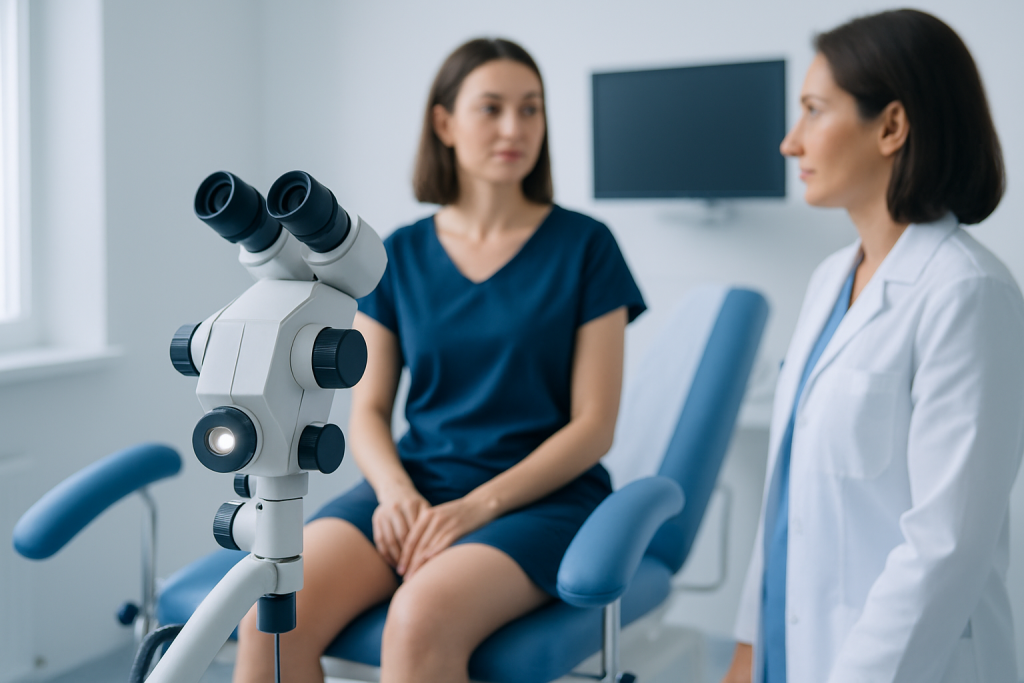
The labia minora themselves do not usually cause symptoms unless they are irritated, inflamed, injured, or affected by another condition. When people seek care, they often describe discomfort rather than the appearance alone.
Common concerns may include rubbing during walking or exercise, pain with sex, soreness from underwear or pads, recurrent itching, or a feeling of pulling with certain movements. Some people also notice asymmetry, one side being longer than the other, or changes after childbirth, aging, weight change, or hormonal shifts.
- Friction or chafing
- Itching, burning, or stinging
- Swelling or tenderness
- Recurrent tears or irritation
- Unexpected color or texture changes
When symptoms are new, persistent, or clearly different from a person’s usual pattern, they are worth discussing with a gynecologist or vulvar specialist. That conversation is often reassuring and practical, even when no treatment is needed.
Causes and Risk Factors

Variation in the labia minora is common and may simply reflect normal anatomy. Genetics often play the largest role, and there is a wide range of what is considered healthy.
Symptoms, however, may be related to a number of factors. Irritation from tight clothing, repeated friction during sports, shaving, waxing, scented products, or prolonged moisture can make the tissue feel sore or inflamed. Skin conditions such as eczema, dermatitis, lichen sclerosus, or infections can also affect the vulvar area.
Hormonal changes can influence tissue texture and sensitivity. Puberty, pregnancy, breastfeeding, menopause, or certain medications may alter lubrication and comfort. Birth trauma, pelvic surgery, or prior injury may contribute to changes in shape or symmetry as well.
Because several issues can look similar from the outside, it is not safe to assume that appearance alone explains discomfort. A focused history and examination are often the best way to identify the real cause.
Diagnosis
Diagnosis usually begins with a respectful medical history and a gentle external examination. A clinician may ask when the concern started, whether there is pain or itching, what makes symptoms better or worse, and whether there have been any skin changes, discharge, bleeding, or urinary symptoms.
For many people, the main question is whether the anatomy is normal. In others, the goal is to determine whether the labia minora are affected by a skin disorder, infection, cyst, hormonal change, or an injury. If needed, the clinician may recommend swabs, urine testing, or a biopsy of suspicious skin changes.
Patients traveling from another country may find it helpful to bring prior records, medication lists, allergy information, and any previous imaging or pathology reports. Clear documentation can streamline consultation and reduce unnecessary repeat testing.
Treatment Options
Treatment depends on the underlying issue, and many people do not need a procedure at all. If the labia minora are simply a normal variant and there are no symptoms, reassurance may be the only recommendation.
When irritation or skin sensitivity is the main issue, conservative care is often tried first. This may include avoiding scented soaps, switching to breathable underwear, reducing friction during exercise, and using clinician-approved barrier creams or prescribed medications for an identified skin condition. If an infection is present, targeted treatment is chosen based on the cause.
In selected cases, surgery may be discussed if the labia minora cause persistent physical discomfort that does not improve with non-surgical care. A labial reduction procedure, sometimes called labioplasty, is typically planned only after a careful discussion of goals, risks, healing time, and realistic outcomes. It is not a substitute for diagnosing skin disease or other medical causes of symptoms.
For patients arranging care internationally, understanding the recovery plan matters as much as the operation itself. The team should explain wound care, activity limits, travel timing, and the schedule for follow-up, since healing continues after the initial hospital stay.
Prevention and Self-care
Not every issue can be prevented, but irritation can often be reduced with small daily choices. Gentle cleansing with water or a mild, unscented product is usually preferable to aggressive washing or douching, which can worsen sensitivity.
Clothing choices can also make a difference. Loose-fitting garments, cotton underwear, and moisture-wicking fabrics may reduce rubbing during everyday activity or exercise. After sports, swimming, or long periods of sweating, changing out of damp clothes can help limit irritation.
People with sensitive vulvar skin may benefit from avoiding fragranced pads, lubricants, bubble baths, or laundry products with strong additives. If shaving or hair removal leads to repeated soreness, pausing the practice or discussing safer options with a clinician may be worthwhile.
Self-care is most effective when it is tailored to the underlying cause. Persistent symptoms should not be managed indefinitely with home measures alone if the discomfort is interfering with sleep, intimacy, work, or confidence.
When to See a Doctor
Medical review is a good idea when labia minora symptoms are new, ongoing, or changing. That includes pain, itching, a lump, a sore that does not heal, bleeding, discharge, or skin that looks pale, thickened, raw, or unusually dark compared with the person’s usual pattern.
A doctor should also be seen if there is pain during sex, repeated tearing, recurring infections, or discomfort that limits exercise or daily movement. These symptoms can come from a range of causes, many of which are treatable without surgery.
Prompt evaluation is especially important if symptoms follow an injury, childbirth, or a new medication, or if there is concern about a skin condition such as lichen sclerosus. Early assessment can prevent avoidable irritation and help protect long-term comfort and vulvar health.
Acibadem Health Point notes that its multidisciplinary specialists and JCI-accredited hospitals diagnose and treat labia minora-related concerns for international patients, with attention to clear communication and coordinated follow-up. A well-planned consultation can help patients make informed decisions with confidence.
Frequently asked questions
Are labia minora differences always abnormal?
No. Labia minora size, shape, symmetry, and color vary widely, and many differences are completely normal. A medical evaluation is usually needed only when there is pain, irritation, a new change, or concern about a skin condition.
Can enlarged or uneven labia minora cause symptoms?
They can in some people, especially if there is friction during walking, exercise, cycling, or intercourse. Others with noticeable asymmetry have no symptoms at all, so treatment depends more on comfort than appearance.
Is labioplasty the only treatment for labia minora concerns?
No. Many concerns improve with conservative measures such as reducing friction, changing skin-care products, or treating an underlying infection or skin condition. Surgery is considered only in selected cases after a full assessment.
What should a patient expect during an exam?
The clinician usually begins with questions about symptoms, onset, and triggers, followed by a gentle external examination. The visit is meant to be respectful and practical, and patients can ask for an explanation of each step.
Can labia minora changes happen after childbirth or menopause?
Yes. Hormonal shifts, stretching, tissue changes, and dryness can all affect the vulvar area over time. If changes are painful, persistent, or concerning, they should be assessed rather than assumed to be normal aging.
How can someone prepare for treatment abroad?
It helps to gather prior medical records, discuss recovery time, and plan for follow-up before travel. Patients should also confirm who to contact if symptoms change after returning home.
References
- World Health Organization
- American College of Obstetricians and Gynecologists
- Royal College of Obstetricians and Gynaecologists
- Mayo Clinic
- Merck Manual Professional Edition
This article is for general information only and is not a substitute for professional medical advice. Please consult a qualified doctor about your individual situation.
More from the Health Library



Related Specialists

Prof. Dr. A. Taner Usta
Gynecology & Obstetrics
Prof. Dr. Ahmet Tayyar
Gynecology & Obstetrics
Prof. Dr. Ahmet Cem Batukan
Gynecology & Obstetrics
Dr. Sevgi Selen
Gynecology & Obstetrics