First Week After Dental Implant Surgery: What To Expect

Key Takeaways
- Mild swelling, soreness, and light bleeding can be normal in the first few days after implant surgery.
- Soft foods, gentle oral hygiene, and rest help protect the implant site during early healing.
- Smoking, alcohol, hard foods, and strenuous activity can slow recovery and should be avoided unless the surgeon advises otherwise.
- Follow-up visits are important so the dental team can check healing and give guidance for the next phase of treatment.
- Persistent pain, fever, increasing swelling, or unusual discharge should be reviewed by a dentist promptly.
Medically reviewed by the Acıbadem clinical team — June 13, 2026
The first week after dental implant surgery is usually focused on healing, managing mild swelling or discomfort, and protecting the surgical site. Knowing what is normal can make recovery feel more predictable, especially for patients traveling from another country for treatment.
Overview
The first week after dental implant surgery is less about the implant “doing its final job” and more about the body quietly beginning the work of healing around it. The gum tissue closes, early inflammation settles, and the implant starts the long process of integrating with the jawbone.
For many people, this stage is manageable but unfamiliar. There may be swelling, tenderness, a metallic taste, or a sense that the mouth feels “different” when speaking or chewing. These sensations are often temporary and expected, but they still deserve careful attention so the healing area is not disturbed.
Patients who have traveled for treatment often need a clear plan for the first few days at home or in a hotel, including what to eat, how to clean the mouth, and when to contact the dental team. A well-organized aftercare routine can make the first week calmer and more comfortable.
Symptoms
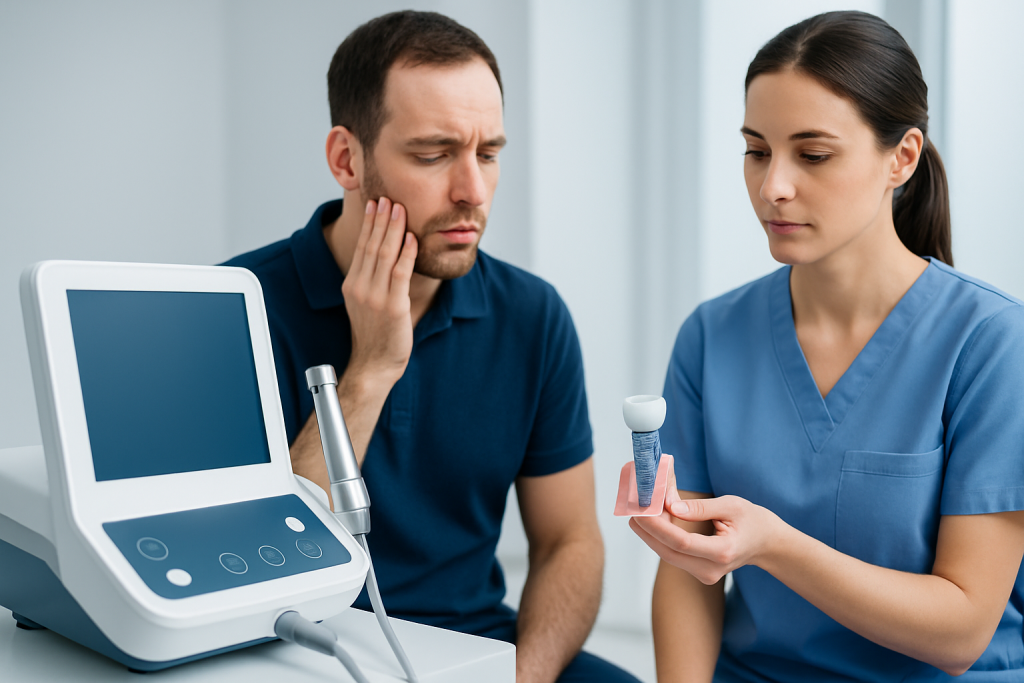
Most people notice the greatest changes in the first 48 to 72 hours. Swelling in the cheek or jaw, mild bruising, and soreness around the surgical site are common and usually peak early before gradually improving. A small amount of bleeding or blood-tinged saliva can also occur, especially on the day of surgery.
Chewing may feel awkward, and the mouth may be sensitive to temperature or pressure. Some patients describe a tight feeling where the stitches are placed, while others notice that the surrounding teeth or gums seem tender even if the implant itself is not painful.
Typical early symptoms can include:
- Facial swelling near the implant area
- Mild to moderate discomfort
- Light bleeding or oozing
- Bruising of the gums or skin
- Difficulty chewing hard or crunchy foods
- Temporary numbness or altered sensation that should be discussed if it persists
Symptoms should generally improve day by day. If they become worse instead of better, that is a reason to contact the treating dentist for advice.
Causes & Risk Factors
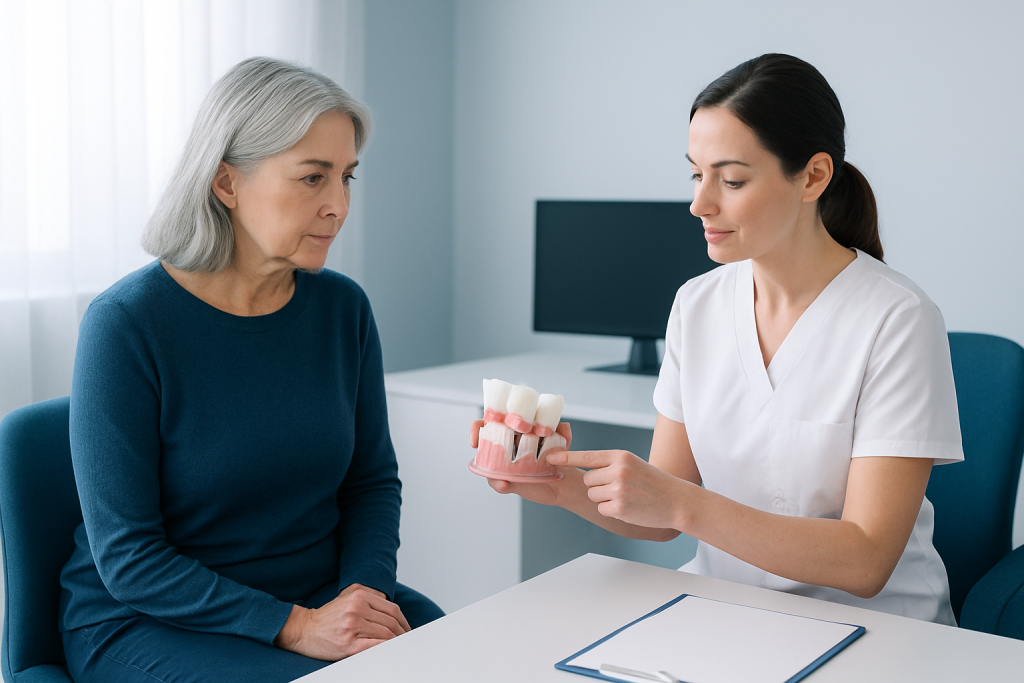
Dental implant surgery involves placing a titanium or similar biocompatible post into the jawbone, so early healing is influenced by both the surgical site and the person’s overall health. The body responds with inflammation first, then tissue repair, and eventually bone remodeling around the implant. That biological sequence is normal, but it can be slowed by certain habits or medical conditions.
Several factors may make the first week feel more difficult or increase the chance of delayed healing. These include smoking, poor oral hygiene, uncontrolled diabetes, dry mouth, immune system problems, and placing too much pressure on the implant too early. A history of gum disease may also affect healing, which is one reason careful planning is important before surgery.
Practical issues matter too. Long flights soon after surgery, limited access to follow-up care, or misunderstanding post-op instructions can complicate recovery for international patients. Clear communication before discharge helps reduce these risks and keeps the healing plan realistic after travel.
Diagnosis
There is no special “test” for the first week of recovery, but the dental team usually checks the surgical area soon after placement and again during follow-up. The goal is to make sure the implant site is stable, the soft tissue is healing, and there are no signs of infection or excessive irritation.
At these visits, the clinician may gently examine the gums, assess swelling, review pain levels, and ask about chewing, brushing, and medication use. If needed, an X-ray or other imaging may be used later in the process to confirm the implant’s position and bone healing.
Patients can help the evaluation by describing changes honestly and specifically, such as when symptoms started, whether they are improving, and whether anything seems to trigger pain or bleeding. This is especially useful for people continuing care in another country, because accurate symptom timing helps the next provider understand the healing course.
Treatment Options
In the first week, treatment usually focuses on comfort, protection, and monitoring rather than intervention. The dental team may recommend pain-relief measures, a rinse routine, and temporary diet changes to reduce pressure on the surgical area. If stitches were placed, the patient may be told when they are expected to dissolve or when they need to be removed.
Cold compresses are often used during the first day or two to help with swelling, while sleeping with the head slightly elevated may make rest easier. Any medicines prescribed by the dentist should be taken exactly as directed, and over-the-counter options should only be used if they are appropriate for the individual’s medical history.
Depending on the case, the clinician may also advise a temporary restoration, a healing cap, or staged treatment before the final crown is placed. The timing varies because the implant must bond securely with the bone before it can safely support full chewing forces.
Common early recovery measures may include:
- Soft, cool or lukewarm meals
- Gentle rinsing as instructed by the dentist
- Avoiding pressure on the implant area
- Careful use of prescribed or recommended pain relief
- Keeping scheduled follow-up appointments
Prevention & Self-care
The first week goes more smoothly when the surgical site is protected from strain. Soft foods such as yogurt, mashed vegetables, soups that are not hot, and smoothies eaten carefully can reduce the need for chewing. It is usually best to avoid hard, sticky, spicy, or very hot foods until the dentist says the area can tolerate them.
Oral hygiene still matters, but it should be gentle. The rest of the mouth can usually be cleaned normally while the implant area is treated with extra care. If a rinse is recommended, it should be done exactly as instructed, without vigorous swishing that might disturb the clot or stitches.
Helpful self-care steps often include resting well, avoiding smoking and alcohol, not using straws if the surgeon advises against them, and keeping physical activity light during the earliest days. For people recovering away from home, it can help to pack soft snacks, a travel-safe oral care kit, and written instructions from the surgical team so the routine is easier to follow between flights or hotel stays.
When to See a Doctor
Some discomfort is expected, but certain changes deserve prompt review. Increasing swelling after the first few days, fever, worsening pain, heavy bleeding, pus, a bad taste that does not go away, or a loose-feeling implant should be checked by a dentist. Numbness that does not improve, or swelling that makes swallowing or breathing difficult, should be treated as urgent.
It is also important to call the dental office if the patient cannot keep fluids down, cannot manage pain with the recommended plan, or is unsure whether a medication is safe to continue. No one should feel they need to “wait it out” when symptoms are clearly moving in the wrong direction.
For international patients, asking about emergency contact details, after-hours communication, and follow-up timing before leaving the clinic can be very helpful. Acibadem Health Point’s multidisciplinary specialists and JCI-accredited hospitals diagnose and treat dental implant cases for international patients, with aftercare planning designed to support recovery across borders.
Recovery Beyond the First Week
By the end of the first week, many patients notice that soreness has eased and eating becomes a little easier, though the implant is still in a delicate stage of healing. The gum tissue may look more settled, but the deeper process of bone integration continues for weeks or months, depending on the treatment plan and the person’s biology.
This is the point where patience matters. Even if the mouth feels almost normal, chewing hard foods too early or skipping follow-up instructions can interfere with the long-term success of the implant. The final crown or bridge is usually added only after the dentist is satisfied that the implant is stable and ready for function.
Patients should think of the first week as the beginning of a structured recovery, not the finish line. A steady routine, careful communication with the dental team, and realistic expectations all support a better outcome.
Frequently asked questions
Is pain normal during the first week after dental implant surgery?
Yes, mild to moderate discomfort is common in the first several days and usually improves gradually. Pain that gets worse instead of better should be reported to the dentist.
How long does swelling usually last after implant surgery?
Swelling often peaks within the first two or three days and then begins to settle. If swelling increases after that point or becomes severe, the patient should contact the dental team.
What can someone eat after dental implant surgery?
Soft foods are usually best during the first week, especially items that do not require much chewing. Very hot, hard, crunchy, or sticky foods should generally be avoided until the dentist says they are safe.
Can brushing continue after a dental implant is placed?
Yes, but it should be done carefully and without disturbing the surgical site. The dentist may give specific instructions for brushing, rinsing, or using a special oral care routine.
When is it safe to travel after dental implant surgery?
That depends on the procedure, the patient’s overall health, and how healing is progressing. Many people can travel with planning, but the dental team should confirm what is appropriate before the trip.
What if the implant area feels loose in the first week?
A loose sensation should be discussed with the dentist promptly, because early movement needs professional assessment. The implant itself should not be touched or tested by the patient.
References
- American Dental Association
- Mayo Clinic
- National Institute of Dental and Craniofacial Research
- International Congress of Oral Implantologists
- World Health Organization
This article is for general information only and is not a substitute for professional medical advice. Please consult a qualified doctor about your individual situation.
More from the Health Library



Related Specialists

Dt. Sevda Yetkin
Oral & Dental Health
Dt. İrem Güllerci
Oral Dental & Maxillofacial Surgery
Dt. Hakan Karagözoğlu
Oral Dental & Maxillofacial Surgery
Dt. Emrah Özmutlu
Oral Dental & Maxillofacial Surgery