Can You Fly After Dental Implant Surgery? What Your Dentist Considers

Key Takeaways
- Flying soon after dental implant surgery is not automatically unsafe, but timing should be individualized.
- The first 24–72 hours matter most because swelling, bleeding, and discomfort are usually at their peak.
- Sinus lifts, bone grafting, or complex implant surgery may call for a longer delay before air travel.
- A follow-up plan is especially important for international patients who may be flying home after treatment.
- Any worsening pain, persistent bleeding, fever, or signs of infection should prompt contact with the dental team.
Medically reviewed by the Acıbadem clinical team — June 13, 2026
Flying after dental implant surgery is often possible, but the right timing depends on the extent of the procedure, sinus involvement, bleeding risk, and how comfortably the person is healing. A dentist or oral surgeon will usually weigh pressure changes, medication needs, and the chance of follow-up care before giving travel advice.
Overview
Dental implant surgery replaces a missing tooth root with a titanium post that can later support a crown, bridge, or denture. For many people, the procedure is straightforward enough that they can return to daily routines fairly quickly. Air travel, however, adds a few extra variables that dentists do not ignore: cabin pressure changes, limited access to care during a flight, and the practical issue of whether the mouth is still actively healing.
The question is less about whether an airplane is always dangerous and more about whether the healing tissues are ready for the trip. A small implant placed without additional surgery may allow earlier travel than a case that included bone grafting, sinus lifting, or multiple implants. For international patients, the decision often also includes how long they should stay near the treating clinic before boarding a long flight home.
In practice, dentists look at the whole picture. They consider the surgical details, the person’s medical history, the presence of swelling or bleeding, pain control, and whether the patient has a clear plan for follow-up if something feels wrong after they leave.
Why flying can matter after implant surgery
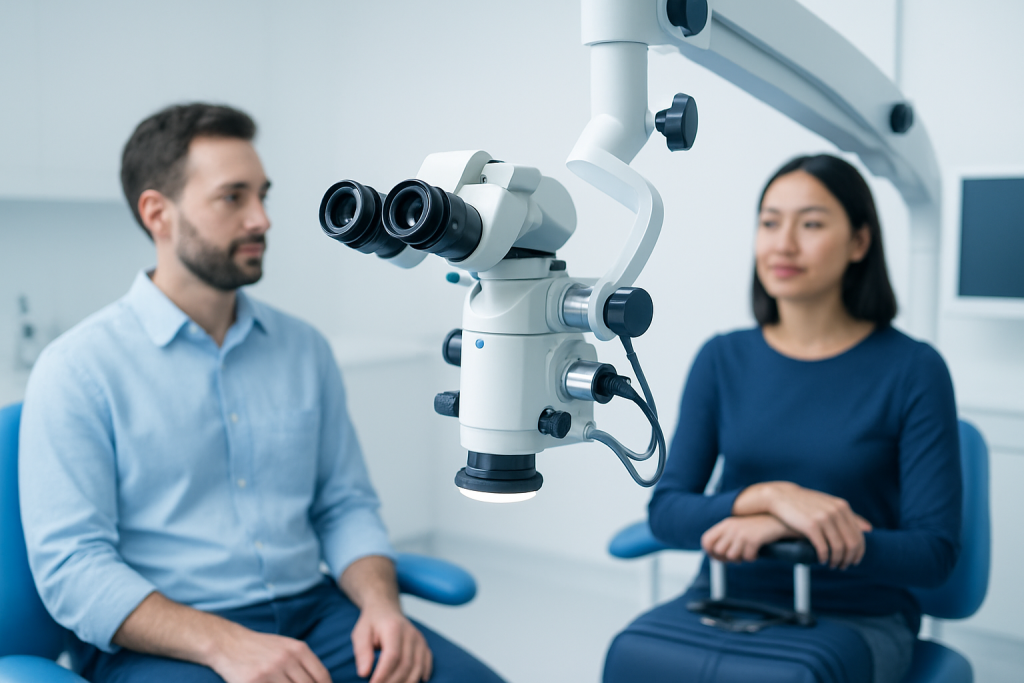
An airplane cabin is pressurized, but it is not the same as being on the ground. Pressure shifts can sometimes make swelling feel more noticeable or increase discomfort in areas that are already irritated. If the implant site is near the upper jaw and the sinus floor has been involved, the concern may be even greater because the sinuses and the oral cavity are closely connected.
Another issue is timing. The first day or two after surgery are often when bleeding, oozing, and swelling are most likely. Sitting for long periods, carrying luggage, and navigating airports can also be tiring when a person is recovering from oral surgery. Even if the implant itself is stable, the surrounding soft tissue may still need quiet healing.
There is also the simple matter of access. If pain suddenly increases, a dressing loosens, or bleeding resumes, it is far easier to contact the treating team when the patient is still nearby. That is one reason many dentists are more cautious about immediate post-op flights, particularly after more involved procedures.
Signs and factors a dentist weighs before saying it is safe

Before approving travel, a dentist or oral surgeon usually reviews the type of surgery performed and how the first few hours after surgery are unfolding. They may ask whether the implant was placed on its own or combined with bone grafting, whether the sinus membrane was lifted, and whether there were any complications during the procedure. These details matter because each one can change the expected healing pattern.
They also consider the patient’s own health background. Conditions that affect healing or bleeding, such as diabetes, immune suppression, or blood-thinning medication use, can make the post-operative course more cautious. Smokers may also be advised to be extra careful because tobacco can interfere with healing.
- Extent of the surgery and number of implants placed
- Whether a sinus lift or bone graft was done
- Amount of swelling, bleeding, or pain present
- General health conditions and medications
- Distance and length of the planned flight
- Access to the dental team after travel
In short, a dentist is not looking for a perfect or identical recovery in every person. The goal is to judge whether the surgical site is stable enough that flying is unlikely to interrupt healing or make a manageable problem harder to treat.
Typical timing: when patients are often advised to wait
There is no single rule that fits every implant patient. Some people may be able to fly after a short wait if the surgery was uncomplicated and they are comfortable, while others need more time on the ground. A common practical approach is to avoid flying during the earliest healing window unless the treating dentist has specifically cleared it.
For many routine implant procedures, dentists often prefer that patients stay local for at least the first day or two so they can monitor swelling, pain, and bleeding. When bone grafting or sinus-related work is involved, the waiting period may be longer. The reason is not only comfort; it is also about protecting the surgical site from pressure-related strain and giving the tissues time to settle.
International patients should ask for a travel plan before the surgery day, not after. That plan can include when a checkup is needed, what warning signs matter most, and whether the return flight should be delayed if recovery is slower than expected. A sensible answer is often less about the calendar and more about the healing milestones the dentist sees in person.
How dentists diagnose readiness for travel
Readiness for flying is usually assessed during a post-operative visit or a careful phone/video check if the patient has already left the area. The clinician may examine the implant site for bleeding, swelling, and tissue closure, and ask about pain levels, fever, bad taste, or increasing pressure. They may also want to know whether the patient has started prescribed mouth rinses or other instructions exactly as directed.
In some cases, imaging or a more detailed review is needed before the patient is cleared for travel, especially when the implant was placed with grafting or near the sinus. If the person is recovering away from the treating clinic, the dentist may explain which type of local dentist or oral surgeon to contact if a problem develops after arrival home.
This is where communication helps most. A patient who describes symptoms clearly and follows the aftercare plan gives the dentist a much better basis for advice than one who simply asks, “Is it okay to fly?” without any details. The answer depends on what the mouth is doing right now, not just what the surgery was called.
Treatment and travel planning after surgery
Postoperative care after implant surgery is usually focused on protecting the clot, limiting irritation, and keeping the area clean without disturbing it. Patients are often given guidance on what to eat, how to rinse, how to manage discomfort, and how to avoid pressure on the site. These routine instructions become even more important if a flight is planned soon after surgery.
If travel cannot be delayed, the dental team may suggest practical adjustments such as scheduling the flight for a time of day when the patient can rest afterward, avoiding heavy lifting, and keeping medications and documents in carry-on luggage. Some patients may also be told to avoid actions that increase pressure in the mouth or sinuses, depending on the surgery performed. Any instructions about nasal decongestants, rinses, or activity limits should come only from the treating clinician, because not every implant case is the same.
For people returning to another country, a clear written summary is valuable. It can include the date and type of procedure, the implant brand if relevant, the names of medications, and the expected timing of follow-up. This documentation helps another dentist understand the case if the person needs care after arriving home. Acibadem Health Point’s multidisciplinary specialists and JCI-accredited hospitals also diagnose and treat dental implant cases for international patients who need coordinated care before and after travel.
Prevention and self-care before and during the flight
The safest way to travel after implant surgery is to prepare for a calm, low-stress journey. That starts with following the dentist’s instructions closely in the hours after the procedure. Rest, hydration, and gentle eating choices can help keep the recovery on track before the flight even begins.
Patients are usually advised to keep the mouth clean without being aggressive, to avoid smoking, and to avoid touching the implant site with the tongue or fingers. During the flight, it may help to drink water regularly, keep prescribed pain relief available, and avoid very hard or chewy foods until the dentist says otherwise. If a long-haul trip is planned, short walks in the cabin when appropriate can help general comfort, but any movement should be based on how the person feels.
- Carry discharge instructions and medication in hand luggage
- Plan soft foods for the travel day
- Do not skip follow-up appointments before leaving
- Avoid tobacco and alcohol while healing
- Ask the dentist before using any over-the-counter remedies
Self-care is not about doing everything perfectly. It is about reducing strain on the surgical site and noticing early if something is changing in an unexpected way.
When to see a doctor
Most recovery symptoms after implant surgery improve gradually, but certain changes should prompt contact with the dental team. Persistent bleeding, worsening swelling after the first couple of days, fever, foul taste or drainage, or pain that becomes more intense instead of easing are all worth reporting. If the implant site seems suddenly loose or a graft area opens, the patient should seek advice promptly.
Travelers should also reach out if flying seems to make the symptoms noticeably worse, or if they are unsure whether a planned return trip should be postponed. It is better to ask before boarding than to try to manage a complication in transit or after arriving in another country. A dentist can often help distinguish normal post-op sensitivity from a problem that needs review.
Patients should seek urgent care if they develop trouble breathing, significant swelling that interferes with swallowing, or severe uncontrolled bleeding. Those symptoms are uncommon, but they deserve immediate assessment rather than waiting for the next available appointment.
A practical way to think about the decision
“Can I fly after dental implant surgery?” is really another way of asking, “Has my mouth healed enough for travel to be predictable?” The answer may be yes for some simple cases and no for more complex ones. Dentists prefer to base that decision on the actual surgical details and the patient’s healing, rather than on a fixed number of days.
Patients do best when they plan ahead, keep follow-up appointments, and leave room for flexibility in the itinerary. That is especially true for international care, where changing a flight may be easier than trying to manage a complication from afar. A careful, individualized plan protects both the implant and the traveler’s peace of mind.
With clear instructions and realistic timing, many people can return home safely after dental implant treatment. The key is not rushing the first days of healing and not assuming that every implant case has the same travel window.
Frequently asked questions
Can a patient fly the same day as dental implant surgery?
Sometimes it is possible, but it is not always the best choice. Many dentists prefer patients to wait at least through the earliest healing period so bleeding, swelling, and discomfort can be monitored. The final answer depends on the complexity of the surgery and the patient’s condition.
Does flying affect the dental implant itself?
The implant is placed in the bone, so the main concern is usually the surrounding healing tissues rather than the implant post alone. Pressure changes in the cabin may make swelling or sinus-related discomfort more noticeable. A dentist will look at the overall surgical site before advising travel.
Is it safer to wait longer after a sinus lift or bone graft?
Yes, complex procedures often need more caution before air travel. A sinus lift or bone graft can make the area more sensitive to pressure changes and healing stress. The treating dentist or oral surgeon should give individualized guidance based on the procedure performed.
What should a patient bring on the flight after implant surgery?
It is sensible to carry the discharge instructions, any prescribed medications, and contact details for the treating clinic. Soft snacks, water, and a small oral care kit can also be helpful. These items make it easier to follow aftercare without stretching or disturbing the surgical area.
What signs mean the patient should not board the plane?
Significant bleeding, worsening swelling, severe pain, fever, or any new breathing or swallowing difficulty are reasons to contact the dental team right away. If symptoms are escalating rather than improving, travel should be postponed until the patient is reassessed. A dentist can help decide whether the issue is minor or needs urgent attention.
Can the patient go through airport security after dental implant surgery?
Yes, airport security is not usually the concern; healing and comfort are the main issues. The patient may want to carry a medical note if they have recently had oral surgery and are bringing medications or supplies. The treating dentist can advise on any documentation needed for travel.
References
- American Dental Association
- Mayo Clinic
- American Association of Oral and Maxillofacial Surgeons
- NHS
This article is for general information only and is not a substitute for professional medical advice. Please consult a qualified doctor about your individual situation.
More from the Health Library



Related Specialists

Dt. Sevda Yetkin
Oral & Dental Health
Dt. İrem Güllerci
Oral Dental & Maxillofacial Surgery
Dt. Hakan Karagözoğlu
Oral Dental & Maxillofacial Surgery
Dt. Emrah Özmutlu
Oral Dental & Maxillofacial Surgery