Fifth Nerve Neuralgia

Key Takeaways
- Fifth nerve neuralgia affects the trigeminal nerve, which carries sensation from the face to the brain.
- Pain is often brief, severe, and triggered by everyday actions such as chewing, brushing teeth, or touching the face.
- An MRI or other imaging may be used to look for nerve compression or another underlying cause.
- Treatment can include medicines, nerve-targeted procedures, or surgery when symptoms do not improve enough with medication.
- Prompt medical evaluation helps confirm the diagnosis and rule out other causes of facial pain.
Fifth nerve neuralgia, also known as trigeminal neuralgia, causes sudden episodes of facial pain that can feel sharp, electric, or stabbing. With the right evaluation, many people can find relief through medicines, procedures, or surgery tailored to the cause and severity of symptoms.
Overview
Fifth nerve neuralgia is a condition that affects the trigeminal nerve, the main sensory nerve of the face. It is also commonly called trigeminal neuralgia. People often describe the pain as sudden, intense, and shock-like, usually on one side of the face.
The pain can appear without warning, last for seconds to minutes, and then fade before returning again. Because everyday activities such as speaking, chewing, washing the face, or feeling a breeze can trigger an attack, the condition can interfere with eating, hydration, sleep, and confidence in daily routines.
For international patients, the condition is often evaluated through a combination of a neurological examination and imaging studies. A careful workup is important because facial pain can have more than one cause, and the treatment plan depends on whether the trigeminal nerve is irritated by blood vessel contact, a structural problem, or another medical condition.
Symptoms
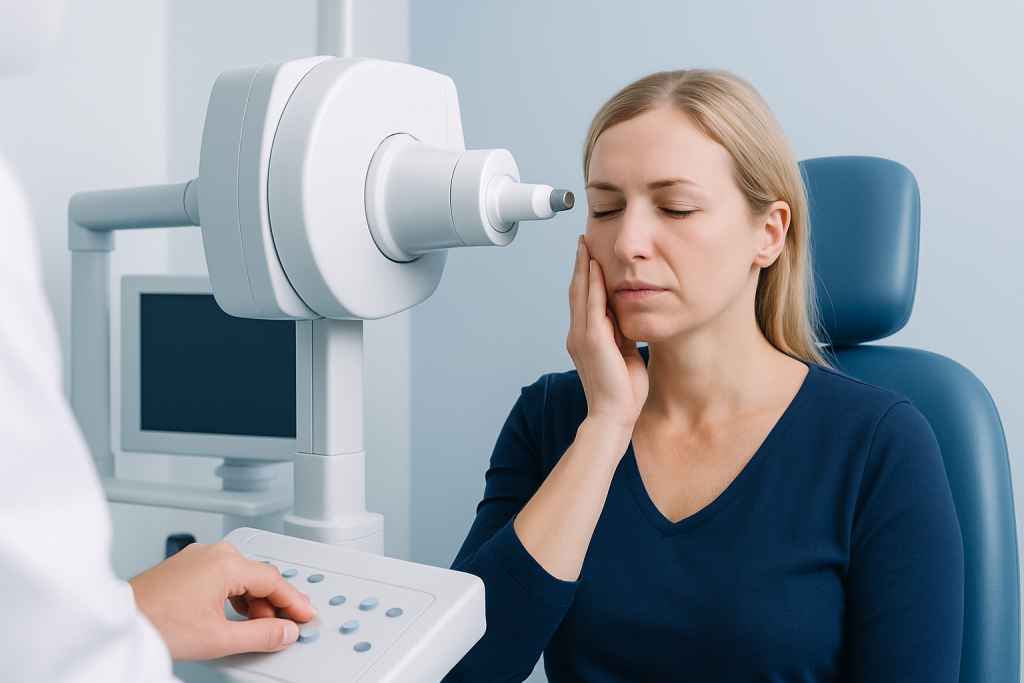
The hallmark symptom is a brief, severe facial pain episode. Many people notice that it affects the cheek, jaw, teeth, lips, or around the nose and eyes on one side, although pain patterns can vary. The discomfort may be described as stabbing, burning, or like an electric shock.
Between attacks, the face may feel normal or mildly sensitive. Some people develop a fear of triggers, which can lead them to eat less, avoid speaking, or change how they brush their teeth and wash. Over time, this can affect nutrition, weight, and quality of life even when the attacks themselves are short.
- Sudden, one-sided facial pain
- Pain triggered by chewing, talking, smiling, or touching the face
- Brief attack patterns with pain-free intervals
- Occasional facial muscle tightening or flinching during pain
- Difficulty eating, drinking, or cleaning the teeth because of trigger fear
Not every type of facial pain is trigeminal neuralgia. A doctor will look at the timing, location, trigger pattern, and associated findings to distinguish it from dental pain, sinus problems, jaw joint disorders, or headache conditions.
Causes & Risk Factors

In many cases, fifth nerve neuralgia happens when a blood vessel presses on the trigeminal nerve near its connection to the brain. That pressure can affect the way the nerve sends pain signals, leading to repeated painful bursts. When no clear cause is found, the condition is called idiopathic, meaning the trigger is not identified.
Less commonly, trigeminal neuralgia can be linked to multiple sclerosis, tumors, cysts, prior facial trauma, or other conditions that affect the nerve. Age can also play a role, and the condition is more often recognized in adults later in life, though it can occur in younger people as well.
Risk factors are not always present, and many people develop symptoms without a clear warning sign. Still, a medical evaluation is important because the same nerve can be affected by different underlying problems, and treatment choices may differ considerably depending on the cause.
Diagnosis
Diagnosis begins with a detailed history of the pain. The doctor will ask where it occurs, how long it lasts, what triggers it, and whether the pain is constant, intermittent, or mixed. A neurological examination helps assess facial sensation and rule out other signs that suggest a different condition.
Imaging, especially MRI, is often used to examine the trigeminal nerve and nearby structures. This helps identify blood vessel compression, inflammation, or other causes that may need a different treatment strategy. In some situations, additional tests may be recommended based on the person’s overall health and symptom pattern.
Because facial pain can originate from the teeth, jaw, sinuses, or brain structures, careful diagnosis is essential. For people traveling for care, it is helpful to bring any prior dental records, scans, medication lists, and notes about when symptoms started and what seems to provoke them.
Treatment Options
Treatment is usually tailored to symptom severity, response to medication, and the underlying cause. Medicines that calm nerve firing are often the first step. If the first medicine does not provide enough relief or causes side effects, the doctor may adjust the plan or consider another option.
When medication is not enough, procedures may be discussed. These can include minimally invasive approaches that target the trigeminal nerve or surgical options that relieve pressure on the nerve when blood vessel compression is present. The best option depends on the person’s anatomy, medical history, and preferences after a full discussion with the care team.
For some patients, especially those coming from another country, treatment planning also includes practical issues such as recovery time, follow-up access, and whether a procedure can be done during a single trip or requires longer monitoring. A multidisciplinary team can help match the treatment to both the medical need and the patient’s travel circumstances.
- Medication to reduce nerve pain signaling
- Procedure-based pain control for selected patients
- Surgical decompression when appropriate
- Follow-up visits to monitor symptom control and side effects
Prevention & Self-care
There is no guaranteed way to prevent fifth nerve neuralgia, especially when it is caused by nerve compression or another internal factor. Still, some people find that understanding their personal triggers helps them reduce the number of painful episodes or lessen the strain of living with the condition.
Gentle routines can make daily life more manageable. Soft toothbrushes, lukewarm drinks, smaller bites, and careful face washing may reduce accidental triggers. Some people also benefit from planning meals and oral care during times of the day when symptoms are calmer.
Self-care should support, not replace, medical treatment. If pain is causing reduced food intake, weight loss, poor sleep, anxiety about triggers, or difficulty keeping up with oral hygiene, that is a strong sign that the condition deserves medical reassessment.
- Track triggers and attack patterns in a symptom diary
- Avoid abrupt temperature changes if they seem to provoke pain
- Keep up gentle oral hygiene with a dentist’s guidance
- Prioritize hydration and nutrition in tolerable forms
- Follow prescribed treatment plans and attend follow-up visits
When to See a Doctor
A doctor should evaluate facial pain that is sudden, recurring, or interfering with eating, speaking, or daily comfort. Even if the pain comes and goes, it should not be ignored, because early assessment can shorten the path to relief and help rule out other causes.
Medical attention is especially important if the pain pattern is changing, if there is facial numbness or weakness, if symptoms affect both sides, or if there are neurological changes such as vision problems or balance issues. These features do not necessarily mean something serious, but they do deserve prompt attention.
International patients seeking a second opinion or a planned treatment trip may benefit from a neurology consultation before traveling, so imaging and records can be reviewed in advance. Acibadem Health Point’s multidisciplinary specialists and JCI-accredited hospitals diagnose and treat this condition for international patients as part of coordinated care.
The right specialist can help confirm whether the pain is fifth nerve neuralgia and choose the safest, most effective option based on the individual case. A thoughtful diagnosis is often the turning point between repeated pain and a workable long-term plan.
Frequently asked questions
Is fifth nerve neuralgia the same as trigeminal neuralgia?
Yes. Fifth nerve neuralgia is another name for trigeminal neuralgia, since the trigeminal nerve is the fifth cranial nerve. Both terms refer to facial pain caused by irritation of that nerve.
Why does the pain feel like an electric shock?
The trigeminal nerve carries facial sensation, and irritation can make it fire pain signals abruptly. That is why attacks are often described as electric, stabbing, or shock-like.
Can a dentist diagnose fifth nerve neuralgia?
A dentist may notice that tooth pain does not fully explain the symptoms, but a neurologist or other doctor usually confirms the diagnosis. Dental problems, jaw conditions, and sinus issues should also be checked because they can mimic facial nerve pain.
Does MRI always show the cause?
Not always. MRI can reveal nerve compression or another structural issue, but some people have trigeminal neuralgia even when scans do not show a clear cause.
What happens if medicine does not help enough?
The doctor may adjust the medication, combine approaches, or discuss a procedure or surgery. The next step depends on symptom severity, side effects, and the results of imaging and examination.
Can people travel for treatment safely?
Many can, as long as their symptoms are stable and the care plan is organized in advance. It is helpful to share previous scans, medicine lists, and a symptom history before traveling so the team can plan appropriately.
References
- National Institute of Neurological Disorders and Stroke
- Mayo Clinic
- National Health Service
- American Association of Neurological Surgeons
This article is for general information only and is not a substitute for professional medical advice. Please consult a qualified doctor about your individual situation.