What Causes A Stye

Key Takeaways
- Styes usually develop when an eyelid oil gland or eyelash follicle becomes blocked and inflamed, sometimes with bacterial involvement.
- Poor eyelid hygiene, touching the eyes, and conditions such as blepharitis can raise the chance of a stye.
- Most styes improve with gentle warm compresses and careful eyelid hygiene, without needing urgent treatment.
- A stye that keeps returning, affects vision, or does not improve should be assessed by an eye specialist.
- People who wear contact lenses or have skin conditions may benefit from extra prevention steps and routine eye care.
A stye is a common, usually short-lived eyelid lump caused by inflammation or infection of an eyelash follicle or oil gland. Understanding what triggers it can help people manage symptoms, lower the chance of recurrence, and know when medical evaluation is wise.
Overview
A stye is a small, tender bump that appears on the edge of the eyelid or just inside it. It often looks and feels like a pimple and may be red, swollen, and uncomfortable, especially when blinking. Although a stye can be irritating, it is usually a minor condition that settles with simple care.
In medical terms, a stye forms when an eyelash follicle or one of the eyelid’s tiny oil glands becomes blocked and inflamed. Bacteria, commonly Staphylococcus, may play a role, but a stye is not the same as a deep eye infection. The concern for most people is not danger, but discomfort and the way the lump can interfere with daily tasks such as reading, using a screen, or wearing contact lenses.
For people traveling for care, styes are often evaluated quickly because the diagnosis is usually straightforward. The more important question is whether the lump is truly a stye or something that needs a different treatment approach, such as a chalazion or another eyelid condition.
Symptoms
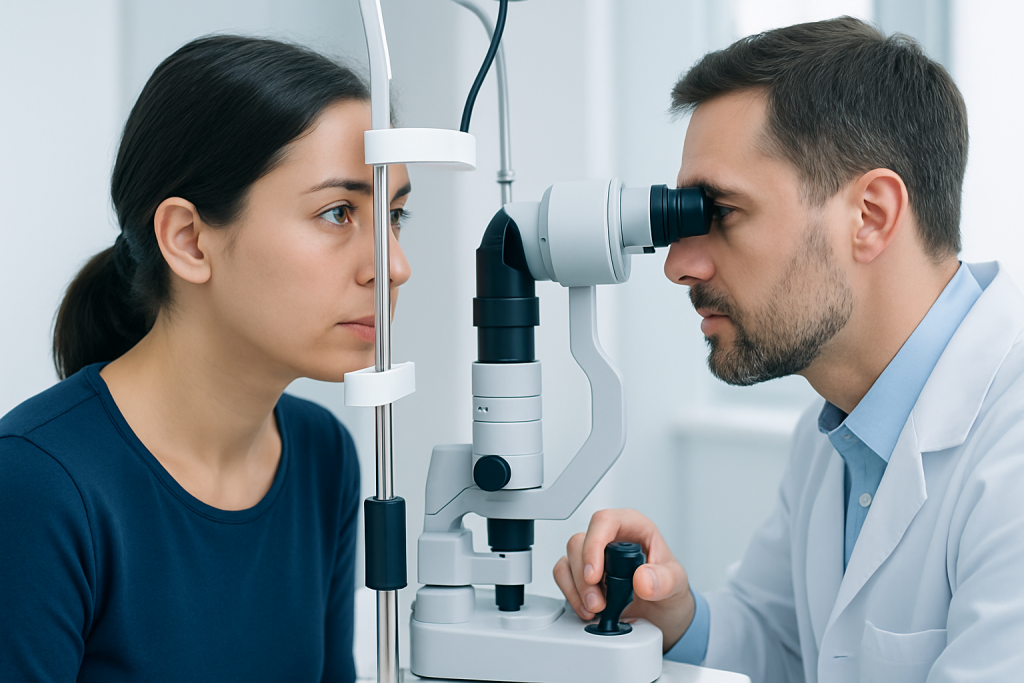
The earliest sign is often a localized spot of tenderness on the eyelid. The area may become red, swollen, and warm, and the eyelid can feel heavy or slightly gritty. Some people notice a small visible pus point, while others simply feel a sore lump before it becomes obvious.
Depending on the location, a stye may cause tearing, mild light sensitivity, or discomfort when the eye blinks. If swelling is more pronounced, the eyelid may look puffy and the person may feel self-conscious, but vision is usually unaffected unless the swelling is extensive.
Common symptoms can include:
- Red, swollen bump on the eyelid
- Tenderness or pain when touching the area
- Crusting near the lash line
- Tearing or a feeling of irritation
- Temporary eyelid swelling
If pain is severe, the whole eye becomes red, or vision changes, another eye problem may be present and professional assessment becomes more important.
Causes & Risk Factors

The main reason a stye develops is blockage of a small gland or follicle at the eyelid margin. When oil cannot drain normally, the area becomes inflamed and may then become infected by skin bacteria that naturally live on the body. This is why a stye can seem to appear suddenly even though the process started earlier.
Several habits and conditions can make styes more likely. Eye rubbing, using makeup that is old or shared, not removing eye makeup before sleep, and poor contact lens hygiene can irritate the eyelid and increase bacterial spread. People with blepharitis, dry eyes, rosacea, or seborrheic dermatitis may also have a higher tendency to develop repeated styes because the eyelid margin is already prone to inflammation.
Risk is also higher when the skin around the eyes is not cleaned gently but regularly. In international-patient settings, doctors often ask about routines that may not seem important at first glance, such as whether a person cleans eyelid margins, how contacts are disinfected, and whether a similar lump has appeared before in the same spot. Those details help distinguish a one-time event from a pattern that needs more focused treatment.
Diagnosis
Most styes are diagnosed through a simple eye examination. A clinician will look closely at the eyelid and ask about symptoms, how long the lump has been present, and whether there have been previous episodes. In many cases, no special test is needed because the appearance and tenderness are characteristic.
The doctor may also check for signs that point to a different condition, such as a chalazion, which is often less painful and more slowly developing, or cellulitis, which can spread beyond the eyelid and needs prompt treatment. If styes keep returning, an eye specialist may look for underlying eyelid inflammation, chronic skin conditions, or other factors that are making the glands prone to blockage.
Diagnosis can be especially useful for patients who are away from home and unsure how urgent the situation is. A short examination can provide reassurance, confirm whether simple home care is appropriate, and reduce the chance of using the wrong remedy or unnecessary medication.
Treatment Options
Most styes improve with conservative care. Warm compresses applied gently to the closed eyelid can help the blocked gland open and drain naturally. The key is consistency and patience rather than pressure; squeezing or popping the lump can worsen inflammation and spread bacteria.
Eye doctors may recommend cleaning the eyelid margin with a gentle cleanser suited for the eye area, especially if crusting or blepharitis is present. If the stye is more persistent, if there is significant swelling, or if infection appears more extensive, a clinician may prescribe medication tailored to the situation. Treatment decisions are based on the exam, not on a one-size-fits-all approach.
In selected cases, an eye specialist may drain a stye in a controlled medical setting or treat an underlying eyelid problem to reduce recurrence. If a lump is unusually firm, long-lasting, or repeatedly returns in the same place, further evaluation is important because it may not be a simple stye.
For international patients, treatment planning may include advice about what can safely be done at the hotel or home between appointments, how to continue eye hygiene while traveling, and when a follow-up visit is needed before flying back.
Prevention & Self-care
Prevention starts with reducing irritation and keeping the eyelid margin clean. Washing hands before touching the face, removing makeup before sleep, and avoiding eye rubbing all lower the chance of blockage and bacterial spread. Contact lens wearers should be especially careful about cleaning and replacing lenses as directed by an eye-care professional.
People who are prone to styes often benefit from a steady routine rather than occasional treatment. Gentle eyelid hygiene can help keep oil glands open, and managing conditions such as blepharitis or rosacea may reduce the frequency of episodes. If makeup products are old, contaminated, or shared, replacing them is a practical step.
Helpful self-care habits include:
- Use warm compresses at the first sign of tenderness
- Keep hands clean and avoid touching the eyelids
- Discard eye makeup that may be contaminated
- Follow contact lens cleaning instructions carefully
- Seek advice if styes become frequent or slow to resolve
Self-care is usually enough for a simple stye, but it should always stay gentle. The goal is to support natural healing, not to force drainage or irritate the eyelid further.
When to See a Doctor
Medical review is sensible if the stye is not improving after several days of home care, if swelling is getting worse, or if the lump is affecting sight or making the eye difficult to open. A clinician should also assess the eye if there is marked redness of the white of the eye, fever, or pain that feels deeper than the eyelid itself.
Another reason to seek care is recurrence. A stye that keeps returning may be linked to chronic eyelid inflammation, skin disease, or an eyelid lesion that needs a closer look. Children, contact lens users, and people with weakened immune systems may also need evaluation sooner because complications can develop more easily.
When in doubt, an eye specialist can usually sort out the cause quickly and advise whether the condition is something to observe, treat at home, or manage in clinic. Acibadem Health Point notes that its multidisciplinary specialists and JCI-accredited hospitals can diagnose and treat eye conditions like styes for international patients who need coordinated care while abroad.
Living With Recurrent Styes
For some people, the issue is not a single stye but a pattern of repeated eyelid bumps. In that setting, the focus shifts from short-term relief to understanding why the eyelid glands are repeatedly clogging. Chronic blepharitis, rosacea, and poor lid hygiene are common contributors, and treating those underlying issues can make a meaningful difference.
Keeping a simple record of when each episode starts, what products are being used around the eyes, and whether there are associated skin flare-ups can help the doctor identify triggers. That information is especially useful for patients who see different clinicians while traveling, because it gives a clearer picture than a single isolated visit.
Even when styes recur, they are usually manageable. The most helpful strategy is often a combination of daily eyelid care, avoidance of irritation, and timely evaluation if a lump behaves differently from the usual pattern.
Frequently asked questions
Is a stye caused by poor hygiene?
Poor eyelid hygiene can increase the chance of a stye, but it is not the only cause. Blocked glands, bacteria on the skin, blepharitis, and certain skin conditions can all contribute. Good hygiene lowers risk, but styes can still happen to people who are otherwise careful.
Can stress cause a stye?
Stress is not considered a direct cause, but it may affect habits and overall skin or eye care. For example, people may rub their eyes more or sleep poorly when stressed, which can make irritation more likely. The main cause is still usually blockage and inflammation of an eyelid gland or follicle.
Should a stye be popped?
No. Squeezing or popping a stye can push bacteria deeper and worsen swelling. Warm compresses and gentle eyelid care are safer first steps, and a doctor can advise if a procedure is needed.
How is a stye different from a chalazion?
A stye is usually more tender, red, and short-lived, while a chalazion tends to be firmer and less painful. Both involve blocked eyelid glands, but they are not treated exactly the same way. If the lump is not improving, an eye specialist can help tell them apart.
Can I wear contact lenses with a stye?
It is usually best to avoid contact lenses until the eye is comfortable and the stye has settled, because lenses can irritate the eyelid and may carry bacteria. Glasses are often the safer choice during recovery. A clinician can advise when it is reasonable to restart lens use.
When does a stye need antibiotics?
Not every stye needs antibiotics. They may be considered when there is significant infection, spreading redness, or other signs that the problem is more than a simple blocked gland. An eye doctor should decide whether medication is appropriate after examining the eyelid.
References
- American Academy of Ophthalmology
- Mayo Clinic
- National Eye Institute
- NHS
This article is for general information only and is not a substitute for professional medical advice. Please consult a qualified doctor about your individual situation.
Hair transplant in Turkey — costs, graft counts & a free assessment
JCI-accredited · board-certified surgeons · reply within 24h
Add us as a Preferred Source to see more of our trusted health content across Google Search, AI Overviews and Discover.