Uvelby

Key Takeaways
- Uveitis is inflammation of the eye’s middle layer and can affect one or both eyes.
- Symptoms may include eye pain, redness, blurred vision, floaters, and sensitivity to light.
- It can be linked to autoimmune conditions, infections, eye injury, or sometimes no clear cause.
- Prompt evaluation is important because untreated inflammation can threaten vision.
- Treatment usually aims to control inflammation and address the underlying cause when one is found.
- Follow-up care matters, especially for people managing treatment from another country.
Uveitis is inflammation inside the eye that can affect vision and cause discomfort, light sensitivity, or redness. With timely diagnosis and appropriate treatment, many people recover well and reduce the risk of lasting eye damage.
Overview
Uveitis is a medical term for inflammation inside the eye, usually involving the uvea, the tissue layer between the sclera and the retina. Depending on which part of the eye is affected, inflammation may be limited to one area or involve deeper structures that are essential for clear vision.
Although the word can sound technical, the idea is simple: the eye’s internal tissues become irritated and swollen. That inflammation can develop quickly or gradually, and it may settle after treatment or recur over time. Because the eye is delicate, even mild symptoms deserve attention if they do not improve or if vision changes appear.
For international patients, uveitis can be especially disruptive because it may interrupt work, travel plans, or ongoing follow-up in another country. A clear diagnosis, a treatment plan that is practical to continue at home, and a schedule for monitoring are all important parts of care.
Symptoms
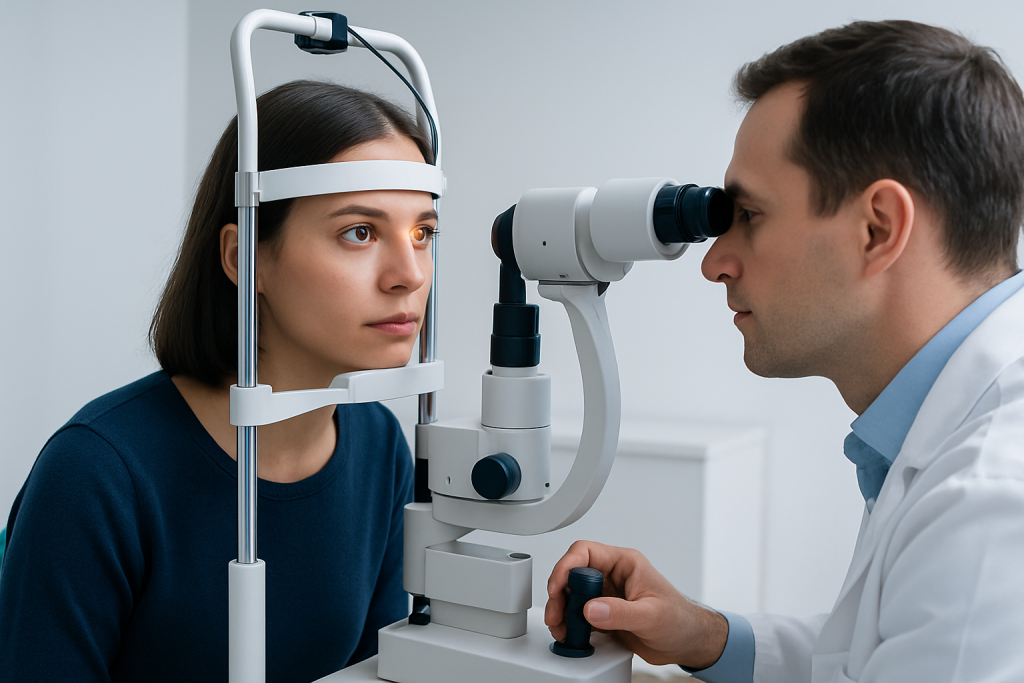
Symptoms depend on the type and location of uveitis, but several signs are common. Many people notice eye redness, pain, blurred vision, or increased sensitivity to light. Some describe seeing floaters, which can appear as drifting spots, strings, or shadows in the visual field.
In some cases, symptoms are subtle at first. Vision may seem slightly dimmer, colors may look less vivid, or one eye may feel different from the other without obvious redness. Posterior forms of uveitis can affect the inside of the eye more than the surface, so discomfort may be mild even when inflammation is significant.
Symptoms that should not be ignored include:
- Sudden or worsening blurred vision
- Eye pain or aching
- Light sensitivity
- Redness in one or both eyes
- New floaters or flashes
- Reduced side vision
Because other eye conditions can cause similar symptoms, professional assessment is the safest way to understand what is happening.
Causes & Risk Factors

Uveitis has many possible causes. Sometimes it appears after an infection, an eye injury, or exposure to certain medications. In other people, it is associated with an immune system condition in which the body mistakenly causes inflammation in its own tissues.
Autoimmune and inflammatory disorders linked to uveitis may include conditions affecting the joints, skin, bowel, or spine. Infections can also trigger eye inflammation, including some viral, bacterial, fungal, or parasitic illnesses. In a meaningful number of cases, however, no single cause is identified even after careful testing.
Risk may be higher in people who:
- Have an autoimmune or inflammatory disease
- Have had uveitis before
- Have experienced eye trauma or surgery
- Have certain infections or immune-related conditions
- Take medications that can affect the eye or immune system
Understanding the cause matters because treatment may need to go beyond calming the inflammation and address the underlying problem as well.
Diagnosis
Diagnosis begins with a detailed eye examination and a conversation about symptoms, recent illnesses, injuries, medications, and any known inflammatory or autoimmune conditions. An ophthalmologist may use special lights and magnification to look for signs of inflammation in the front or back of the eye.
Depending on the situation, additional tests may be recommended. These can include measuring eye pressure, examining the retina, taking images of the inside of the eye, or ordering blood tests and other medical evaluations to look for an underlying cause. The goal is not only to name the condition, but to understand how active it is and what may have triggered it.
For patients traveling for care, it helps to bring previous eye records, medication lists, and any imaging or laboratory results. A complete history can reduce delays and make follow-up planning easier once the patient returns home.
Treatment Options
Treatment is designed to reduce inflammation, relieve symptoms, and protect vision. The exact approach depends on the type of uveitis, the severity of inflammation, and whether an underlying cause has been identified. Many patients are treated with prescription eye drops, but some cases require oral medication, injections, or other specialized therapies.
If an infection is responsible, treatment may focus on the infection itself. If uveitis is part of an autoimmune condition, doctors may coordinate care with other specialists to control inflammation throughout the body. In more persistent or severe cases, immunomodulating medicines may be considered under close medical supervision.
Because treatment often needs monitoring, follow-up visits are an important part of the plan. Doctors may adjust therapy according to how the eye responds, whether pressure changes develop, and whether vision is improving. Patients should not stop prescribed medication without speaking to their doctor, even if symptoms start to ease.
In selected cases, treatment plans may include:
- Anti-inflammatory eye drops
- Oral medicines
- Injections or implants in or around the eye
- Antimicrobial treatment when infection is present
- Longer-term immune-focused therapy for recurrent disease
Prevention & Self-care
Not every case of uveitis can be prevented, especially when it is linked to immune-related conditions. Still, people can lower some risks and support recovery by following medical advice closely and protecting the eyes from avoidable irritation or injury.
Self-care usually starts with consistency. Taking medicines as prescribed, attending follow-up appointments, and reporting new symptoms early can help prevent complications. People with chronic inflammatory conditions may also benefit from good general health habits, because overall disease control can influence eye health.
Helpful habits include:
- Wearing eye protection during sports or hazardous work
- Managing known autoimmune or inflammatory conditions with a doctor
- Avoiding self-treatment with leftover eye drops or unprescribed medication
- Using sunglasses if light sensitivity is bothersome
- Keeping a simple symptom log to share at follow-up visits
For international patients, self-care also includes planning ahead for medication access, time-zone differences, and where follow-up will take place after returning home. A practical plan makes it easier to stay on track.
When to See a Doctor
Any new eye pain, redness, light sensitivity, blurred vision, or sudden floaters should be checked by an eye specialist. These symptoms can have several causes, and early assessment is the best way to protect sight and avoid unnecessary delay.
Urgent evaluation is especially important if symptoms develop quickly, affect only one eye, or are accompanied by headache, nausea, flashing lights, or a noticeable drop in vision. People with a history of autoimmune disease, eye injury, or previous uveitis should seek care promptly if symptoms return.
After diagnosis, follow-up visits matter just as much as the first appointment. Uveitis can change over time, and doctors often need to make small adjustments to treatment. Acibadem Health Point’s multidisciplinary specialists and JCI-accredited hospitals can diagnose and treat uveitis for international patients who need coordinated eye care and a clear follow-up plan.
Living with Uveitis
Many people want to know what life looks like after the initial flare settles. The answer depends on the cause, how quickly treatment begins, and whether inflammation returns. Some people have a single episode, while others need long-term monitoring because the condition can recur.
Living well with uveitis often means paying attention to patterns. Changes in vision, new floaters, or renewed light sensitivity are useful signals to share early rather than waiting for the next scheduled visit. Keeping appointments, especially during treatment changes, helps the care team respond before complications develop.
For patients receiving care away from home, it is helpful to leave with written instructions, copies of test results, and a clear plan for the next specialist visit. That continuity supports recovery and gives the patient a practical path forward.
Frequently asked questions
What is uveitis in simple terms?
Uveitis is inflammation inside the eye. It can affect vision, cause pain or redness, and may involve one or both eyes depending on the cause.
Is uveitis the same as conjunctivitis?
No. Conjunctivitis affects the eye’s outer surface and is often called pink eye, while uveitis is inflammation deeper inside the eye. The symptoms can overlap, but the conditions are different and may need very different treatment.
Can uveitis go away on its own?
Some mild cases may improve, but eye inflammation should not be assumed to resolve safely without evaluation. Because uveitis can threaten vision, it is best to have an ophthalmologist assess it and guide treatment.
What causes uveitis to come back?
Recurrence can happen when the underlying trigger is still present, especially in autoimmune or inflammatory conditions. In some people, the cause is not fully identified, which is why follow-up is important even after symptoms improve.
How is uveitis diagnosed?
A doctor diagnoses uveitis with an eye examination and, when needed, imaging or blood tests. The evaluation looks at where the inflammation is, how severe it is, and whether another condition may be contributing.
Can someone travel while being treated for uveitis?
Often yes, but it depends on how active the inflammation is and what treatment is being used. Patients should ask for a clear medication schedule, follow-up plan, and advice on which symptoms would require prompt review while abroad.
References
- American Academy of Ophthalmology
- National Eye Institute
- Mayo Clinic
- NHS
This article is for general information only and is not a substitute for professional medical advice. Please consult a qualified doctor about your individual situation.