Menopause Symptoms: Which Treatments Fit Shorter Stays Abroad?

Key Takeaways
- Menopause symptoms vary widely and can be managed with both hormonal and non-hormonal approaches.
- Shorter stays abroad work best when the evaluation, testing, and treatment plan are clearly organized in advance.
- Some treatments, such as medication review or symptom-focused counseling, can be started quickly; others need longer follow-up.
- A good plan includes safety screening, practical travel timing, and instructions for care after returning home.
- A doctor should review persistent bleeding, severe mood changes, or symptoms that could point to another condition.
Medically reviewed by the Acıbadem clinical team — June 13, 2026
Menopause can bring hot flashes, sleep disruption, mood changes, and other symptoms that may affect daily life. For people considering Endometriosis Treatment Abroad: Medication, Laparoscopy, or Both?" class="ahp-ilk">treatment abroad, the best options are often those that can be assessed quickly, started safely, and followed up remotely after returning home.
Overview
Menopause is a natural stage of life, but the symptoms that accompany it are not always simple or mild. Hot flashes, night sweats, sleep disruption, vaginal dryness, joint discomfort, brain fog, and mood changes can appear gradually or all at once, and the impact can be very different from one person to another.
For some women, the question is not only how to treat menopause symptoms, but how to do so in a way that fits a short medical stay abroad. That may mean choosing treatments that can be assessed, started, and explained within a limited visit, while leaving room for safe follow-up at home. The most useful care plans are practical, individualized, and built around the patient’s timeline rather than around a one-size-fits-all package.
In a travel setting, menopause care usually works best when the goals are clear: reduce the most bothersome symptoms, check for safety issues, and create a treatment plan that can continue after the trip ends. This often involves a focused consultation, an updated medical history, and a discussion of whether hormonal treatment, non-hormonal medication, or lifestyle-based support is the best match.
Symptoms That Often Lead People to Seek Care
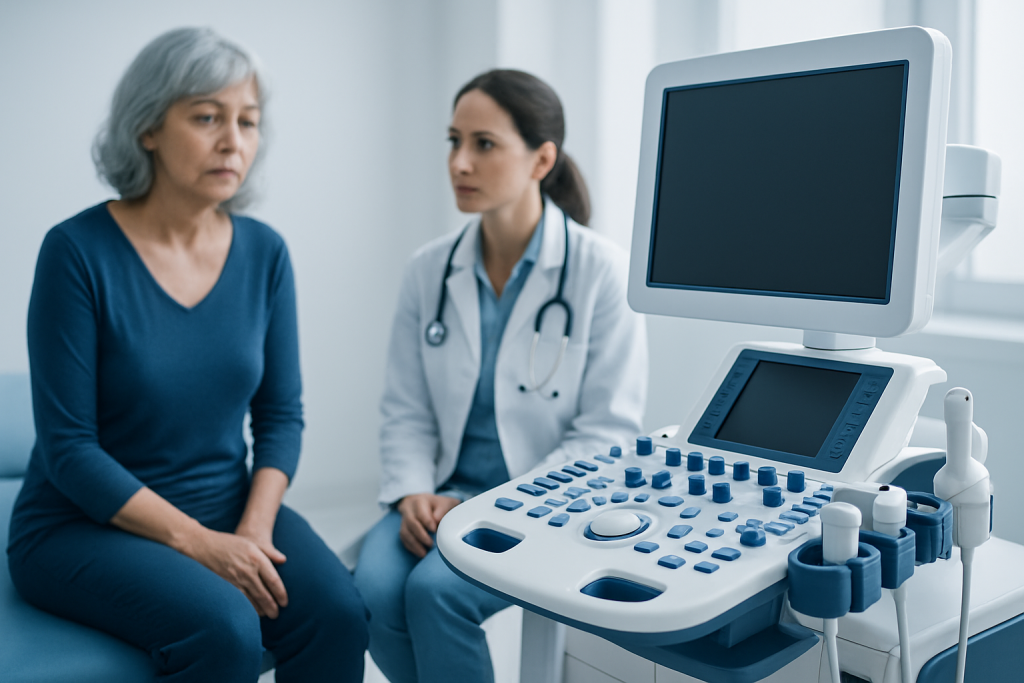
Menopause is commonly recognized by changes in menstrual cycles, but many people seek help because of the symptoms that affect sleep, work, concentration, and comfort. Hot flashes and night sweats are among the most familiar complaints, yet they are only part of the picture. Some women notice vaginal dryness, discomfort during sex, urinary urgency, or recurring irritation that makes everyday life feel less predictable.
Other symptoms are easier to overlook because they are less visible. Sleep may become lighter or more fragmented, mood may feel less steady, and concentration may be harder during busy days. Joint aches, fatigue, and a general sense of “not feeling like myself” are also commonly described, especially when hormone changes overlap with stress or other health conditions.
Because these symptoms can resemble thyroid disorders, anemia, medication side effects, or perimenopausal changes from another cause, a careful evaluation matters. The aim is not to label every symptom as menopause, but to understand which changes fit the menopausal transition and which deserve a separate medical look.
Causes & Risk Factors

Menopause happens when the ovaries gradually stop releasing eggs and producing the hormones that regulate monthly cycles. As estrogen and progesterone levels change, the body may respond with temperature swings, sleep changes, vaginal tissue thinning, and shifts in mood or energy. The transition before menopause, often called perimenopause, can last for several years and may be the phase when symptoms are most noticeable.
Some women experience stronger symptoms than others. Family history can influence timing and symptom intensity, and women who have had certain cancer treatments, surgery on the ovaries, or autoimmune conditions may enter menopause earlier or more suddenly. Smoking, higher stress levels, and some medical conditions can also make symptoms feel more difficult to manage.
Risk factors matter in treatment planning because they affect which therapies are appropriate. A person with a history of blood clots, certain cancers, liver disease, unexplained vaginal bleeding, or migraine with aura may need a more cautious discussion before hormone therapy is considered. That is one reason a focused medical review is helpful before starting treatment abroad.
Diagnosis
Menopause is often diagnosed by age, menstrual history, and symptoms rather than by a single test. For many women, especially those over 45 with changing periods and typical symptoms, a clinician can make a practical diagnosis after a detailed conversation and a basic exam. Blood tests may be used in some cases, but they are not always necessary for clear-cut menopause.
During a short stay abroad, the consultation usually centers on the pattern of symptoms, current medications, past surgeries, family history, and any warning signs that might suggest another cause. Depending on the situation, a doctor may recommend thyroid testing, blood counts, pelvic evaluation, or other targeted tests to make sure the symptoms are being interpreted correctly.
It is also useful to discuss travel timing during the diagnostic visit. If the patient will return home soon, the doctor can prepare a summary of findings, explain the likely diagnosis, and outline what should be monitored after departure. This reduces the risk of confusion when the next prescription refill or follow-up question comes up in another country.
Treatment Options
The best treatment depends on which symptoms are most disruptive and whether hormone therapy is safe for that individual. For hot flashes, night sweats, and sleep-related symptoms, hormone therapy may be considered when there are no major contraindications. It can be effective, but it requires a personalized risk-benefit discussion because the right choice depends on age, health history, and time since menopause.
Non-hormonal options may suit shorter stays abroad particularly well because they can often be started quickly and followed by remote review. These may include certain prescription medicines used for hot flashes or mood-related symptoms, as well as support for sleep and stress regulation. Vaginal dryness and discomfort may be treated with local therapies, lubricants, or moisturizers, which are often easier to manage across borders because they do not require complex monitoring in the same way some systemic treatments do.
Other helpful approaches include review of current medications that may worsen symptoms, guidance on sleep hygiene, and discussion of whether bone health or cardiovascular risk should be addressed as part of the larger menopause picture. Some patients also benefit from coordinated care with gynecology, endocrinology, and primary care so that treatment is not limited to symptom relief alone.
- Hormone therapy may be suitable for selected patients after screening.
- Non-hormonal medication can help when hormone therapy is not preferred or not advised.
- Local vaginal treatments can ease dryness and discomfort.
- Sleep, mood, and lifestyle support can complement medical treatment.
Which Treatments Fit Shorter Stays Abroad?
Shorter stays abroad are usually best suited to treatments that can be initiated safely after one focused assessment. Examples include symptom-targeted medication planning, a review of hormone therapy eligibility, treatment for vaginal symptoms, and clear education about what to expect in the first few weeks. These are the kinds of decisions that can often be made efficiently when the medical team has access to a full history and any relevant test results.
Some therapies require more caution. If a treatment needs repeated dose changes, close lab monitoring, or a longer adjustment period, it may still be possible to begin during a short visit, but only if follow-up has been arranged before the patient leaves. In practice, the best travel-friendly plan is one that does not depend on guesswork once the person is back home.
A useful approach is to separate care into three parts: what can be assessed during the trip, what can be started before departure, and what will continue with a local doctor or remote follow-up afterward. That structure is especially important for Myomectomy Recovery for International Patients: The Usual Travel Timeline" class="ahp-ilk">international patients who want their first visit to lead to a concrete plan, not just a list of possibilities.
Prevention & Self-care
Menopause itself cannot be prevented, but symptom burden can often be reduced with thoughtful daily habits. Keeping the bedroom cool, using layered clothing, limiting known hot flash triggers if they are obvious, and building a steady sleep routine may make symptoms less intense. Regular physical activity, a balanced diet, and attention to hydration can also support energy and overall wellbeing.
For vaginal dryness, gentle products designed for intimate comfort may help, and regular sexual activity or vaginal stretching practices may maintain tissue flexibility for some women. Stress reduction is another practical tool, because symptoms often feel stronger when sleep is poor or anxiety is high. Even simple routines, such as consistent wake times, planned rest, and brief relaxation exercises, can help a patient feel more in control during travel.
When care is being planned from abroad, self-care also includes organization. Keeping a list of symptoms, previous treatments, medications, allergies, and questions for the doctor makes the appointment more efficient. It is wise to leave with written instructions that explain how to use prescribed treatment, what side effects to watch for, and when to contact a clinician after returning home.
When to See a Doctor
Medical review is advisable when menopause symptoms are interfering with sleep, work, relationships, or daily functioning. It is also important if symptoms are sudden, unusually severe, or happening at an age or in a pattern that does not clearly fit the menopausal transition. A clinician can help determine whether the symptoms are part of menopause or a different condition that needs treatment.
Prompt evaluation is especially important for unexplained vaginal bleeding after menopause, chest pain, shortness of breath, fainting, severe depression, or symptoms that suggest blood clots or another urgent problem. These are not typical “just menopause” complaints and should not be managed by self-treatment alone. Even when the issue turns out to be benign, it is better to check than to assume.
For international patients considering a short stay, choosing a center that can coordinate diagnosis, treatment, and follow-up makes the process smoother. Acibadem Health Point’s multidisciplinary specialists and JCI-accredited hospitals diagnose and treat menopause-related concerns for international patients, with an emphasis on clear planning before travel and practical support afterward.
Frequently asked questions
Is menopause diagnosed with a blood test?
Not always. In many women, especially those over 45 with typical symptoms and changing periods, menopause is diagnosed from the clinical history rather than a single lab result. Blood tests may be used when the picture is unclear or another condition needs to be ruled out.
Which menopause treatments are easiest to start during a short trip abroad?
Treatments that need a focused consultation and limited early monitoring are often the most practical, such as non-hormonal medications, local vaginal therapies, or a carefully selected hormone plan. The exact choice depends on symptom type and medical history. A doctor can help decide what is safe to begin before travel ends.
Can hormone therapy be started and then continued after returning home?
Often, yes, if the patient is a suitable candidate and a follow-up plan is in place. The key is to leave with clear instructions and a summary for the next clinician, because dose changes or ongoing monitoring may be needed. This makes continuity safer and less stressful.
Are hot flashes the only menopause symptom that matters?
No. Sleep disruption, vaginal dryness, mood changes, joint aches, and urinary symptoms can be just as disruptive, and they may need different treatments. A good consultation looks at the full symptom pattern, not only the most familiar complaint.
What should a patient bring to a menopause appointment abroad?
A medication list, previous test results, a brief symptom diary, and information about any past surgeries or major illnesses are very helpful. If possible, it is also useful to note when symptoms started and what makes them better or worse. This helps the doctor make efficient decisions during a shorter stay.
When should menopause symptoms be checked urgently?
Unexplained bleeding after menopause, chest pain, shortness of breath, fainting, or severe mood symptoms should be assessed promptly. These symptoms are not typical to ignore, even if menopause is part of the picture. Seeking medical care early helps rule out other causes and supports safer treatment.
References
- World Health Organization
- The North American Menopause Society
- American College of Obstetricians and Gynecologists
- NHS
- National Institute on Aging
This article is for general information only and is not a substitute for professional medical advice. Please consult a qualified doctor about your individual situation.
More from the Health Library



Related Specialists

Prof. Dr. A. Taner Usta
Gynecology & Obstetrics
Prof. Dr. Ahmet Tayyar
Gynecology & Obstetrics
Prof. Dr. Ahmet Cem Batukan
Gynecology & Obstetrics
Dr. Sevgi Selen
Gynecology & Obstetrics