Urinary Incontinence Surgery: Sling, Bulking, or Pelvic Floor Rehab?

Key Takeaways
- The best treatment depends on the type of incontinence, symptom severity, and personal goals.
- Pelvic floor rehabilitation is often the starting point and may help many women avoid or delay procedures.
- Sling surgery is a common option for stress urinary incontinence when support of the urethra is needed.
- Bulking injections are less invasive and may suit selected patients, though results can be less durable than surgery.
- A proper diagnosis matters because urge, stress, and mixed incontinence are treated differently.
Medically reviewed by the Acıbadem clinical team — June 13, 2026
Urinary incontinence can affect daily routines, confidence, and travel plans, but several treatment paths may help depending on the type and severity of leakage. For some women, pelvic floor rehabilitation is the first step; for others, sling surgery or bulking procedures may offer a better fit after a careful evaluation.
Overview
Urinary incontinence is the unintentional loss of urine. For many women, it is not a single problem but a spectrum of symptoms that can range from a few drops during exercise to repeated leakage on the way to the bathroom. The most useful treatment depends on what is actually happening: a weak pelvic support system, an overactive bladder, or a combination of both.
When women start comparing options such as sling surgery, urethral bulking, or pelvic floor rehabilitation, the real question is not which treatment is “best” in general. It is which approach matches the pattern of leakage, the person’s anatomy, and the lifestyle she wants to return to. That decision is especially important for international patients, because it affects timing of travel, length of stay, and the follow-up plan after returning home.
Stress urinary incontinence is the form most often discussed in surgical conversations. It usually happens when coughing, laughing, lifting, running, or other movements increase pressure on the bladder. Urgency incontinence, by contrast, is linked to a sudden, hard-to-control need to urinate. Mixed incontinence includes features of both and may require more than one treatment strategy.
Symptoms
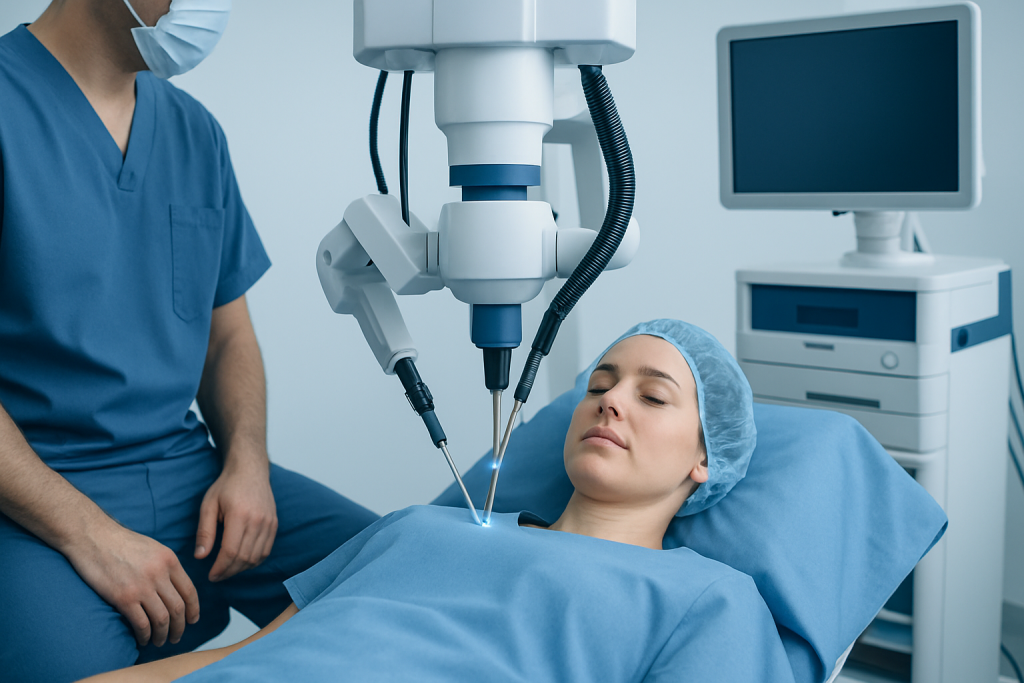
Symptoms can look different from person to person, and the pattern often offers the first clue about the right treatment. Stress leakage tends to happen during physical strain, while urgency leakage usually follows a strong urge to void. Some women notice both patterns, which can make treatment planning more nuanced.
Common experiences include:
- Leakage with coughing, sneezing, laughing, or exercise
- Sudden urgency followed by urine loss before reaching the toilet
- Frequent trips to the bathroom during the day or night
- Feeling of incomplete bladder emptying
- Use of pads, dark clothing, or activity changes to manage leakage
Beyond the physical symptoms, incontinence often affects confidence, sleep, intimacy, and travel. Some women avoid long flights, city tours, meetings, or social events because they are unsure where the nearest restroom is. These practical concerns matter in treatment selection, because a plan should support real life, not just improve a test result.
Causes & Risk Factors
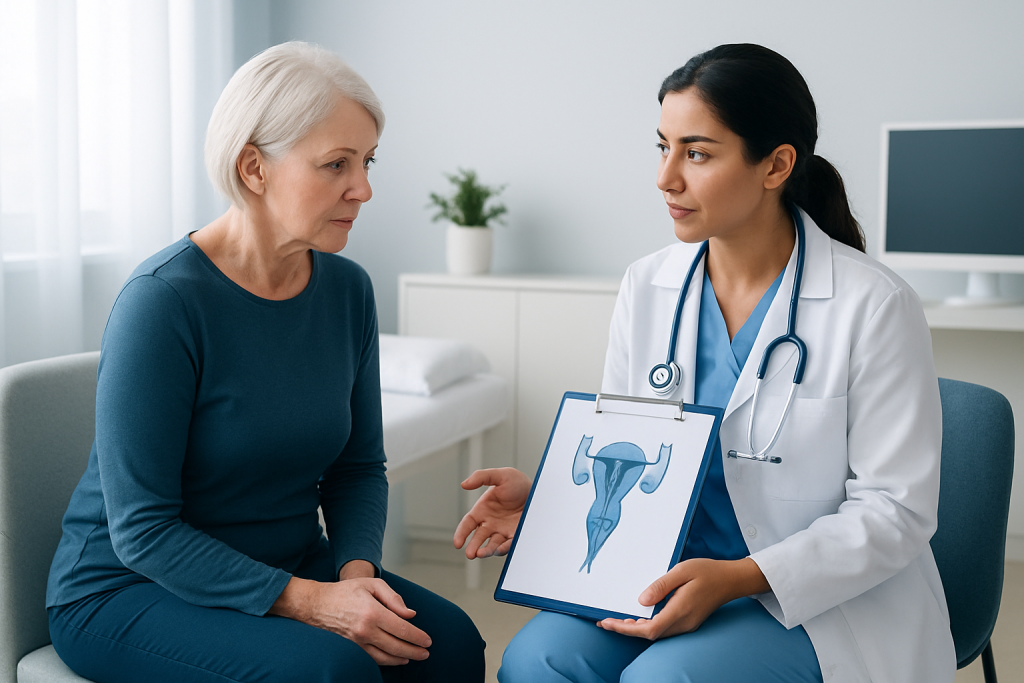
Urinary incontinence usually develops when the muscles, tissues, or nerves involved in bladder control no longer work together as well as before. Childbirth, pelvic floor stretching, aging, menopause-related tissue changes, chronic cough, constipation, obesity, and previous pelvic surgery can all contribute. Certain neurologic conditions and medications may also affect bladder control.
Stress urinary incontinence is often related to weakened support around the urethra, the tube that carries urine out of the body. When that support is reduced, pressure in the abdomen can push urine out more easily. Urgency incontinence is more commonly associated with bladder overactivity, in which the bladder contracts at the wrong time.
Risk is not limited to any single age group. Some younger women notice symptoms after childbirth or high-impact sports, while others develop problems later in life as pelvic tissues lose strength. A clinician will usually look at the whole picture rather than focusing on one possible cause.
Diagnosis
Diagnosis begins with a detailed discussion of the leakage pattern. A clinician may ask when it happens, how often it occurs, whether there is urgency, and what activities make it worse. A bladder diary, in which fluid intake, bathroom visits, and leakage episodes are recorded, can be very helpful.
The exam may include a pelvic examination to assess support, look for prolapse, and check for signs of vaginal tissue thinning or irritation. Urine testing is commonly used to rule out infection or blood in the urine. Depending on the situation, additional tests such as post-void residual measurement, urodynamic studies, or cystoscopy may be considered.
For women who travel for care, diagnosis is often completed in a concentrated visit so that the treatment plan is clear before surgery or rehabilitation starts. That clarity can reduce unnecessary delays and helps the patient understand what recovery will require once she is back home.
Treatment Options
Pelvic floor rehabilitation is usually the least invasive starting point. It may include supervised pelvic floor muscle training, biofeedback, bladder training, posture and breathing work, and habit changes that reduce strain on the bladder. This approach is especially valuable when leakage is mild to moderate, when symptoms are mixed, or when a woman prefers to try conservative care before considering a procedure.
Sling surgery is one of the most established operations for stress urinary incontinence. A supportive strip of material is placed to help the urethra resist pressure during coughing, lifting, and exercise. It is generally considered when conservative treatment has not provided enough relief, or when symptoms are significant enough that the person wants a longer-lasting procedural option. Recovery usually includes a short period of activity restriction and a gradual return to exercise and lifting.
Urethral bulking is a less invasive procedure in which a material is injected around the urethra to improve closure. It may appeal to women who want a shorter procedure, those who are not ideal candidates for surgery, or those who prefer to avoid mesh-based operations. The trade-off is that bulking may not be as durable or as powerful as a sling for stress incontinence, and repeat treatment may sometimes be needed.
Other supportive treatments may be used alongside or before these options, including weight management when appropriate, treatment of constipation, estrogen therapy for selected postmenopausal patients, and medication for urgency symptoms. The right combination depends on whether the main problem is stress leakage, urgency, or mixed incontinence.
Prevention & Self-care
Not every case of incontinence can be prevented, but several habits can reduce irritation and support bladder control. Pelvic floor exercises are often the most useful self-care measure, especially when taught correctly. Strengthening works best when the exercises are consistent and tailored to the patient’s ability.
Simple adjustments may also help:
- Spread fluids evenly through the day rather than drinking large amounts at once
- Limit bladder irritants if they clearly worsen symptoms, such as excess caffeine or alcohol
- Address constipation with fiber, fluids, and medical advice when needed
- Use a healthy weight strategy if weight is contributing to pressure on the pelvic floor
- Plan bathroom access during travel, long meetings, or exercise sessions
Self-care does not replace evaluation when symptoms persist. It is most effective when it is part of a broader plan, especially for women considering a procedure or returning home after Endometriosis Treatment Abroad: Medication, Laparoscopy, or Both?" class="ahp-ilk">treatment abroad. Clear instructions for follow-up, exercise progression, and warning signs should be provided before travel resumes.
When to See a Doctor
Medical evaluation is worthwhile when leakage is frequent, bothersome, or changing over time. It is also important if symptoms begin after surgery, childbirth, or a new medication. Women should seek assessment if incontinence is interfering with sleep, exercise, intimacy, work, or travel plans.
Prompt medical review is especially important if leakage is accompanied by pain, blood in the urine, burning with urination, fever, new weakness, or trouble emptying the bladder. These findings do not automatically mean something serious, but they do need a clinician’s attention.
For women considering surgery or bulking, a consultation helps determine whether the problem is truly stress incontinence and whether conservative therapy has been tried enough. At Acibadem Health Point, multidisciplinary specialists and JCI-accredited hospitals diagnose and treat urinary incontinence for international patients in a coordinated way, with attention to evaluation, procedure choice, and follow-up planning.
Recovery and Follow-up
Recovery differs by treatment. Pelvic floor rehabilitation usually improves gradually over weeks to months, and progress is often measured by better control during daily activities rather than an immediate cure. Sling surgery typically requires a period of tissue healing and temporary limits on heavy lifting, high-impact exercise, and sometimes sexual activity, depending on the surgeon’s advice. Bulking procedures often have a shorter downtime, but symptom improvement may be more modest.
Follow-up is important because bladder control can change as healing progresses. A patient may need adjustments in exercises, medication, fluid habits, or activity level. If symptoms do not improve as expected, the care team may revisit the diagnosis to see whether urgency, prolapse, incomplete emptying, or another factor is part of the picture.
For international patients, the recovery plan should be practical enough to continue after the trip ends. That means written instructions, a timeline for return visits, and a clear plan for local medical follow-up if any concerns arise at home.
Frequently asked questions
How do women know whether they need pelvic floor rehab or surgery?
The answer depends on the type and severity of incontinence. Pelvic floor rehabilitation is often tried first for mild to moderate symptoms, while surgery is more often considered when stress leakage remains bothersome despite conservative care.
Is sling surgery only for stress urinary incontinence?
Sling surgery is mainly used for stress urinary incontinence, because it supports the urethra during pressure increases such as coughing or exercise. It is usually not the main treatment for urgency incontinence, although some women have mixed symptoms and need a broader plan.
What is the advantage of urethral bulking?
Bulking is less invasive than sling surgery and may suit women who want a shorter procedure or want to avoid a more involved operation. It can be helpful in selected cases, but the effect may be less durable and sometimes needs repeat treatment.
Can pelvic floor exercises really help if symptoms have been present for years?
Yes, they can still help, especially when guided correctly and practiced consistently. Improvement may be gradual, and some women benefit most when exercises are combined with bladder training or other measures.
How long does recovery usually take after incontinence surgery?
Recovery varies by procedure and overall health. Many women return to light activities relatively soon, but full healing and return to heavy exercise can take longer, so the surgeon’s instructions should guide the timeline.
Will incontinence come back after treatment?
Symptoms can improve for a long time, but no treatment can guarantee permanent results. Staying active with pelvic floor care, managing constipation, and following up if symptoms change can help maintain the benefit.
References
- National Institute of Diabetes and Digestive and Kidney Diseases
- American Urological Association
- American College of Obstetricians and Gynecologists
- International Continence Society
- Mayo Clinic
This article is for general information only and is not a substitute for professional medical advice. Please consult a qualified doctor about your individual situation.
More from the Health Library



Related Specialists

Prof. Dr. A. Taner Usta
Gynecology & Obstetrics
Prof. Dr. Ahmet Tayyar
Gynecology & Obstetrics
Prof. Dr. Ahmet Cem Batukan
Gynecology & Obstetrics
Dr. Sevgi Selen
Gynecology & Obstetrics