Pessary

Key Takeaways
- Pessaries are commonly used to support pelvic organ prolapse and sometimes stress urinary incontinence.
- A proper fitting by a qualified clinician is important for comfort, effectiveness, and vaginal health.
- Many women can learn to remove, clean, and reinsert a pessary at home, while others prefer clinic-based follow-up.
- Possible side effects are usually mild, but pain, bleeding, discharge, or trouble urinating should be assessed.
- Pessary care can fit into long-term management plans, including when surgery is not desired or needs to be delayed.
A pessary is a removable device placed in the vagina to help support pelvic organs or manage certain types of urinary leakage. It can be a practical, non-surgical option for many women, especially when symptoms affect daily comfort or travel plans.
Overview
A pessary is a small, removable medical device that is placed in the vagina to help support weakened pelvic tissues. For many women, it offers a practical way to reduce the sensation of heaviness, bulging, or pressure that can happen when the pelvic organs shift from their usual position.
It is most often used for pelvic organ prolapse, a condition in which the bladder, uterus, rectum, or vaginal vault descends and presses against the vaginal walls. Some pessary designs are also used to help manage stress urinary incontinence, which is leakage that occurs with coughing, laughing, exercise, or lifting.
Unlike surgery, a pessary does not permanently alter the body. That makes it appealing for women who want a non-surgical option, are waiting for an operation, have medical reasons to avoid surgery, or need symptom control while traveling, working, or caring for family across borders. With the right size and follow-up plan, many women use it comfortably as part of everyday life.
There is no single pessary shape that suits everyone. The best choice depends on the type of symptoms, the degree of pelvic support needed, vaginal anatomy, activity level, and whether the woman wants to manage the device herself or have it handled in clinic.
Symptoms a pessary may help with
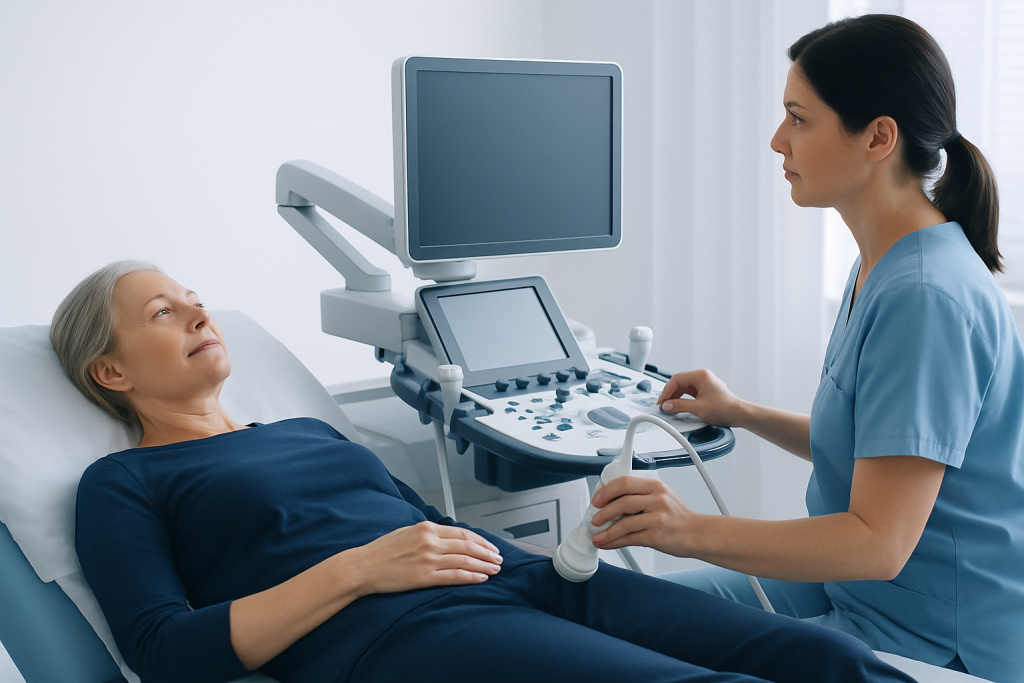
A pessary does not treat every pelvic symptom, but it can reduce the mechanical strain caused by prolapse. Women often notice less vaginal bulging, less pelvic pressure, and improved comfort when standing for long periods, walking, or exercising.
For some women, a pessary can also ease symptoms that interfere with daily routines, such as needing to push a bulge back in before urinating or feeling a dragging sensation by the end of the day. In stress urinary incontinence, certain pessaries help support the urethra and reduce small leaks during physical strain.
Symptoms that may improve with a pessary include:
- A feeling of fullness, heaviness, or pressure in the pelvis
- A visible or felt vaginal bulge
- Discomfort during movement or prolonged standing
- Leakage of urine with coughing, sneezing, or activity in selected cases
- Difficulty with certain daily tasks because of prolapse-related discomfort
It is important to remember that symptom patterns vary. A clinician may suggest a pessary after evaluating whether the discomfort is really caused by prolapse, incontinence, or another pelvic condition that needs a different approach.
Causes and risk factors

Pessary use is usually considered when the pelvic floor no longer gives enough support to the organs it normally holds in place. This weakening may happen gradually over time or after pregnancy, vaginal childbirth, pelvic surgery, chronic coughing, repeated heavy lifting, or constipation that increases strain on the pelvic tissues.
Age can also play a role, especially after menopause, when lower estrogen levels may make vaginal tissues thinner and more sensitive. Still, prolapse and leakage are not limited to older women. They can affect women of many ages, including those who have had multiple deliveries or a history of connective tissue weakness.
Factors often linked with prolapse or incontinence include:
- Pregnancy and vaginal childbirth
- Menopause and tissue changes
- Chronic constipation or straining
- Persistent coughing, including from smoking or lung disease
- Obesity or repeated high-pressure abdominal strain
- Family history of pelvic floor problems
A pessary does not remove these underlying risk factors, but it can reduce symptoms while other issues are addressed. For some women, it is part of a longer plan that may also include pelvic floor exercises, bowel habit changes, or surgery later on.
How diagnosis and fitting are done
The fitting process is usually straightforward, but it works best when the clinician takes time to understand symptoms, daily activities, and personal preferences. A pelvic examination helps confirm the type and degree of prolapse, check tissue health, and decide which pessary style is most likely to stay in place comfortably.
During fitting, one or more devices may be tried until the right size and shape are found. A good fit should feel secure without causing pain, pressure, or rubbing. The woman should usually be able to walk, sit, cough, and, in many cases, urinate without difficulty before leaving the visit.
Follow-up is an important part of diagnosis and fitting, not an afterthought. The clinician may check whether the pessary is still comfortable, whether the vaginal skin remains healthy, and whether the device should be cleaned, resized, or changed to a different type. This is especially relevant for women arranging care while abroad, since travel schedules should leave room for an early reassessment if the first fit needs adjustment.
Common pessary types include support pessaries and space-filling pessaries. Support devices are often used for milder prolapse or urinary leakage, while space-filling devices may be chosen when more support is needed. The exact terminology varies, but the principle remains the same: the device should support the anatomy without causing strain.
Treatment options and how pessaries are used
A pessary can be used in several ways, depending on the woman’s goals. Some women wear it continuously for weeks or months, removing it only for cleaning and routine checks. Others insert it for specific activities, such as exercise or long periods of standing, and remove it afterward. The best pattern depends on the device type and the woman’s comfort level.
In clinic-based care, a pessary is inserted and removed by a healthcare professional at follow-up visits. In self-managed care, the woman learns how to take it out, wash it gently, and reinsert it. Both approaches are valid. The choice often depends on hand dexterity, comfort with self-care, tissue sensitivity, and access to regular appointments.
Other treatment options may be used alongside or instead of a pessary, including:
- Pelvic floor muscle training
- Vaginal moisturizers or estrogen therapy in selected postmenopausal women
- Managing constipation and chronic coughing
- Weight management when appropriate
- Surgical repair for women who prefer a more permanent anatomical correction
A pessary does not usually replace all other care, but it can give meaningful symptom control while a woman decides on longer-term options. For international patients, this can be especially useful when treatment needs to be effective immediately but decisions about surgery, rehabilitation, or follow-up may unfold over time.
Prevention and self-care
Good self-care helps a pessary remain comfortable and safe. Women who manage the device themselves are usually shown how to clean it with mild soap and water, how to store it if it is not being worn, and how to watch for signs that it no longer fits well.
Pelvic floor care is also important. Gentle exercises, avoiding unnecessary straining, treating constipation, and supporting bowel regularity can reduce pressure on pelvic tissues. If coughing is frequent, addressing the cause may help protect the pelvic floor over time.
Helpful self-care habits include:
- Following the clinician’s schedule for removal and cleaning
- Using only the recommended lubricant if insertion is uncomfortable
- Avoiding forceful pushing if the device feels stuck
- Keeping follow-up appointments even when symptoms improve
- Reporting new discharge, odor, bleeding, pain, or urinary problems promptly
Some women benefit from vaginal estrogen if recommended by their clinician, especially when tissues are thin or dry after menopause. This is not suitable for everyone, so it should be discussed individually. A pessary should never be left in place indefinitely without guidance and periodic review.
Possible side effects and when a pessary may not be suitable
Most pessary side effects are mild and can often be managed by adjusting the size, type, or wear schedule. Common issues include vaginal discharge, a feeling of pressure, minor spotting, or temporary discomfort soon after fitting. These symptoms should be discussed if they do not settle or if they worsen.
Less commonly, a pessary may cause irritation, difficulty emptying the bladder, constipation, or local tissue breakdown if it is not fitted properly or if follow-up is delayed. These problems are more likely when the device is left in place for too long without review, especially in women who cannot feel early warning signs well.
A pessary may not be the best choice if a woman has active vaginal infection, significant vaginal narrowing, severe discomfort during examination, or repeated inability to return for follow-up. In such cases, the clinician may recommend another plan or a short period of treatment before trying again.
Most concerns are manageable when reported early. A calm, practical review often allows the clinician to solve the issue by changing the device, treating irritation, or adjusting the routine rather than stopping pessary care altogether.
When to see a doctor
Medical review is important if a pessary causes pain, persistent bleeding, trouble passing urine, constipation that is clearly worse than usual, or a foul-smelling discharge. These symptoms do not automatically mean something serious, but they do deserve assessment.
Women should also seek advice if the pessary keeps slipping out, if it feels suddenly too large or too small, or if symptoms of prolapse return despite wearing it. A change in body weight, tissue health, or activity level can alter how well the device works.
It is also sensible to check in before travel if care is being arranged internationally. A planned visit allows time for fitting, instruction, and a backup plan in case the first device needs adjustment after a few days of normal movement. In that setting, Acibadem Health Point’s multidisciplinary specialists and JCI-accredited hospitals can diagnose and treat this condition for international patients as part of coordinated women’s health care.
Prompt review is especially helpful when women are uncertain whether their symptoms come from prolapse, urinary leakage, or another pelvic condition. A qualified clinician can clarify the cause and guide the safest next step.
Frequently asked questions
What is a pessary used for?
A pessary is mainly used to support pelvic organs in women with pelvic organ prolapse. Some types are also used to help reduce stress urinary incontinence. The exact purpose depends on the device and the symptoms it is meant to address.
Is a pessary painful to wear?
A correctly fitted pessary should not be painful. There may be mild awareness at first, but ongoing pain usually means the fit needs to be checked. A clinician can often improve comfort by changing the size or type.
Can a woman remove and clean a pessary herself?
Yes, many women learn to manage their pessary at home. Others prefer clinic-based removal and cleaning. The best approach depends on comfort, manual dexterity, and the clinician’s advice.
How often does a pessary need follow-up?
Follow-up schedules vary by device and by whether the woman self-manages it. Regular review is important to check the fit, the vaginal tissues, and any signs of irritation. The clinician usually gives a schedule that matches the individual situation.
Does a pessary cure prolapse?
No, a pessary supports the prolapse but does not permanently repair the tissues. It can, however, significantly reduce symptoms and help many women carry on with daily activities. Some women use it as a long-term option, while others use it while deciding about surgery.
Can a pessary be used after menopause?
Yes, many postmenopausal women use pessaries successfully. In some cases, vaginal dryness or thinner tissue may make fitting more delicate, so additional care may be recommended. A clinician can advise whether any supporting treatment would be helpful.
References
- American College of Obstetricians and Gynecologists
- Mayo Clinic
- National Institute of Diabetes and Digestive and Kidney Diseases
- Royal College of Obstetricians and Gynaecologists
- International Urogynecological Association
This article is for general information only and is not a substitute for professional medical advice. Please consult a qualified doctor about your individual situation.