

Ulna: Anatomy and Function

Key Takeaways
- The ulna runs along the little-finger side of the forearm and helps the elbow and wrist work smoothly.
- Pain, swelling, tenderness, or limited rotation of the forearm can signal an ulna injury or related condition.
- Diagnosis usually begins with a physical examination and imaging such as X-rays, with other tests used when needed.
- Treatment depends on the cause and may include rest, immobilization, rehabilitation, or surgery for more serious fractures.
- Early medical assessment helps protect movement, reduce complications, and support safer recovery.
Medically reviewed by the Acıbadem clinical team — August 19, 2026
The ulna is one of the two long bones in the forearm and plays an important role in elbow and wrist movement, stability, and daily hand function. When it is injured or affected by a bone or nerve condition, symptoms can range from mild discomfort to limited motion and weakness.
Overview
The ulna is one of the two long bones in the forearm, paired with the radius. It sits on the side of the hand where the little finger is located and extends from the elbow to the wrist. Although people often notice the wrist or elbow first when something hurts, the ulna is central to how the forearm rotates and how the elbow stays stable.
Its shape is not just structural. The upper end of the ulna forms part of the elbow joint, and the lower end helps support movement near the wrist. Because of that position, an injury to the ulna can affect everyday actions such as turning a key, lifting a cup, opening a jar, or pushing up from a chair.
Ulna problems are usually discussed in the context of fractures, but the bone can also be involved in overuse injuries, joint inflammation, growth-related concerns in children, and conditions that affect nearby nerves or soft tissues. Understanding what the ulna does makes it easier to recognize why symptoms in the forearm should not be ignored.
Symptoms
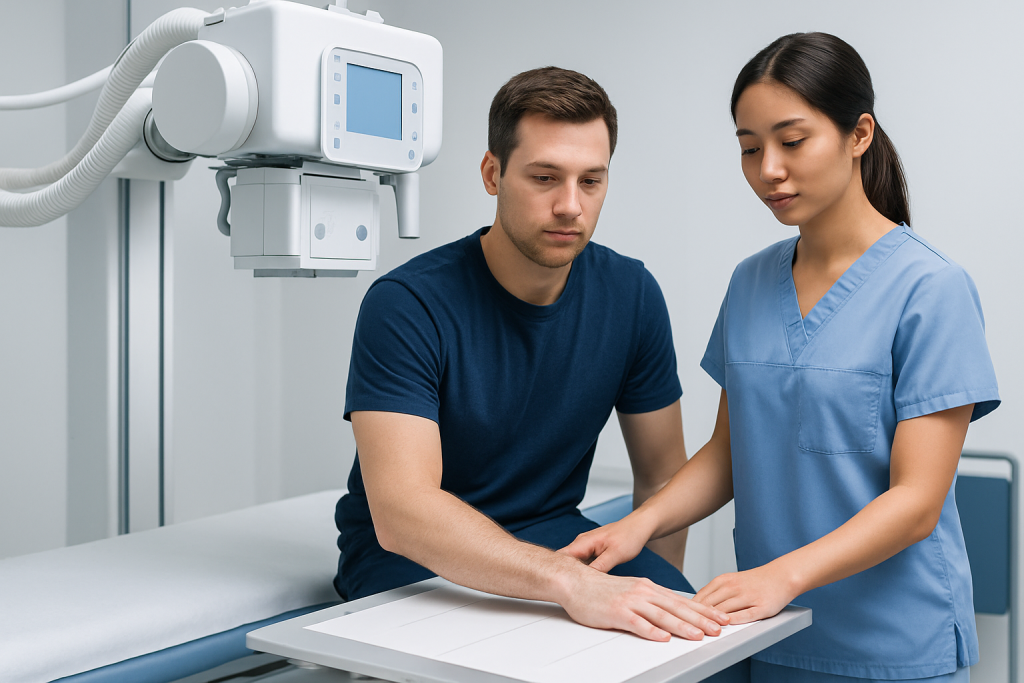
Symptoms depend on the exact problem, but pain along the inner or little-finger side of the forearm is a common clue. The discomfort may appear after a fall, Knee Pain Relief: Causes and Treatment" class="ahp-ilk">Pain Relief" class="ahp-ilk">sports injury, heavy lifting, or repetitive activity, or it may build gradually without a clear event.
When the ulna is fractured or inflamed, a person may notice swelling, bruising, tenderness to touch, or pain when rotating the forearm. Some people also feel weakness, stiffness, or a visible change in the shape of the arm, particularly after an injury. If the wrist or elbow is involved, bending or straightening those joints may become uncomfortable.
Symptoms that suggest a need for medical evaluation include:
- Persistent forearm pain that does not improve with rest
- Difficulty turning the palm up or down
- Swelling or deformity after a fall or direct blow
- Numbness, tingling, or weakness in the hand
- Pain that limits walking, dressing, driving, or work tasks
In children, pain may be harder to describe, so refusal to use the arm, guarding, or crying when the arm is moved can be important signs.
Causes & Risk Factors
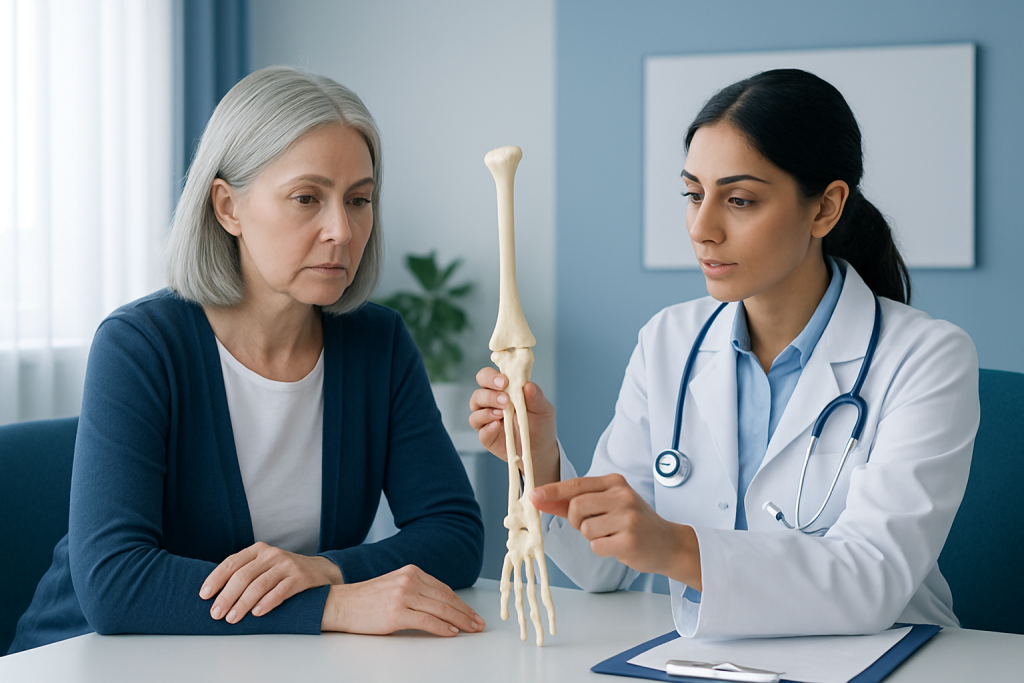
The most common cause of ulna injury is trauma. A fall onto an outstretched hand, a sports collision, or a direct impact to the forearm can break the bone or strain the joints around it. In adults, fractures may also occur after a more minor injury if the bones are weakened by osteoporosis or another condition that reduces bone strength.
Repetitive strain can also play a role. Activities that involve repeated gripping, twisting, throwing, or weight-bearing through the forearm may irritate nearby tissues or worsen stress on the bone over time. Athletes, manual workers, and people returning to activity too quickly after an earlier injury may be more vulnerable.
Risk factors may include:
- Falls or contact sports
- Osteoporosis or low bone density
- Prior forearm, wrist, or elbow injury
- Repetitive motion at work or in sport
- In childhood, growth plate injuries or congenital differences
Not every ulna-related problem is caused by a fracture. Arthritis, nerve irritation near the elbow, and certain inflammatory conditions can also produce pain in the same area, which is why a careful assessment matters.
Diagnosis
Evaluation usually begins with a detailed history and physical examination. A clinician will ask how the symptoms started, what movements worsen them, whether there was a fall or impact, and whether there are numbness, weakness, or changes in hand function. The arm will then be examined for swelling, tenderness, stability, and range of motion.
X-rays are the first imaging test in many cases because they can show fractures, alignment problems, and healing progress. If symptoms are present but the first images are unclear, additional imaging such as CT or MRI may be recommended to look more closely at the bone, joints, cartilage, or surrounding soft tissues. In some cases, ultrasound or nerve testing may be used when the concern is not a fracture alone.
For international patients planning care away from home, it is often helpful to bring prior imaging, operative reports, and a short timeline of symptoms. This makes it easier for the treating team to compare old and new studies and plan care efficiently, especially when travel time is limited.
Treatment Options
Treatment depends on the cause, location, and severity of the ulna problem. A stable injury may be managed with rest, temporary immobilization, and pain-relief measures recommended by a clinician. More significant fractures often require a splint or cast to keep the bone aligned while it heals.
Some fractures need surgery, particularly if the bone is displaced, unstable, open, or associated with injury to the elbow or wrist. Surgical options may include plates, screws, or rods to hold the bone in position. The goal is not only to unite the fracture but also to preserve forearm rotation and joint function as much as possible.
After the initial treatment phase, rehabilitation is usually important. Guided exercises can help restore strength, flexibility, and coordination while avoiding stiffness. Recovery plans are individualized because the ulna works closely with the radius, elbow, wrist, tendons, and nerves, so healing is about more than the bone alone.
When symptoms come from inflammation, overuse, or arthritis rather than a fracture, treatment may focus on activity modification, targeted therapy, and addressing the underlying condition. A doctor may also evaluate bone health if a fracture occurred with relatively low force.
Prevention & Self-care
Not every ulna injury can be prevented, but the risk can often be lowered with practical habits. Using protective gear in sports, learning safe fall techniques, and warming up before physical activity can reduce trauma to the forearm. People who lift, carry, or repeat the same motion for work may benefit from ergonomic adjustments and regular breaks.
Bone health also matters. A balanced diet, adequate calcium and vitamin D intake as advised by a clinician, weight-bearing activity, and medical attention for osteoporosis can all help support stronger bones over time. For children and older adults, prevention may include closer attention to safety at home, school, and during exercise.
Self-care after an injury should follow medical guidance. Resting the arm, elevating it when advised, and avoiding unapproved return to sport or heavy use can help recovery. It is also wise not to dismiss lingering pain after a fall, since early assessment can reveal a fracture before it worsens or heals incorrectly.
When to See a Doctor
Medical evaluation is recommended after a fall, direct blow, or twisting injury if pain is severe, swelling develops quickly, or the arm looks bent or out of place. Urgent attention is especially important if there is numbness, tingling, color change in the hand, or inability to move the wrist, elbow, or fingers normally.
Even without a clear injury, a doctor should assess pain that persists for more than a short time, returns with daily tasks, or is associated with weakness or reduced motion. In children, refusal to use the arm or pain that wakes them from sleep should be taken seriously and checked promptly.
For patients traveling internationally for care, planning ahead can make the process smoother: arrange imaging sharing, ask about rehabilitation follow-up, and clarify how aftercare will be coordinated once the patient returns home. Acibadem Health Point can support international patients through multidisciplinary specialists and JCI-accredited hospitals that diagnose and treat orthopedic conditions such as ulna injuries with coordinated care.
Frequently asked questions
What is the ulna responsible for?
The ulna helps form the elbow and supports movement in the forearm. Together with the radius, it allows the hand to turn palm up and palm down and helps stabilize the arm during daily activities.
How can someone tell if the ulna is fractured?
Common clues include pain, swelling, tenderness, bruising, and trouble turning the forearm after an injury. A fracture cannot be confirmed by symptoms alone, so an X-ray or other imaging test is usually needed.
Can ulna pain happen without a fracture?
Yes. Overuse, tendon irritation, arthritis, nerve irritation, or other nearby problems can cause pain in the same area. A clinician can help determine whether the bone itself is involved.
Does every ulna fracture need surgery?
No. Some fractures heal well with immobilization and careful follow-up. Surgery is considered when the bone is displaced, unstable, open, or likely to heal poorly without fixation.
How long does recovery take?
Recovery time varies widely depending on the type of injury, treatment, age, and overall bone health. A doctor or rehabilitation specialist can give a more realistic timeline after reviewing the imaging and exam findings.
When is rehabilitation important?
Rehabilitation is important once the bone is stable enough for movement. It helps restore strength, flexibility, and function while lowering the chance of stiffness and loss of motion.
References
This article is for general information only and is not a substitute for professional medical advice. Please consult a qualified doctor about your individual situation.
Joint and spine care in Turkey — expert assessment & treatment
JCI-accredited · board-certified surgeons · reply within 24h
Add us as a Preferred Source to see more of our trusted health content across Google Search, AI Overviews and Discover.
More from the Health Library



Related Specialists

Prof. Dr. Ahmet Alanay
Orthopedic Surgery & Traumatology
Dr. Sinan Aksu
Orthopedic Surgery & Traumatology
Dr. Sirri Baştürk
Orthopedic Surgery & Traumatology
Prof. Dr. Korhan Özkan
Orthopedic Surgery & Traumatology