

Clavicle Bone: Anatomy, Function and Injuries

Key Takeaways
- The clavicle connects the breastbone to the shoulder and helps keep the shoulder stable.
- Pain, swelling, deformity, or reduced arm movement can point to a clavicle injury.
- Falls, sports impacts, and traffic accidents are common causes of clavicle fractures.
- Most clavicle problems are diagnosed with a physical exam and imaging such as X-rays.
- Treatment ranges from rest and support to surgery, depending on the type and severity of injury.
Medically reviewed by the Acıbadem clinical team — August 19, 2026
The clavicle bone, also called the collarbone, is a small but important part of shoulder function and upper-body movement. When it is injured or painful, even simple activities such as lifting an arm, carrying a bag, or breathing deeply can feel different and more limited.
Overview
The clavicle bone, more widely known as the collarbone, sits across the upper chest like a slender bridge between the breastbone and the shoulder blade. Its shape looks simple, but its role is surprisingly important: it helps position the shoulder, supports arm movement, and protects structures that pass from the neck into the arm.
Because the clavicle lies close to the skin, it is often easy to see, feel, or notice when it changes shape after an injury. That is one reason problems involving the clavicle tend to be recognized quickly, even when the underlying issue is more than a minor bruise. In practice, the bone matters not only for movement but also for everyday comfort, posture, and confidence using the arm.
For international patients considering care, clavicle concerns may begin as a simple question: is this pain from a strain, a fracture, or something else around the shoulder? Orthopedic teams typically sort this out by combining a careful history with an exam and the right imaging, so treatment can match the exact problem rather than relying on guesswork.
Symptoms
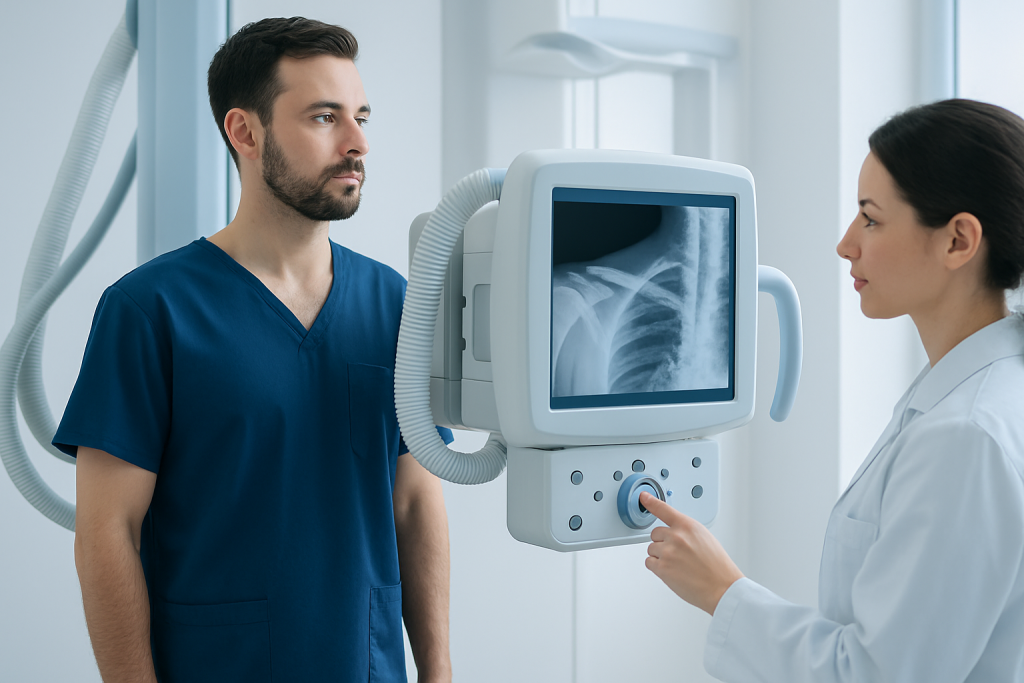
Clavicle problems usually announce themselves through the shoulder girdle rather than the bone alone. Pain often appears along the collarbone or near the point where it meets the shoulder, and the discomfort may worsen when the arm is lifted, when a strap presses on the area, or when someone tries to lie on the affected side.
Swelling, tenderness, bruising, or a visible bump can follow an injury. With a fracture, the shoulder may look lower than usual, and the person may instinctively hold the arm close to the body because movement feels uncomfortable. Some people notice a grinding sensation, while others simply feel that something is “not right” after a fall or direct impact.
- Pain along the collarbone or front of the shoulder
- Swelling or bruising over the clavicle
- Difficulty lifting the arm
- A step-off, bump, or visible change in shape
- Pain with deep breathing, carrying, or reaching
Not every symptom means a fracture. Muscle strain, joint sprain, or inflammation around the collarbone can create similar discomfort, which is why persistent pain deserves a proper assessment rather than assumptions based only on appearance.
Causes & Risk Factors
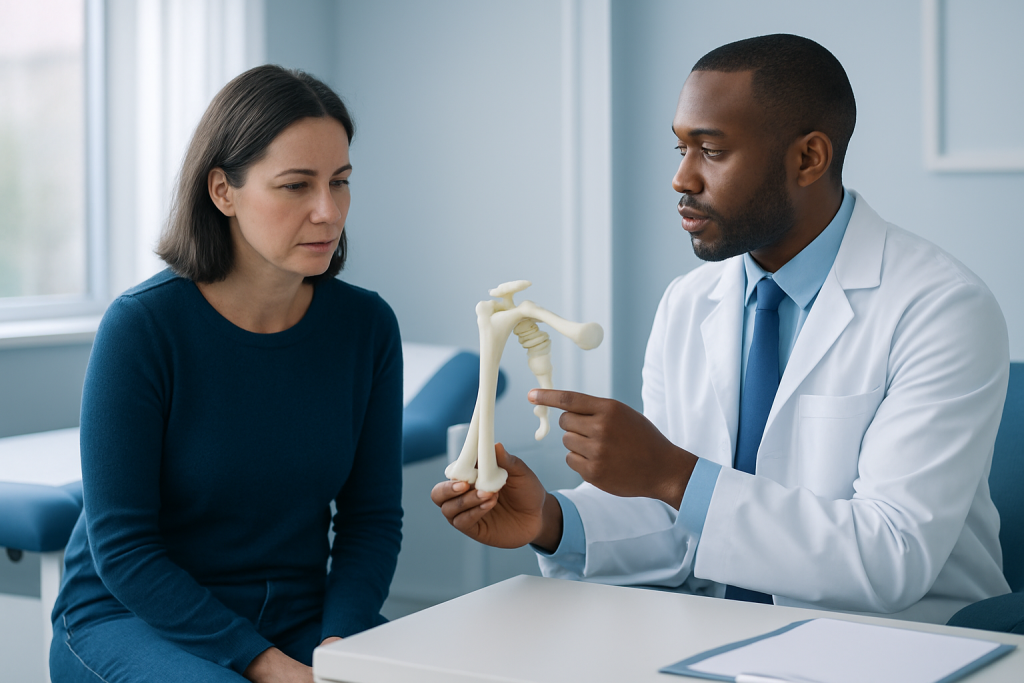
The clavicle is most often injured by force rather than wear and tear. A fall onto the shoulder, a sports collision, or a traffic accident can transfer enough energy through the upper chest to crack or break the bone. In children and adolescents, fractures can happen during play or contact sports because the bone is still developing and the shoulder is frequently exposed to impact.
Repetitive strain can also irritate nearby joints and soft tissues. People who perform overhead work, play racket sports, cycle, or train intensely may develop pain around the clavicle area, especially if posture, technique, or equipment adds stress to the shoulder.
Several factors can influence risk or recovery. These include the force of the injury, bone health, age, and whether there are other injuries to the shoulder or ribs. Older adults may have a higher chance of complications from falls, while athletes may be more affected by the pressure to return to activity too quickly.
Common causes and contributing factors include:
- Falls onto the shoulder or outstretched arm
- Contact sports injuries
- Vehicle and bicycle accidents
- Direct blows to the upper chest
- Bone weakness or reduced bone density
Diagnosis
Diagnosis begins with listening carefully to how the injury happened and what changed afterward. A doctor will usually ask about the direction of the impact, the location of pain, whether the arm can move, and whether numbness, tingling, or shortness of breath has appeared. These details help distinguish a simple bruise from a more significant injury.
A physical examination follows. The clinician looks for tenderness, swelling, deformity, skin changes, and shoulder alignment, and may gently test the arm and hand to be sure nerves and blood flow are working well. Because the clavicle is easy to examine directly, this step often provides important clues before any machine is used.
X-rays are the usual first imaging test when a fracture or dislocation is suspected. In some situations, a CT scan may be helpful, especially if the injury is complex, involves the joints at either end of the clavicle, or needs more detail for surgical planning. When symptoms point more toward soft tissue irritation than a broken bone, the doctor may still use imaging selectively to rule out hidden problems.
For patients traveling from another country, it is helpful to bring any prior imaging, discharge papers, or a list of treatments already tried. That information can shorten the time to diagnosis and make follow-up planning more efficient once care begins.
Treatment Options
Treatment depends on the exact problem, the position of the bone, and how well the shoulder can function. Many clavicle fractures, especially those that are not badly displaced, heal without surgery. In these cases, the shoulder is usually supported with a sling, and the person is guided through a gradual return of motion as pain settles.
Knee Pain Relief: Causes and Treatment" class="ahp-ilk">Pain relief, rest, and protected movement are central early on. A doctor may recommend avoiding heavy lifting, contact sports, or repetitive overhead activity for a period of time. As healing progresses, physical therapy can help restore shoulder strength, range of motion, and confidence with normal tasks.
Surgery may be considered when the fracture is significantly displaced, shortened, open, associated with skin threat, or linked to nerve or blood vessel concerns. It may also be discussed for certain active adults or athletes when alignment and function are important for recovery goals. The decision is individualized, and a good orthopedic plan balances bone healing, comfort, and the patient’s daily needs.
Typical treatment approaches may include:
- Sling support and activity modification
- Pain management and ice during the early phase
- Follow-up imaging to confirm healing
- Physical therapy and shoulder rehabilitation
- Surgical fixation in selected cases
When care is arranged from abroad, treatment planning often benefits from a coordinated team that can align imaging, orthopedic review, rehabilitation, and follow-up before the patient returns home. Acibadem Health Point offers access to multidisciplinary specialists and JCI-accredited hospitals for diagnosis and treatment of clavicle injuries in international patients.
Prevention & Self-care
Not every clavicle injury can be prevented, but practical habits can lower the risk and support recovery. In sports, proper technique, protective gear, and attention to fatigue can reduce the chance of a fall or collision. At home and while traveling, keeping walkways clear and using caution on stairs can make a meaningful difference, especially for older adults.
After an injury, self-care is about protecting healing tissue without becoming completely inactive. The arm should rest enough to allow recovery, but gentle movement is often introduced at the right time to prevent stiffness. Following the care plan matters more than trying to “push through” pain, since overdoing activity too soon can prolong healing.
Simple self-care habits may include:
- Using the sling exactly as directed
- Applying ice in the early days if advised
- Sleeping in a position that reduces pressure on the shoulder
- Avoiding lifting, pushing, or sudden reaching until cleared
- Attending follow-up appointments, even if symptoms improve
For travelers recovering away from home, it can help to keep digital copies of reports and images, and to ask the treating team what signs should prompt a review before the return flight. A clear follow-up plan makes recovery feel more manageable across borders.
When to See a Doctor
Medical evaluation is important when collarbone pain follows a fall, collision, or direct blow, even if the injury seems manageable at first. People should seek prompt care if the shoulder looks deformed, the skin is stretched tightly over the bone, or arm movement is sharply limited. Numbness, tingling, color change in the hand, or trouble breathing should also be assessed without delay.
Persistent pain without a clear injury deserves attention too, especially if it interferes with sleep, work, or daily movement. Sometimes the issue is not the clavicle itself but a nearby joint, tendon, or nerve, and a proper exam can uncover the real source of discomfort.
Follow-up is also important during recovery. If pain worsens instead of improving, swelling increases, or the person cannot regain expected motion, the treatment plan may need to be adjusted. A doctor can decide whether more imaging, different support, or rehabilitation is appropriate.
Recovery and Outlook
Most clavicle injuries improve well with the right treatment and a sensible pace of recovery. Healing time varies depending on the type of injury, the person’s age, and whether surgery was needed. Even when the bone heals without surgery, shoulder strength and confidence often return gradually rather than all at once.
Recovery usually works best when the person respects early limits and then rebuilds activity step by step. Small milestones matter: sleeping more comfortably, moving the arm higher, lifting everyday items again, and returning to sport or work under medical guidance. These changes often occur in stages, and patience is part of the treatment.
With proper evaluation, most people can expect a practical, functional outcome. The goal is not only bone healing, but also a shoulder that moves comfortably and supports normal life again.
FAQ
What does the clavicle bone do?
The clavicle connects the shoulder to the chest and helps keep the shoulder positioned correctly. It also supports arm movement and helps protect nerves and blood vessels passing from the neck into the arm.
How can someone tell if the clavicle is fractured?
Common clues include pain after a fall or impact, swelling, bruising, and difficulty lifting the arm. A visible bump or change in shoulder shape can also suggest a fracture, but an X-ray is usually needed to confirm it.
Can a clavicle fracture heal without surgery?
Yes, many clavicle fractures heal well without an operation, especially when the bone pieces remain reasonably aligned. Doctors decide based on the fracture pattern, symptoms, and the person’s activity needs.
Is it safe to move the arm after a clavicle injury?
Movement should be guided by a doctor or physiotherapist. Early on, the arm is often protected, then motion is gradually increased as healing allows.
Why does collarbone pain sometimes feel close to the shoulder?
The clavicle is part of the shoulder girdle, so pain there often blends with shoulder discomfort. Problems in nearby joints or soft tissues can also create pain that feels like it is coming from the collarbone.
When should an international patient seek orthopedic review after traveling?
If pain is significant, the shoulder looks deformed, or function is limited, review should not be delayed. Bringing prior imaging and reports helps the orthopedic team make faster decisions and plan follow-up more smoothly.
References
- American Academy of Orthopaedic Surgeons
- Mayo Clinic
- National Institute of Arthritis and Musculoskeletal and Skin Diseases
- Merck Manual Professional Edition
- NHS
This article is for general information only and is not a substitute for professional medical advice. Please consult a qualified doctor about your individual situation.
Joint and spine care in Turkey — expert assessment & treatment
JCI-accredited · board-certified surgeons · reply within 24h
Add us as a Preferred Source to see more of our trusted health content across Google Search, AI Overviews and Discover.
More from the Health Library



Related Specialists

Prof. Dr. Ahmet Alanay
Orthopedic Surgery & Traumatology
Dr. Sinan Aksu
Orthopedic Surgery & Traumatology
Dr. Sirri Baştürk
Orthopedic Surgery & Traumatology
Prof. Dr. Korhan Özkan
Orthopedic Surgery & Traumatology