

Turf Toe Injury: Symptoms, Causes and Treatment

Key Takeaways
- Turf toe injury is a sprain of the big toe joint, not a simple bruise.
- Pain, swelling, and difficulty pushing off the foot are common signs.
- Diagnosis may include a physical exam and imaging if a more serious injury is suspected.
- Treatment often starts with rest, ice, support, and activity modification.
- Recovery time depends on severity, and returning too early can delay healing.
Medically reviewed by the Acıbadem clinical team — August 19, 2026
Turf toe injury is a sprain of the big toe joint, usually caused by forceful bending of the toe upward. It can range from mild discomfort to a more serious ligament injury that needs medical care and a structured recovery plan.
Overview
Turf toe injury is a sprain of the first metatarsophalangeal joint, the joint at the base of the big toe. It happens when the toe bends upward too far, stretching or tearing the soft tissues that help the joint stay stable. The name comes from sports played on artificial turf, but the same injury can happen on natural grass, hardwood courts, or any surface where the foot is forced into an awkward position.
For many people, the injury begins with a single moment: a push-off, a sudden stop, or a collision that drives the toe into extension. What may feel like a minor strain at first can affect walking, balance, and sport-specific movements such as sprinting, jumping, or changing direction. Because the big toe helps power nearly every step, this injury deserves careful attention rather than a quick return to full activity.
In international patients, turf toe may be evaluated after travel if pain persists during sightseeing, walking long distances, or training abroad. A clear diagnosis is useful because treatment depends on whether the sprain is mild, moderate, or severe, and whether the joint is stable enough for conservative care.
Symptoms
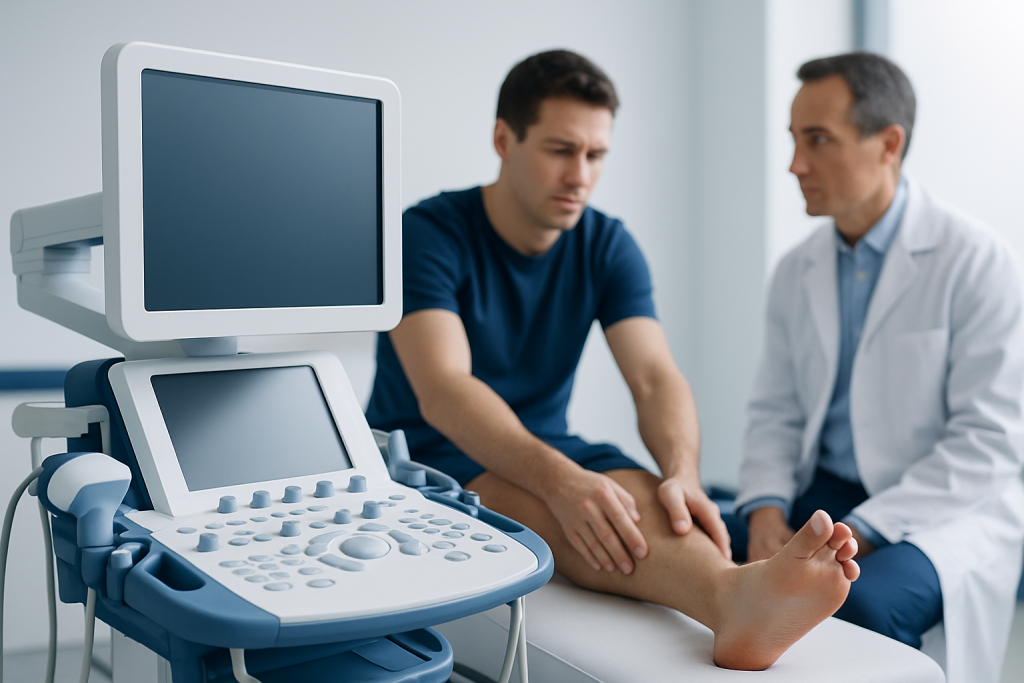
The most noticeable symptom is pain at the base of the big toe, especially when pushing off the foot or bending the toe upward. Swelling and tenderness are common, and the joint may feel stiff or weak. Some people can still walk, but they notice that they are favoring the foot or changing the way they step.
Bruising may appear around the toe or across the sole of the foot, and the area may feel warm or sensitive to touch. In more significant injuries, the toe may feel unstable, and the person may struggle to stand on tiptoe, run, or rise from a crouched position. Sports participation often becomes difficult because the toe cannot tolerate forceful loading.
Symptoms can vary with severity. A mild sprain may only hurt during activity, while a more serious injury can cause pain with ordinary walking, climbing stairs, or wearing flexible shoes. Any big toe injury that changes gait or does not improve over several days should be assessed by a clinician.
Causes & Risk Factors

Turf toe injury usually occurs when the big toe is forced sharply upward while the heel remains on the ground. This can happen during football, soccer, basketball, dance, running, martial arts, or any activity that involves sudden starts and stops. The injury may also occur if a person slips, stumbles, or is tackled while the foot is planted.
Certain factors can make the joint more vulnerable. Playing on a surface that gives little traction, wearing flexible footwear with limited support, or having previous toe or foot injuries may increase the risk. Athletes who train intensely on hard surfaces may also place repeated stress on the joint, which can make a sprain more likely or more troublesome once it occurs.
- High-impact sports with rapid direction changes
- Footwear that bends easily at the forefoot
- Previous injury to the big toe or forefoot
- Playing on hard or traction-heavy surfaces
- Fatigue, which can affect foot control and landing mechanics
Although the condition is often discussed in sports medicine, it is not limited to athletes. Anyone can develop a turf toe injury if the toe is forced into an extreme position during a fall, misstep, or sudden movement.
Diagnosis
Diagnosis usually begins with a careful history and physical examination. A doctor will ask how the injury happened, where the pain is located, and which movements make it worse. They may gently move the toe to assess range of motion, tenderness, swelling, and whether the joint appears stable.
Imaging may be recommended when the pain is significant, when weight-bearing is difficult, or when the clinician needs to rule out a fracture, dislocation, or more severe soft tissue injury. X-rays can help look for bone injury or joint alignment problems. In some cases, MRI or ultrasound may be used to evaluate ligaments, cartilage, and the plantar structures under the joint.
Because turf toe can resemble other forefoot injuries, an accurate diagnosis matters. Pain under the big toe joint may also come from sesamoid injury, a fracture, arthritis, or a tendon problem. A structured assessment helps determine how severe the sprain is and how long recovery may take.
Treatment Options
Treatment depends on the severity of the sprain, but early care often focuses on protecting the joint and reducing inflammation. Resting from aggravating activity, applying ice, and limiting movements that force the toe upward can help calm symptoms. Supportive shoes, a stiff-soled shoe, or a walking boot may be recommended to reduce bending at the joint.
For mild to moderate injuries, taping the toe, using an orthotic insert, or temporarily changing training can allow the joint to heal while keeping the foot protected. A clinician may advise short-term use of anti-inflammatory medicine if appropriate, but medication choices should be reviewed with a doctor, especially for people with other medical conditions.
Rehabilitation is often important once pain begins to settle. Guided exercises may help restore motion, strength, and balance without overloading the joint. Athletes may progress gradually from walking to light jogging, then to cutting, jumping, or sport-specific drills only when the toe can tolerate those demands.
Severe injuries sometimes need more specialized treatment. If the joint is unstable, if there is a large tear, or if a fracture or dislocation is present, orthopedic evaluation is essential. In selected cases, surgery may be discussed to restore joint stability and protect long-term function.
Prevention & Self-care
Not every turf toe injury can be prevented, but several practical habits can lower the chance of re-injury and support healing. Footwear matters: shoes with a firmer forefoot, better support, or a stiffer sole may reduce excessive bending at the big toe. For athletes, sport-specific taping or inserts may also help, especially during the return-to-play phase.
Self-care is most effective when it respects the stage of recovery. Early on, the goal is to avoid forcing the toe into painful positions. As symptoms improve, gentle movement and rehabilitation exercises can help the foot regain normal mechanics. Returning to full activity too soon may prolong discomfort and increase the risk of another sprain.
- Choose supportive shoes for walking and exercise
- Warm up before sport and training sessions
- Build intensity gradually after a break
- Use protective taping or orthotics if advised
- Stop activities that reproduce sharp toe pain
For people traveling for treatment or recovery, it is wise to plan practical details in advance: comfortable shoes, time for follow-up visits, and a realistic schedule for walking or sightseeing. Healing is easier when the foot is not being asked to do too much, too soon.
When to See a Doctor
Medical evaluation is a good idea when pain is severe, swelling is marked, or walking becomes difficult. A doctor should also be consulted if the toe looks deformed, if bruising spreads widely across the foot, or if the injury happened with a pop, snap, or sudden loss of stability. These features may point to a more serious sprain or another injury that needs prompt attention.
People should seek care if symptoms do not begin to improve after a few days of rest and protection, or if the toe remains painful when pushing off, climbing stairs, or exercising. Persistent pain can signal incomplete healing, cartilage involvement, or an injury that needs a more detailed plan. The same is true if the joint feels loose or the big toe cannot move normally.
If a person is receiving care while abroad, it helps to arrange orthopedic follow-up before returning home, especially when imaging, bracing, or rehabilitation may still be needed. Acibadem Health Point’s multidisciplinary specialists and JCI-accredited hospitals can diagnose and treat turf toe injury for international patients, with coordinated care that supports both recovery and continuity after travel.
Recovery and Outlook
Recovery from turf toe injury varies widely. Mild sprains may settle with a period of protection and gradual return to activity, while more serious injuries can take much longer and require structured rehabilitation. The key is not the calendar alone, but how well the toe tolerates walking, balance, and push-off.
Most people do best when they progress step by step. Pain should continue to decrease, the toe should feel more stable, and normal movement should become easier before higher-impact activity is resumed. If the injury is properly assessed and treated, many people return to their usual routines without lasting problems.
Ongoing stiffness, pain under the big toe, or repeated sprains are signs that follow-up may be needed. A clinician can reassess healing, adjust footwear or rehabilitation, and decide whether further imaging or specialist input is appropriate. Careful recovery is often what protects long-term function in the forefoot.
Frequently asked questions
What exactly is turf toe injury?
Turf toe injury is a sprain of the big toe joint at the base of the toe. It happens when the toe bends upward too far and stretches or tears the supporting soft tissues.
Can turf toe injury heal on its own?
Mild cases may improve with rest, protection, and gradual return to activity. However, it is still wise to have the injury assessed if pain is significant or walking is difficult, because more serious sprains need a different plan.
How long does recovery take?
Recovery time depends on how badly the joint is injured. Mild sprains may settle relatively quickly, while more severe injuries can take much longer and may need bracing or rehabilitation.
Is surgery always needed?
No, surgery is not common for turf toe injury. It is usually considered only when the joint is unstable, the tear is severe, or there is a fracture or dislocation that needs repair.
What kind of shoes help during recovery?
Supportive shoes with a stiffer sole are often easier on the big toe joint than very flexible footwear. A doctor or rehabilitation specialist may also suggest taping, inserts, or a walking boot depending on the injury.
Can I keep exercising with turf toe pain?
It is best to avoid activities that cause pain, especially running, jumping, or push-off movements. Lower-impact exercise may be possible if a clinician says it is safe and it does not worsen symptoms.
References
- American Academy of Orthopaedic Surgeons
- Mayo Clinic
- National Health Service
- American Orthopaedic Foot & Ankle Society
This article is for general information only and is not a substitute for professional medical advice. Please consult a qualified doctor about your individual situation.
Joint and spine care in Turkey — expert assessment & treatment
JCI-accredited · board-certified surgeons · reply within 24h
Add us as a Preferred Source to see more of our trusted health content across Google Search, AI Overviews and Discover.
More from the Health Library



Related Specialists

Prof. Dr. Ahmet Alanay
Orthopedic Surgery & Traumatology
Dr. Sinan Aksu
Orthopedic Surgery & Traumatology
Dr. Sirri Baştürk
Orthopedic Surgery & Traumatology
Prof. Dr. Korhan Özkan
Orthopedic Surgery & Traumatology