Tumor Lysis Syndrome: Symptoms, Causes and Treatment

Key Takeaways
- Tumor lysis syndrome can develop when cancer cells break down too quickly, especially after treatment begins.
- It may affect kidney function and the balance of potassium, phosphate, calcium, and uric acid in the blood.
- People with fast-growing cancers or a high disease burden may have a higher risk.
- Frequent blood tests and hydration are important parts of prevention and early treatment.
- Prompt medical care is essential if symptoms such as weakness, nausea, reduced urination, or palpitations appear.
Tumor lysis syndrome is a treatment-related complication that can happen when cancer cells break down quickly and release their contents into the bloodstream. With early recognition, careful monitoring, and timely treatment, it can usually be managed safely.
Overview
Tumor lysis syndrome, often shortened to TLS, is a medical complication that can appear when cancer cells are destroyed rapidly. As the cells break apart, they release potassium, phosphate, uric acid, and other substances into the bloodstream faster than the body can safely process them.
This change can strain the kidneys and disturb the body’s chemical balance. TLS is seen most often in cancers that grow or respond to treatment quickly, such as some blood cancers, but it can occur in solid tumors as well. For patients planning care across borders, it is helpful to know that this is usually a predictable risk rather than an unexpected surprise, which means doctors can look for it in advance and act early.
The condition is important because it can progress quickly if it is not recognized. At the same time, it is also one of the oncology complications that clinicians actively try to prevent through hydration, laboratory monitoring, and, when needed, medicines that reduce uric acid.
Symptoms
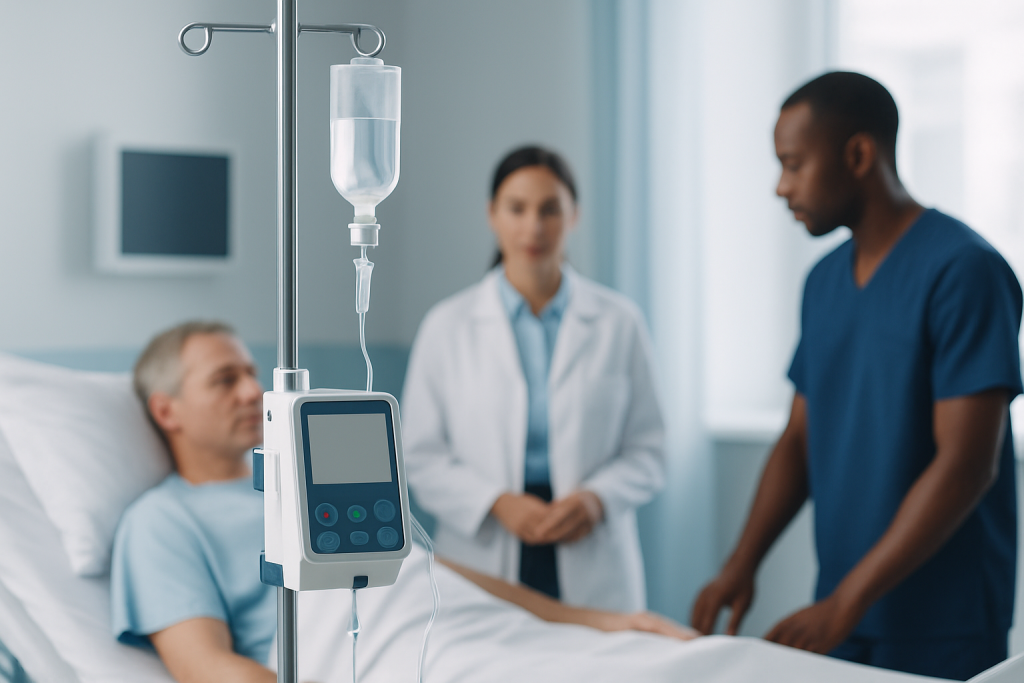
Symptoms of tumor lysis syndrome may begin subtly, which is why blood tests are often the first clue. A person may feel unusually tired, weak, nauseated, or lightheaded, or notice reduced urine output. Some people also describe muscle cramps or a sense that their body feels “off” after starting cancer treatment.
As the mineral imbalance becomes more significant, symptoms can become more noticeable. Possible signs include:
- Nausea or vomiting
- Loss of appetite
- Muscle twitching or cramps
- Numbness or tingling
- Irregular heartbeat or palpitations
- Confusion or trouble concentrating
- Decreased urination
Because TLS can affect the heart, kidneys, and nervous system, symptoms should not be dismissed as routine treatment discomfort. In the international-patient setting, this is especially relevant when someone is away from their usual care team; the treating oncology team should be contacted promptly if these changes appear.
Causes & Risk Factors

TLS happens when a large number of cancer cells die in a short period. The release of cell contents overwhelms the body’s normal waste-handling systems, especially the kidneys. The resulting rise in uric acid, potassium, and phosphate, along with a fall in calcium, is what drives many of the symptoms and complications.
Certain factors make TLS more likely. These include cancers with a high cell turnover, a large tumor burden, sensitivity to treatment, or disease already affecting the kidneys. It can occur after chemotherapy, targeted therapy, immunotherapy, radiation in some situations, or even spontaneously before treatment starts.
Risk is often considered higher in:
- Acute leukemias
- High-grade lymphomas
- Some rapidly responding cancers with extensive disease
- Patients with pre-existing kidney problems or dehydration
- People with elevated uric acid, phosphate, or lactate dehydrogenase before treatment
Before treatment begins, oncology teams usually assess these factors to decide how closely the patient should be monitored and whether preventive measures should start right away.
Diagnosis
Diagnosis of TLS is based on the clinical picture and laboratory findings. Doctors usually review blood chemistry results, kidney function, urine output, and the timing of symptoms in relation to cancer treatment. The condition is often identified through close monitoring before a person feels severely unwell.
Typical tests may include electrolytes, uric acid, creatinine, phosphorus, calcium, and sometimes lactate dehydrogenase. An electrocardiogram may be used if there is concern about a heart rhythm change caused by high potassium or other electrolyte shifts.
In practice, diagnosis is not only about confirming TLS after it has happened; it is also about recognizing who is at risk and watching for early changes. For patients traveling for care, this means the first treatment center should provide a clear monitoring plan so follow-up labs and symptom checks are easy to arrange after discharge or between appointments.
Treatment Options
Treatment focuses on correcting the blood chemistry changes, protecting kidney function, and preventing complications. Many patients are treated in a hospital or day-unit setting at first, especially if the risk is high or the laboratory changes are already present.
Hydration is one of the mainstays of care because it helps the kidneys flush out excess substances. Doctors may also prescribe medications that lower uric acid or support its breakdown. If potassium, phosphate, or calcium levels are significantly abnormal, additional treatment may be needed to stabilize the heart and nervous system.
In some cases, kidney replacement therapy such as dialysis is required when the kidneys cannot keep up or when electrolyte abnormalities are severe. Cancer treatment may be paused briefly or adjusted while TLS is controlled, then restarted under closer supervision once the patient is stable.
Because the situation can evolve quickly, the exact plan depends on the cancer type, laboratory results, kidney function, and the patient’s overall condition. The goal is not only to treat the complication, but also to keep the cancer therapy moving safely forward.
Prevention & Self-care
Prevention starts before the first dose of cancer treatment. Doctors estimate the risk of TLS and decide whether the patient needs preventive hydration, uric-acid-lowering medicine, frequent laboratory checks, or inpatient observation. This planning step can make a major difference in how smoothly treatment begins.
Patients also play an important role. Staying well hydrated, following the oncology team’s instructions carefully, and attending scheduled blood tests are practical ways to reduce risk. When care is being coordinated across countries, it helps to keep copies of lab results, treatment summaries, and medication lists so the receiving team can continue monitoring without gaps.
Useful self-care habits often include:
- Drinking the amount of fluid recommended by the care team
- Taking prescribed medicines exactly as directed
- Reporting vomiting, poor intake, or reduced urination early
- Avoiding over-the-counter medicines unless the doctor approves them
- Keeping all follow-up appointments and blood tests
Patients should not try to manage TLS on their own with extra fluids or home remedies if they are feeling unwell. The safest approach is to follow the oncology team’s individualized plan and ask before making changes.
When to See a Doctor
Medical attention is needed promptly if a person receiving cancer treatment develops weakness, palpitations, shortness of breath, confusion, reduced urination, persistent vomiting, or severe muscle cramps. These can signal electrolyte disturbances or kidney strain and should be assessed without delay.
People who know they are at higher risk for TLS should contact their oncology team before treatment starts if they have questions about hydration, laboratory monitoring, or what symptoms to watch for after leaving the clinic. Early communication is especially valuable for international patients who may be navigating flights, time zones, and follow-up care in a new country.
If symptoms are severe, rapidly worsening, or accompanied by fainting, chest pain, or marked confusion, emergency care is appropriate. Quick evaluation helps the team confirm whether TLS or another treatment-related issue is responsible and begin the right care right away.
At Acibadem Health Point, multidisciplinary specialists and JCI-accredited hospitals diagnose and treat tumor lysis syndrome for international patients as part of coordinated oncology care.
Living With the Risk During Cancer Treatment
Many patients never develop tumor lysis syndrome because their care team identifies the risk early and takes preventive action. Still, it can be helpful to understand that TLS is one of the reasons cancer treatment often includes more than the anticancer medicine itself. The supporting steps—fluids, tests, observation, and quick adjustments—are part of protecting the patient while the treatment does its work.
For someone traveling abroad for oncology care, this support matters in practical ways. Clear written instructions, a point of contact for questions, and an agreed plan for lab follow-up can reduce uncertainty and make the treatment journey feel more manageable.
Patients and families are often reassured to know that TLS is a known oncology risk with established prevention and treatment strategies. The focus is on staying ahead of it, not reacting too late.
Frequently asked questions
What is tumor lysis syndrome in simple terms?
Tumor lysis syndrome happens when many cancer cells break down quickly and release their contents into the blood. This can upset mineral levels and put stress on the kidneys and heart. It is a known risk during treatment for certain cancers, especially fast-growing blood cancers.
Is tumor lysis syndrome always caused by chemotherapy?
No. TLS often happens after treatment starts, but it can also occur spontaneously when a cancer grows or breaks down quickly on its own. Any situation with rapid cell destruction can raise the risk.
Which cancers are most commonly linked to TLS?
It is most often seen in acute leukemias and high-grade lymphomas, especially when there is a large amount of disease in the body. However, other cancers can also cause TLS depending on how quickly they respond to therapy and the person’s kidney function.
How do doctors prevent TLS before treatment starts?
Doctors assess the person’s risk, check baseline blood tests, and may begin hydration and uric-acid-lowering medicine before cancer therapy. They also schedule repeat labs to catch early changes before they become serious.
Can TLS be treated successfully?
Yes, when it is recognized early and managed promptly, TLS is often treatable. The main goals are to correct blood chemistry changes, protect the kidneys, and monitor the heart and other organs closely.
What should a patient do if they feel unwell after cancer treatment?
They should contact their oncology team promptly and describe the symptoms clearly, especially if there is reduced urination, palpitations, vomiting, or confusion. If symptoms are severe or rapidly worsening, emergency care is appropriate.
References
- National Cancer Institute
- American Cancer Society
- Merck Manual Professional Edition
- Mayo Clinic
- National Comprehensive Cancer Network
This article is for general information only and is not a substitute for professional medical advice. Please consult a qualified doctor about your individual situation.
Persistent digestive symptoms? Get evaluated in Turkey
JCI-accredited · board-certified surgeons · reply within 24h
Add us as a Preferred Source to see more of our trusted health content across Google Search, AI Overviews and Discover.