How Doctors Decide Whether to Remove Nearby Lymph Nodes in Breast Cancer

Key Takeaways
- Not every breast cancer surgery requires removal of all nearby lymph nodes.
- Sentinel lymph node biopsy is often used to check whether cancer has started to spread.
- A larger lymph node operation may be recommended when nodes are clearly involved or when earlier findings suggest a higher risk of spread.
- Imaging, biopsy results, tumor features, and surgery plans all influence the decision.
- Recovery, arm care, and follow-up matter after any lymph node procedure.
In breast cancer, the decision to remove nearby lymph nodes depends on what doctors know about the tumor, the lymph nodes, and the planned treatment path. The goal is to treat the cancer accurately while avoiding more surgery than a patient truly needs.
Overview
When breast cancer is diagnosed, one of the first questions doctors ask is whether the disease may have reached the nearby lymph nodes. These small immune-system structures, especially those under the arm, can act like a pathway through which cancer cells may travel. That is why the lymph nodes are often part of both staging and treatment planning.
The decision to remove lymph nodes is not automatic. It depends on the type of breast cancer, the size and location of the tumor, what imaging and biopsy have already shown, and whether the patient is having surgery first or treatment before surgery. In many cases, doctors try to gather enough information with the least invasive approach possible, then expand treatment only if the findings justify it.
For international patients, this conversation can feel especially important because treatment may need to be coordinated across countries, time zones, and follow-up visits. A clear plan helps patients understand why a surgeon may recommend a sentinel node biopsy, why another may suggest axillary lymph node dissection, and how the choice fits into the overall cancer plan.
What lymph nodes do in breast cancer
Lymph nodes filter fluid and help the body respond to infection and other immune challenges. In breast cancer, the nodes nearest the breast — most commonly the axillary lymph nodes in the armpit — are important because they are often the first place cancer cells may appear if the disease begins to spread beyond the breast.
Doctors examine these nodes for two reasons. First, their status helps determine the stage of the cancer, which affects treatment decisions. Second, if cancer is found in the nodes, doctors may adjust surgery, radiation, and systemic therapy such as chemotherapy, hormone therapy, or targeted therapy.
It is worth noting that enlarged lymph nodes are not always cancerous. They may react to infection, inflammation, or prior procedures. That is why pathology, imaging, and clinical judgment all matter before a final treatment plan is made.
Symptoms and signs doctors look for
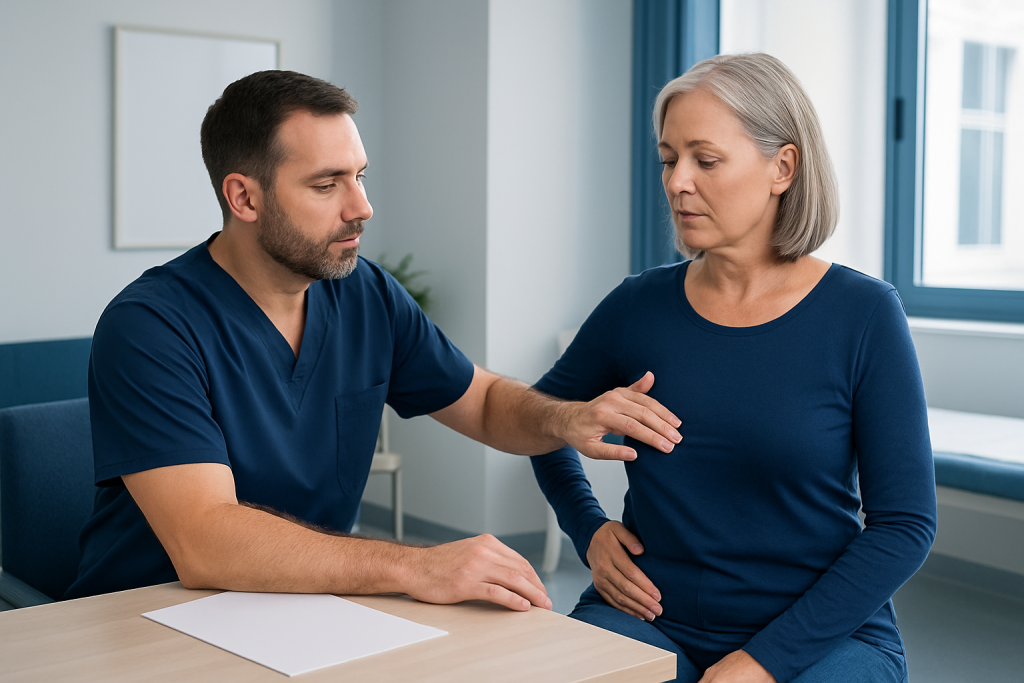
Many patients do not notice any lymph node symptoms at all. Breast cancer that has spread to nearby nodes can still be silent, which is one reason doctors rely on imaging and tissue sampling rather than symptoms alone.
When there are clues, they may include a firm lump under the arm, swelling in the armpit, fullness around the collarbone, or a feeling of heaviness in the arm. These findings do not confirm cancer, but they prompt closer evaluation.
Doctors also look at the breast itself for features that may suggest a higher chance of node involvement, such as a larger tumor, aggressive tumor biology, or evidence that the tumor has grown into nearby tissue. In a treatment consultation, these details help determine whether a limited node check or a more extensive surgery is more appropriate.
Causes & risk factors that influence the decision
The decision to remove lymph nodes is driven by the biology and behavior of the breast cancer, not by one single factor. A small, early-stage tumor with no suspicious nodes on exam or imaging may be treated differently from a larger tumor or one that has already been proven to involve a node.
Factors that often influence the plan include the tumor size, tumor grade, hormone receptor status, HER2 status, whether multiple areas are present in the breast, and whether cancer is found in a needle biopsy of a suspicious node. Doctors also consider whether the patient will receive neoadjuvant therapy, meaning treatment before surgery, because that can change what surgery is needed afterward.
Previous breast surgery, prior radiation, and medical conditions that affect healing can also shape the approach. The aim is always to balance cancer control with the lowest safe risk of complications such as lymphedema, numbness, stiffness, or shoulder discomfort.
How doctors decide: the evaluation process
Most decisions begin with a combination of physical examination, breast imaging, and tissue diagnosis. If a node feels enlarged or appears abnormal on ultrasound, doctors may recommend a needle biopsy to see whether cancer is present before surgery is planned.
If the nodes do not appear clearly involved, a sentinel lymph node biopsy is often the next step. In this procedure, the surgeon identifies the first few lymph nodes most likely to drain the breast and removes them for testing. If those nodes are free of cancer, many patients can avoid a larger operation.
The decision process may also involve a multidisciplinary team, especially in centers that treat many international patients. Surgeons, medical oncologists, radiation oncologists, radiologists, and pathologists review the case together so the patient receives one coordinated plan rather than separate, conflicting opinions.
- Imaging suggests whether nodes are suspicious before surgery.
- Biopsy can confirm whether a suspicious node contains cancer.
- Sentinel node results help determine whether more surgery is needed.
- The planned sequence of surgery and drug therapy affects the node strategy.
Treatment options: sentinel biopsy versus more extensive removal
Sentinel lymph node biopsy is a smaller procedure than full axillary lymph node dissection. It is often used when there is no proven nodal disease or when doctors want to confirm whether cancer has reached the nodes with the least disruption possible. If the sentinel nodes are negative, no further node surgery may be needed.
Axillary lymph node dissection involves removing a larger number of nodes from the underarm area. Doctors may recommend this when cancer is clearly present in the nodes, when there is a larger burden of nodal disease, or when earlier treatment results suggest that more comprehensive surgery is necessary. In some cases, the recommendation depends on what was found before surgery and whether the patient has already received neoadjuvant therapy.
Not every patient with a positive sentinel node automatically needs a full dissection. Modern breast cancer care increasingly uses individualized decision-making, taking into account tumor features, the number of involved nodes, planned radiation, and the overall treatment goals. That discussion is often a major part of the surgical consultation.
When doctors explain the options, they usually focus on two priorities: keeping the cancer treatment effective and limiting the chance of long-term arm problems. This is where the balance between staging accuracy and surgical burden becomes central.
Recovery, prevention of complications, and self-care
Recovery depends on how much surgery was done. After a sentinel node biopsy, many patients recover quickly, although there may still be soreness, bruising, or temporary shoulder tightness. After a larger lymph node removal, recovery can take longer and may require more deliberate physical therapy or arm exercises.
One of the most discussed longer-term risks is lymphedema, a swelling that can happen when lymph drainage is disrupted. Not everyone develops it, but patients are often taught to watch for early heaviness, swelling, or tightness in the arm, hand, chest wall, or underarm area. Early attention can make management easier.
Helpful self-care usually includes following wound-care instructions, gentle arm movement as advised, reporting redness or fever promptly, and attending follow-up appointments even if the patient has traveled home. If care is being coordinated internationally, patients may want a written summary of the surgery, pathology findings, and any rehabilitation recommendations to share with their local doctor.
- Move the arm as instructed by the surgical team.
- Protect the incision and watch for signs of infection.
- Ask about lymphedema prevention and early symptom checks.
- Keep all pathology and treatment records for future follow-up.
When to see a doctor
Patients should contact their doctor if they notice increasing arm swelling, persistent pain, reduced shoulder movement, redness, drainage, fever, or a new lump in the breast, armpit, or collarbone area. These signs do not always mean cancer has returned or spread, but they deserve timely review.
It is also important to ask for clarification before surgery if the lymph node plan is not fully understood. Patients may want to know why a biopsy is recommended, what would happen if the sentinel node is positive, and how the results could affect radiation or drug treatment afterward.
For those considering treatment abroad, a specialist center can help coordinate imaging, surgery, pathology review, and follow-up in one pathway. Acibadem Health Point’s multidisciplinary specialists and JCI-accredited hospitals diagnose and treat breast cancer for international patients, with the node strategy chosen as part of the overall plan.
A closer look at the follow-up conversation
After surgery, the pathology report often becomes the document that shapes the next phase of care. It tells the team how many nodes were examined, whether cancer cells were present, and whether additional treatment is likely to help. Some patients are surprised to learn that the final plan may change once the tissue is studied under the microscope.
That is normal. Breast cancer treatment is often built in steps, with each step refining the next. A patient may begin with one expectation and end up with a more tailored recommendation once the node status, tumor features, and response to any pre-surgical therapy are fully known.
Good follow-up is not just about surveillance; it is also about function and quality of life. Patients benefit when the team revisits arm mobility, swelling risk, pain control, and rehabilitation needs alongside the cancer treatment plan.
Frequently asked questions
What is a sentinel lymph node biopsy?
It is a procedure that removes the first lymph nodes most likely to drain fluid from the breast. Doctors test these nodes to see whether cancer has started to spread. If they are clear, a larger node operation may not be needed.
Does every breast cancer patient need lymph nodes removed?
No. The need for lymph node surgery depends on the tumor, imaging, biopsy findings, and treatment plan. Some patients only need sentinel node sampling, while others may need more extensive node removal.
Why would a doctor recommend removing more than one lymph node?
If cancer is found in the sentinel nodes or if the nodes look clearly involved before surgery, a larger operation may be recommended. The goal is to better understand the extent of disease and reduce the chance of leaving behind involved nodes.
Can enlarged lymph nodes mean something other than cancer?
Yes. Lymph nodes can enlarge because of infection, inflammation, or other non-cancer causes. That is why doctors often confirm the cause with imaging or a biopsy before deciding on surgery.
What is the main long-term risk after lymph node surgery?
One of the main concerns is lymphedema, which is swelling caused by disrupted lymph drainage. Not everyone develops it, but patients are taught to watch for early changes and report them promptly.
How can international patients prepare for follow-up after surgery abroad?
They should leave with a clear pathology report, a treatment summary, wound-care instructions, and the follow-up schedule. Sharing these records with a local doctor helps maintain continuity once the patient returns home.
References
- National Cancer Institute
- American Cancer Society
- National Comprehensive Cancer Network
- American Society of Breast Surgeons
- World Health Organization
This article is for general information only and is not a substitute for professional medical advice. Please consult a qualified doctor about your individual situation.