TSH Levels: What They Mean

Key Takeaways
- TSH is a hormone from the pituitary gland that signals the thyroid to make thyroid hormones.
- A high TSH often suggests an underactive thyroid, while a low TSH may suggest an overactive thyroid.
- Many factors can affect TSH results, including illness, medicines, pregnancy, and timing of repeat testing.
- TSH testing is usually part of a broader thyroid workup, not a stand-alone diagnosis.
- Treatment depends on the cause and may include monitoring, medication, or additional tests.
Medically reviewed by the Acıbadem clinical team — August 19, 2026
TSH levels help clinicians understand how well the thyroid gland is working. A simple blood test can point toward conditions such as hypothyroidism or hyperthyroidism, but results are always interpreted alongside symptoms and other lab values.
Overview
TSH levels are often the first number people notice on a thyroid blood test, yet the meaning is not always obvious. TSH stands for thyroid-stimulating hormone, a messenger made by the pituitary gland in the brain. Its job is to tell the thyroid gland how much thyroid hormone to produce.
When the thyroid is not making enough hormone, the pituitary usually responds by sending out more TSH. When the thyroid is making too much, the pituitary lowers TSH production. That feedback loop is why TSH is such a useful screening tool: it gives clinicians a quick sense of whether the thyroid-thyroid hormone system is in balance.
For patients reading results from another country or preparing for care abroad, it helps to know that TSH is only one part of the picture. Doctors look at symptoms, physical findings, free T4 or free T3 levels, medical history, and sometimes thyroid antibodies or imaging before making a conclusion. The goal is not to treat a number in isolation, but to understand what the body is actually doing.
Symptoms That Often Prompt Testing
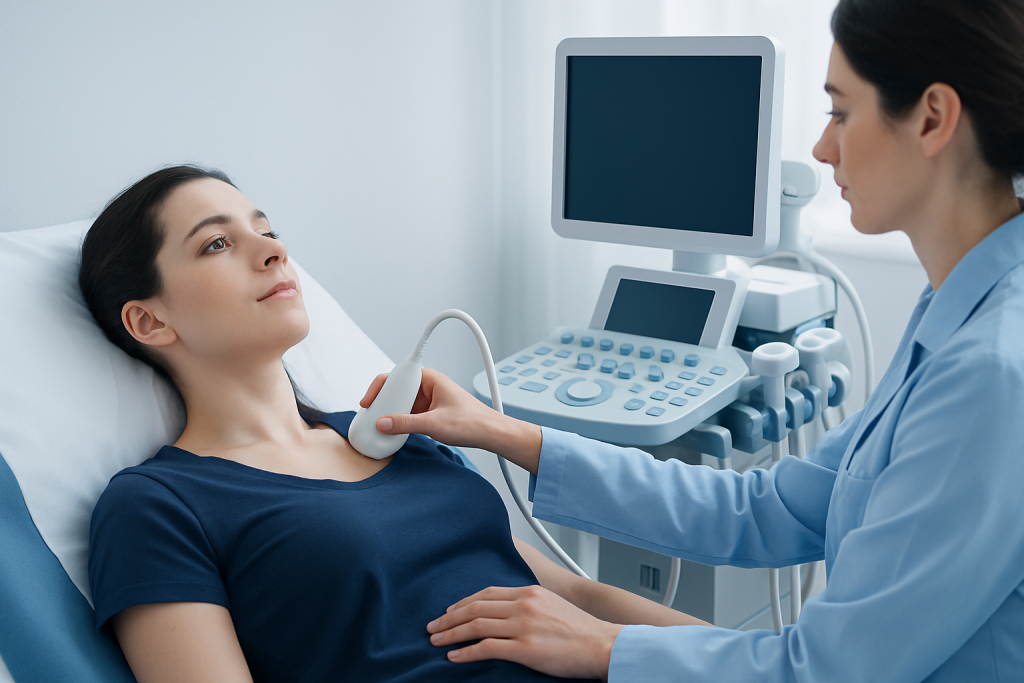
Many people first hear about TSH after noticing changes that seem unrelated at first. Fatigue, unexpected weight gain or loss, feeling unusually cold or hot, changes in mood, constipation, palpitations, menstrual changes, or hair thinning can all lead a clinician to check thyroid function.
The challenge is that thyroid symptoms can overlap with stress, anemia, sleep problems, menopause, depression, or other common conditions. This is one reason TSH testing is useful: it helps sort out whether the thyroid could be contributing to the picture. Still, a normal TSH does not explain every symptom, and an abnormal TSH does not automatically explain all of them.
Some people have mild thyroid changes and no clear symptoms at all. Others may have symptoms even when the TSH shift is small. For that reason, doctors usually compare the lab result with the person’s age, pregnancy status, medications, and overall health rather than using one universal interpretation for everyone.
Causes & Risk Factors

TSH changes reflect what is happening in the thyroid feedback system, but the underlying cause can vary widely. The most common reasons include hypothyroidism, where the thyroid underproduces hormone, and hyperthyroidism, where it overproduces hormone. Autoimmune thyroid conditions such as Hashimoto’s thyroiditis and Graves’ disease are frequent causes of these patterns.
TSH can also shift for reasons that are not primarily thyroid disease. Certain medications, such as some steroids, dopamine-related drugs, amiodarone, lithium, and some seizure medicines, can influence results. Severe illness, recent surgery, pregnancy, and recovery from major stress on the body may temporarily alter thyroid tests as well.
Risk is higher in people with a personal or family history of thyroid disease, autoimmune disorders, prior neck radiation, thyroid surgery, or iodine-related exposure patterns. Age matters too, because thyroid disorders become more common over time. In international-patient care, clinicians also consider whether a person’s prior testing was done with the same laboratory method, since different labs may use slightly different reference ranges.
How TSH Testing Is Diagnosed and Interpreted
TSH is measured with a blood sample, usually after a clinician decides that thyroid testing is appropriate based on symptoms or another routine check. The blood draw itself is simple, and fasting is often not required unless the doctor has given different instructions. Results are reported with a reference range, but that range can vary somewhat between laboratories.
A high TSH usually suggests that the thyroid is not producing enough hormone, which is called primary hypothyroidism. A low TSH often suggests that the thyroid is producing too much hormone, as in hyperthyroidism, though some pituitary or hypothalamic conditions can also affect the result. When TSH is outside the expected range, clinicians commonly order free T4, sometimes free T3, and thyroid antibody tests to clarify the cause.
Repeat testing is common, especially if the change is mild or if the person was recently ill. Doctors may also look at trends over time rather than a single result. For pregnant patients, interpretation follows pregnancy-specific guidance because thyroid needs change during pregnancy and the usual ranges may not apply in the same way.
Treatment Options
Treatment depends entirely on why the TSH is abnormal. If TSH is high because of hypothyroidism, clinicians often prescribe thyroid hormone replacement and then monitor the response with follow-up blood tests. If TSH is low because of hyperthyroidism, treatment may involve medicines that reduce hormone production, other therapies directed at the thyroid, or in some cases surgery, depending on the diagnosis and severity.
Not every abnormal TSH requires immediate treatment. Mild or temporary changes may be monitored, especially when symptoms are minimal and repeat testing is expected to clarify the situation. In subclinical thyroid disease, where TSH is abnormal but hormone levels remain in range, the decision to treat is individualized.
For patients traveling for care, treatment planning also includes practical steps such as coordinating lab work, understanding how to continue medication at home, and arranging follow-up with a local doctor. A good plan does not end at the hospital door; it includes clear instructions for monitoring, symptom tracking, and when to repeat tests after returning home.
Prevention & Self-care
Not all thyroid problems can be prevented, especially autoimmune conditions. Even so, people can support better thyroid care by keeping a record of symptoms, medications, supplements, and past lab results. This is especially useful when seeing a specialist in a new health system or during international treatment planning.
It is wise to take thyroid medication exactly as prescribed and to follow instructions about timing, because some medicines and supplements can interfere with absorption. Calcium, iron, and certain antacids can matter for some thyroid treatments, so clinicians often advise spacing them apart. Patients should also tell their doctor about biotin supplements, since biotin can affect some laboratory assays and may distort thyroid test results.
General wellness habits also help people feel steadier while thyroid concerns are being evaluated. Regular sleep, balanced meals, hydration, and consistent follow-up can make symptom tracking easier. If the person is pregnant, planning pregnancy, or recently delivered, thyroid testing deserves timely medical attention because hormone needs can shift more quickly during those periods.
When to See a Doctor
A doctor should evaluate persistent symptoms that suggest thyroid imbalance, especially if they are affecting daily life. Rapid heartbeat, unexplained weight change, ongoing fatigue, heat or cold intolerance, neck swelling, tremor, or changes in menstrual cycles are all reasonable reasons to seek medical advice.
Urgent care is not usually needed for a routine abnormal TSH result alone, but it is important not to ignore a concerning pattern. If a person has significant palpitations, confusion, severe weakness, or shortness of breath, they should seek prompt medical assessment. Pregnant patients and people with known thyroid disease generally benefit from earlier follow-up rather than waiting for symptoms to become more obvious.
For international patients, it can be helpful to bring prior lab reports, medication lists, and imaging studies to the first appointment. Acibadem Health Point’s multidisciplinary specialists and JCI-accredited hospitals diagnose and treat thyroid conditions for international patients, while helping coordinate the medical and practical steps that come with care abroad.
Living With Ongoing Thyroid Monitoring
Many people with thyroid conditions do well once the cause is identified and follow-up is consistent. The main task is often less about dramatic change and more about steady monitoring. TSH values can take time to settle after a medication change, so doctors usually schedule repeat testing at sensible intervals rather than reacting to every small fluctuation.
Patients often feel more in control when they understand what is being tracked and why. It can be useful to keep a simple log of symptoms, dose changes, lab dates, and questions for the next visit. That approach supports clearer conversations whether care is local or coordinated across borders.
In the end, TSH is best thought of as a guidepost. It helps clinicians decide whether the thyroid is keeping pace with the body’s needs, and it helps patients move from uncertainty toward a clear diagnosis and a practical plan.
Frequently asked questions
What does a high TSH level usually mean?
A high TSH level often means the thyroid is underactive and not making enough hormone. The pituitary responds by increasing TSH to push the thyroid harder. Doctors usually confirm the cause with free T4 testing and the person’s symptoms.
What does a low TSH level usually mean?
A low TSH level often points to an overactive thyroid, though there are other possible causes. The result is interpreted together with free T4 or free T3 and the clinical picture. A doctor may also consider medication effects or pituitary conditions.
Can TSH levels change from one test to the next?
Yes, TSH can vary over time, especially if a person has recently been ill, started a new medicine, or is in a period such as pregnancy. Small changes do not always mean a new disease is present. Repeat testing is often the safest way to confirm a pattern.
Do I need to fast before a TSH blood test?
Fasting is usually not required for a TSH test. Still, the doctor or laboratory may give specific instructions if other blood tests are being done at the same time. It is always best to follow the guidance provided by the care team.
Can supplements affect TSH test results?
Some supplements can interfere with thyroid blood tests, especially biotin. Iron, calcium, and antacids may also affect how some thyroid medicines are absorbed. Patients should share a full supplement list with their doctor before testing or treatment.
If my TSH is abnormal, will I always need treatment?
Not always. Mild or temporary changes may only need monitoring and repeat testing, while clear thyroid disease may need medication or other treatment. The decision depends on the cause, symptoms, pregnancy status, and other lab results.
References
- American Thyroid Association
- National Institute of Diabetes and Digestive and Kidney Diseases
- Mayo Clinic
- MedlinePlus
- British Thyroid Foundation
This article is for general information only and is not a substitute for professional medical advice. Please consult a qualified doctor about your individual situation.
Persistent digestive symptoms? Get evaluated in Turkey
JCI-accredited · board-certified surgeons · reply within 24h
Add us as a Preferred Source to see more of our trusted health content across Google Search, AI Overviews and Discover.