Thyroid Symptoms: Causes and Treatment

Key Takeaways
- Thyroid symptoms may affect energy, weight, mood, heart rate, digestion, skin, and temperature tolerance.
- Both hypothyroidism and hyperthyroidism can cause wide-ranging symptoms that overlap with other conditions.
- Diagnosis usually includes a medical history, physical examination, and blood tests that assess thyroid hormone levels.
- Treatment depends on the cause and may include medication, monitoring, or other targeted therapies.
- New, persistent, or worsening symptoms should be discussed with a qualified doctor, especially during pregnancy or after thyroid surgery.
Medically reviewed by the Acıbadem clinical team — August 19, 2026
Thyroid symptoms can be subtle, varied, and easy to mistake for everyday stress, aging, or a busy routine. Understanding how an underactive or overactive thyroid may show up can help patients seek the right evaluation sooner and feel more confident about next steps.
Overview
The thyroid is a small, butterfly-shaped gland in the lower front of the neck, but its influence reaches far beyond that area. It helps regulate how the body uses energy, so when thyroid function slows down or speeds up, the effects can appear in many different systems at once.
That is why thyroid symptoms are often broad and sometimes hard to pin down. A person may first notice tiredness, changes in weight, or a shift in mood, while someone else may feel palpitations, heat intolerance, or unusual nervousness. The pattern matters, but so does timing, because symptoms often build gradually.
For international patients deciding whether to travel for care, the first useful step is not to self-diagnose from a symptom list. It is to recognize a pattern that deserves evaluation, gather prior lab results or imaging if available, and speak with an endocrinology specialist who can interpret the findings in context.
Symptoms
Thyroid disorders can look very different depending on whether the gland is underactive, overactive, inflamed, or structurally enlarged. Some people notice only one or two changes at first, while others experience a cluster of symptoms that affect daily routines, sleep, appetite, or concentration.
Common signs of hypothyroidism, or an underactive thyroid, may include fatigue, slowed thinking, sensitivity to cold, constipation, dry skin, thinning hair, weight gain, and heavier or more irregular menstrual periods. Some people also describe feeling low in mood, puffy in the face, or generally slower than usual.
Common signs of hyperthyroidism, or an overactive thyroid, may include anxiety, restlessness, tremor, sweating, heat intolerance, rapid heartbeat, unintentional weight loss, frequent bowel movements, and trouble sleeping. In some cases, the eyes may feel irritated or appear more prominent, particularly in Graves’ disease.
- Neck swelling or a visible lump may suggest a goiter or thyroid nodule.
- Voice changes, swallowing discomfort, or pressure in the neck can also appear.
- Symptoms may come and go, especially in thyroiditis, which can briefly shift between overactive and underactive phases.
Because these signs overlap with anemia, depression, menopause, stress, and other medical issues, symptom patterns are best confirmed with testing rather than guesswork.
Causes & Risk Factors

The most common thyroid conditions are hypothyroidism, hyperthyroidism, thyroiditis, goiter, nodules, and autoimmune thyroid disease. In hypothyroidism, the thyroid does not produce enough hormone. In hyperthyroidism, it produces too much, or is stimulated to do so by the immune system or other triggers.
Autoimmune disease is a major cause of thyroid problems. Hashimoto’s thyroiditis often leads to hypothyroidism, while Graves’ disease commonly causes hyperthyroidism. Thyroid inflammation can also follow viral illness, childbirth, certain medications, or radiation exposure.
Risk tends to be higher in people with a family history of thyroid disease, other autoimmune conditions, prior thyroid surgery, neck radiation exposure, or iodine imbalance. Women are affected more often than men, and thyroid disorders can also become more noticeable during pregnancy or after delivery.
For patients traveling internationally, it is helpful to bring records of past thyroid tests, medication lists, and any history of biopsy, surgery, or radioactive iodine treatment. These details often shorten the path to a correct diagnosis.
Diagnosis
Diagnosis usually begins with a careful discussion of symptoms, medical history, family history, and any medicines or supplements being taken. A clinician may also examine the neck for enlargement, nodules, tenderness, or signs of overactivity such as a rapid pulse or tremor.
Blood tests are the core of thyroid evaluation. Thyroid-stimulating hormone, or TSH, is often measured first, and free thyroxine (T4) and sometimes triiodothyronine (T3) are used to clarify whether the gland is underactive or overactive. Antibody tests may help identify autoimmune thyroid disease.
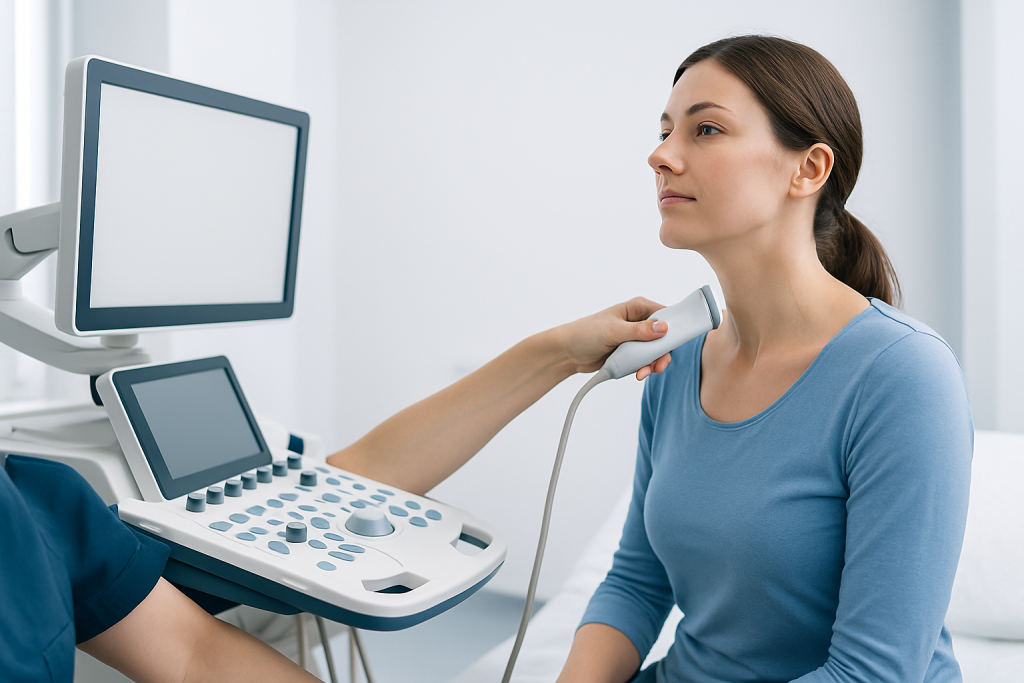
Depending on the findings, additional tests may be recommended. These can include thyroid ultrasound to look at the gland’s structure, radioactive iodine uptake or scan in selected cases, and fine-needle aspiration biopsy when a nodule needs closer assessment.
For international patients, having a clear written summary of previous results can be especially valuable, since thyroid hormones, reference ranges, and imaging reports should be interpreted together rather than in isolation.
Treatment Options
Treatment depends on the cause, the type of thyroid problem, the severity of symptoms, and whether the person is pregnant, planning pregnancy, or living with other medical conditions. The goal is to restore balance while reducing symptoms and protecting long-term health.
Hypothyroidism is commonly treated with thyroid hormone replacement, which is adjusted over time based on blood test results and clinical response. Hyperthyroidism may be treated with antithyroid medication, beta-blockers to ease certain symptoms, radioactive iodine in selected cases, or surgery when appropriate.
Thyroiditis may improve with time and supportive care, though monitoring is still important because hormone levels can shift. Nodules do not always require treatment; some are simply observed, while others may need biopsy, medicine, or surgical removal depending on their features.
Patients who need care across borders often benefit from a coordinated plan that includes follow-up testing after treatment changes. Thyroid medicine response is usually tracked over weeks to months, so continuity matters even after returning home.
Prevention & Self-care
Not every thyroid condition can be prevented, especially those related to genetics or autoimmunity. Even so, practical habits can support early recognition and smoother management.
People with a personal or family history of thyroid disease should pay attention to persistent changes in energy, bowel habits, heart rate, sleep, or temperature tolerance. Keeping a simple symptom log can help a doctor see patterns that are easy to miss in a single appointment.
Other helpful steps include taking thyroid medication exactly as prescribed, separating certain supplements or foods from medication when a clinician advises it, and not stopping treatment without medical guidance. If a person has had thyroid surgery, radioactive iodine therapy, or recent childbirth, scheduled follow-up testing is especially important.
- Choose a consistent laboratory when possible, so results are easier to compare over time.
- Share all supplements, including biotin, because some can affect lab interpretation.
- Ask about follow-up plans before traveling if treatment adjustments are underway.
Balanced nutrition and adequate iodine intake are generally important, but more is not better. Supplements should be discussed with a clinician rather than started on assumptions.
When to See a Doctor
A medical evaluation is appropriate when thyroid symptoms persist, progress, or begin to interfere with work, sleep, mood, digestion, menstrual health, or heart rhythm. A prompt visit is also wise if there is a new neck swelling, a lump, or unexplained discomfort when swallowing.
Urgent assessment is needed if severe palpitations, chest pain, shortness of breath, confusion, fainting, or marked weakness develops. While these symptoms do not always mean a thyroid emergency, they should not be ignored.
Pregnant patients, people trying to conceive, children and adolescents, and anyone with a history of thyroid cancer or surgery should discuss symptoms sooner rather than later. In these groups, even mild thyroid imbalance can matter, and timely testing helps guide safer care.
Acibadem Health Point’s multidisciplinary specialists and JCI-accredited hospitals diagnose and treat thyroid conditions for international patients, with attention to both testing and follow-up planning across borders.
Living With Thyroid Symptoms Over Time
Once thyroid disease is identified, many people do well with the right treatment and regular monitoring. The day-to-day experience often improves when the cause is understood, medication is taken consistently, and follow-up testing is not skipped.
It can help to think of thyroid care as a long-term partnership rather than a one-time fix. Symptoms, lab results, and life changes such as pregnancy, travel, illness, or weight changes may all affect the plan.
Patients who keep track of how they feel, when medicines are taken, and when tests are due tend to have clearer conversations with their doctors. That is especially useful for international patients, where care may need to continue after returning to another country.
Frequently asked questions
Are thyroid symptoms always obvious?
No. Thyroid symptoms can develop slowly and may be mistaken for stress, aging, or another health issue. Some people notice only subtle changes until a blood test reveals the problem.
Can weight changes alone mean a thyroid problem?
Not necessarily. Weight gain or weight loss can happen for many reasons, including diet, activity, sleep, and other medical conditions. If weight changes happen along with tiredness, heart rate changes, or temperature intolerance, thyroid testing may be worthwhile.
What tests are usually done first?
Doctors often begin with blood tests such as TSH and free T4, and sometimes T3 or thyroid antibodies. If there is a lump or enlargement, ultrasound may also be recommended.
Can thyroid disease affect pregnancy?
Yes, thyroid balance matters before and during pregnancy. Women who are pregnant or planning pregnancy should discuss thyroid symptoms and any history of thyroid disease with a doctor promptly.
Do all thyroid nodules mean cancer?
No. Most thyroid nodules are not cancerous. They still deserve proper evaluation so a doctor can decide whether observation, imaging, biopsy, or treatment is needed.
Should treatment be stopped once symptoms improve?
No, not without a doctor’s advice. Symptoms may improve before thyroid levels are fully stable, so follow-up blood tests are important to confirm the right dose or treatment plan.
References
- American Thyroid Association
- National Institute of Diabetes and Digestive and Kidney Diseases
- Mayo Clinic
- Endocrine Society
- World Health Organization
This article is for general information only and is not a substitute for professional medical advice. Please consult a qualified doctor about your individual situation.
Explore treatments in Turkey — costs, top hospitals & a free quote
JCI-accredited · board-certified surgeons · reply within 24h
Add us as a Preferred Source to see more of our trusted health content across Google Search, AI Overviews and Discover.